
NATO, the North Atlantic Treaty Organization, is an intergovernmental military alliance of 32 member states, thirty in Europe and two in North America. Founded after World War II with the North Atlantic Treaty signed in 1949, it operates as a system of collective security in which members agree to defend one another against outside attack. Its central commitment, Article 5 of the treaty, treats an armed attack on any one member as an attack on all. The alliance has since grown and adapted to new security challenges.
Origins and Cold War


NATO's roots lie in the 1941 Atlantic Charter between the United States and the United Kingdom, which set out a framework for postwar cooperation. Several European defense pacts, including the Treaty of Dunkirk and the Treaty of Brussels, preceded the wider North Atlantic Treaty. During the Cold War, NATO's main aim was to deter and counter the Soviet Union and its allies, which formed the rival Warsaw Pact in 1955. West Germany joined in 1955, and a 1961 peak in tensions followed the building of the Berlin Wall. France left the alliance's military structure in 1966.
Post-Cold War role


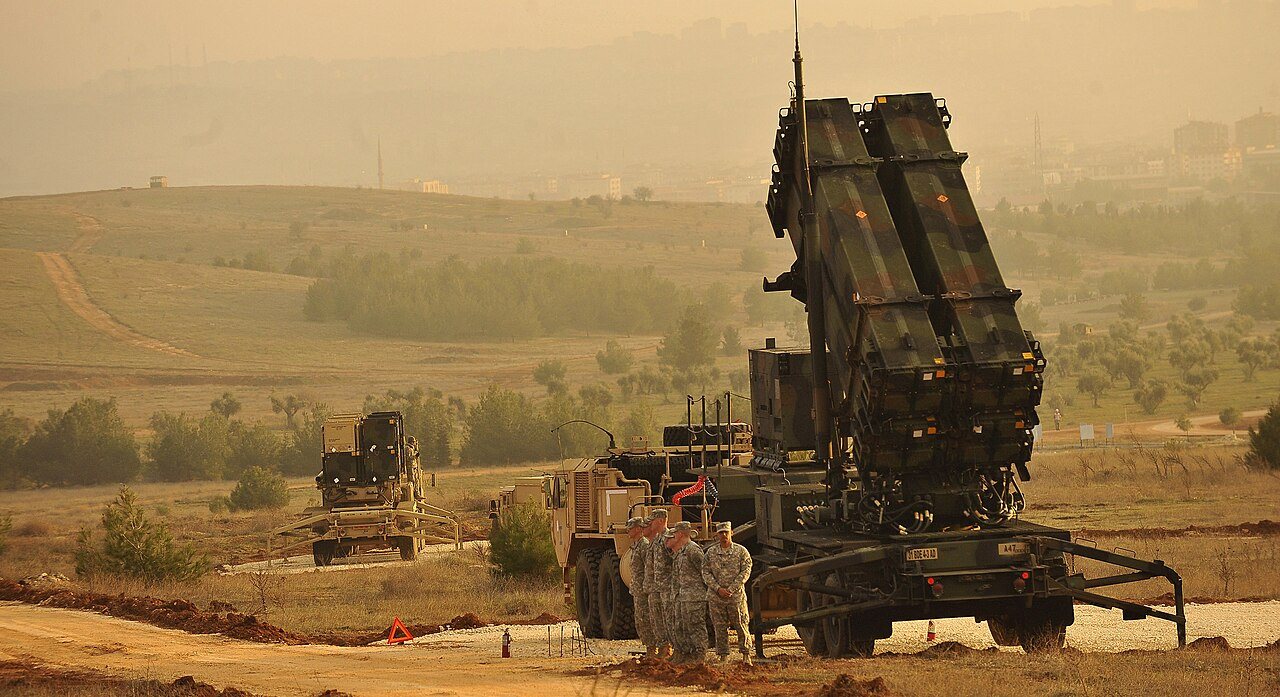


After the Soviet Union dissolved in 1991, NATO changed its focus and carried out its first military intervention in the Bosnian War. It later took part in the Kosovo War, the war in Afghanistan that followed the September 11 attacks, and the Libyan civil war. The alliance has accepted sixteen new European members since the Cold War ended. Relations with Russia became adversarial after the 2014 annexation of Crimea and the 2022 invasion of Ukraine, which also led Finland and Sweden to join.