factograf
EN
Sign in

hindu, jain, sikh, buddhist and south asian festival of lights

Diwali

Diwali

Diwali, also called Dipavali, is the Hindu festival of lights, with variations celebrated in other Indian religions such as Jainism and Sikhism. It is associated with the triumph of good over evil, light over darkness, and knowledge over ignorance. Celebrated in autumn, usually between mid-October and mid-November, the festivities generally last five or six days. Families illuminate homes and temples with oil lamps, share feasts and sweets, and set off fireworks, making it a major cultural event for Hindu, Sikh and Jain communities around the world.

Religious significance
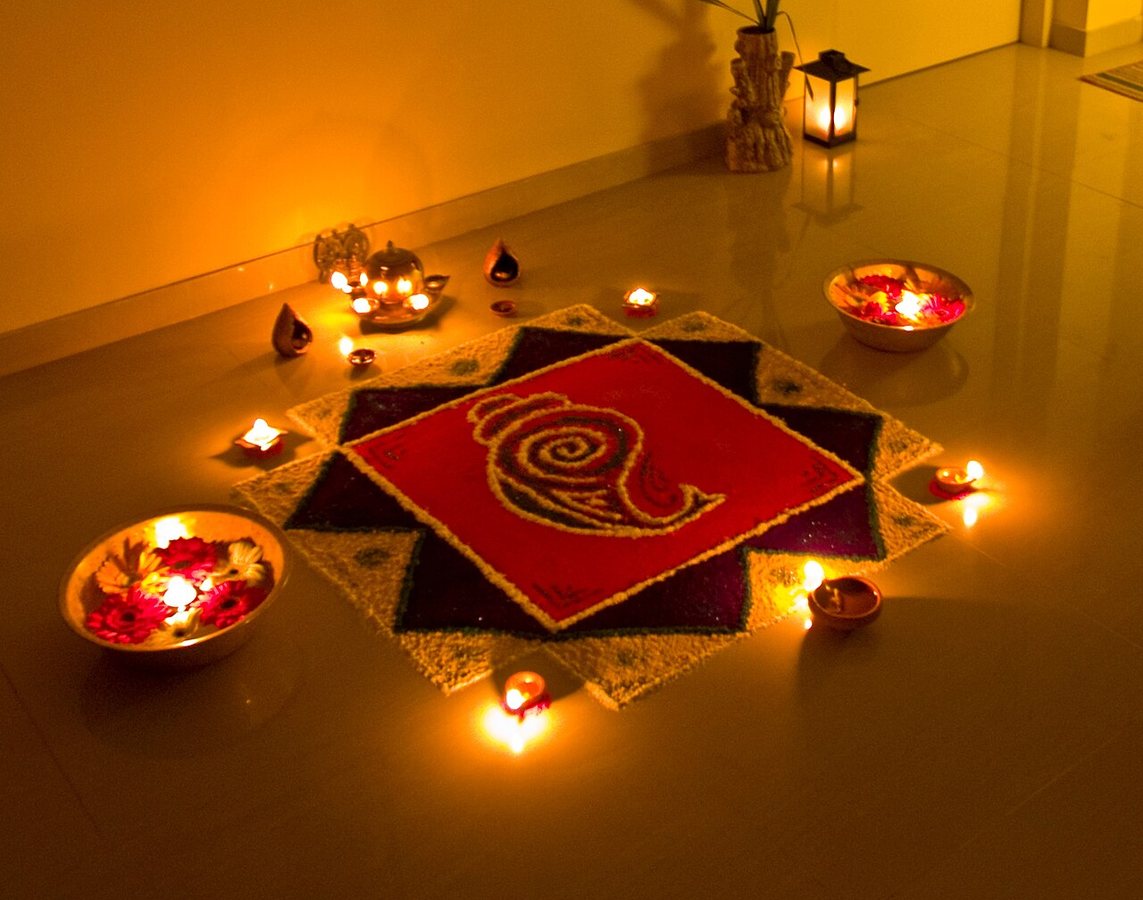
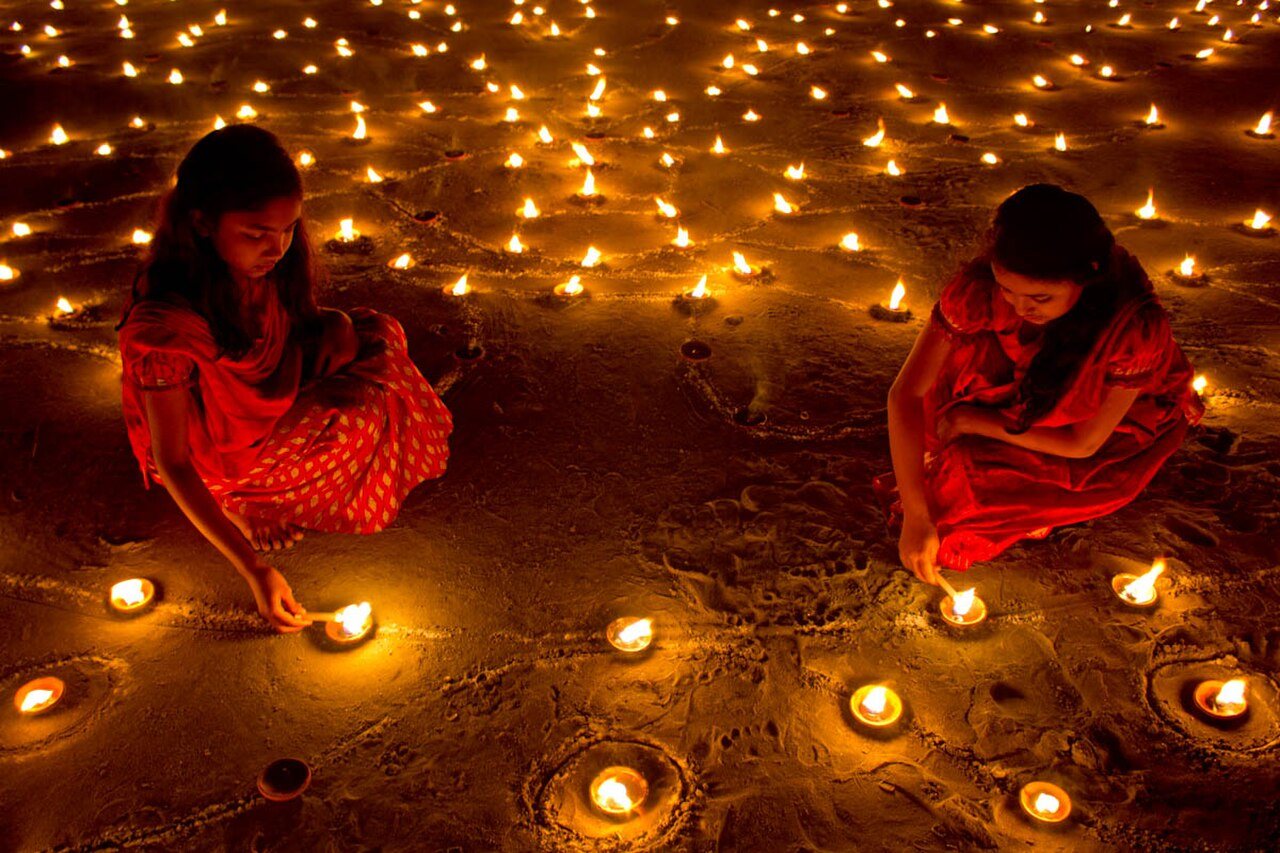
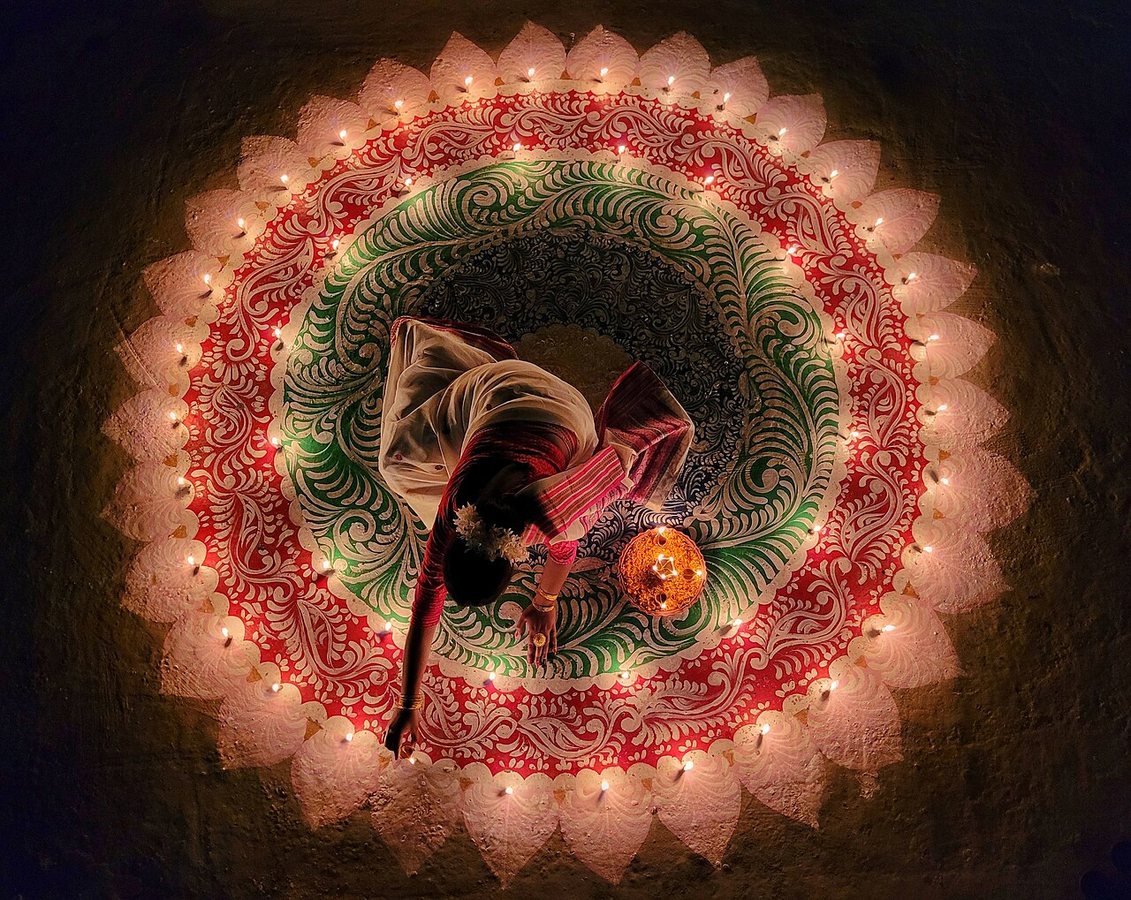
A rangoli design made of lights
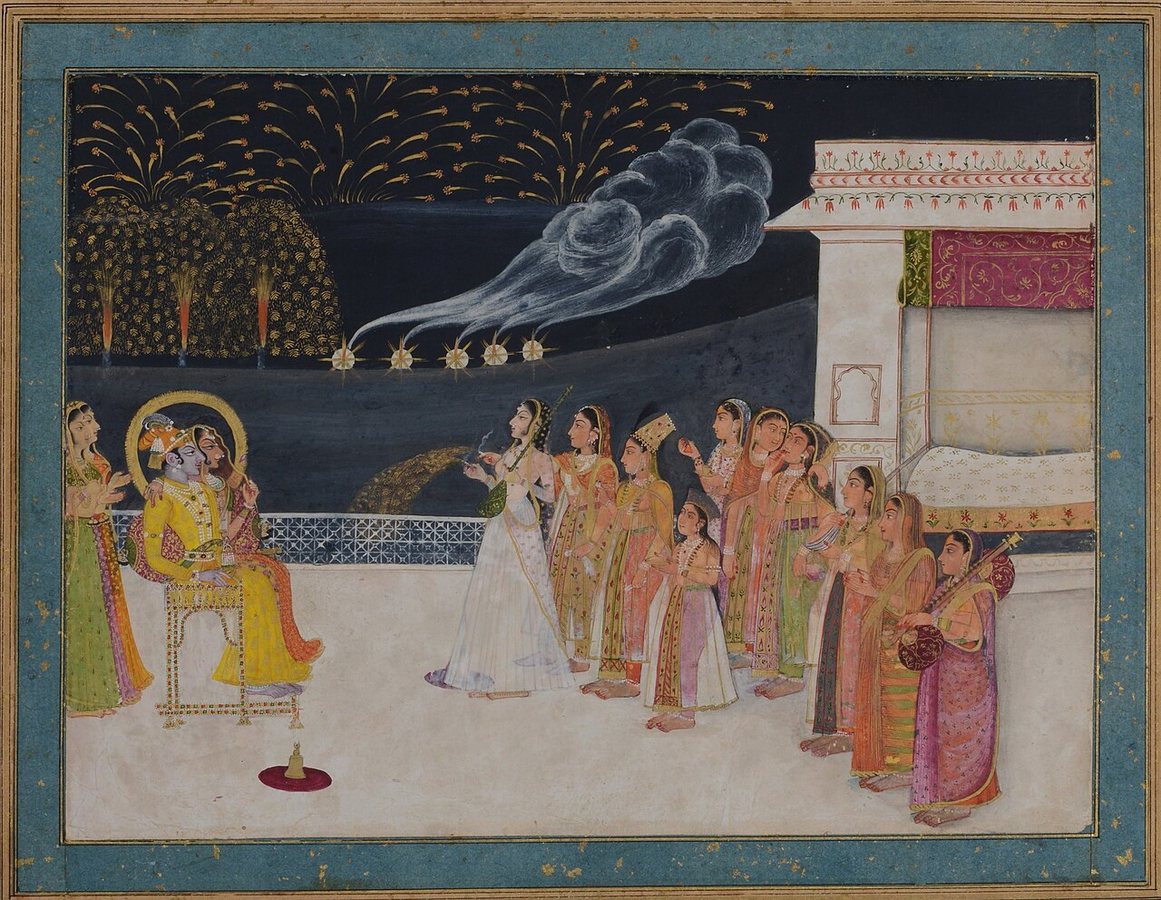
Radha and Krishna celebrating Diwali, painting by Sitaram from Kishangarh, late 18th century, National Museum, New Delhi
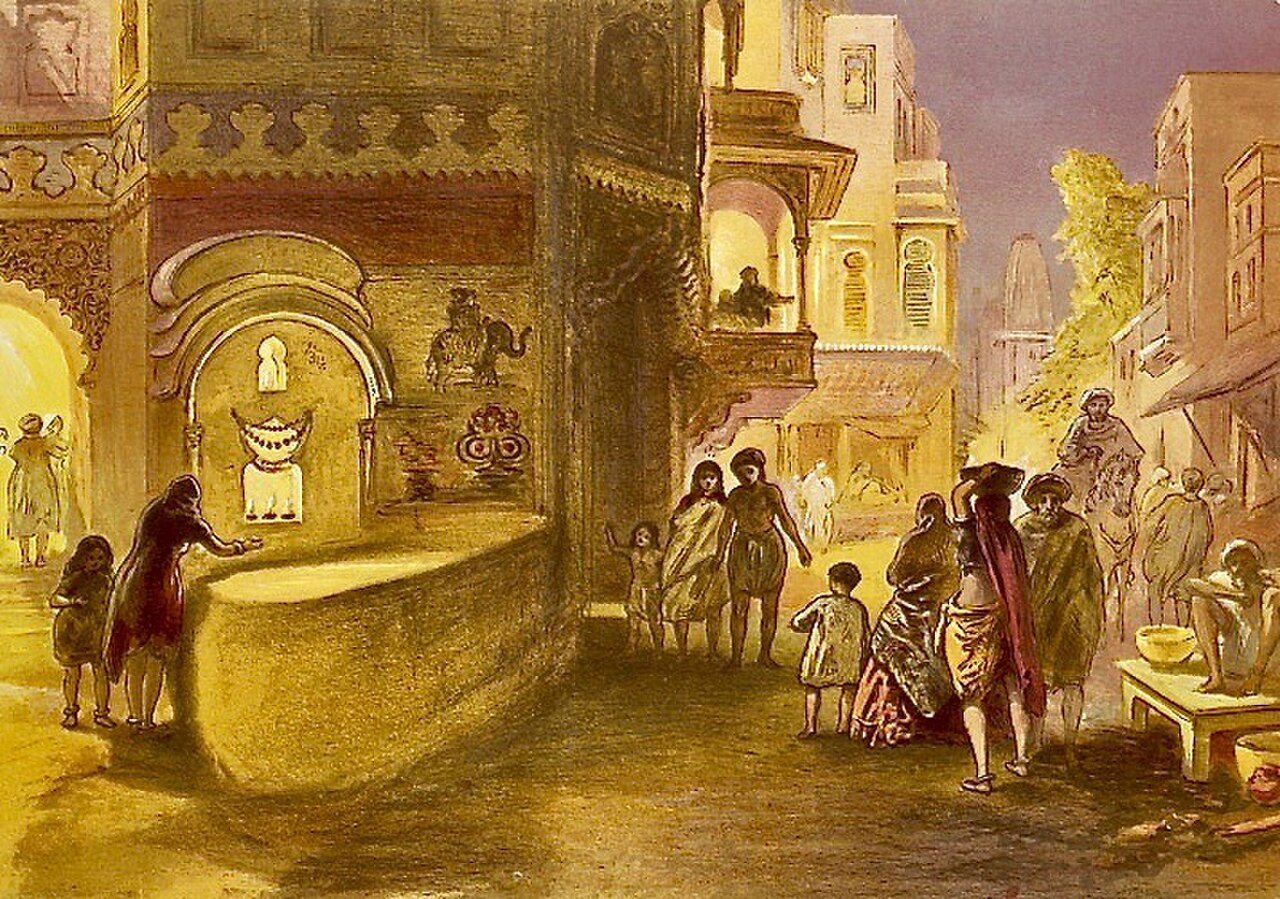
William Simpson's 1867 chromolithograph titled Dewali, feast of lamps, showing lit streets at dusk and a girl and her mother lighting a street corner lamp
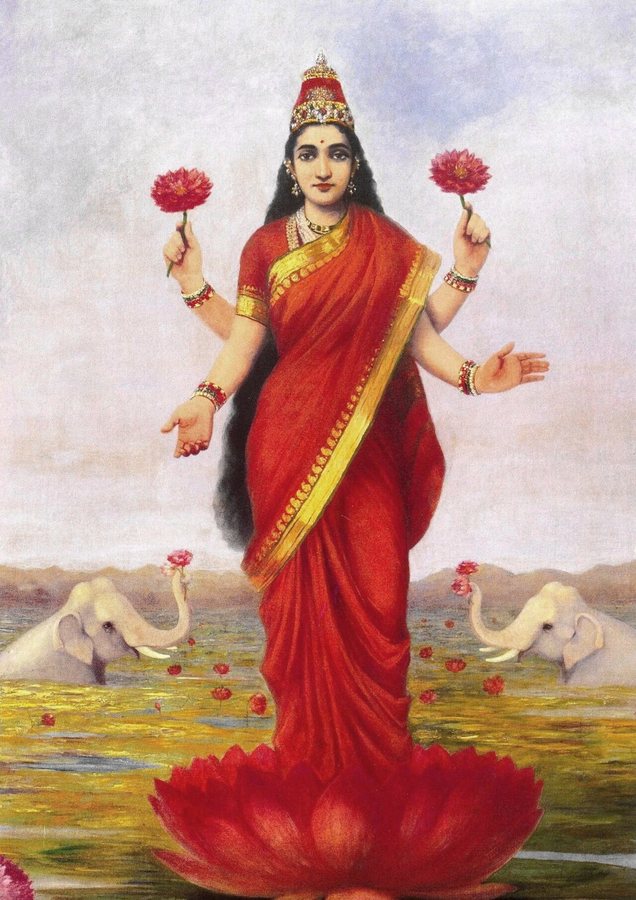
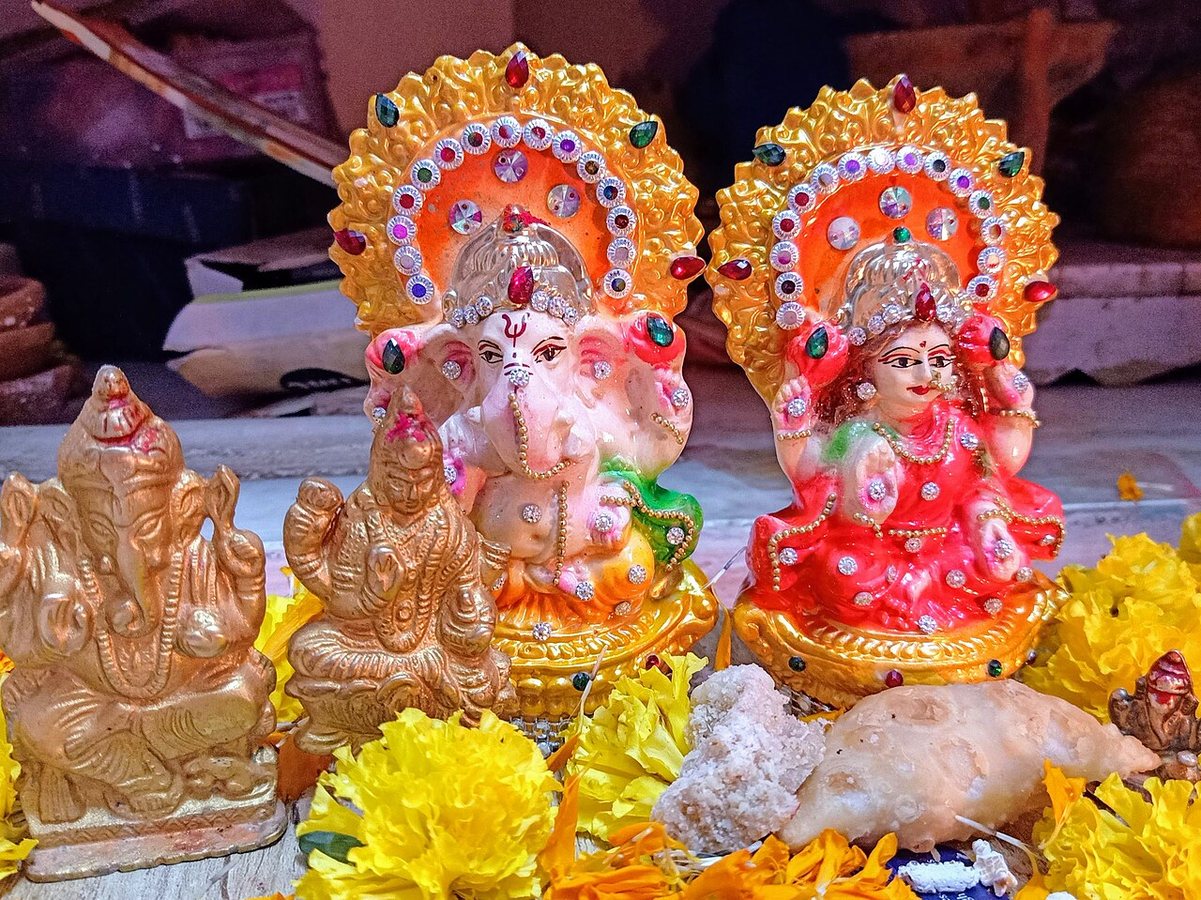
Diwali is commonly celebrated in honour of Lakshmi, the goddess of wealth
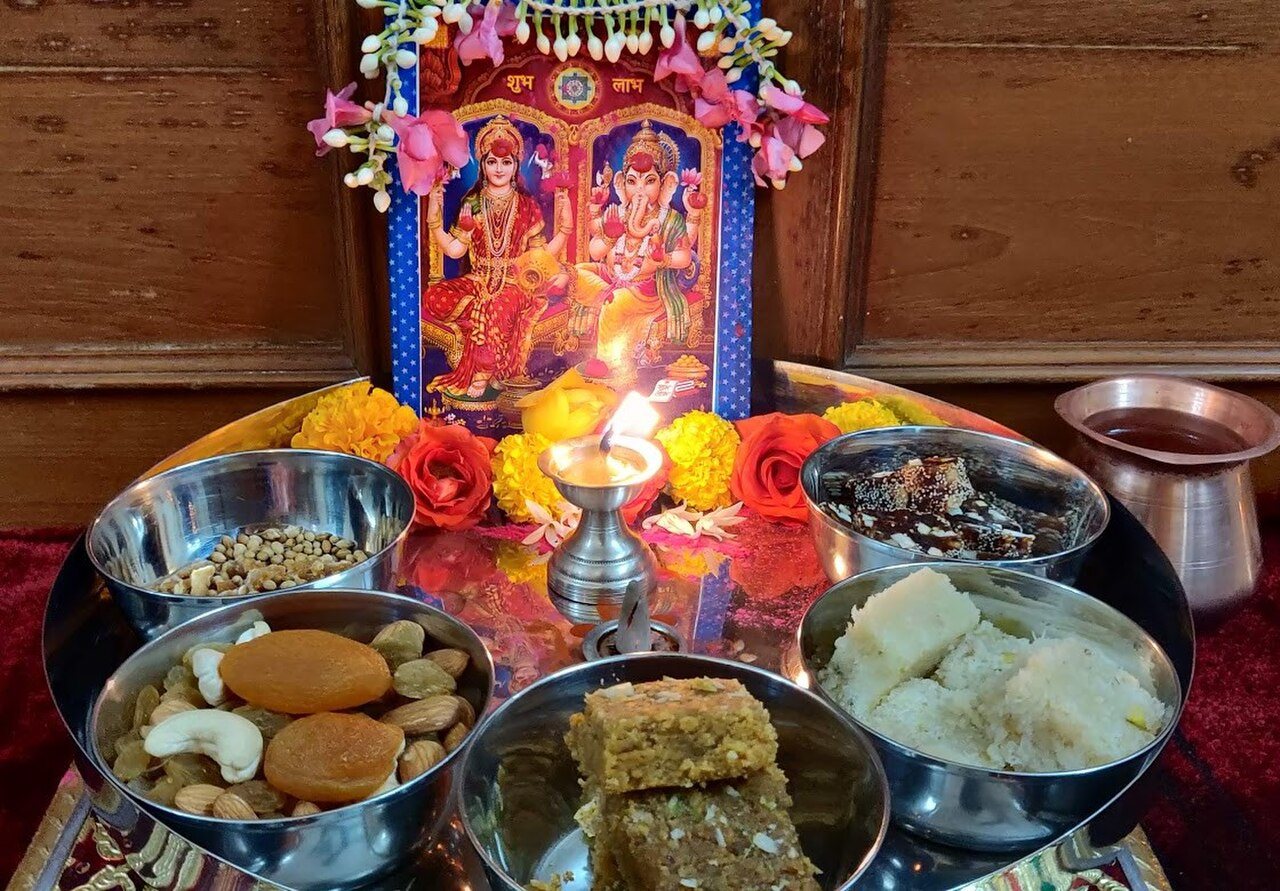
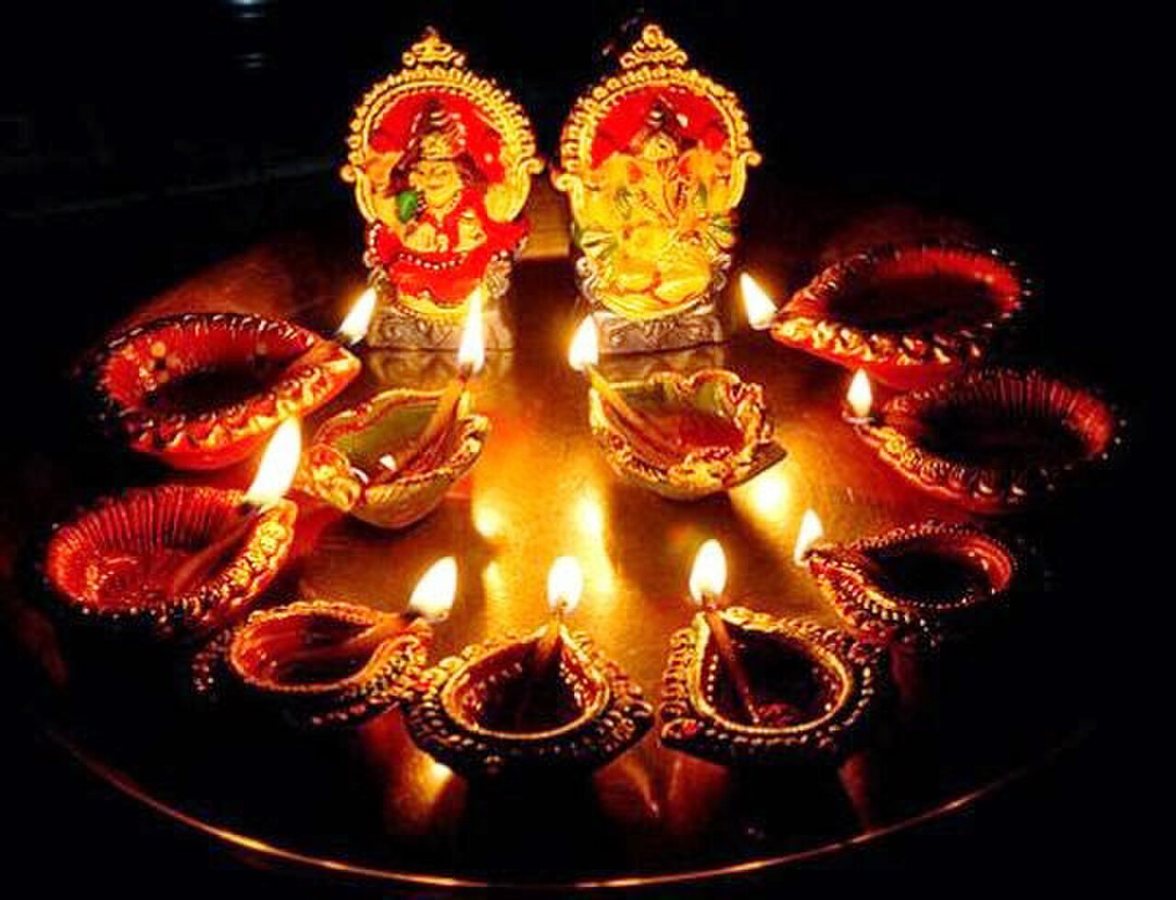
Worship of Lakshmi and Ganesha during Diwali
Diwali Ganesh Laxmi Puja
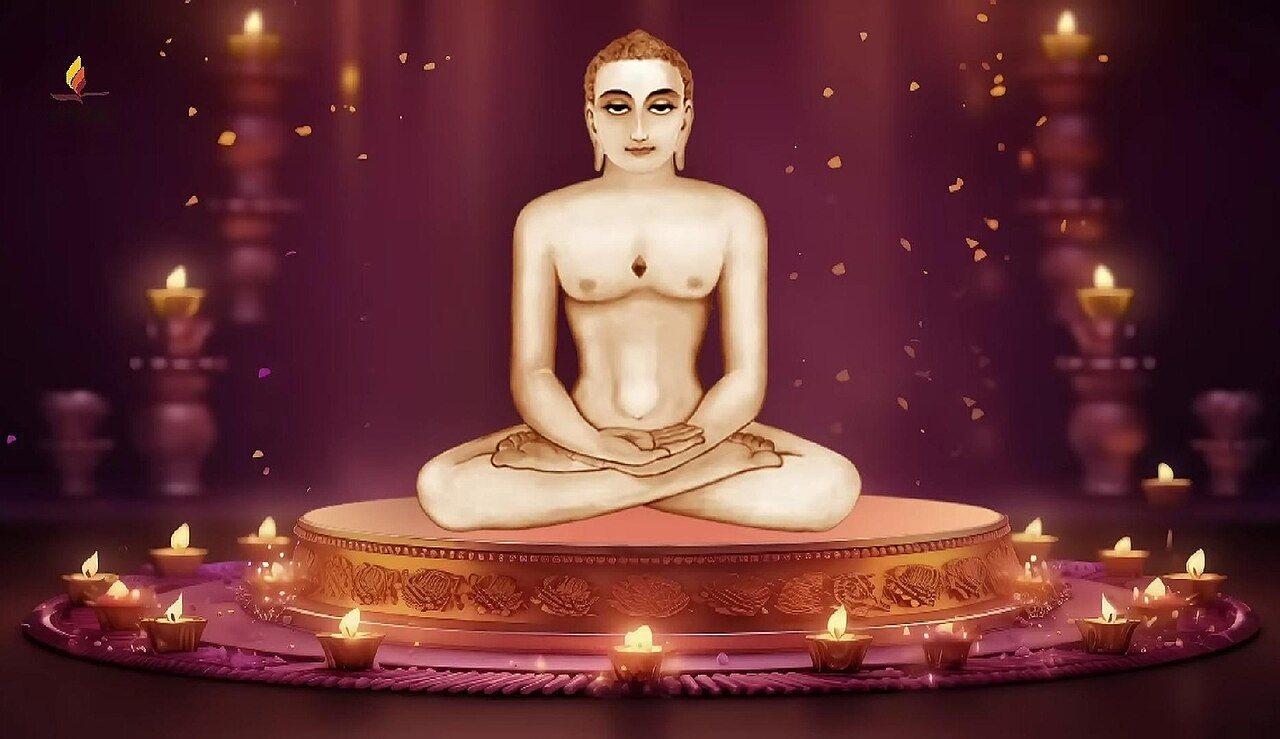
Lord Mahavira in meditation before attaining nirvana, a day Jains celebrate as Dipalikaya
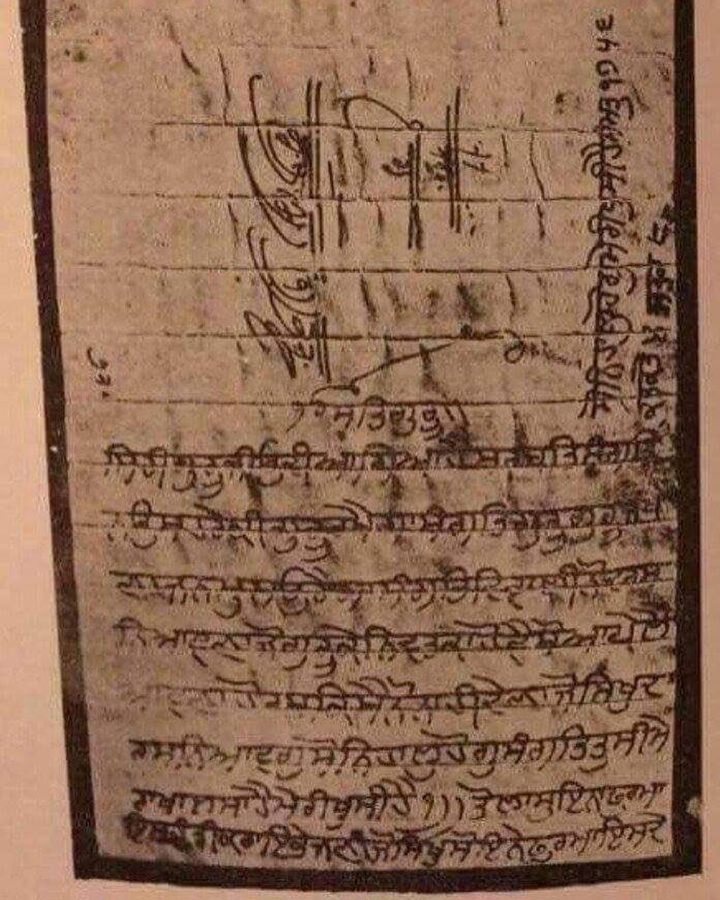
A hukamnama from the tenth Sikh guru, Guru Gobind Singh, asking the Sikh congregation to gather before him on the occasion of Diwali
Diwali Festival
Diwali Festival
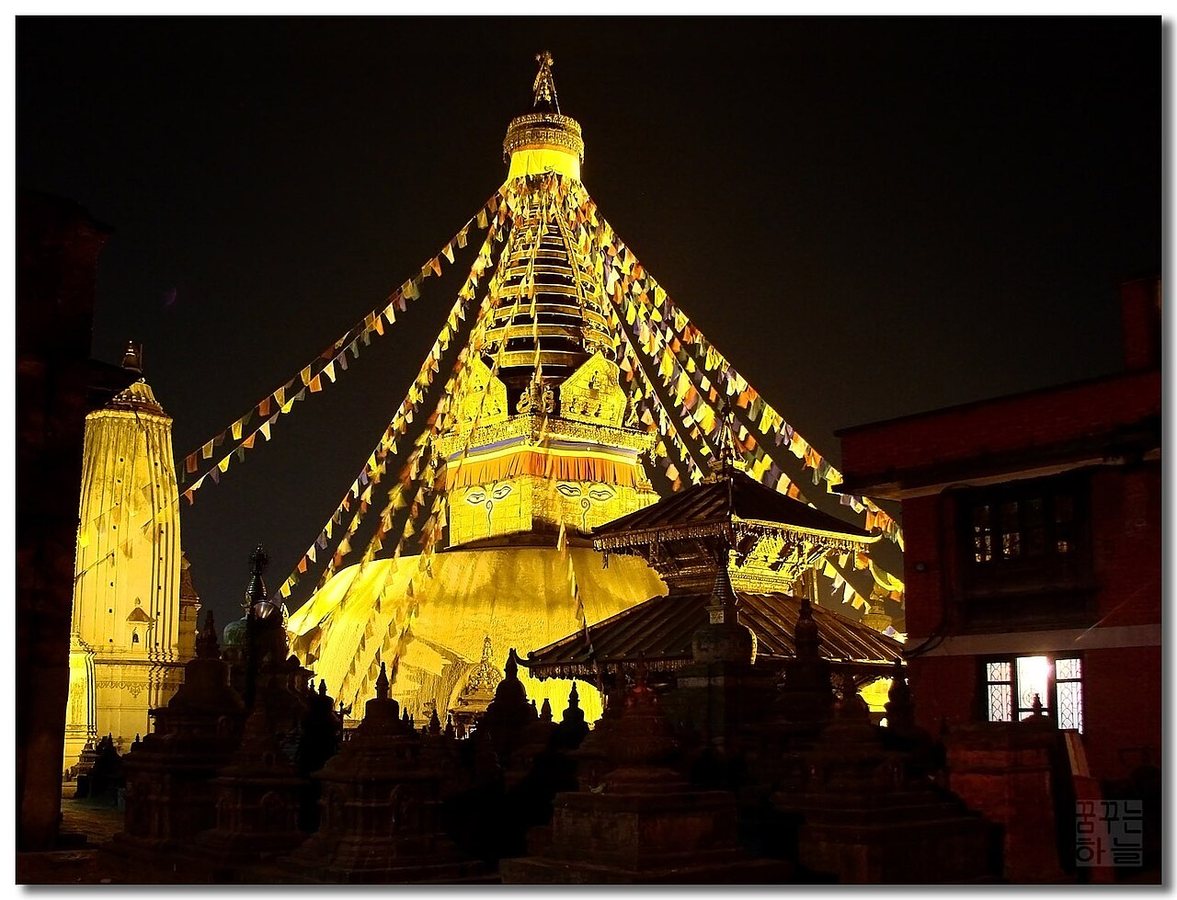
Glowing Swayambhu 3005358416
10 images

Diwali is linked to several religious figures and events. It marks the day Rama returned to Ayodhya with Sita and Lakshmana after defeating the demon king Ravana. It is also widely associated with Lakshmi, the goddess of prosperity, and Ganesha, the god of wisdom. Among Jains, the festival marks the final liberation of Mahavira, while Sikhs celebrate Bandi Chhor Divas, commemorating the release of Guru Hargobind from a Mughal prison. Regional traditions connect the holiday to other deities, and in parts of eastern India and Bangladesh, Kali is worshipped instead.

Celebrations and customs
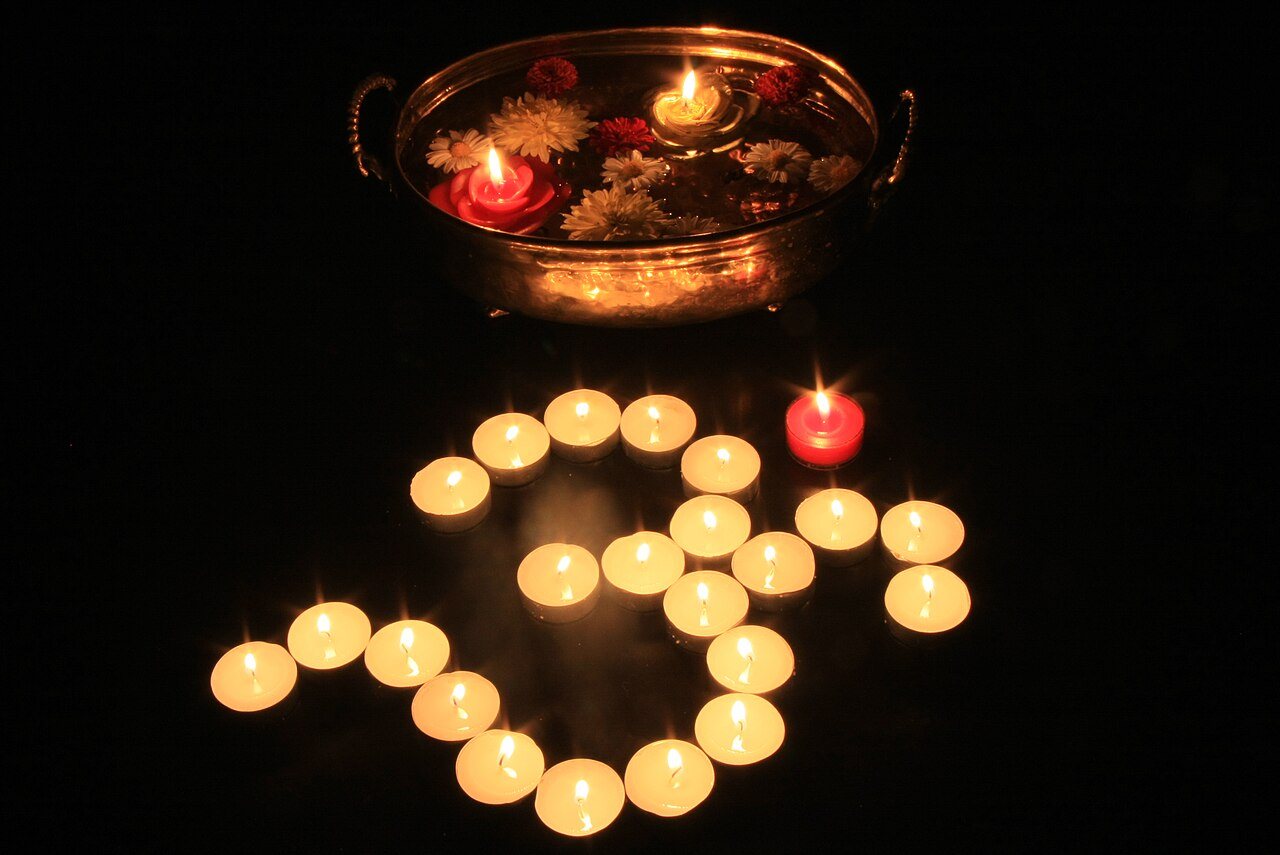
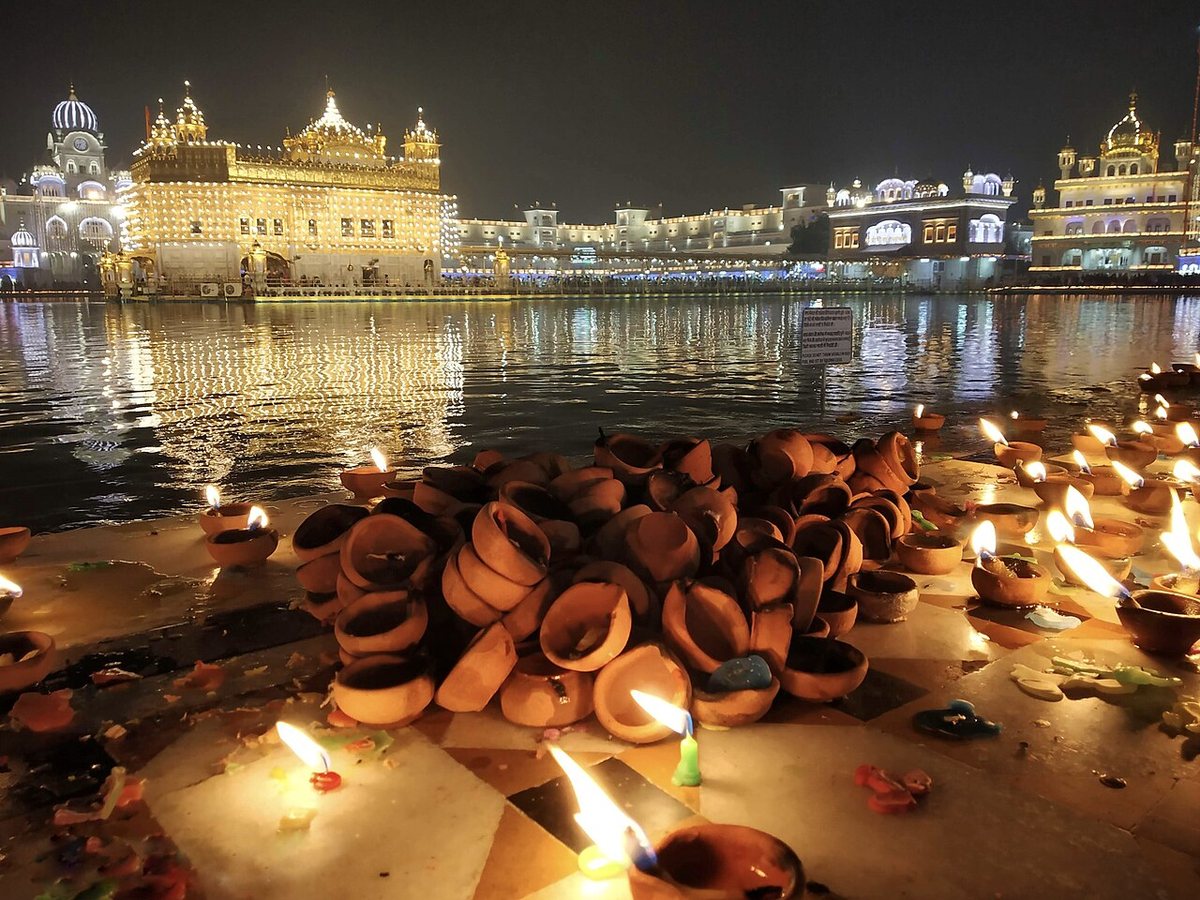
Diya lamps as Diwali decoration in India
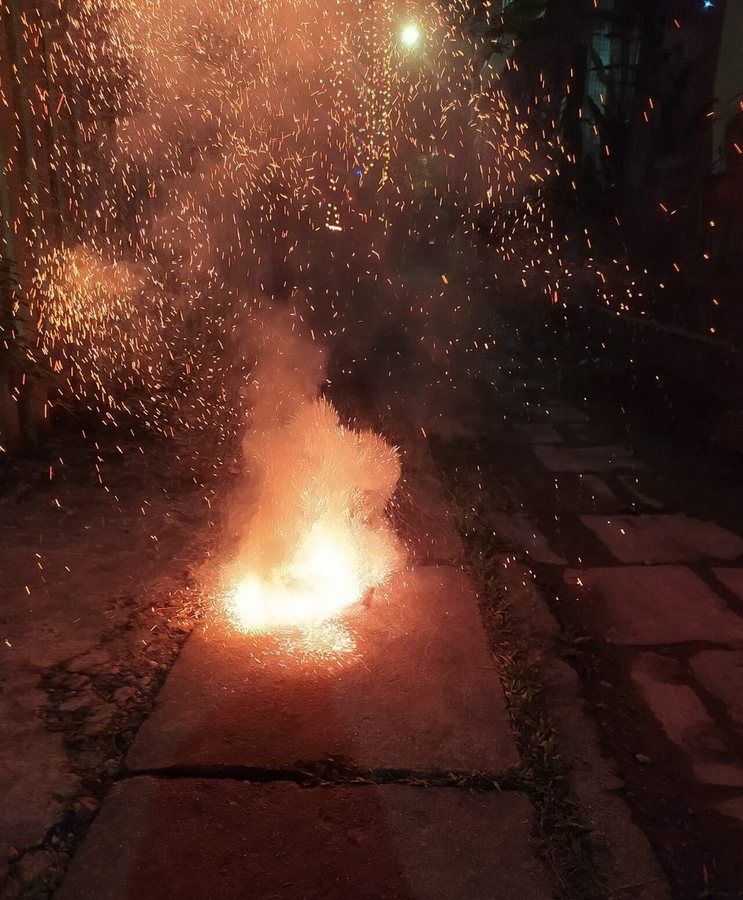
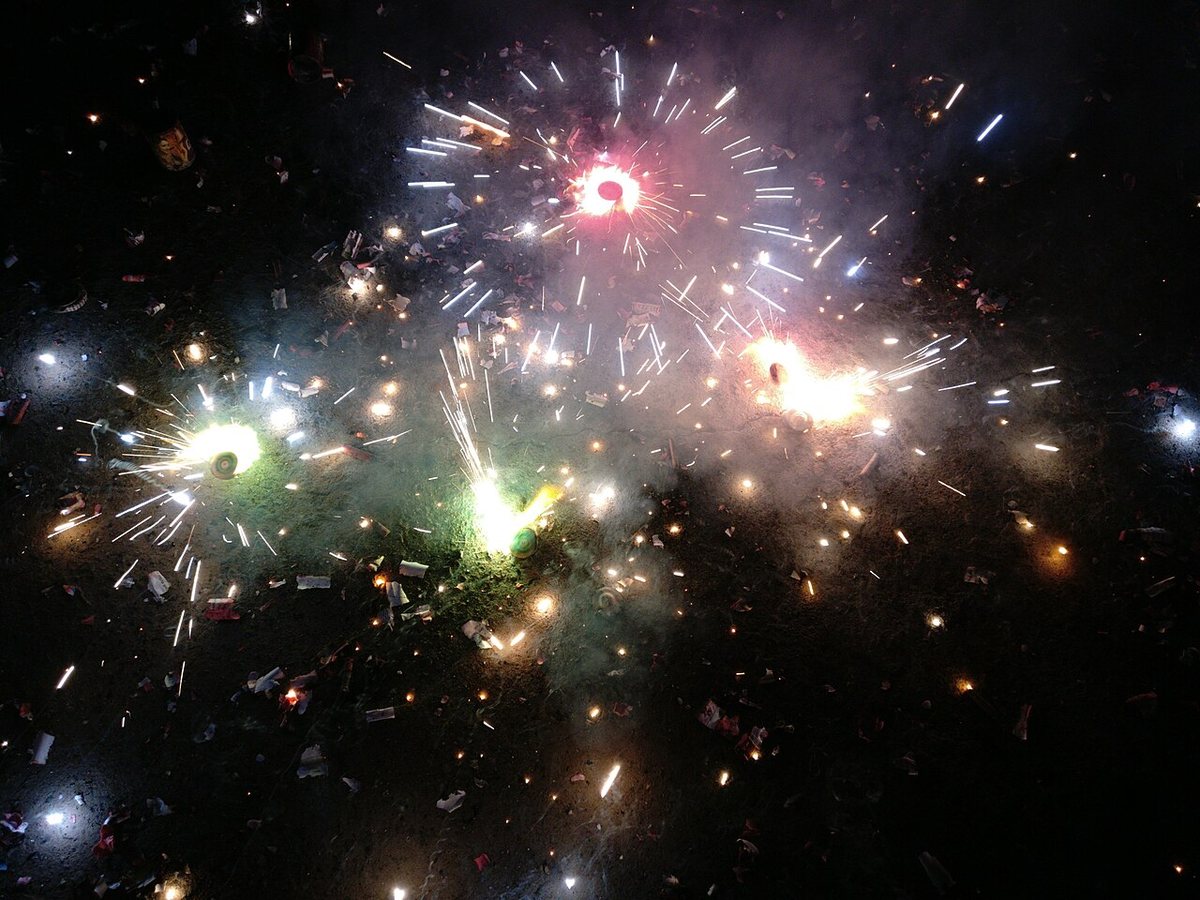
Fireworks during Diwali in Chennai, India, November 2013
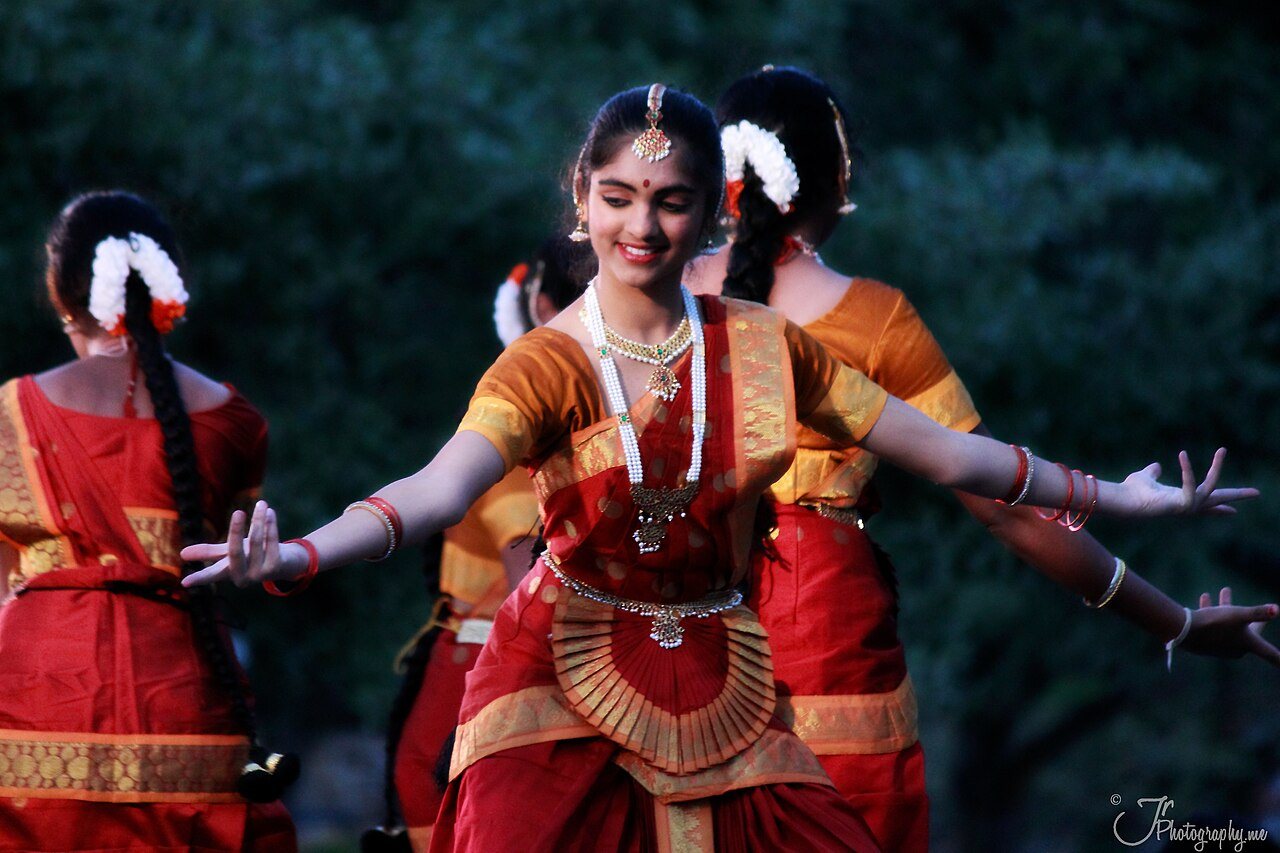
Diwali dance in San Antonio, United States, 2011
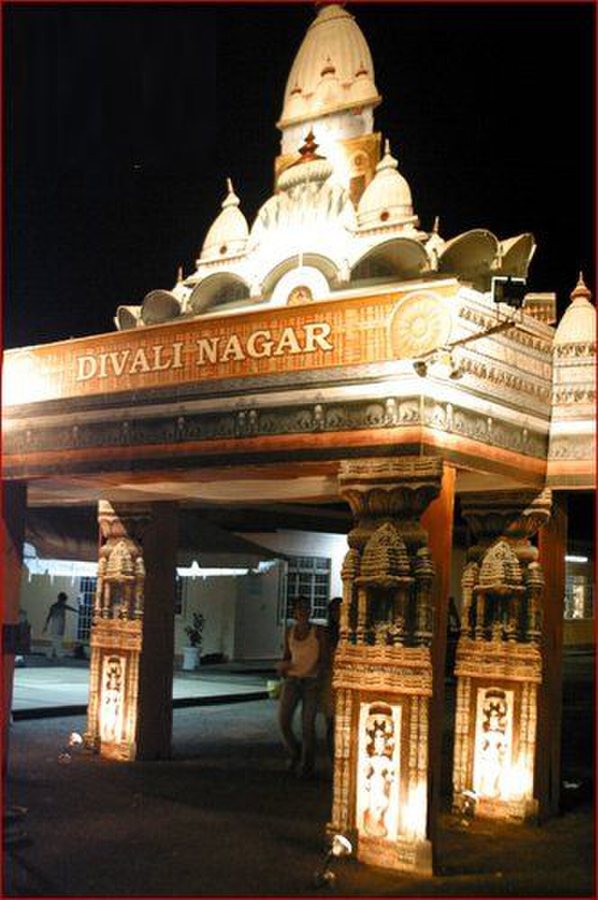
Divalinagar
Divalinagar
Diwali Festival
Diwali Festival
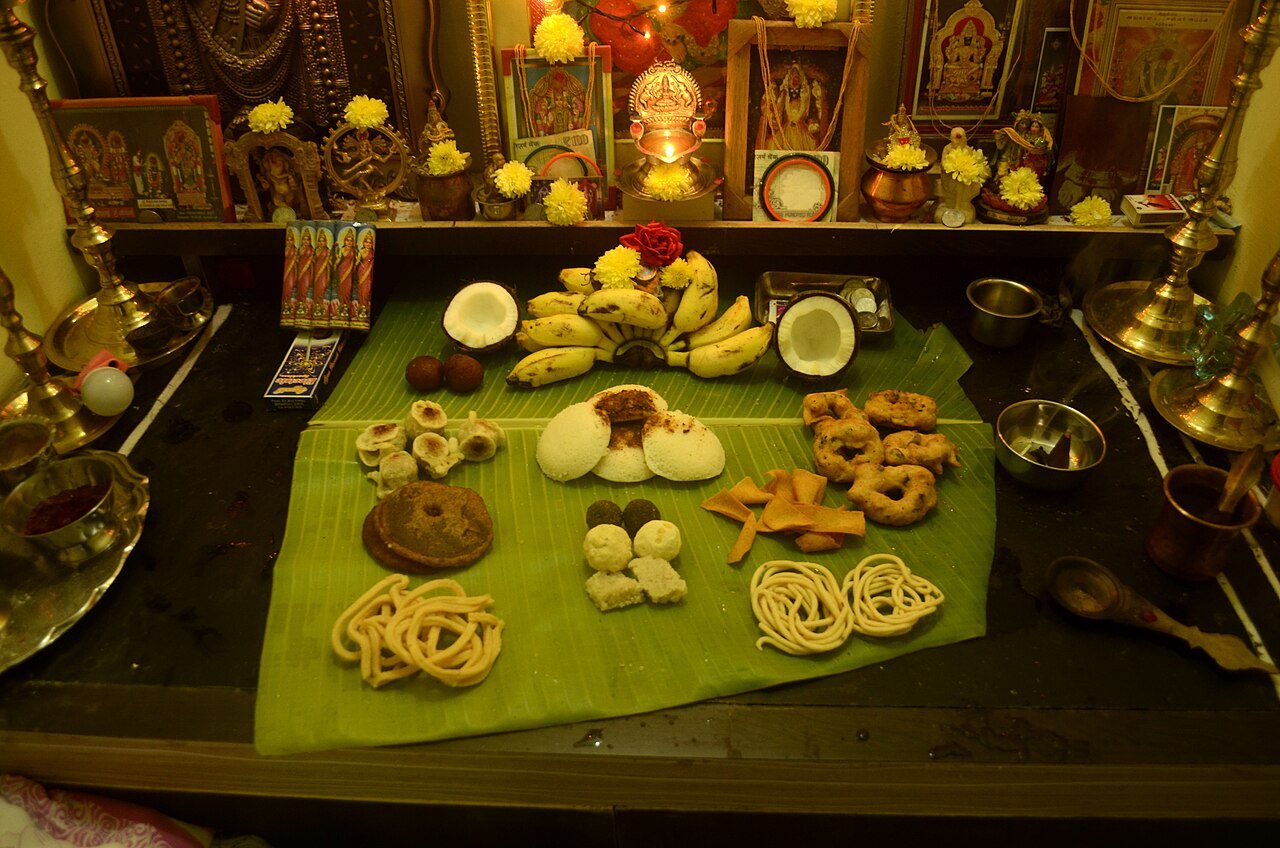
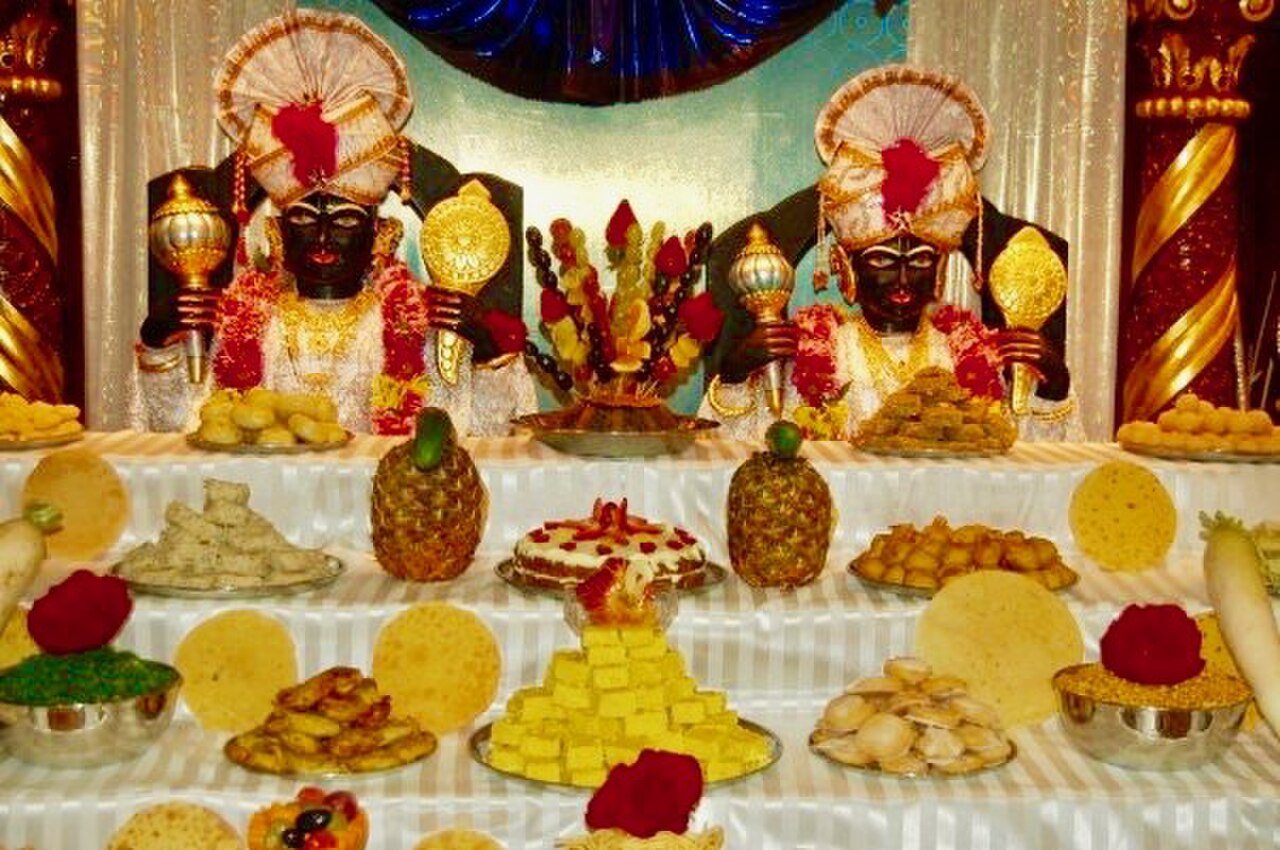
Diwali offerings to a god in Tamil Nadu
Diwali in Karnal
Diwali in Karnal
Diwali celebrations include puja (prayers) to Lakshmi and Ganesha, Lakshmi of the Vaishnavism tradition and Ganesha of the Shaivism tradition of Hinduism
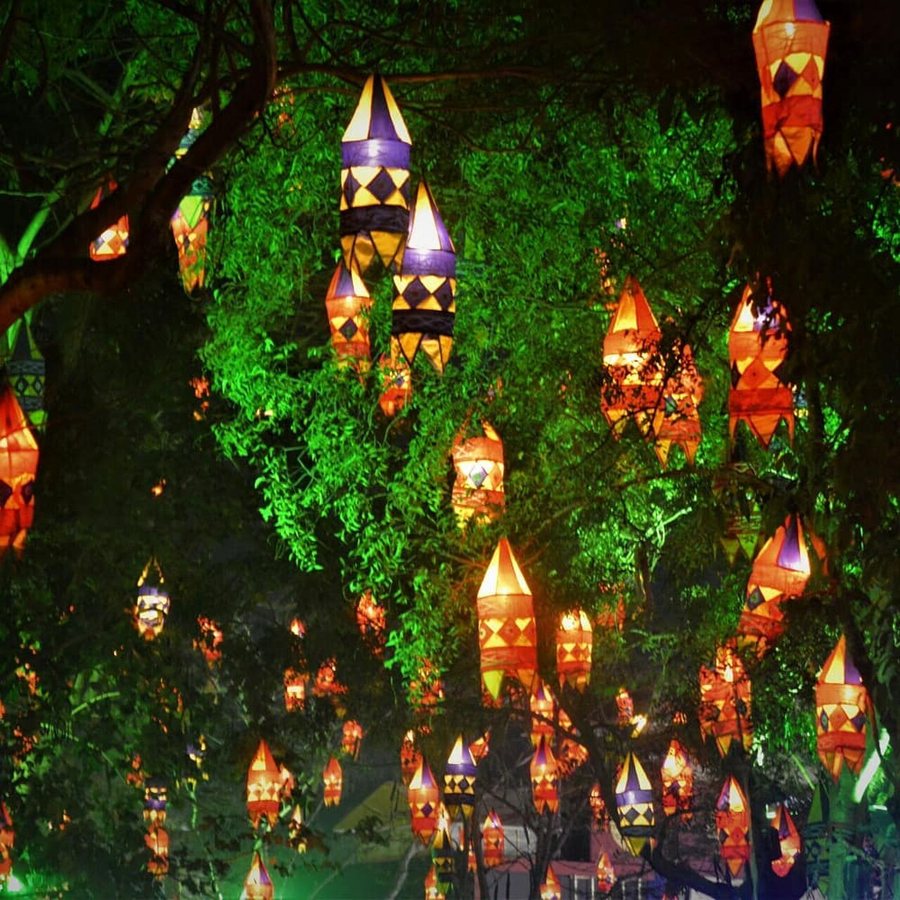
Chandua lanterns on display for Diwali
9 images

During the festival, people light diyas, candles and lanterns in homes, temples and workplaces, and decorate floors with rangoli designs. Hindus traditionally take a ritual oil bath at dawn on each day of the festival. Families exchange sweets and greetings, and communities hold parades, fairs and music performances. The festival is also a time for remembering ancestors and for families to reunite.

Historical records
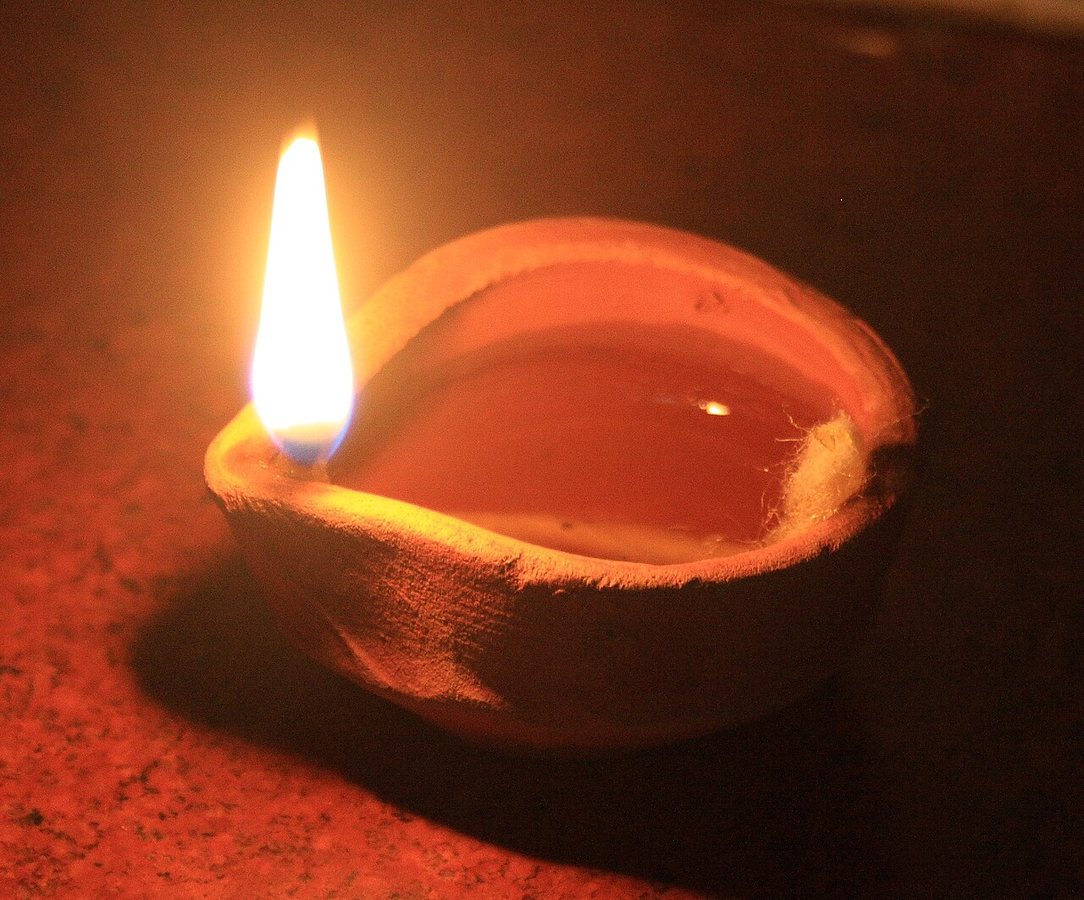
Dhanteras starts the Diwali celebrations with rows of diya or panati lamps, house cleaning and floor rangoli
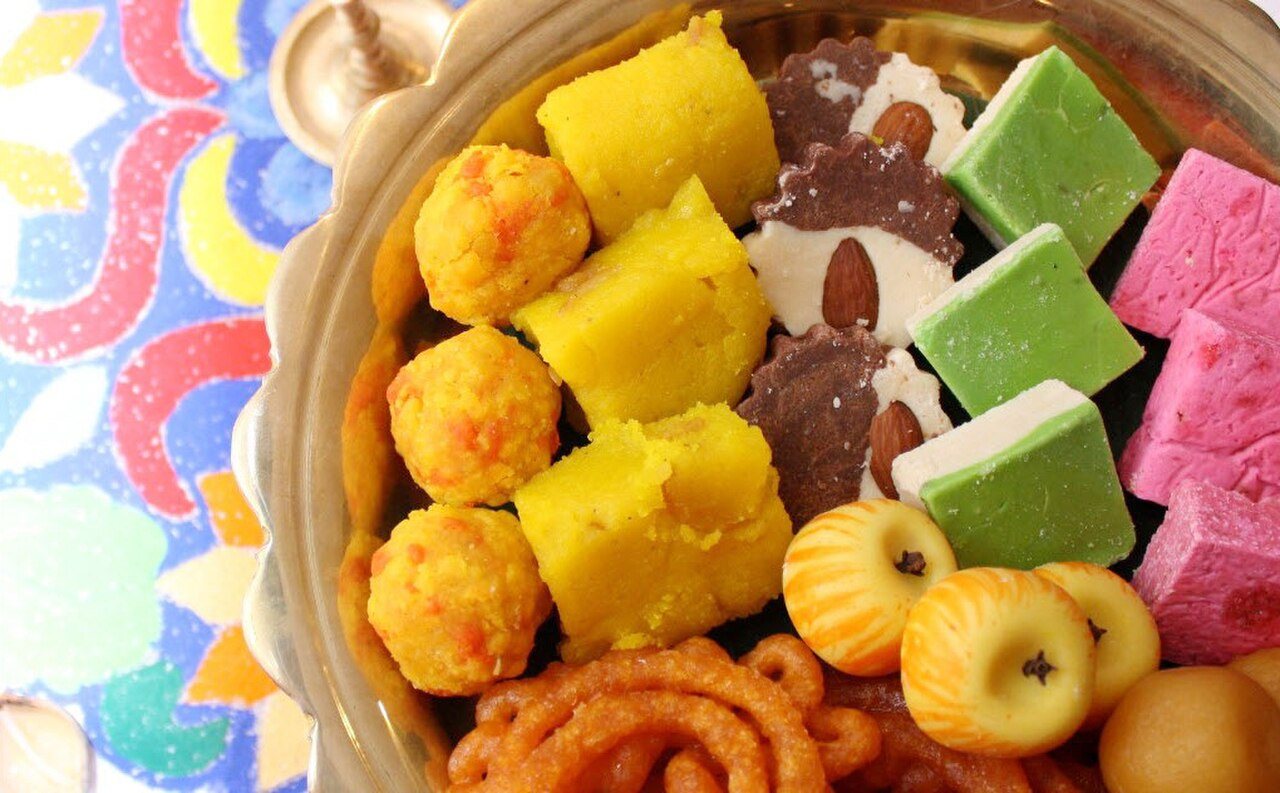
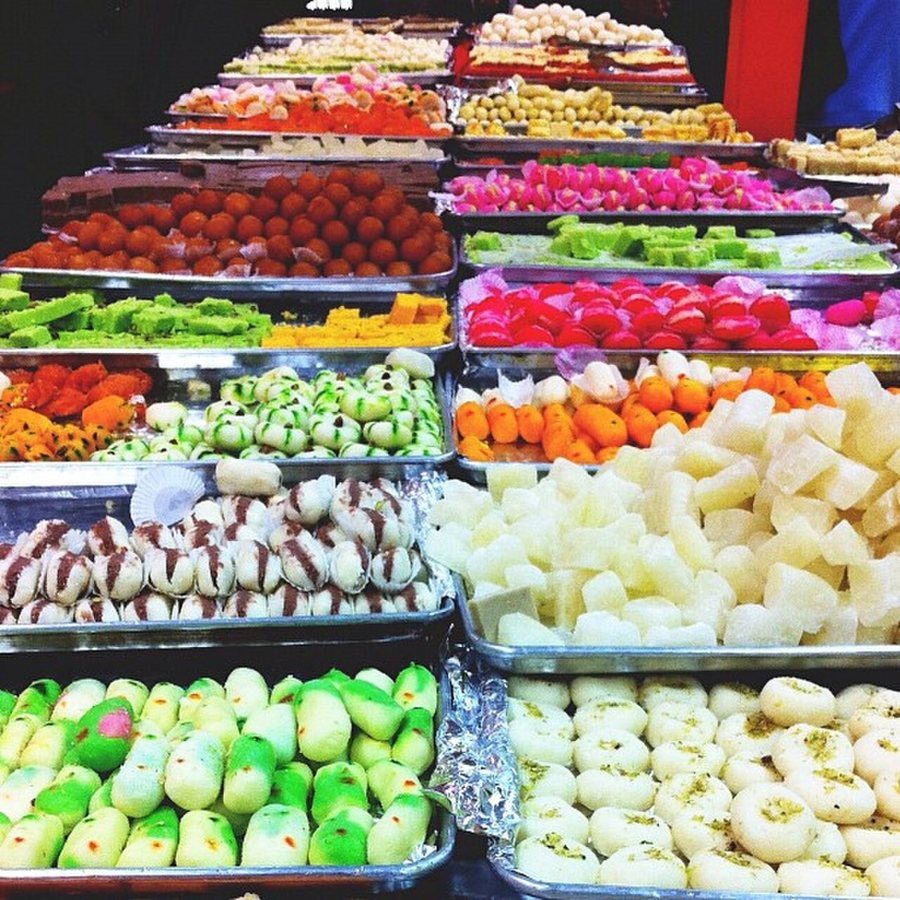
Diwali food and celebrations in Sri Lanka
Hindu diet, meal setting at a festival
A sparkling firecracker, commonly known as Kit Kat in India
A woman lighting candles for Diwali, as people light candles and clay lamps in their homes and at temples on Diwali night
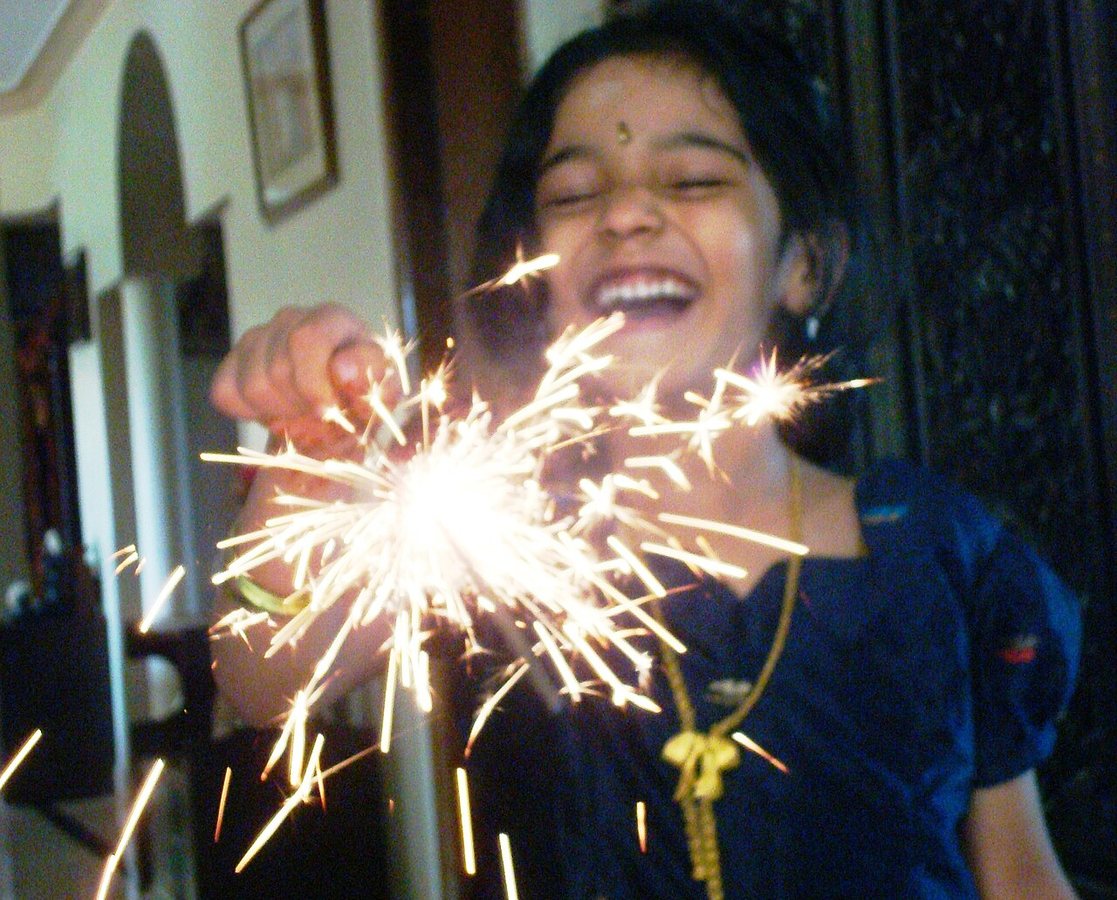
A child playing with fuljhadi sparklers during Diwali
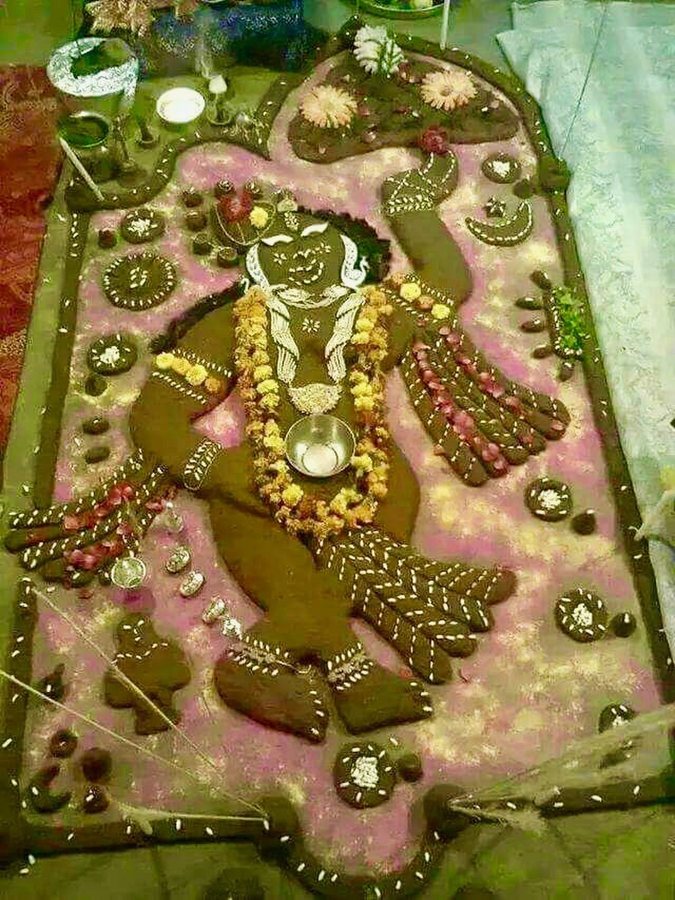
Annakut offerings
Annakut offerings
Lord Krishna holding up Govardhan hill on the finger of his left hand
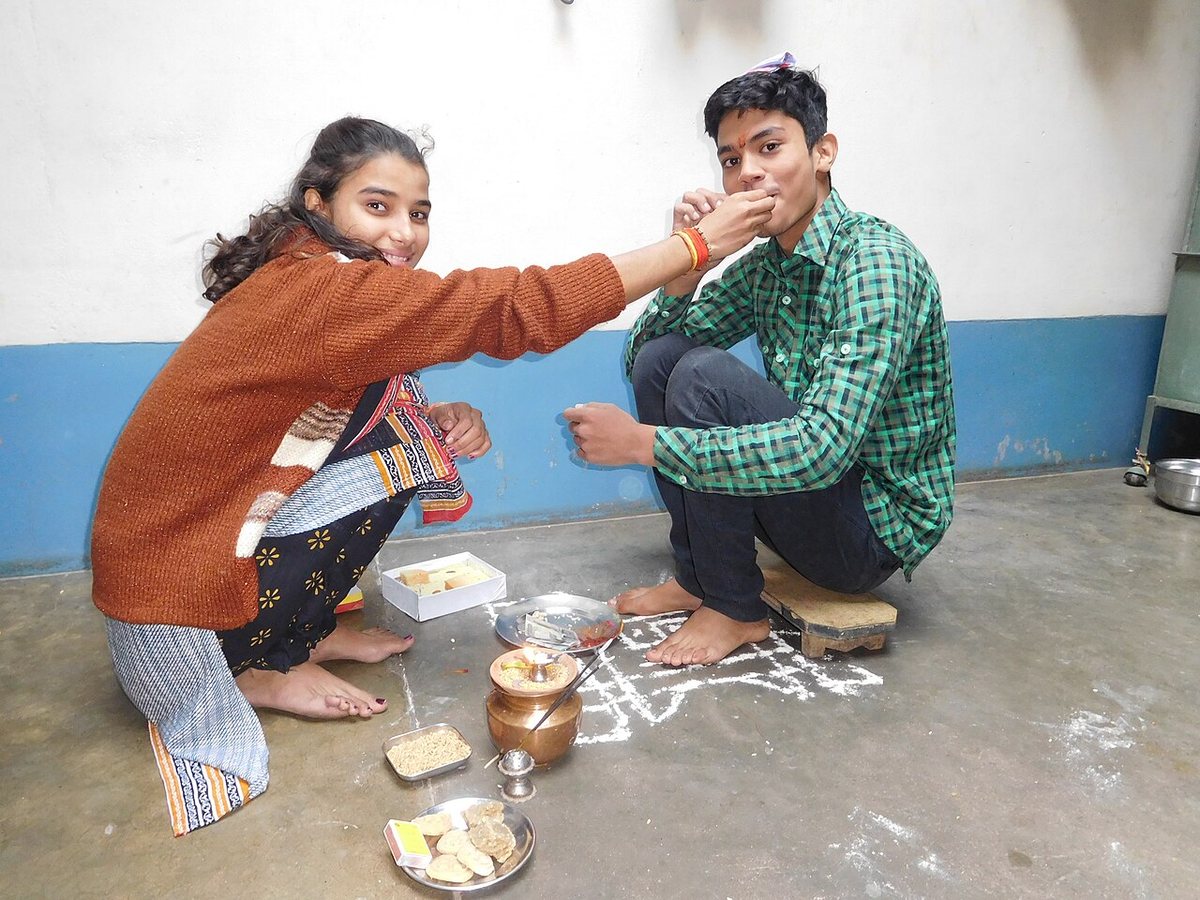
A sister ritually feeding her brother on Bhai Duj, Diwali
9 images

The festival is mentioned in early Sanskrit texts and was described by travellers and historians from outside India over many centuries. Accounts from the medieval and early modern periods describe lamps lit on temples and homes, new clothing, singing, dancing and feasting. Several Mughal rulers took different positions, with some taking part in the festivities and others banning them.

In 100 languages

Редакція Factograf · Published October 14, 2026 · Partly based on Wikipedia, CC BY-SA 4.0 · Source article