
William Wilberforce was a British politician and philanthropist who became a central figure in the movement to end the Atlantic slave trade. Born in 1759 in Hull, he served as an independent Member of Parliament for Yorkshire for many years. Following a religious conversion in 1785, he embraced evangelical Anglicanism, which redirected his political efforts toward moral reform. His lifelong commitment to abolitionism eventually contributed to the passage of legislation that ended slavery throughout much of the British Empire.
Political and social work
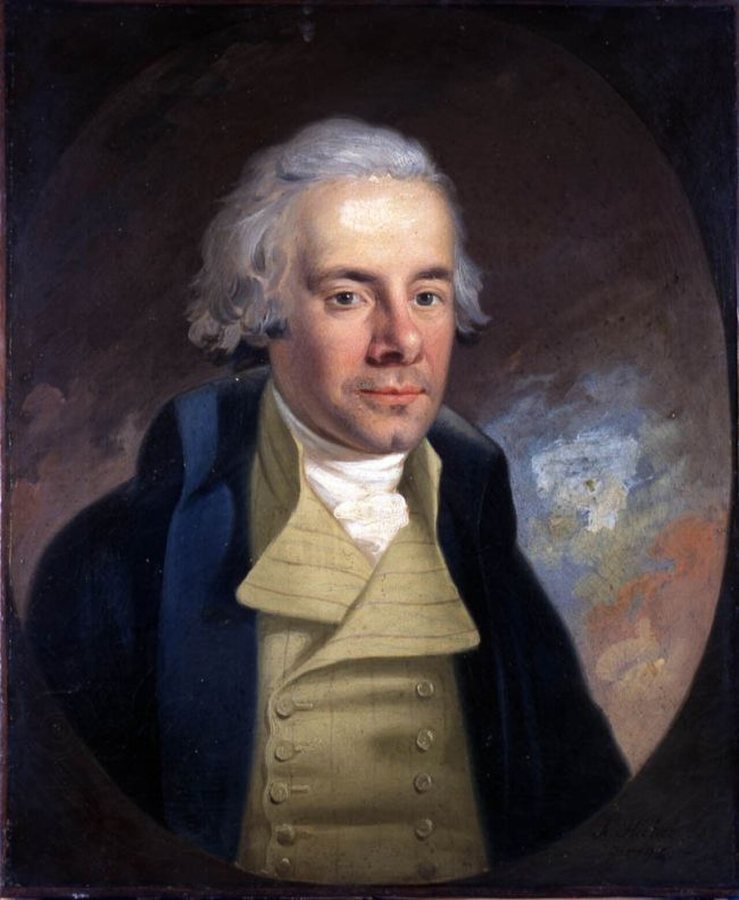

After meeting several activists in 1787, Wilberforce dedicated himself to parliamentary campaigns against the slave trade, leading the effort for two decades until the 1807 Act. He also promoted various charitable causes, including missionary work in India, the prevention of animal cruelty, and the establishment of the Church Mission Society. While he championed international abolition, his conservative views and support for certain repressive laws sometimes drew criticism regarding domestic social issues.
Later life and death


In his final years, he continued to advocate for the total removal of slavery. Although his health forced him to resign from Parliament in 1826, he remained active in the cause. He died in London in 1833, shortly after learning that the Slavery Abolition Act had been secured in Parliament. He is interred in Westminster Abbey.