factograf
EN
Sign in

general dislike of humanity

Misanthropy

Misanthropy

Misanthropy is a general hatred, dislike, or distrust of the human species, human behavior, or human nature. A person who holds such views is called a misanthrope. The attitude is a negative evaluation of humanity as a whole, based on humankind's flaws, and misanthropes hold that these flaws characterize all or most human beings and cannot easily be corrected without a complete transformation of the dominant way of life.

Forms and scope

Engraving depicting the play Le Misanthrope by Molière
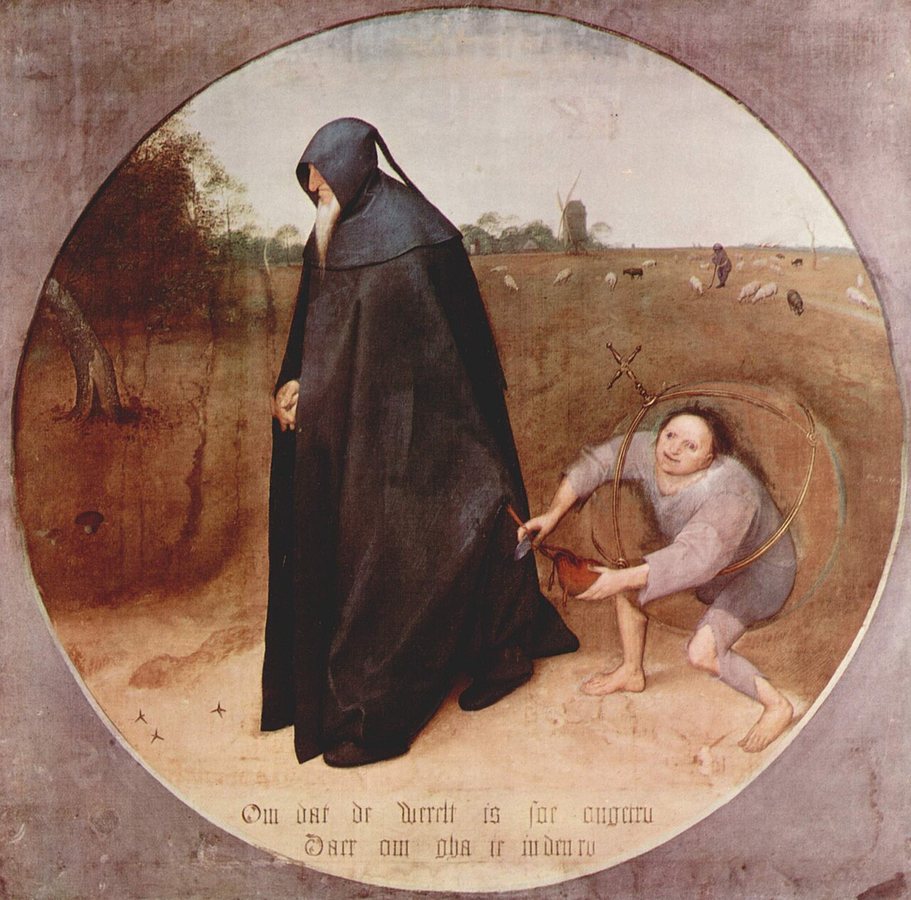
Misanthropy is often associated with avoiding social contact, as portrayed in The Misanthrope by Pieter Bruegel the Elder.
Moral flaws of humans are shown in harm done by humans to other humans, such as the mass killings during the Holocaust.
Misanthropes often focus on large-scale harm done by humans to animals, as in factory farming.
4 images

Scholars distinguish several types of misanthropy according to the attitude involved, how it is expressed, and who is targeted. The attitude may rest on emotion or on theoretical judgment, and it may include the misanthrope or exclude a few admired people. Some misanthropes condemn themselves, while others consider themselves superior. Expressions range from a destructive wish to harm others or to withdraw from society, to activism aimed at improving humanity, to resigned quietism and humor that mocks the absurdity of the human condition.

Debate and influence

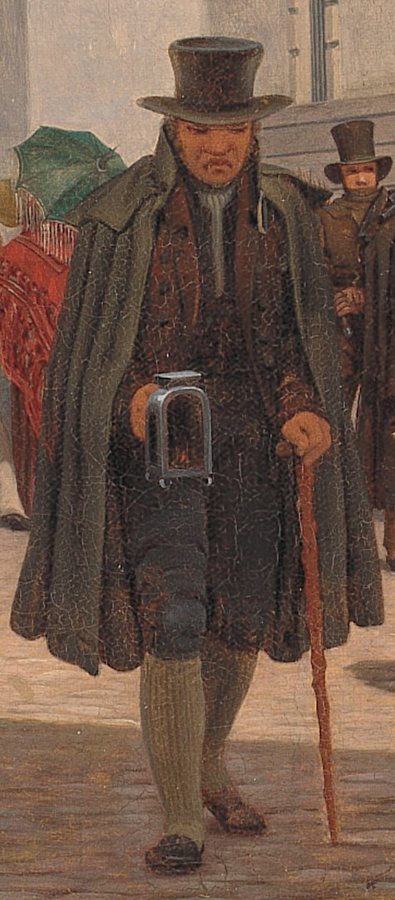
The Cynic philosopher Diogenes had a negative view of the people around him and cared little for social conventions. He walked around with a lamp in broad daylight trying, without success, to find an honest man.
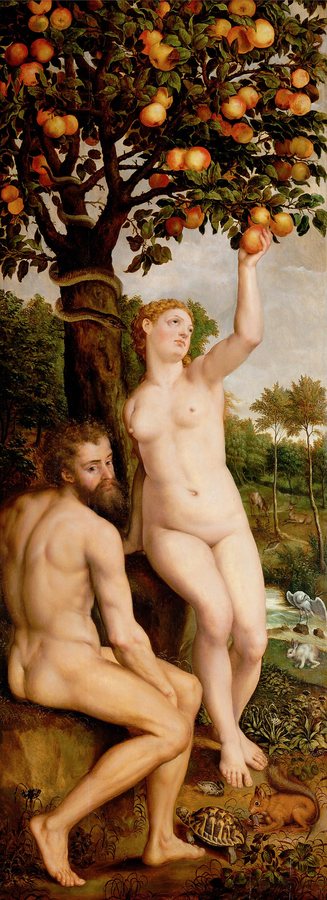
Focus on the sinful nature of human beings is one form of misanthropy. According to Christian doctrine, the original sin of Adam and Eve came when they ate from the forbidden tree.
Jonathan Swift is well known for his often explicit declarations of misanthropy.
3 images

Proponents point to moral, intellectual, and aesthetic flaws, such as cruelty, greed, dogmatism, and indifference to suffering, as sufficient reason to condemn humanity. Critics respond that severe flaws belong only to extreme cases and that humans also have virtues. Misanthropy has been discussed by philosophers such as Diogenes, Thomas Hobbes, and Arthur Schopenhauer, appears in some religious teachings, and features in works by William Shakespeare, Molière, and Jonathan Swift.

In 51 languages

Редакція Factograf · Published October 14, 2026 · Partly based on Wikipedia, CC BY-SA 4.0 · Source article