factograf
EN
Sign in

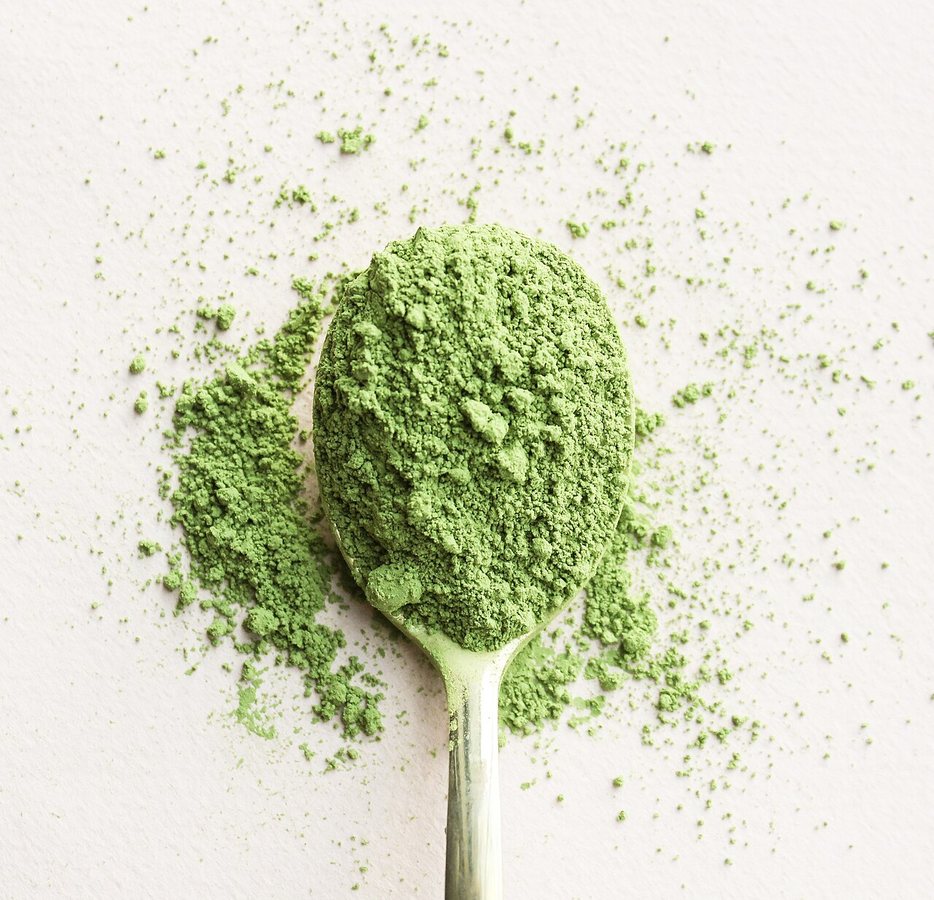
finely powdered green tea

Matcha

Matcha

Matcha is a finely ground powder of green tea made from shade-grown tea leaves. Shading gives it a bright green color and a strong umami flavor, and it is usually consumed suspended in hot water. Its development reflects cultural exchange between China and Japan, and it is central to the Japanese tea ceremony. Today it is also used to flavor and color foods and drinks.

Origins in China and Japan
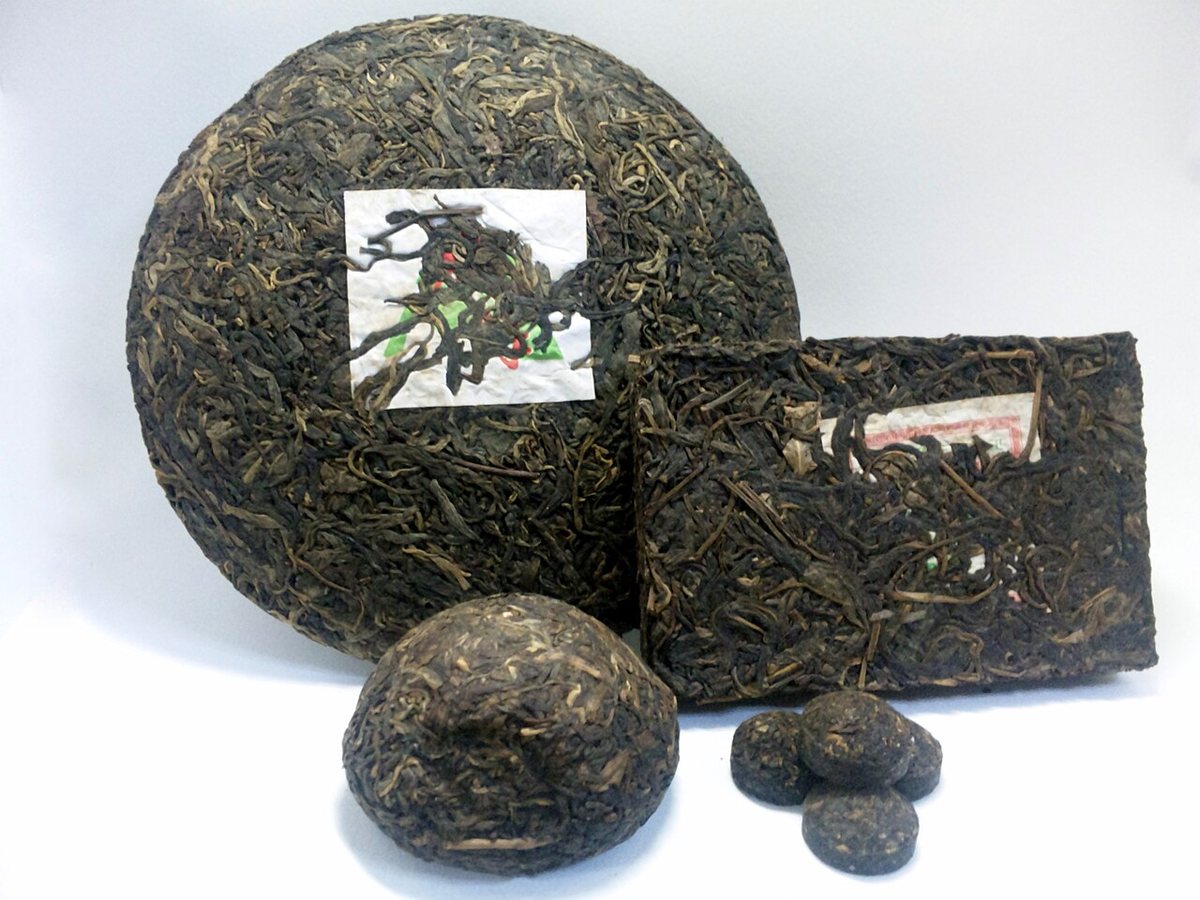
Various types of compressed teas
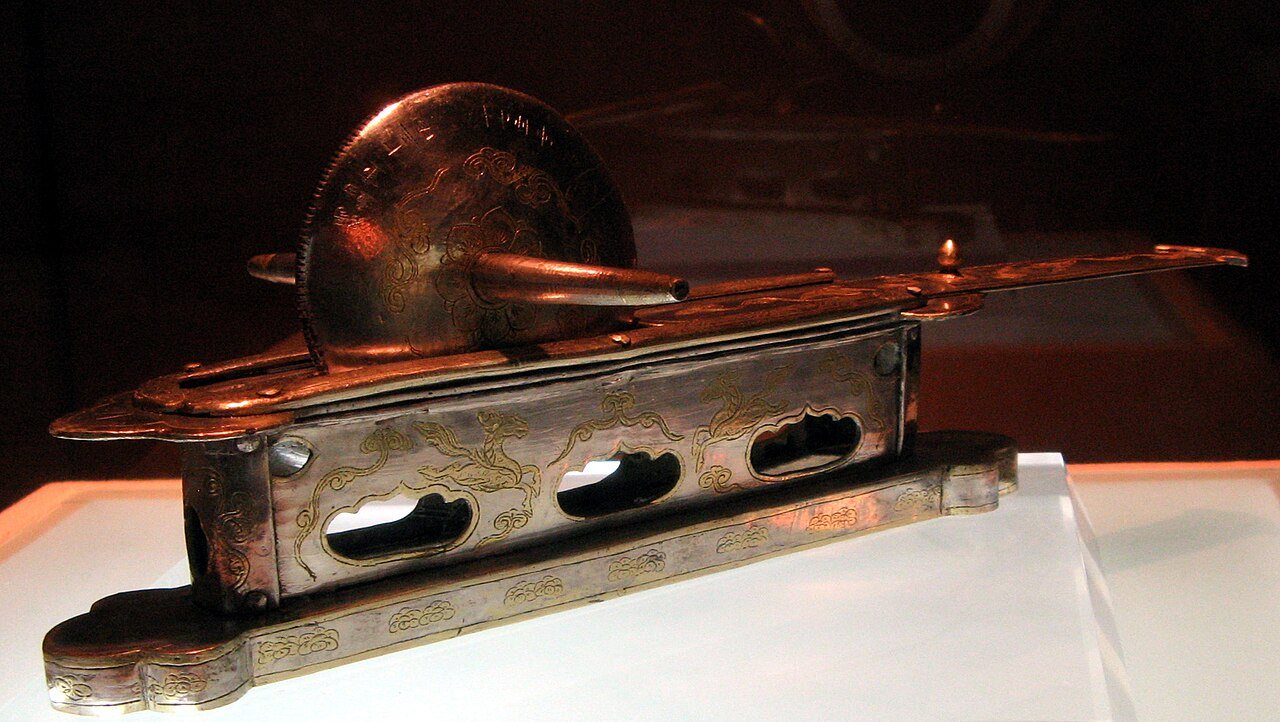
Tea grinder from a tea set preserved in the Famen Temple crypt, Xi'an, China, from the late Tang dynasty, 9th century
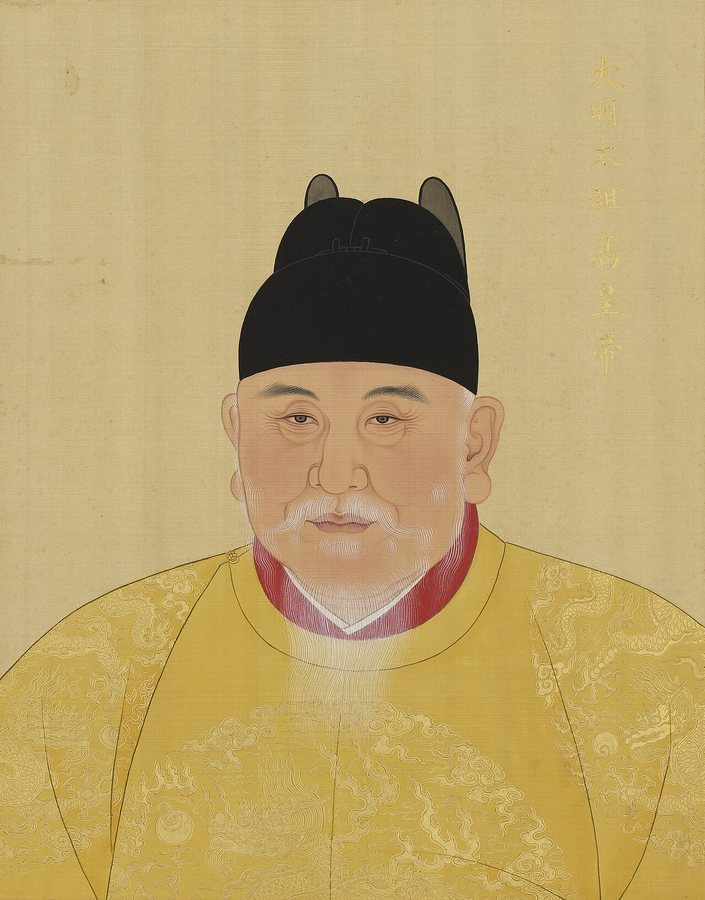
Emperor Zhu Yuanzhang in his old age, c. 1397
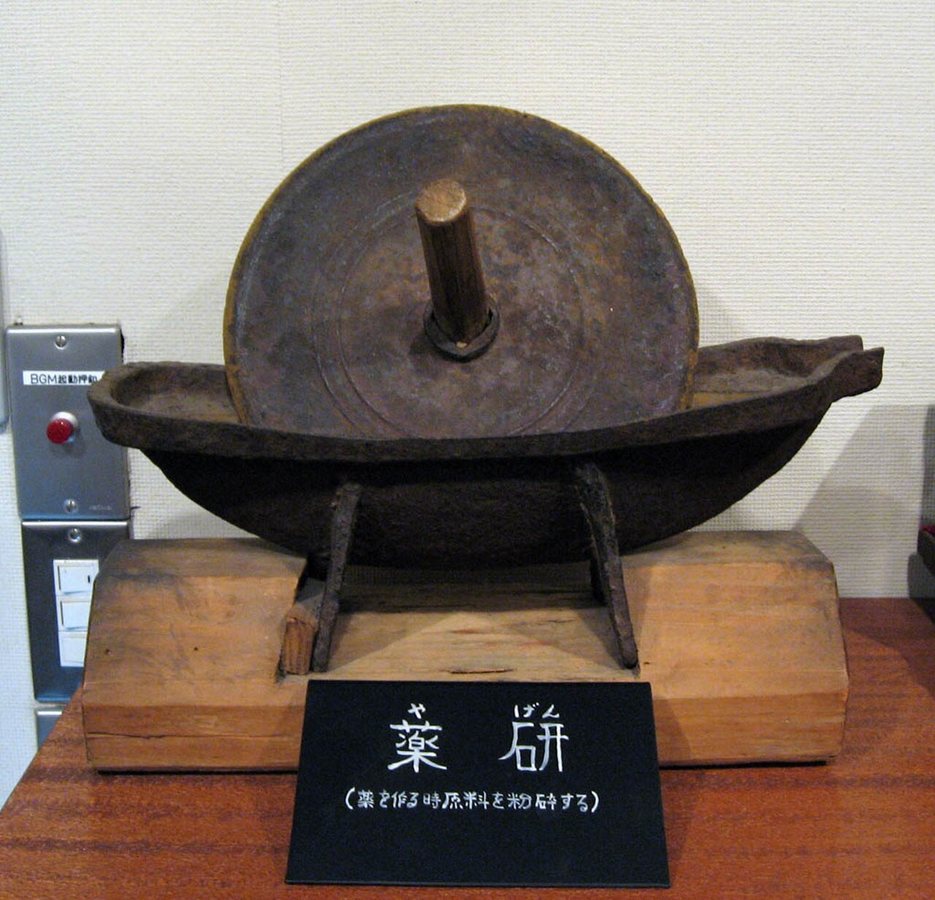
Yagen (medicine grindstone)
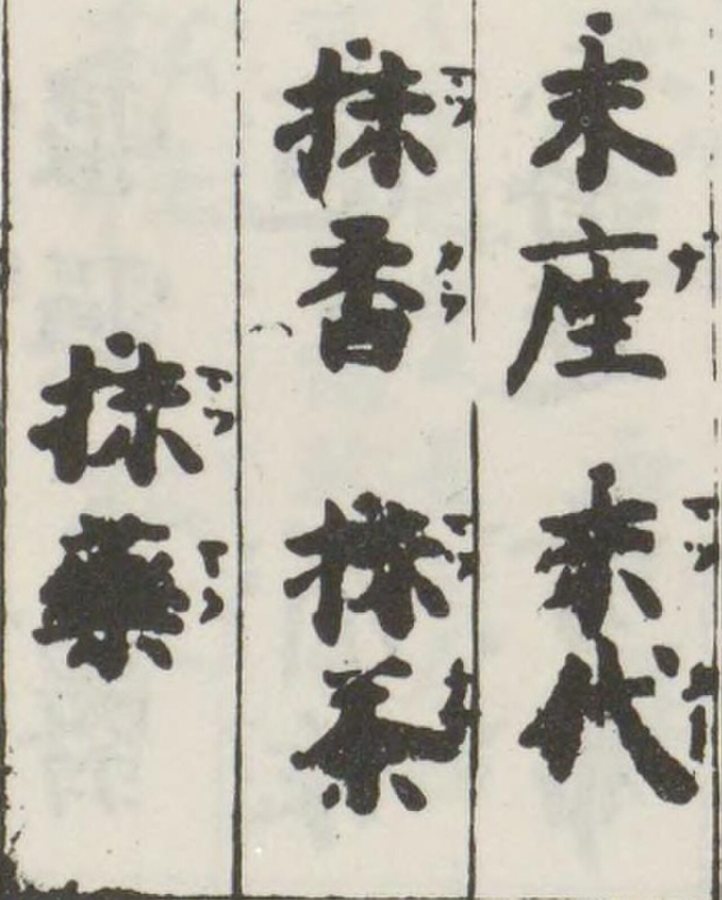
Characters for matcha in the Japanese dictionary Unpo Iroha Shū (1548)
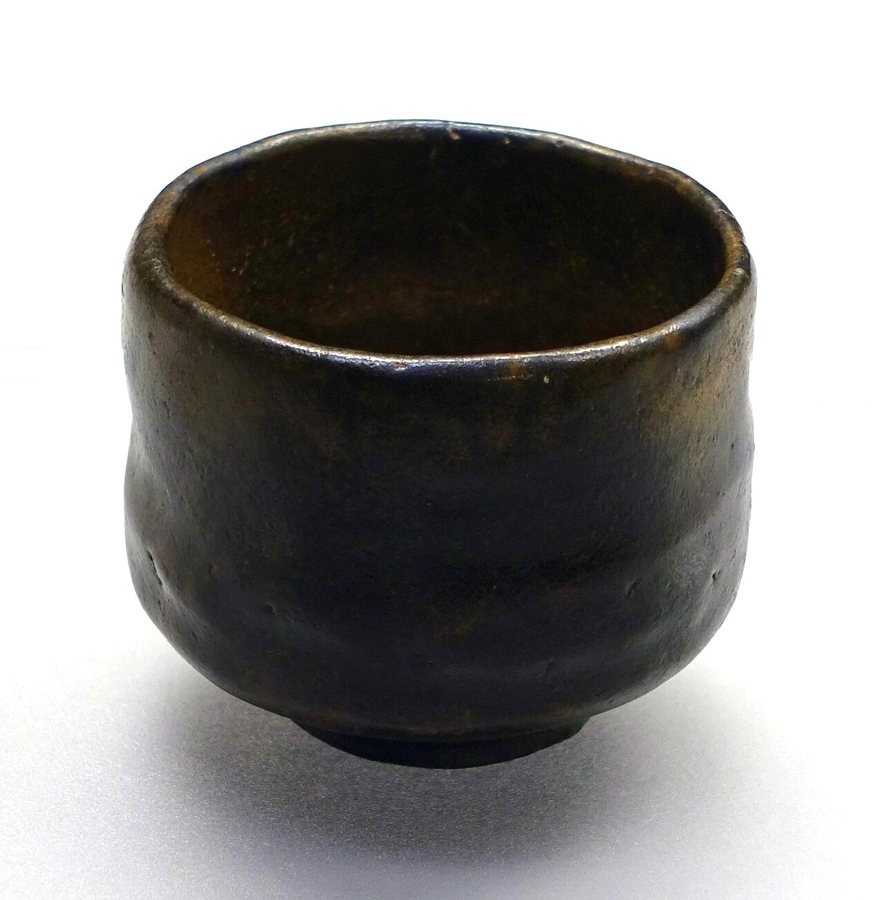
Tea bowl known as Suehiro, made in the studio of Chōjirō
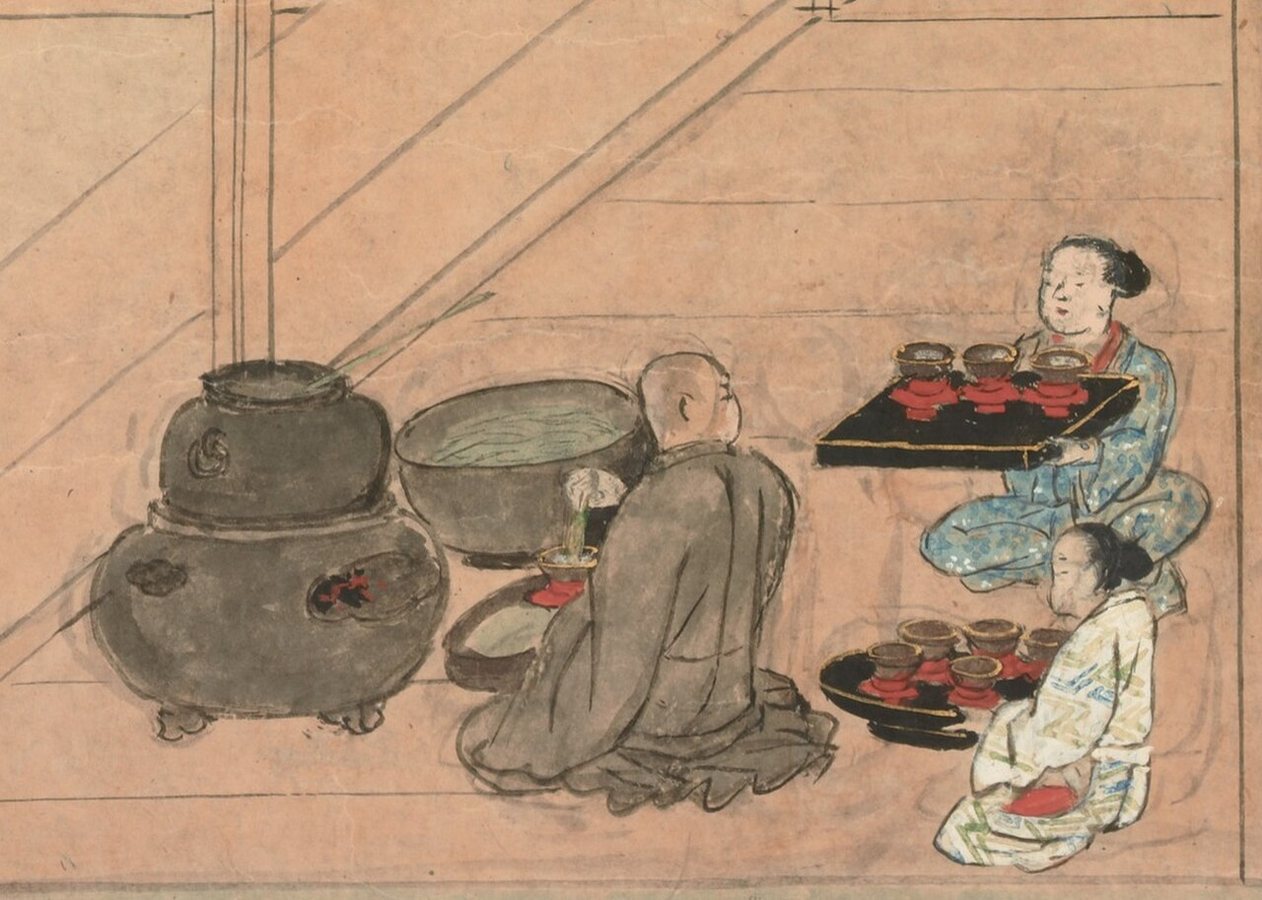
Scene of tea preparation from the Picture Scroll of the Origin of Kiyomizu-dera Temple, 1517
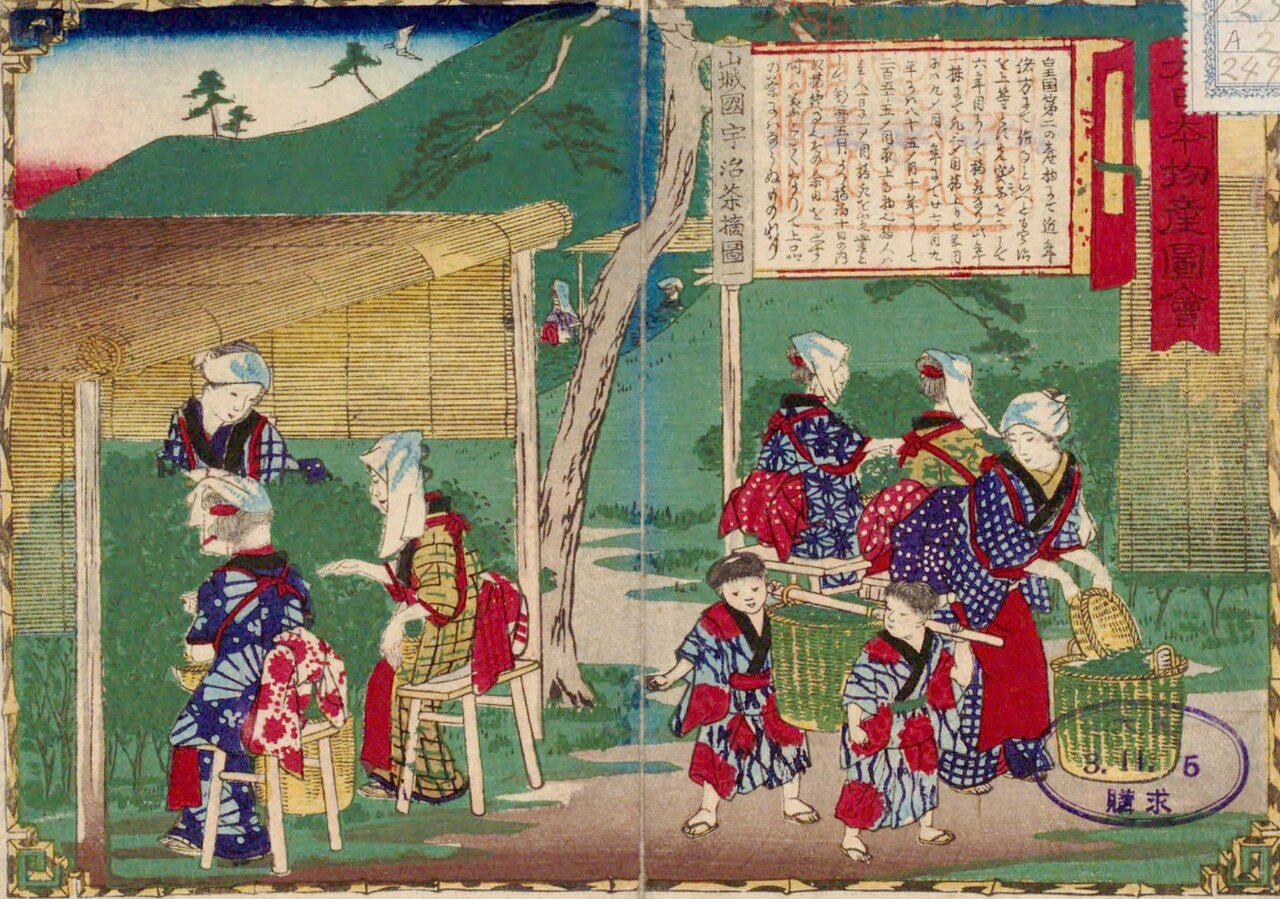
Ukiyo-e print of tea picking in Uji, Kyoto, by Hiroshige III (1842–1894)
8 images

Powdered tea began in China during the Tang dynasty, when tea was roasted, ground and boiled with other ingredients. During the Song dynasty, whisked powdered tea became common, and Zen Buddhist monks carried the practice to Japan, where Eisai introduced it around 1191. Japanese developments later produced the form known today as matcha, even as the practice declined in China.

Shading and modern production
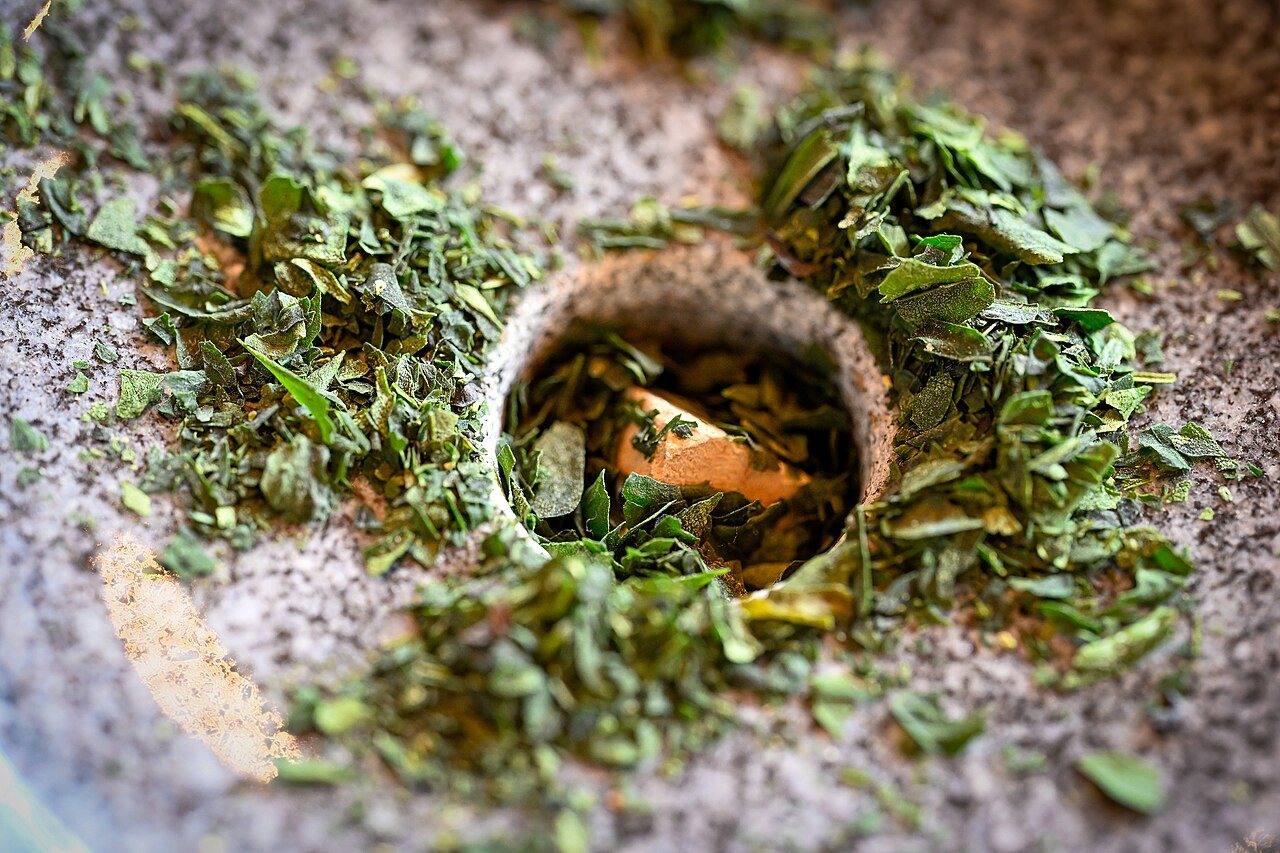
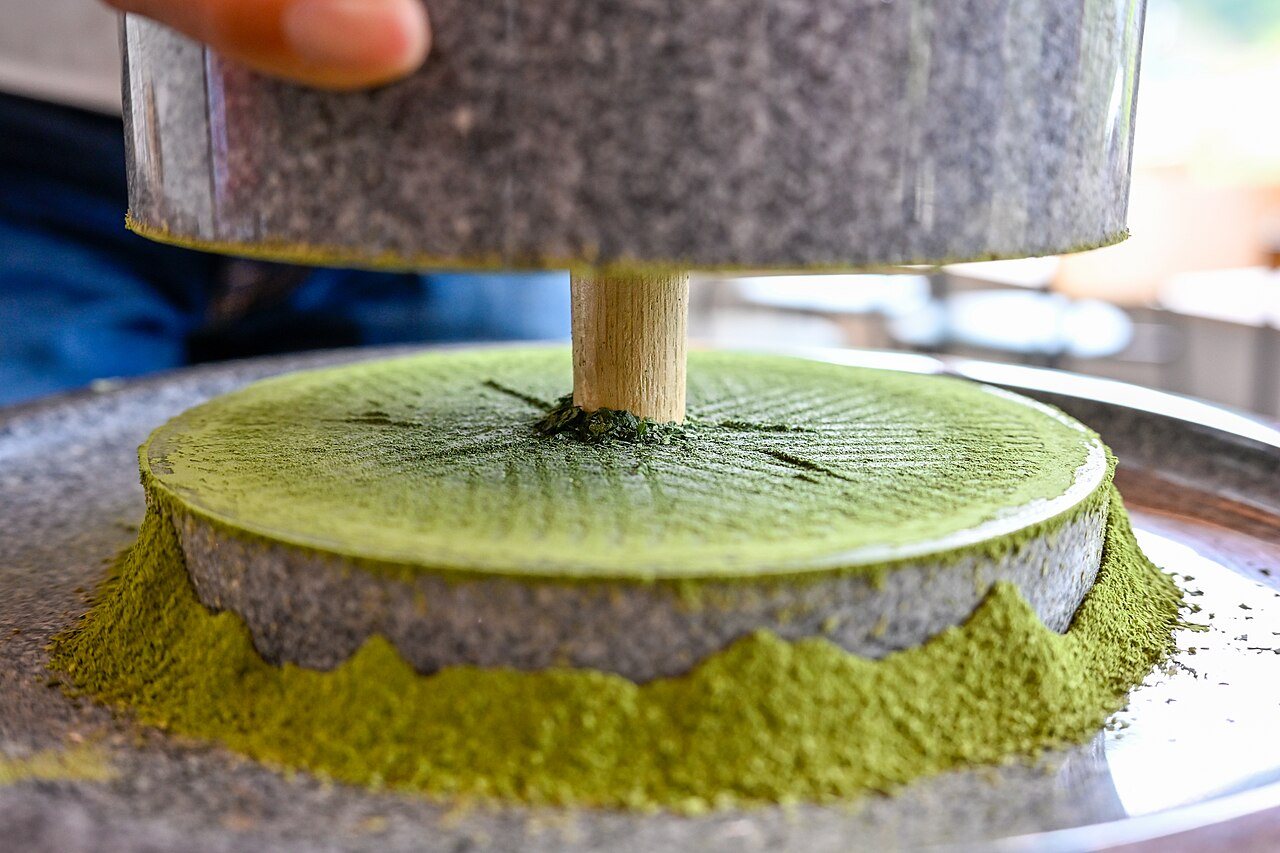
Tencha on a traditional stone mill in Uji, Japan
Matcha stone mill grinding tencha into powder
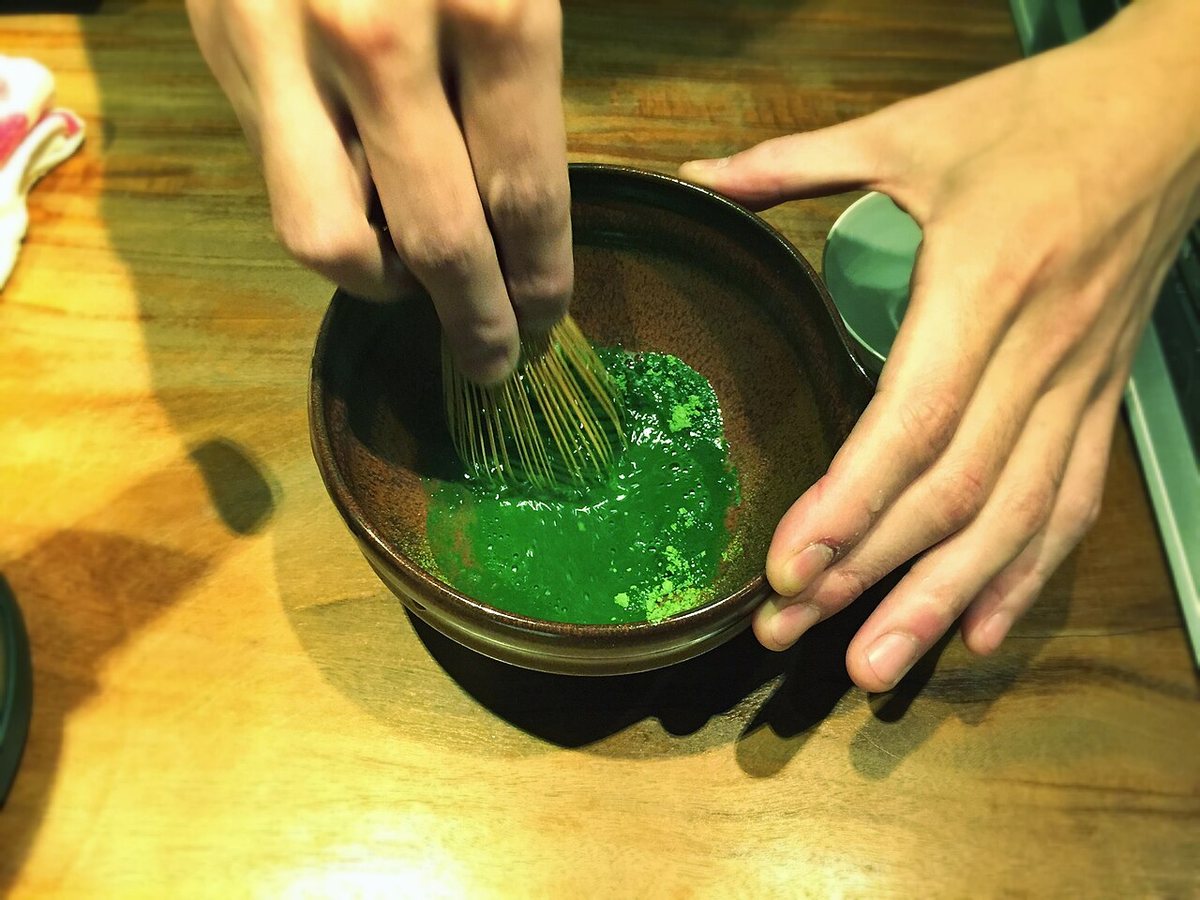
Koicha stirred with a chasen in a chawan
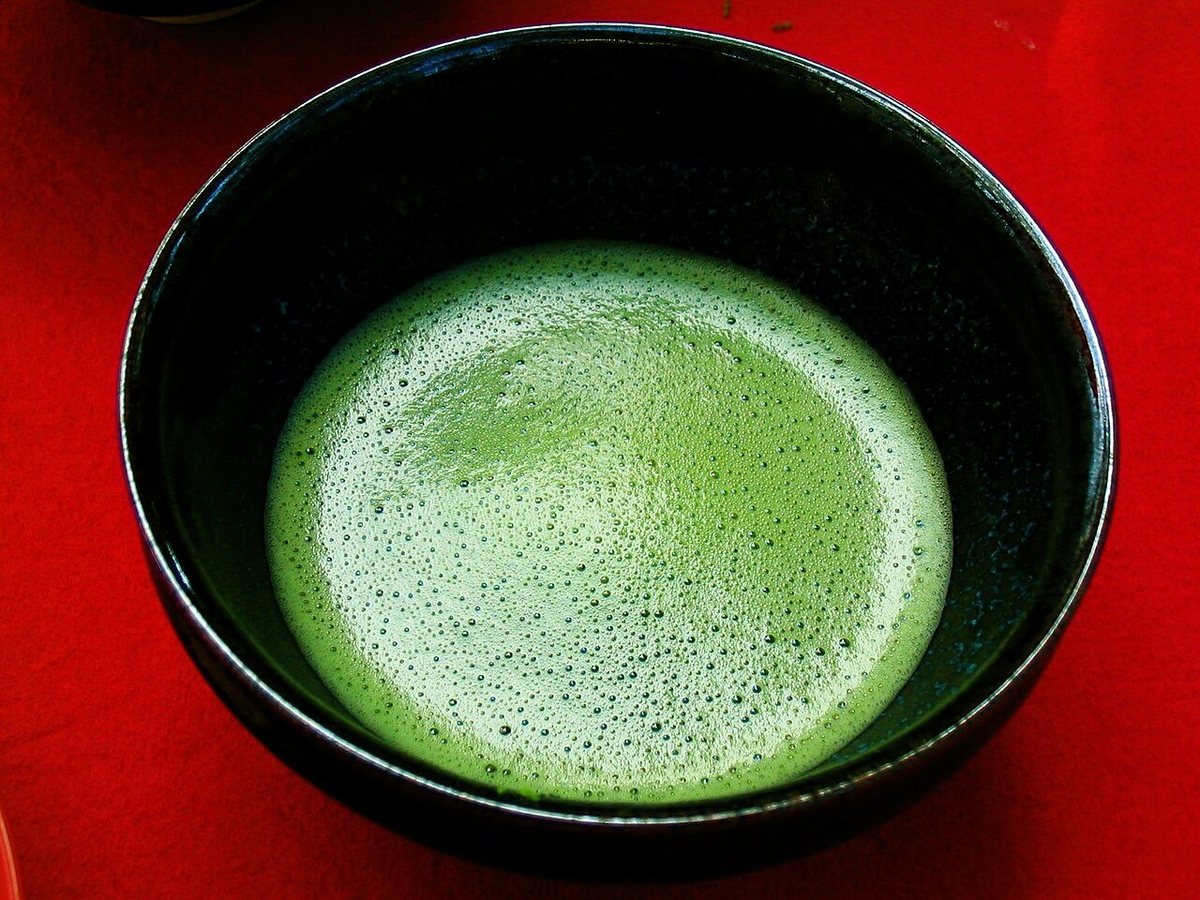
Usucha
Usucha
Tea bowl from the Aichi Prefectural Ceramic Museum, 2018
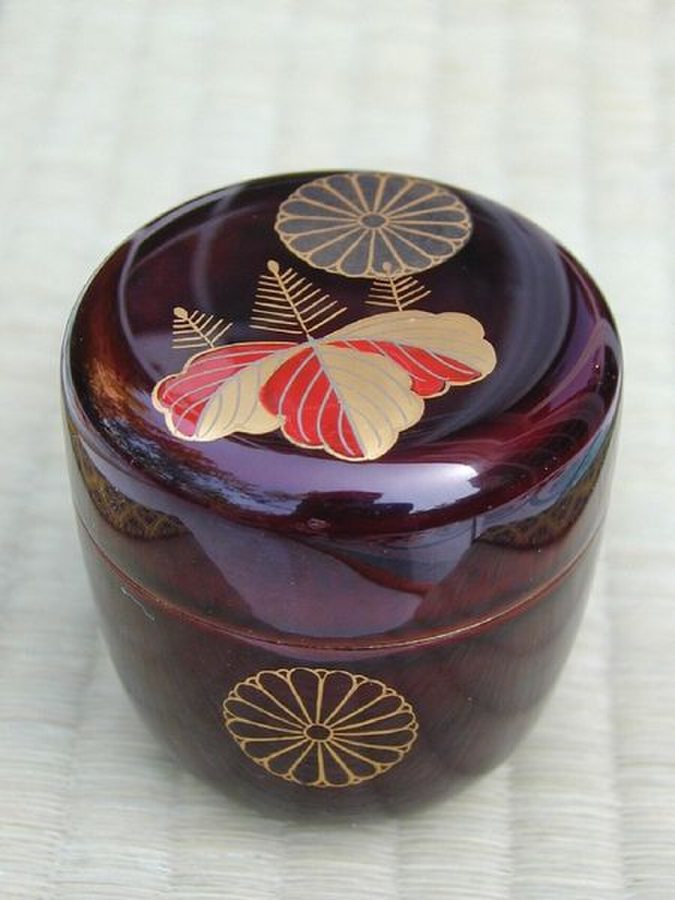
Natsume tea caddy
Natsume tea caddy
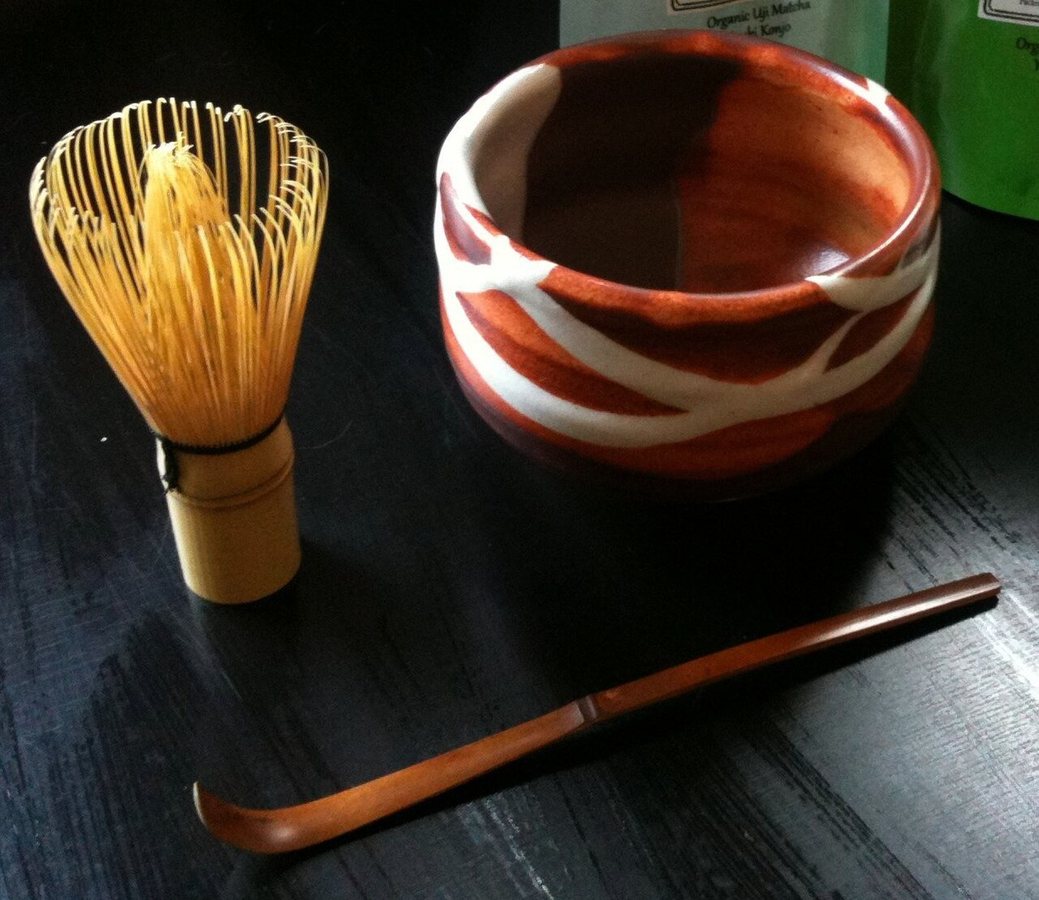
Three-piece matcha set
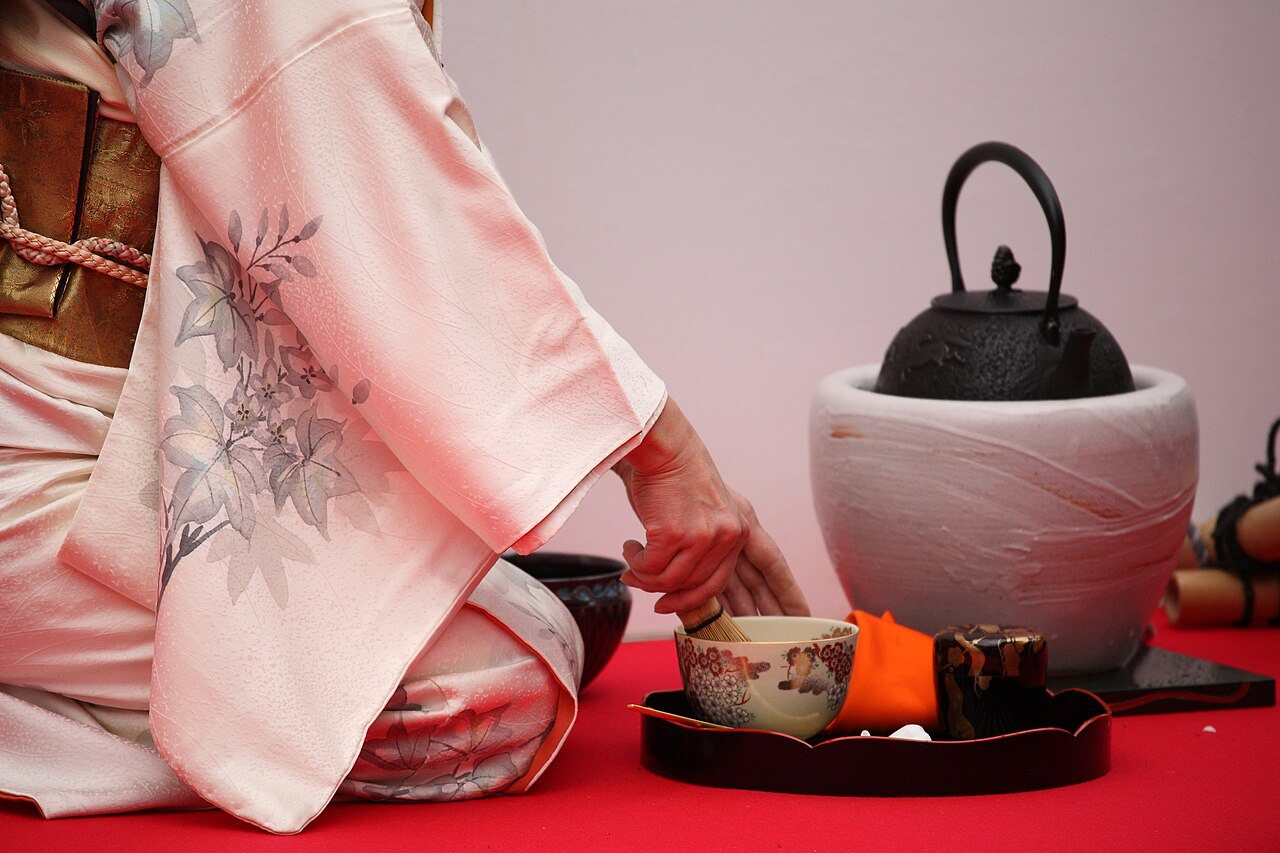
Outdoor tea ceremony
8 images

In the Muromachi period, Japanese farmers developed shading techniques to produce tencha, the leaves ground into matcha. This gave matcha its vivid green color and rich umami flavor. Traditionally made almost entirely in Japan, matcha is now also produced in China and South Korea, where Chinese production has expanded to meet growing global demand.

Uses and definition
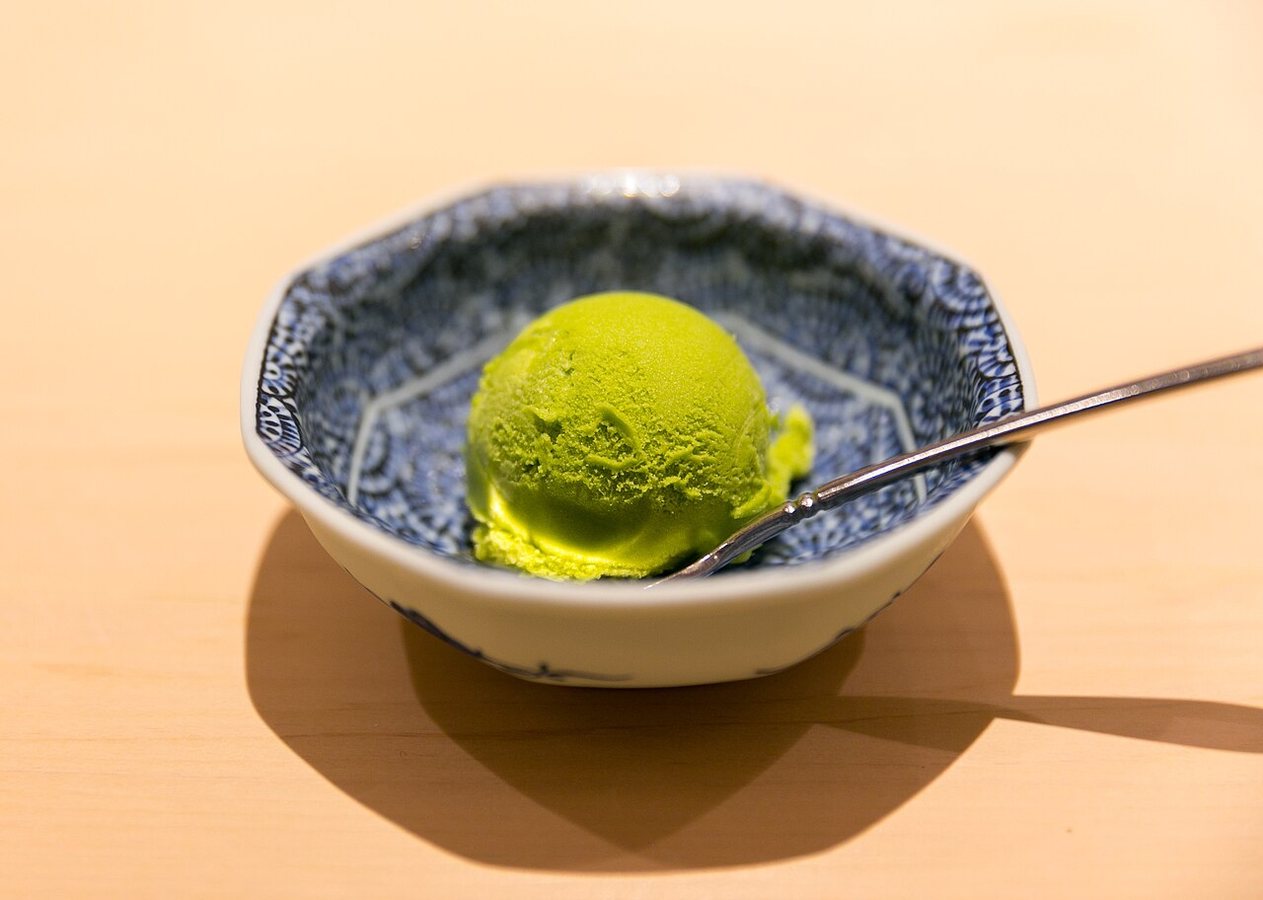
Matcha ice cream
Matcha ice cream
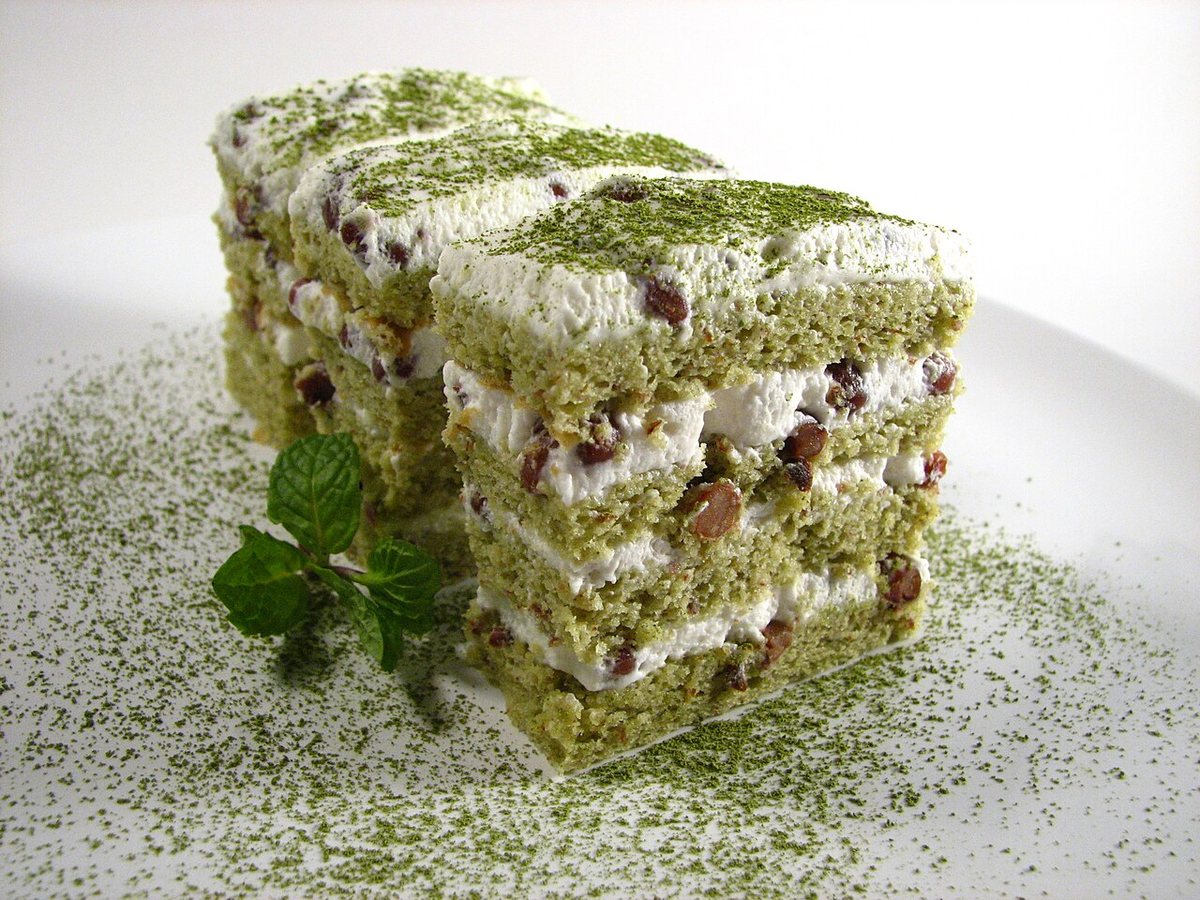
Matcha and red bean cake
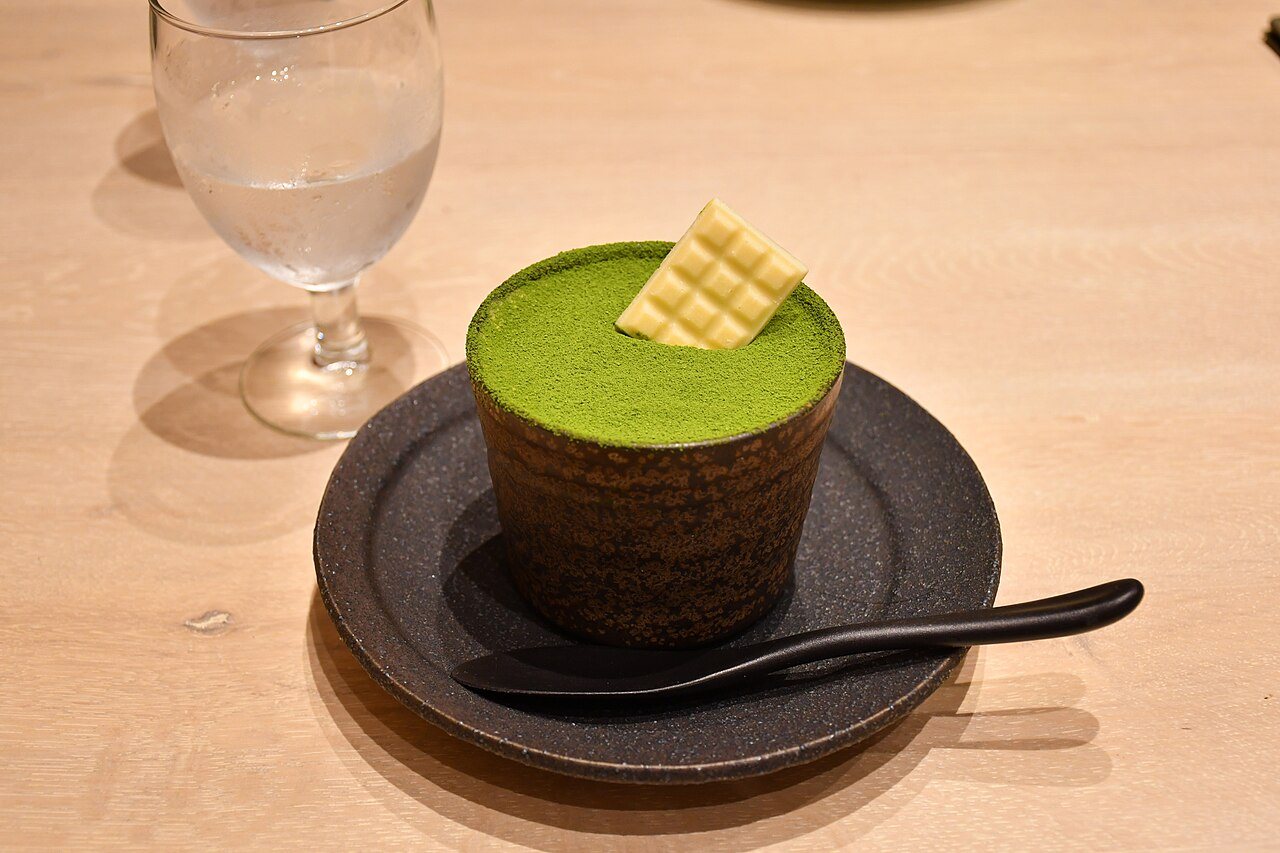
Matcha tiramisu
Matcha tiramisu
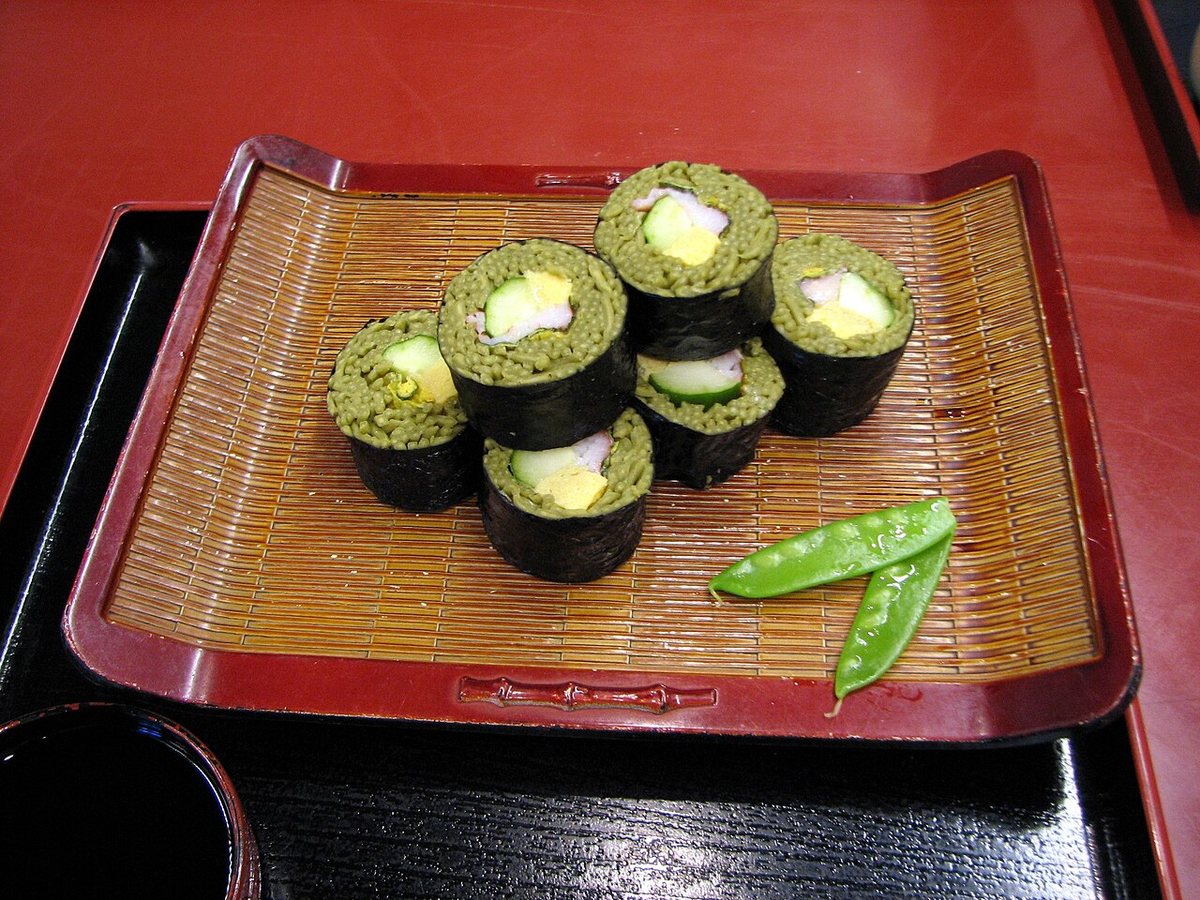
Soba sushi with egg, crab and cucumber
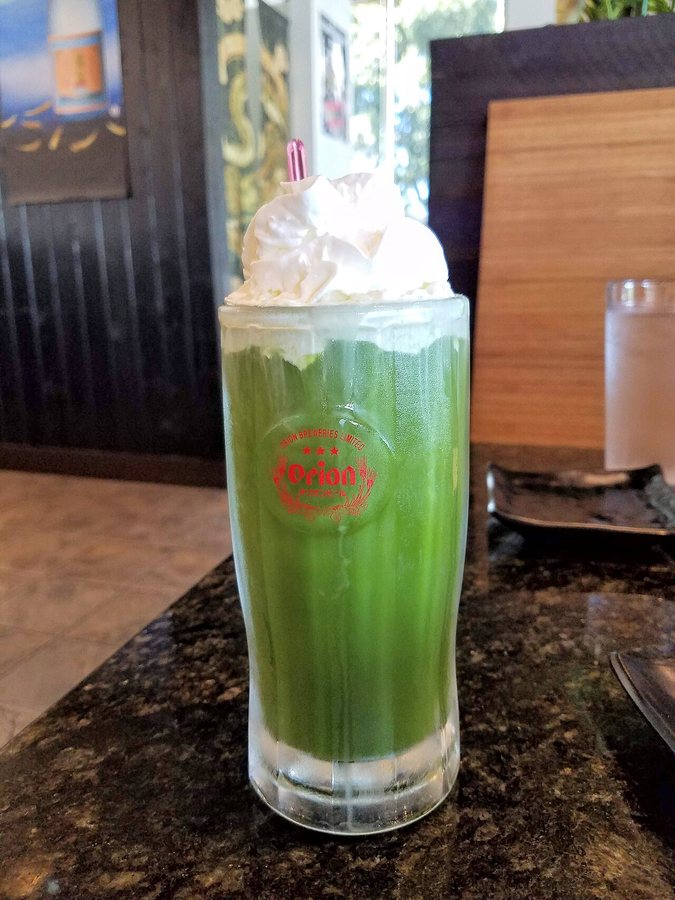
Nitro matcha cold brew, 2019
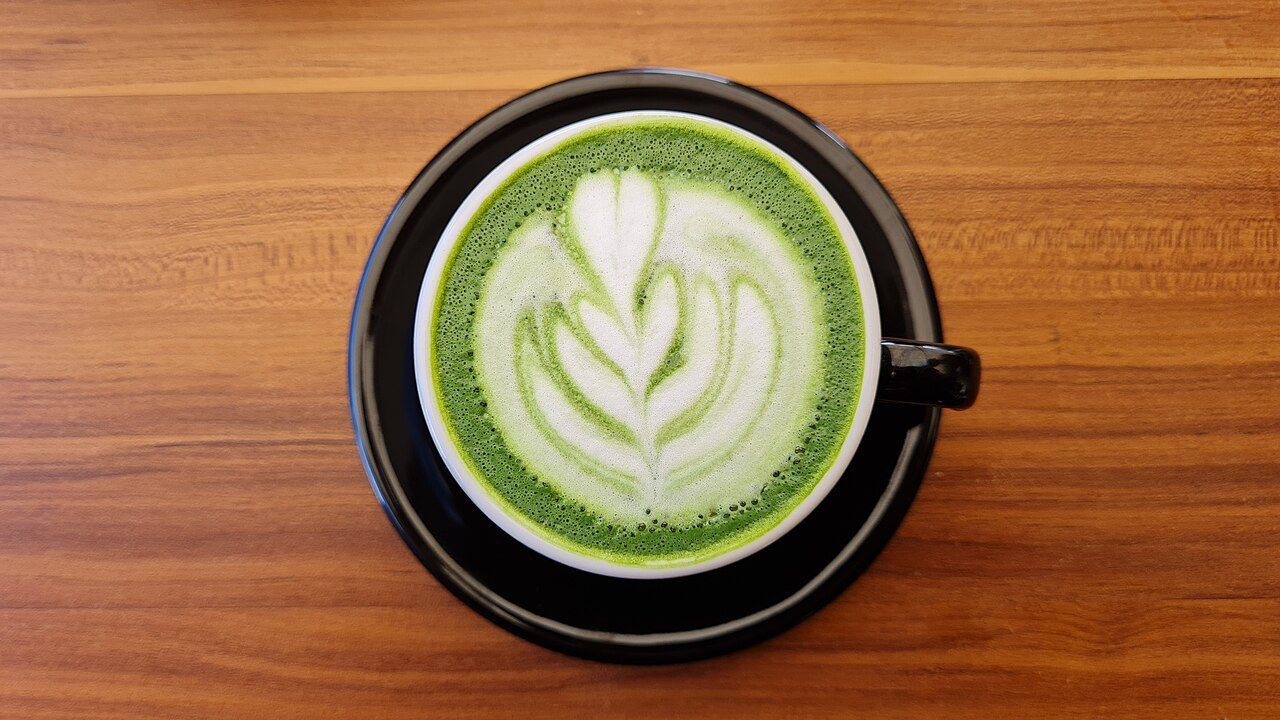
Matcha tea latte with rosetta latte art
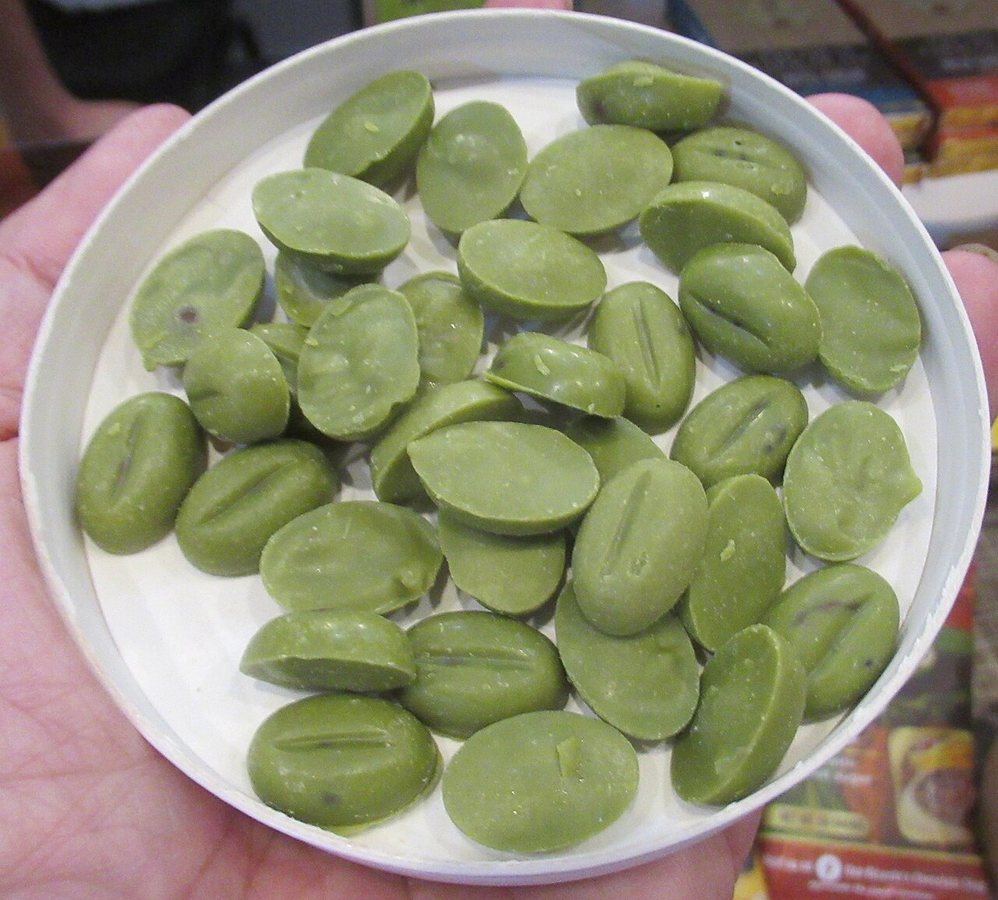
Coffee bean matcha from Sarangani
7 images

Matcha is central to the chanoyu tea ceremony, a meditative practice built around preparing and serving the tea. It also flavors foods such as mochi, soba noodles, ice cream and confectionery. Strict standards define true matcha as shade-grown, steamed, unrolled and finely ground leaf of small-leaf Camellia sinensis, while cheaper powders are sometimes sold under the same name.

In 52 languages

Редакція Factograf · Published October 14, 2026 · Partly based on Wikipedia, CC BY-SA 4.0 · Source article