factograf
EN
Sign in

country in Southeast Asia

Malaysia

Malaysia

Malaysia is a country in Southeast Asia that is a federal constitutional monarchy. It consists of 13 states and three federal territories, divided by the South China Sea into Peninsular Malaysia and East Malaysia on the island of Borneo. Kuala Lumpur is the national capital and largest city, while Putrajaya is the federal administrative capital. With a population of over 34 million, it is the world's 43rd most populous country. The country is tropical, multiethnic and multicultural, and is one of 17 megadiverse countries.

Historical background

Malayan police officers questioning an ethnic Chinese civilian during the Malayan Emergency in 1949
King Ibrahim of Malaysia, August 2025
Anwar Ibrahim, June 2026
Istana Negara, the official residence and office of the King of Malaysia
Perdana Putra, the office of the Prime Minister of Malaysia
Malaysian Prime Minister Anwar Ibrahim, US President Donald Trump, Thai Prime Minister Anutin Charnvirakul and Cambodian Prime Minister Hun Manet after signing the Kuala Lumpur Peace Accord at the 47th ASEAN Summit, 26 October 2025
Sukhoi Su-30MKM of the Royal Malaysian Air Force (RMAF)
Topographic map of Malaysia; Mount Kinabalu is the highest summit in the country
8 images

The country grew out of the Malay kingdoms, which from the 18th century came under British rule. Japan occupied British Malaya during World War II. Malaya was briefly united as the Malayan Union in 1946 before being restructured as the Federation of Malaya, which gained independence on 31 August 1957. In 1963 it joined with North Borneo, Sarawak and Singapore to form Malaysia, and in 1965 Singapore separated to become an independent country.

Government and economy

View towards St. John's Peak before sunrise on Mount Kinabalu, with the distant city lights of Kota Kinabalu visible at far right, Sabah, Borneo
A Malayan tiger in the National Zoo of Malaysia
Some species of Rafflesia can grow up to 1 m (3 ft 3 in) in diameter, making them the largest flowers in the world
North–South Expressway
KLIA MTB and Tower
KLIA MTB and Tower
Population density (persons per km²) in 2010
Dominant religious groups in Malaysia according to the 2020 census: dark green shows Muslim majorities above 50%, light green Muslim pluralities below 50%, and blue Christian majorities above 50%
Distribution of language families in Malaysia, shown by colour: Malayic, Bornean and Aslian
8 images

The government follows the Westminster parliamentary system and the legal system is based on common law. The head of state is an elected monarch chosen from among the nine state rulers every five years, while the prime minister heads the government. The economy was once dominated by agriculture and primary commodities but now relies mainly on services and manufacturing. Malaysia is a founding member of the Association of Southeast Asian Nations and the Organisation of Islamic Cooperation.

Society and culture

Ministry of Education, Putrajaya
A traditional house being built in Sabah
A craftsman making batik; Malaysian batik is usually patterned with floral motifs in light colours
Teh tarik, a frothy pulled milk tea
Nasi lemak, a coconut rice dish
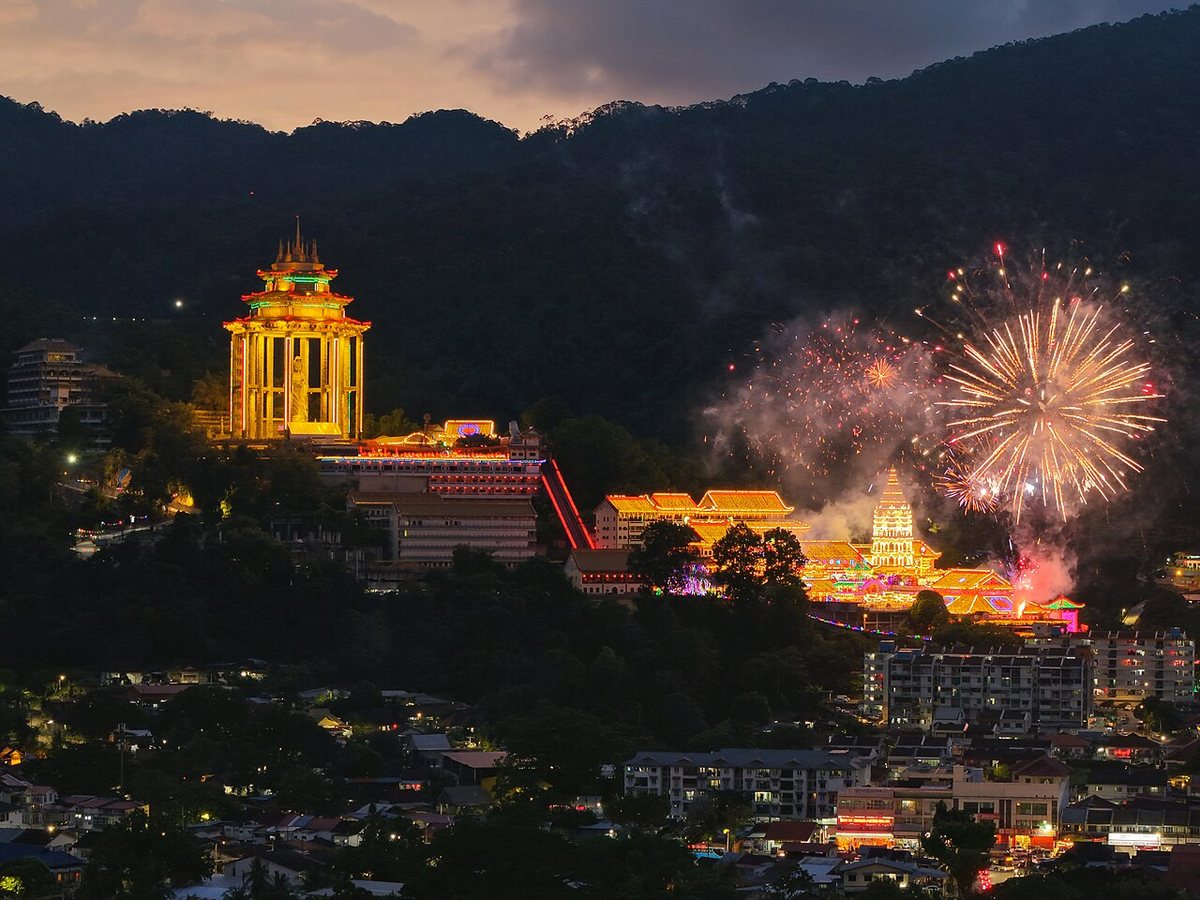
Kek Lok Si in Penang, Malaysia's largest Buddhist temple, illuminated for Chinese New Year
Traditional sports such as the martial art Silat Melayu persist alongside modern sports
7 images

About half the population is ethnically Malay, with significant Chinese, Indian and indigenous minorities, which strongly shapes national politics. Malaysian Malay is the official language and English remains widely used as a second language. Islam is the official religion, while the constitution guarantees freedom of religion to non-Muslims. Traditional crafts, cuisine and sports exist alongside modern ones.

In 275 languages

EnglishČeštinaDeutschEspañolFrançaisItaliano日本語PolskiPortuguêsРусскийУкраїнська中文AbkhazianAcehneseAdygheAfrikaansShqipAmiአማርኛOld EnglishAngikaAragoneseالعربيةMoroccan ArabicEgyptian ArabicAsturianuঅসমীয়াAwadhiAymaraAzbAzərbaycanBalineseBavarianbat-smgБашҡортBatak TobaBikolBdrБеларускаяBetawiБългарскиBhojpuriBislamaBanjarBlkBamanakanবাংলাབོད་སྐད་BishnupriyaBrezhonegBosanskiBtmBugineseБуряадCatalàCdoCebuanoНохчийнᏣᎳᎩChamorroکوردیی ناوەندیCorsicanCrimean TatarKashubianЧӑваш чӗлхиCymraegDagDanskZazaDolnoserbšćinaCentral DusunDtyDivehiརྫོང་ཁΕλληνικάEsperantoEestiEuskaraExtremaduranفارسیPulaarfiu-vroSuomiFijianFøroysktArpitanNorthern FrisianFryskGagauzGan ChineseGaeilgeGcrGàidhligGilakiGalegoGuaraniकोंकणीGorontaloGothicગુજરાતીGaelgHakka ChineseHausaʻŌlelo HawaiʻiעבריתFiji Hindiहिन्दीHrvatskiHornjoserbšćinaHaitian CreoleMagyarՀայերենHywInterlinguaIbanBahasa IndonesiaInterlingueIgboInupiaqIlokoIdoÍslenskaJamaican Creole EnglishLojbanJawaKara-KalpakTaqbaylitქართულიKabardianKbpKgeKongoGikuyuҚазақшаខ្មែរKanuriಕನ್ನಡ한국어Karachay-BalkarکٲشُرKurdî (kurmancî)KomiKernewekКыргызчаLadinoLatinLëtzebuergeschLezghianLingua Franca NovaLigureLimburgishLldLombardLingálaລາວLietuviųLatviešuMadureseMagahiमैथिलीmap-bmsMokshaMalagasyMariMinangkabauMāoriМакедонскиമലയാളംমৈতৈলোন্МонголमराठीMelayuMaltiMirandeseမြန်မာمازرونیNeddersass’schनेपालीNewariNiasNederlandsNorsk nynorskNovialNorskNupNavajoNyanjaOccitanOloOromooଓଡ଼ିଆИронPangasinanPampangaPapiamentoਪੰਜਾਬੀPicardNaijíriá PíjinPiemontèisWestern PanjabiپښتوPwnRunasimiRkiRomânăRusynIkinyarwandaСаха тылаᱥᱟᱱᱛᱟᱲᱤसंस्कृत भाषाSicilianuScotsSarduسنڌيDavvisámegiellaSängöတႆးSrpski (latinica)සිංහලSkrSlovenčinaSlovenščinaAnarâškielâSamoanChiShonaSoomaaliShqipSranan TongoСрпскиSwatiBasa SundaSvenskaKiswahiliŚlōnskiSzyதமிழ்TayTuluTddTetumతెలుగుТоҷикӣไทยTürkmen diliFilipinoTalyshToki ponaLea fakatongaTok PisinTarokoTürkçeTsongaТатарTumbukaAkanUdmurtئۇيغۇرچەاردوO‘zbekVenetoVepsTiếng ViệtWest FlemishVolapükWarayWolofWu ChineseMingrelianייִדישÈdè YorùbáVahcuenghZeelandicⵜⴰⵎⴰⵣⵉⵖⵜzh-yueIsiZulu

Редакція Factograf · Published October 14, 2026 · Partly based on Wikipedia, CC BY-SA 4.0 · Source article