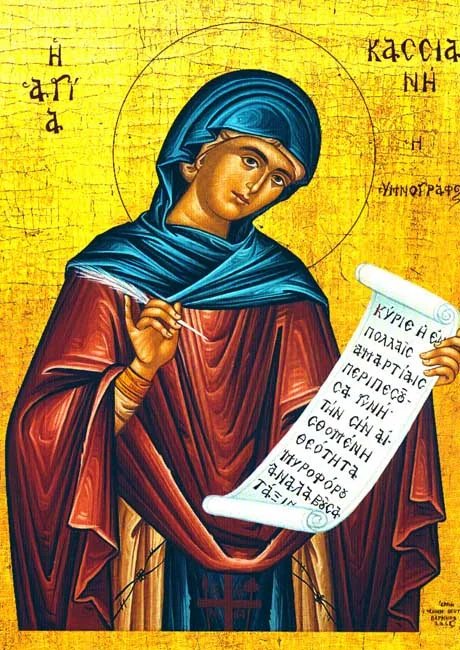
Kassia was a 9th-century Byzantine nun, poet, and composer from Constantinople. Born into a wealthy family, she became an abbess of a convent located in the western part of the city. She holds a unique position in history as the only woman known to have composed music that appears within the Byzantine liturgy. Her extensive literary output includes hundreds of verses and numerous hymns, many of which continue to be used in religious services today.
Life and devotion
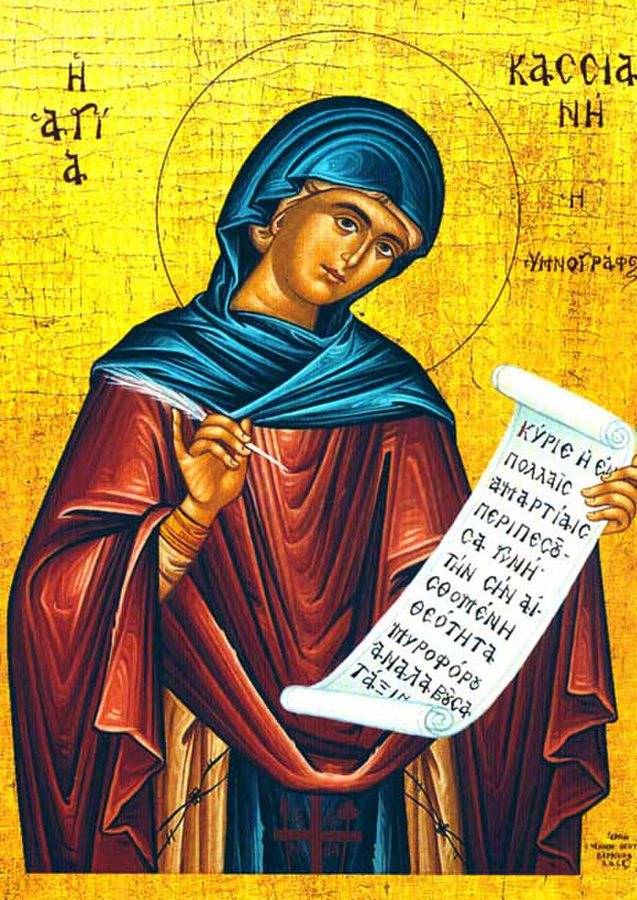
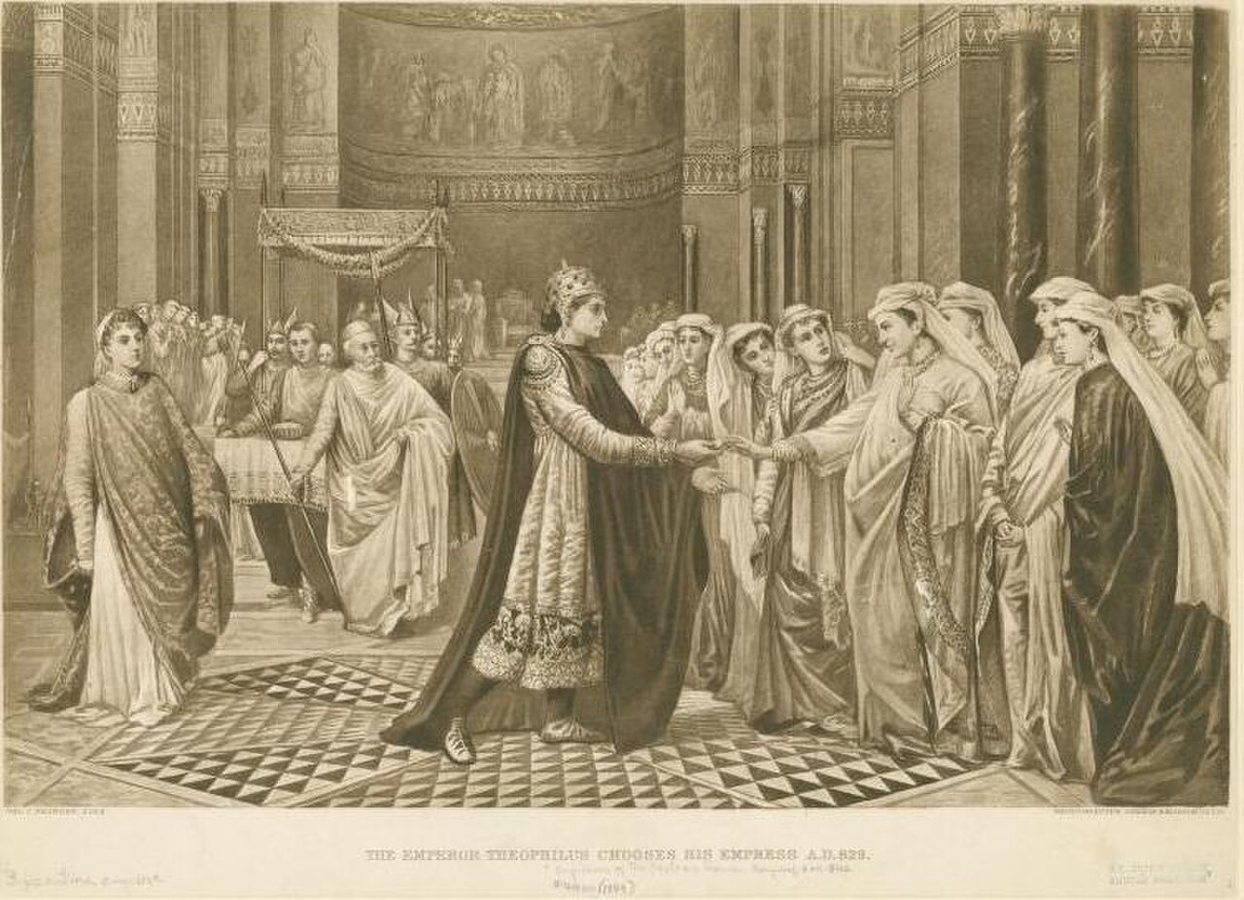
According to tradition, Kassia was a participant in a bride show for Emperor Theophilos. After a sharp intellectual exchange with the ruler, she chose a monastic life instead of marriage. As an abbess, she remained a steadfast defender of icons during the iconoclastic period, even facing physical punishment for her beliefs. She eventually traveled to Italy before passing away on the island of Kasos around 865.
Musical legacy
She is celebrated as an exceptional composer whose works demonstrate the influence of classical Greek literature. Her most famous composition, the Hymn of Kassia, is a demanding solo chant performed during the services of Holy Wednesday. While many of her many hymns and epigrams face attribution challenges in ancient manuscripts, her musical contributions remain a significant part of the Eastern Orthodox liturgical tradition.
Veneration
Recognized as a saint, she is commemorated on September 7 in the Orthodox, Catholic, Anglican, and Oriental traditions. Her musical works are still integral to Byzantine worship, and her tomb or reliquary is believed to be located in a church on the island of Kasos.


