factograf
EN
Sign in

nazi politician and propaganda minister (1897–1945)

Joseph Goebbels

Joseph Goebbels

Key facts

date of birthOctober 29, 1897
date of deathMay 1, 1945
educated atUniversity of Bonn
occupationpolitician, propagandist, demagogue
place of birthRheydt
place of deathBerlin
spouseMagda Goebbels
position heldmember of the Reichstag of the Weimar Republic
member of political partyNazi Party
notable workGoebbels Diaries

Joseph Goebbels (1897–1945) was a German politician and philologist who served as Gauleiter of Berlin, chief propagandist of the Nazi Party and Reich Minister of Propaganda from 1933 until his suicide in 1945. One of Adolf Hitler's closest followers, he was known for his public speaking skills and his open antisemitism, and he advocated increasingly harsh discrimination, including the extermination of Jews and other groups in the Holocaust. He died one day after succeeding Hitler as Chancellor of Germany.

Early life and education
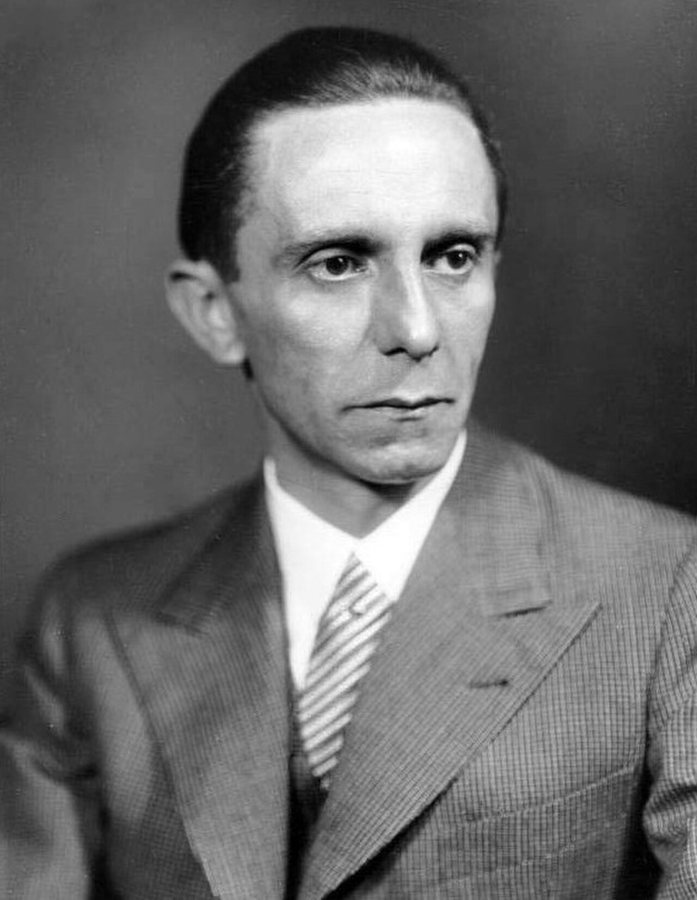
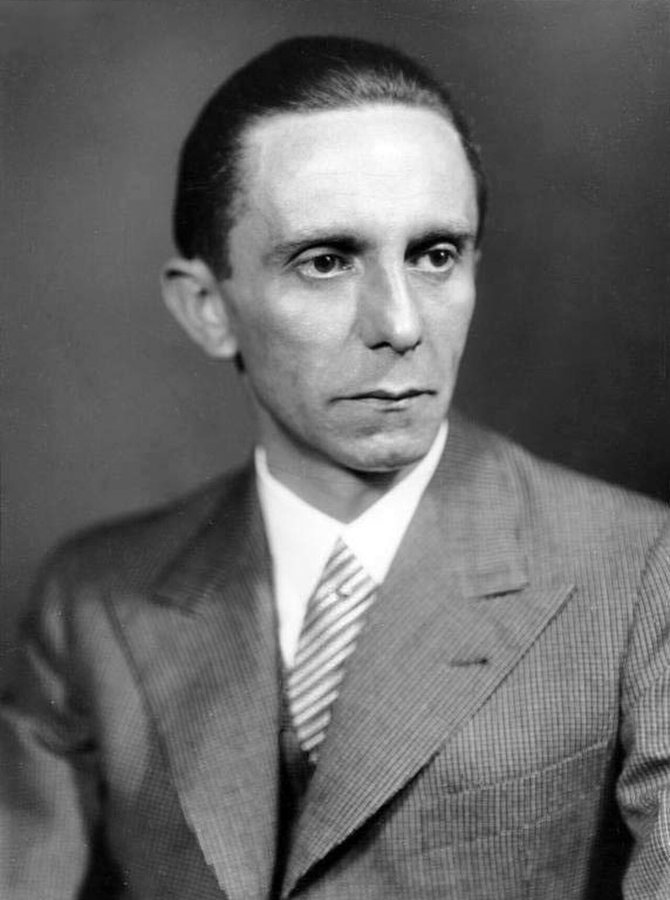
Bundesarchiv Bild 146-1968-101-20A, Joseph Goebbels, cropped
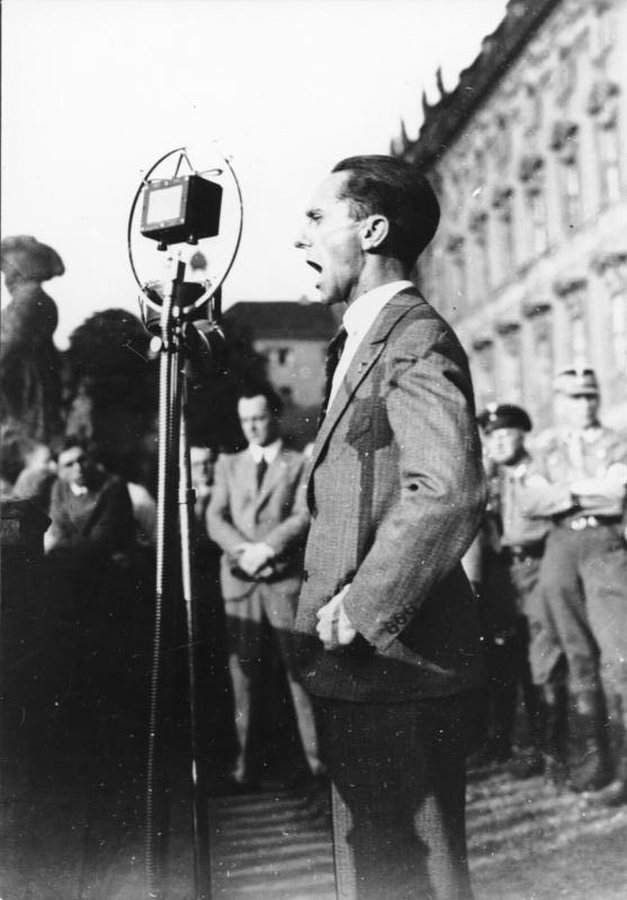
Bundesarchiv Bild 119-2406-01, Berlin Lustgarten, speech by Joseph Goebbels
Bundesarchiv Bild 102-17049, Joseph Goebbels speaking
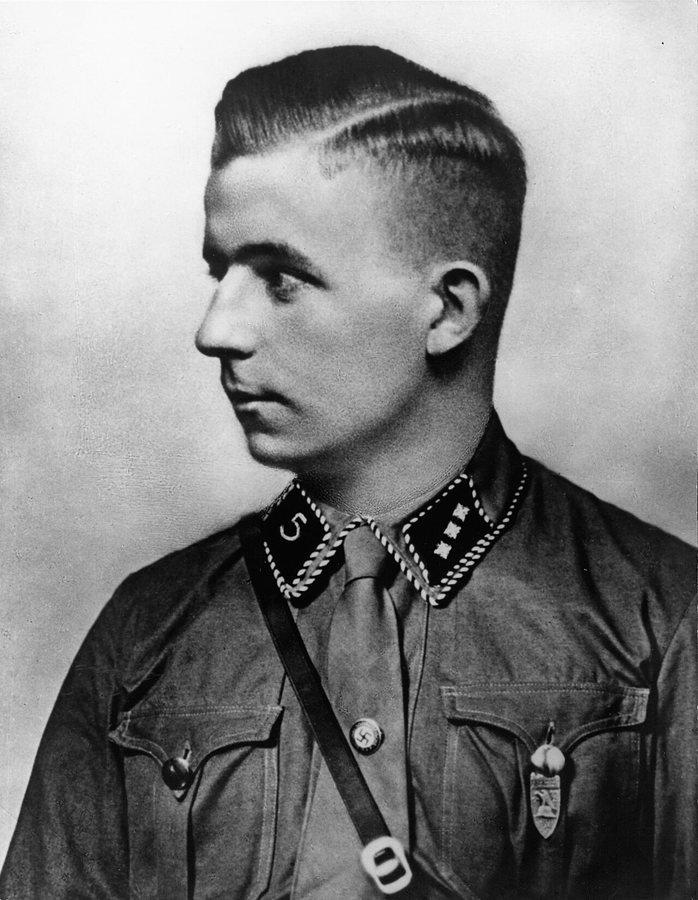
Goebbels used the death of Horst Wessel (pictured) in 1930 as a propaganda tool against "Communist subhumans".
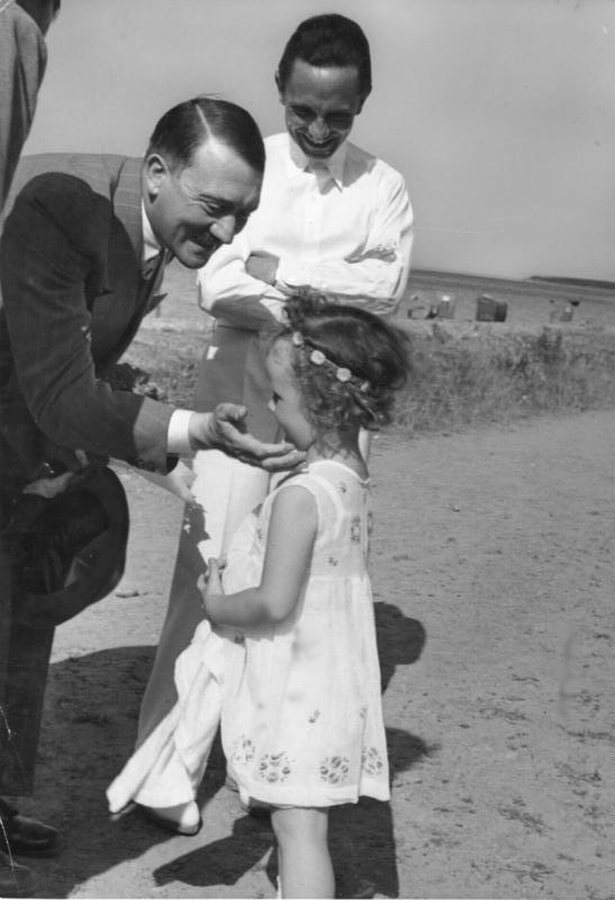
Goebbels and his daughter Helga with Adolf Hitler in Heiligendamm
Nazi book burning in Berlin, 10 May 1933
6 images

Born in Rheydt in 1897 to a modest Catholic family, Goebbels suffered from childhood illness and a deformed right foot, which kept him out of military service in the First World War. He studied literature and history at several German universities and earned a doctorate in philology from Heidelberg in 1922. Hoping to become a published author, he struggled financially and worked as a tutor, journalist and bank clerk, while his writing increasingly reflected antisemitism and hostility toward modern culture.

Rise and propaganda work
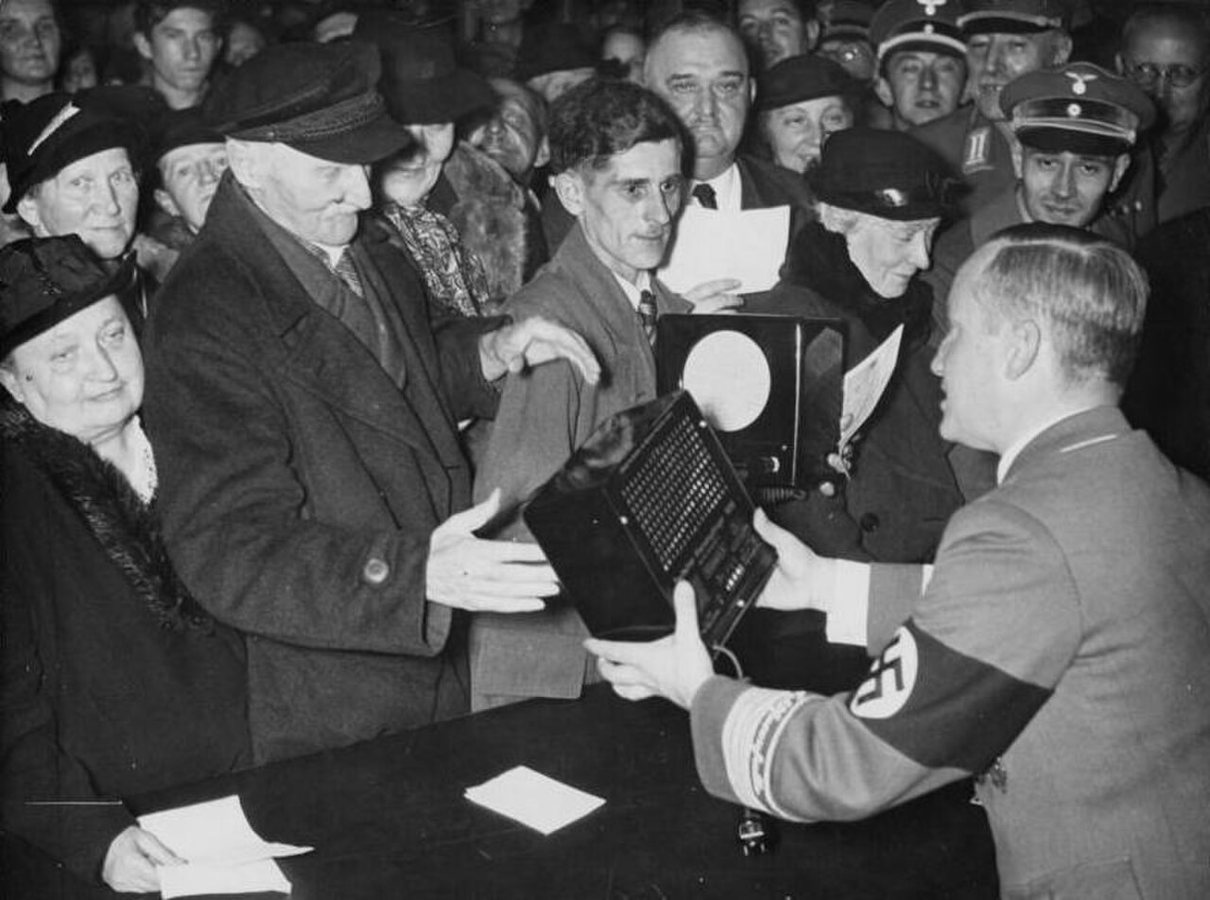
Free radios were distributed in Berlin on Goebbels' birthday in 1938.
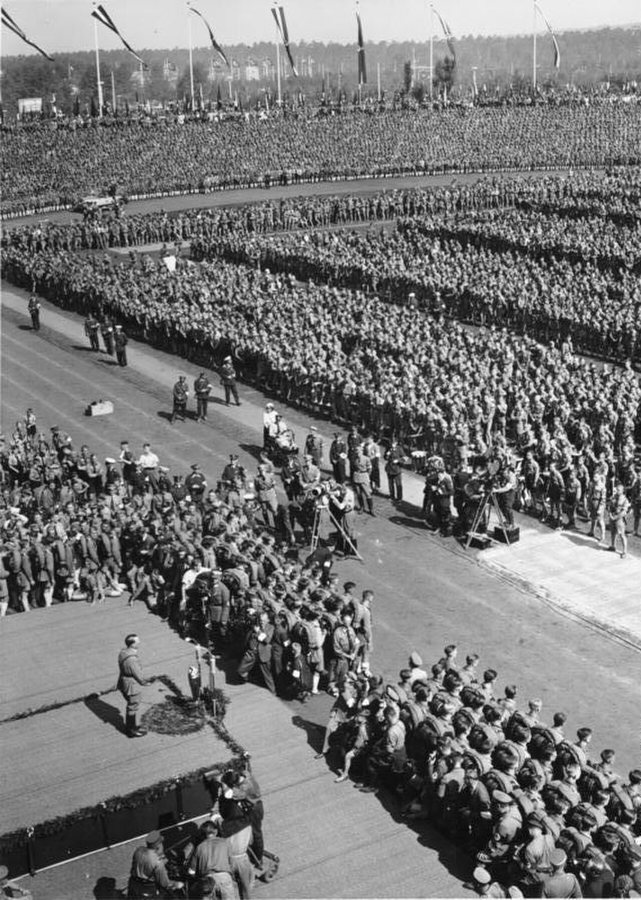
Hitler was the focal point at the 1934 Nuremberg Rally, with Leni Riefenstahl and her crew visible in front of the podium.
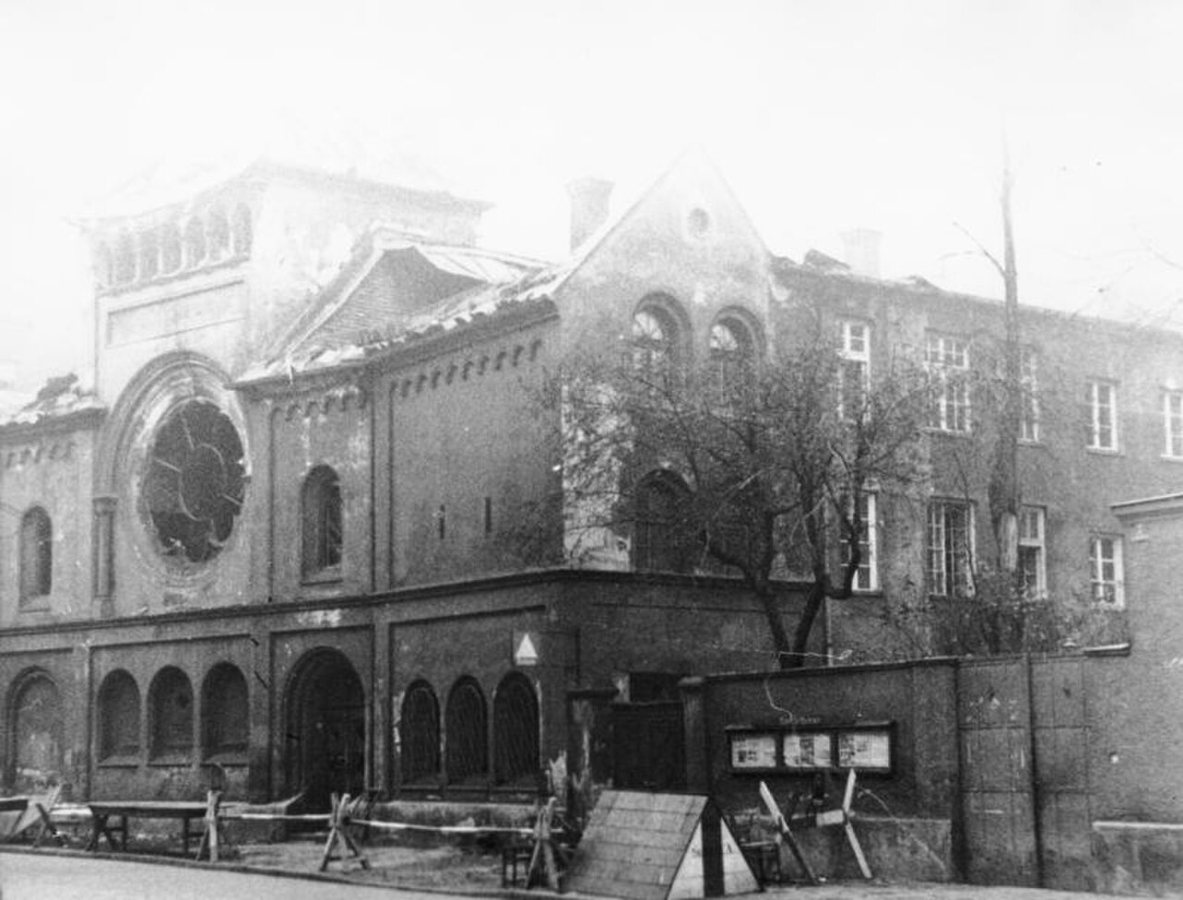
Old Synagogue Ohel Jakob, Munich, after Kristallnacht
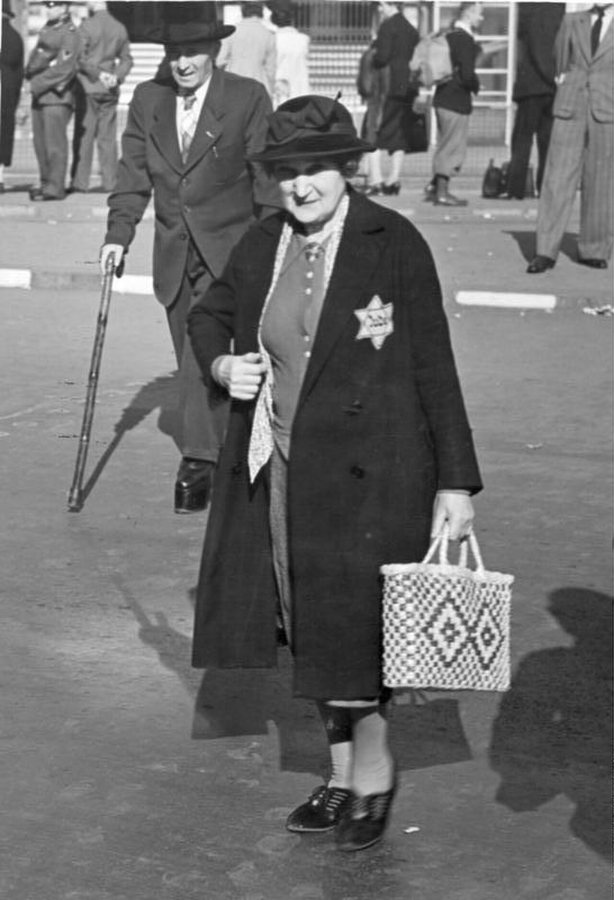
Woman in Berlin wearing the yellow star
Production of a newsreel at the front lines, January 1941
5 images

Goebbels joined the Nazi Party in 1924 and was appointed Gauleiter of Berlin in 1926, where he developed his interest in propaganda as a means of promoting the party. After the Nazis took power in 1933, his Propaganda Ministry gained control over the news, media, arts and flow of information in Germany. He was especially effective in using radio and film, and party propaganda focused on antisemitism, attacks on Christian churches and, after 1939, efforts to shape troop and civilian morale.

Total war and death

Sportpalast speech, 18 February 1943, with the banner "Total War – Shortest War".
Goebbels (centre) and Armaments Minister Albert Speer (to Goebbels' left) observe rocket tests at Peenemünde, August 1943
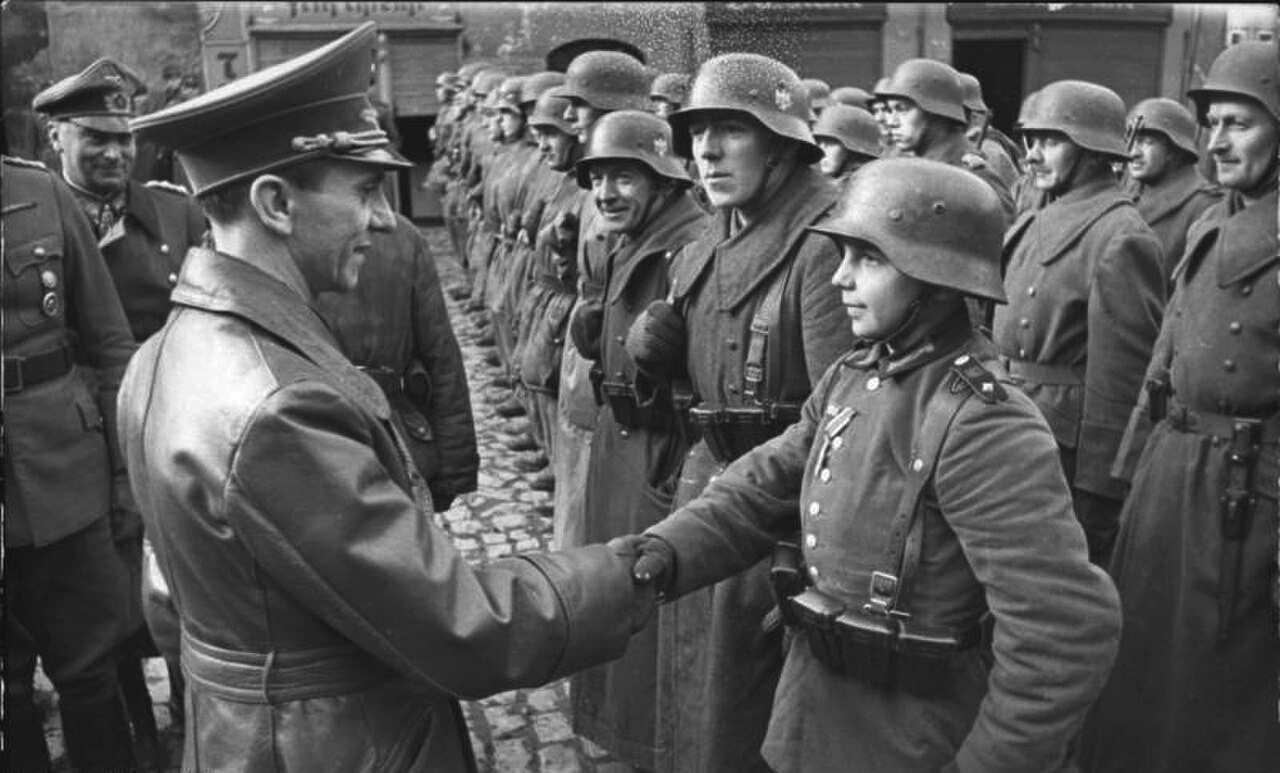
Goebbels awarding 16-year-old Hitler Youth member Willi Hübner the Iron Cross for the defence of Lauban (now Lubań, Poland)
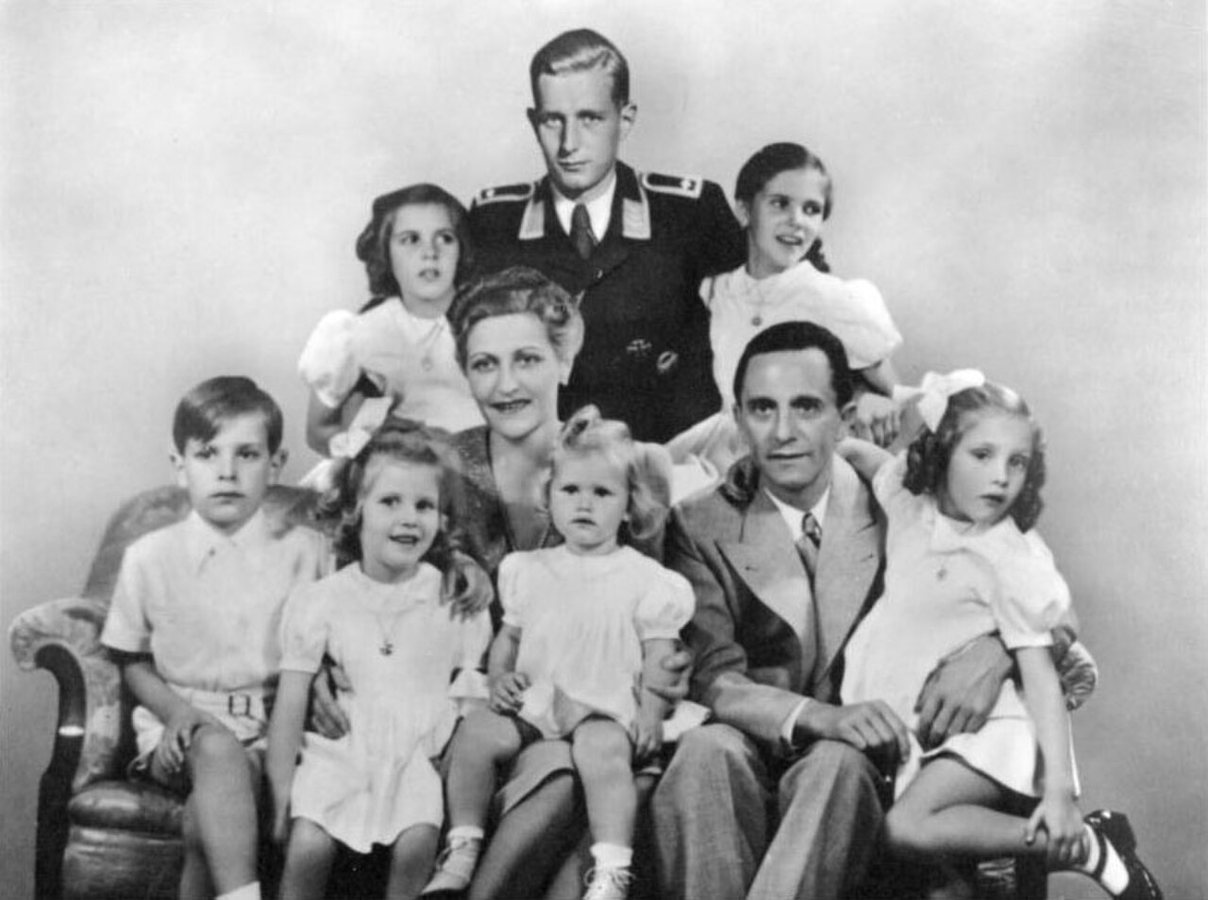
The Goebbels family, including Goebbels' stepson Harald Quandt
Post-reconciliation photo commissioned by Hitler, 1938
5 images

In 1943 Goebbels pressed Hitler to adopt measures for total war, and in July 1944 Hitler appointed him Reich Plenipotentiary for Total War, a role in which his efforts to expand the workforce for armaments and the army were largely unsuccessful. As Germany faced defeat in 1945, Goebbels moved with his family into Hitler's bunker in Berlin. After Hitler's suicide, Goebbels briefly served as Chancellor, then killed his six children and himself with his wife Magda on 1 May 1945.

Read next

In 99 languages

Редакція Factograf · Published October 14, 2026 · Partly based on Wikipedia, CC BY-SA 4.0 · Source article