factograf
EN
Sign in

second-longest river in Europe

Danube

Danube

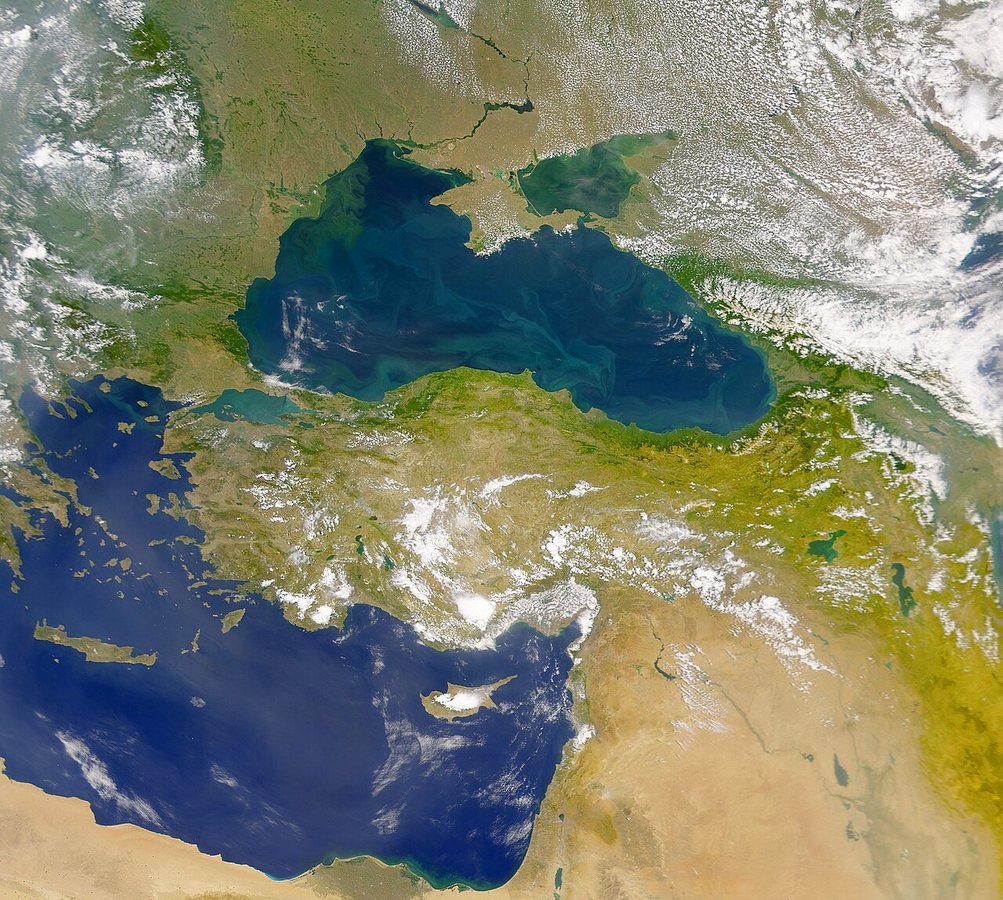
Danube is a river in Europe, the second-longest after the Volga. It rises in Germany's Black Forest and flows southeast through Central and Southeastern Europe into the Black Sea via the Danube Delta. Once a frontier of the Roman Empire, it passes through or borders ten countries and four national capitals, making it an important route for trade, transport and hydropower.

Course and basin
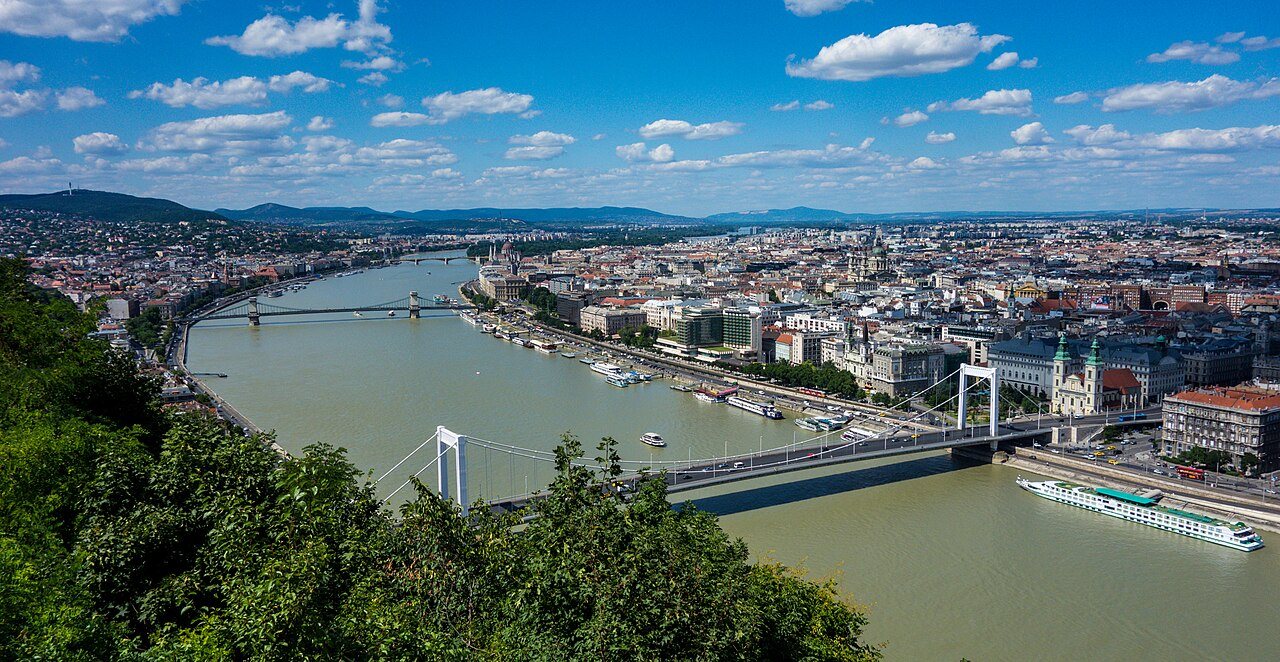
View from Gellért Hill over the Danube toward Budapest, Hungary
The Danube basin
The Danube basin
The hydrogeographical source of the Danube at St. Martin's Chapel in Furtwangen im Schwarzwald, Germany, at the Breg spring, the source of the Danube's longest headstream, where the river is symbolized by the Roman allegory Danuvius.
The symbolic source of the Danube in Donaueschingen, at the Donaubach brook that flows into the Brigach.
The Tisza is the longest tributary of the Danube.
Confluence of the Brigach and Breg at Donaueschingen
Danube Biosphere Reserve in Ukraine
Danube Delta seen from space
The Danube spills into the Black Sea
Three-colour confluence of the Inn, Danube and Ilz in Passau
The Danube in Linz, Austria
The Danube in Bratislava, Slovakia
12 images

The river begins at Donaueschingen, where the Brigach and Breg rivers meet, and runs for roughly 2,850 kilometres. Its drainage basin covers about 817,000 square kilometres and extends into nine more countries. The basin is commonly divided into an upper section, a middle Pannonian or Carpathian basin, and a lower section that includes the Danube Delta. Around 2,415 kilometres are navigable, and the river links to the North Sea through the Rhine–Main–Danube Canal.

Name and history

Great War Island in Belgrade, Serbia, located at the confluence of the Sava and Danube
Ada Kaleh island in today's Romania was overlooked in the peace talks at the Congress of Berlin in 1878 and was submerged during construction of the Iron Gates hydroelectric plant in 1970.
The Danube in Budapest
Fisherman in the Danube Delta
Russian-speaking Lipovans in the Danube Delta
Pelicans in the Danube Delta, Romania
Iron Gates, on the Serbia–Romania border
Iron Gate II hydroelectric power station, on the Romania–Serbia border
The Iron Gate, on the Serbian–Romanian border, within the Iron Gates natural park and Đerdap national park
Combat between Russian and Turkish forces on the Danube in 1854, during the Crimean War (1853–1856)
Trajan's Bridge across the Danube, modern reconstruction
Maria Valeria Bridge
12 images

The river was known to the ancient Greeks as the Istros, while the Latin name Danubius gave rise to most modern names. The word is linked to Celtic and Indo-European roots meaning flowing water. Since antiquity the Danube has served as a traded route, and it marked the Roman Empire's frontier for a long period.

In 175 languages

EnglishČeštinaDeutschEspañolFrançaisItaliano日本語PolskiPortuguêsРусскийУкраїнська中文AfrikaansShqipአማርኛOld EnglishAragoneseالعربيةEgyptian ArabicAsturianuঅসমীয়াAvaricAzbAzərbaycanBalineseBavarianbat-smgБашҡортBikolБеларускаяБългарскиBhojpuriবাংলাBrezhonegBosanskiБуряадCatalàCebuanoНохчийнکوردیی ناوەندیCorsicanCrimean TatarChurch SlavicЧӑваш чӗлхиCymraegDanskZazaDolnoserbšćinaΕλληνικάEsperantoEestiEuskaraفارسیSuomiNorthern FrisianFurlanFryskGaeilgeGalegoGuaraniעבריתFiji Hindiहिन्दीHrvatskiHornjoserbšćinaMagyarՀայերենHywInterlinguaBahasa IndonesiaInterlingueIlokoIngushIdoÍslenskaJamaican Creole EnglishJawaKara-KalpakTaqbaylitქართულიKbpTyapKgeҚазақшаKanuriಕನ್ನಡ한국어Karachay-BalkarKurdî (kurmancî)KernewekКыргызчаLatinLëtzebuergeschLezghianLingua Franca NovaLimburgishLldLombardLietuviųLatviešuMadureseMalagasyMariМакедонскиമലയാളംМонголWestern MariमराठीMelayuMirandeseမြန်မာمازرونیNahNeddersass’schनेपालीNewariNederlandsNorsk nynorskNorskNrmNyanjaOccitanИронਪੰਜਾਬੀPiemontèisWestern PanjabiپښتوRunasimiRumantschRomanyroa-rupRoa (Tara)RomânăRusynСаха тылаSicilianuScotsSarduسنڌيⵜⴰⵛⵍⵃⵉⵜSrpski (latinica)SlovenčinaSlovenščinaSoomaaliShqipСрпскиSaterland FrisianSvenskaKiswahiliŚlōnskiதமிழ்తెలుగుТоҷикӣไทยTürkmen diliFilipinoTalyshToki ponaTürkçeТатарUdmurtاردوO‘zbekVenetoVepsTiếng ViệtWest FlemishVolapükWarayWalloonWu ChineseMingrelianייִדישÈdè Yorùbázh-yue

Редакція Factograf · Published October 14, 2026 · Partly based on Wikipedia, CC BY-SA 4.0 · Source article