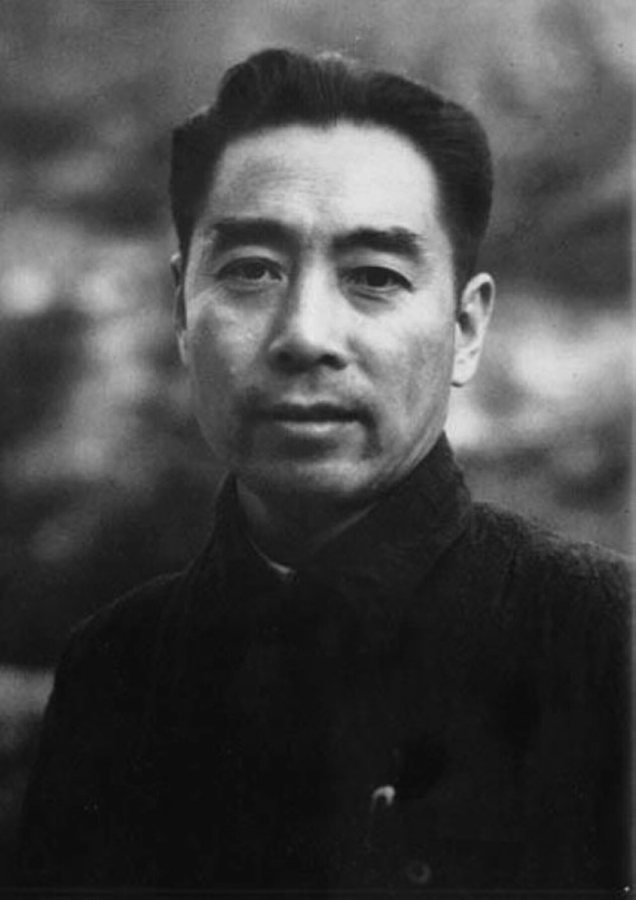
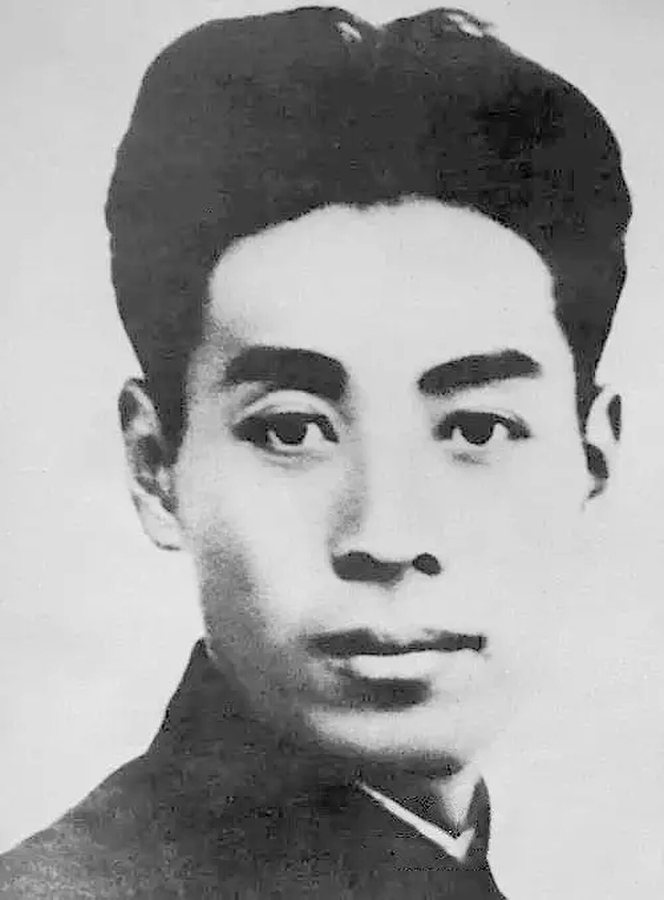
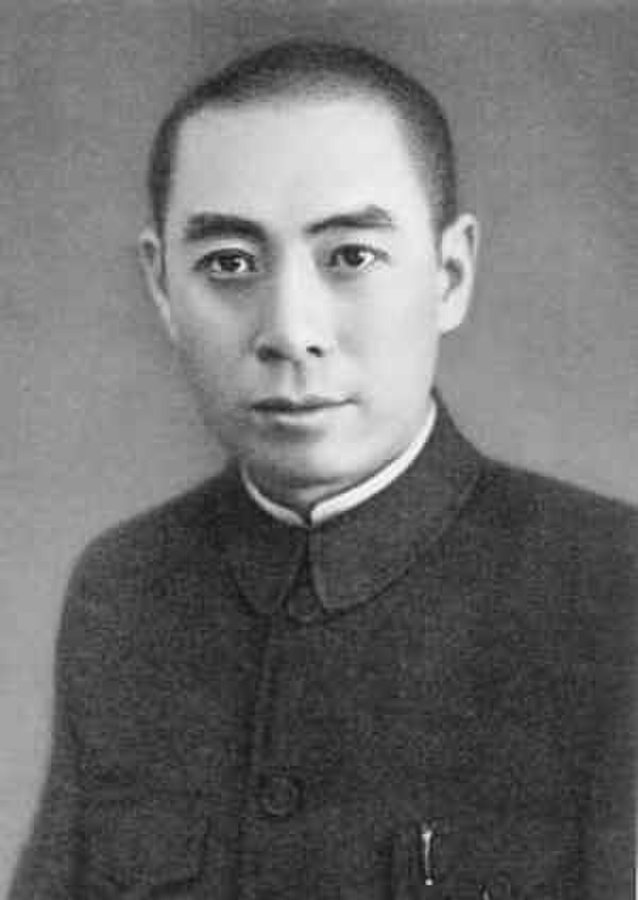
Zhou Enlai (1898–1976) was a Chinese statesman, diplomat and revolutionary who served as the first Premier of the People's Republic of China from October 1949 until his death in January 1976. He was among the earliest leaders of the Chinese Communist Party, though he was subordinate to Mao Zedong after the Zunyi Conference. After the founding of the republic, he helped Mao consolidate party power and shape foreign policy while trying to keep state operations running through turbulent politics.
Diplomatic career
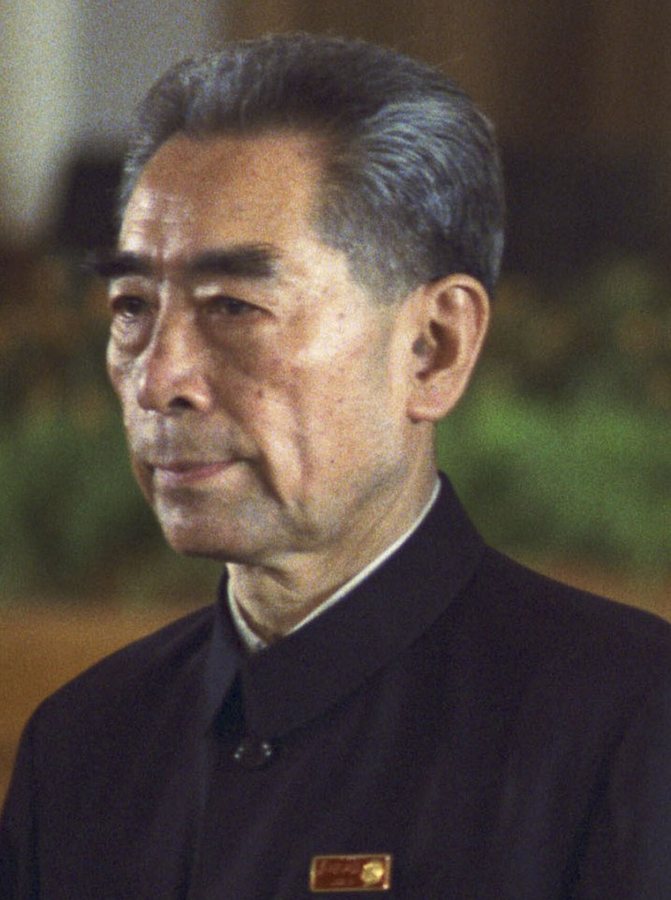


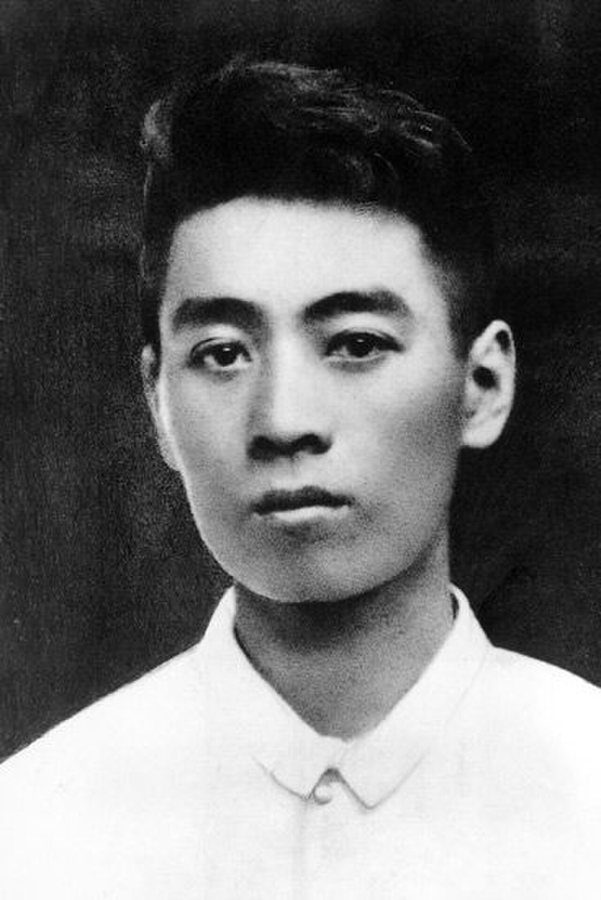
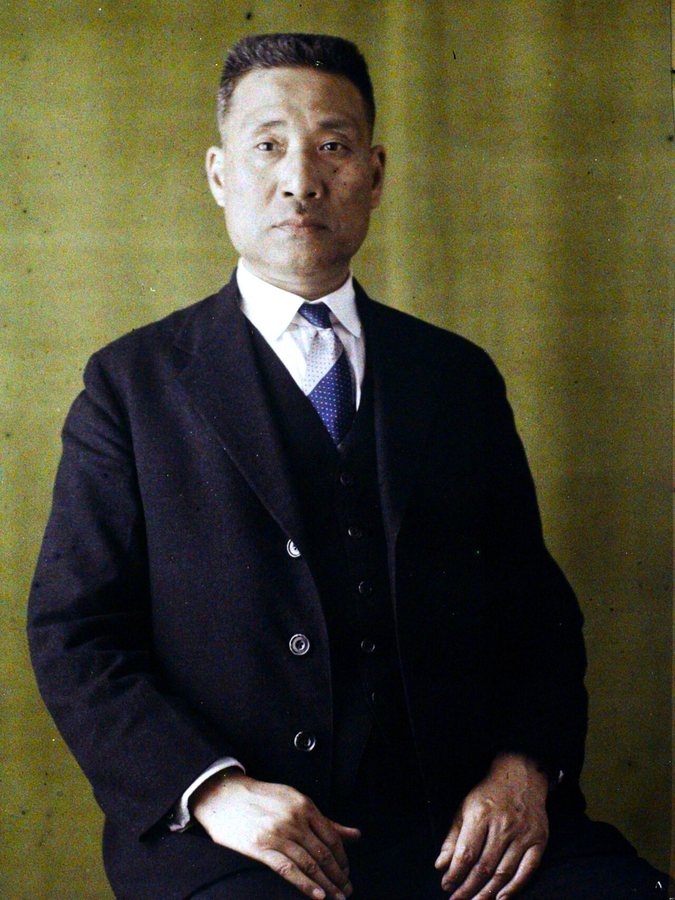


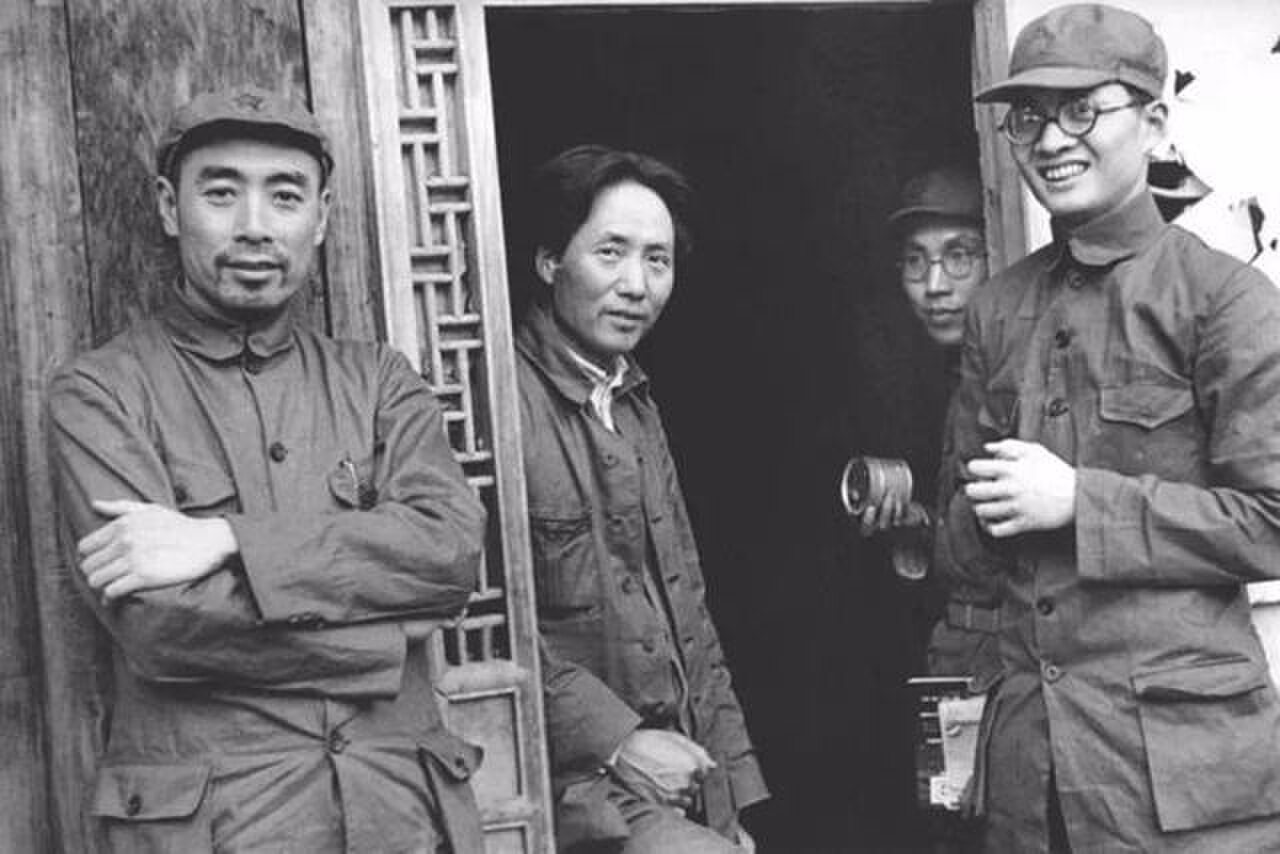
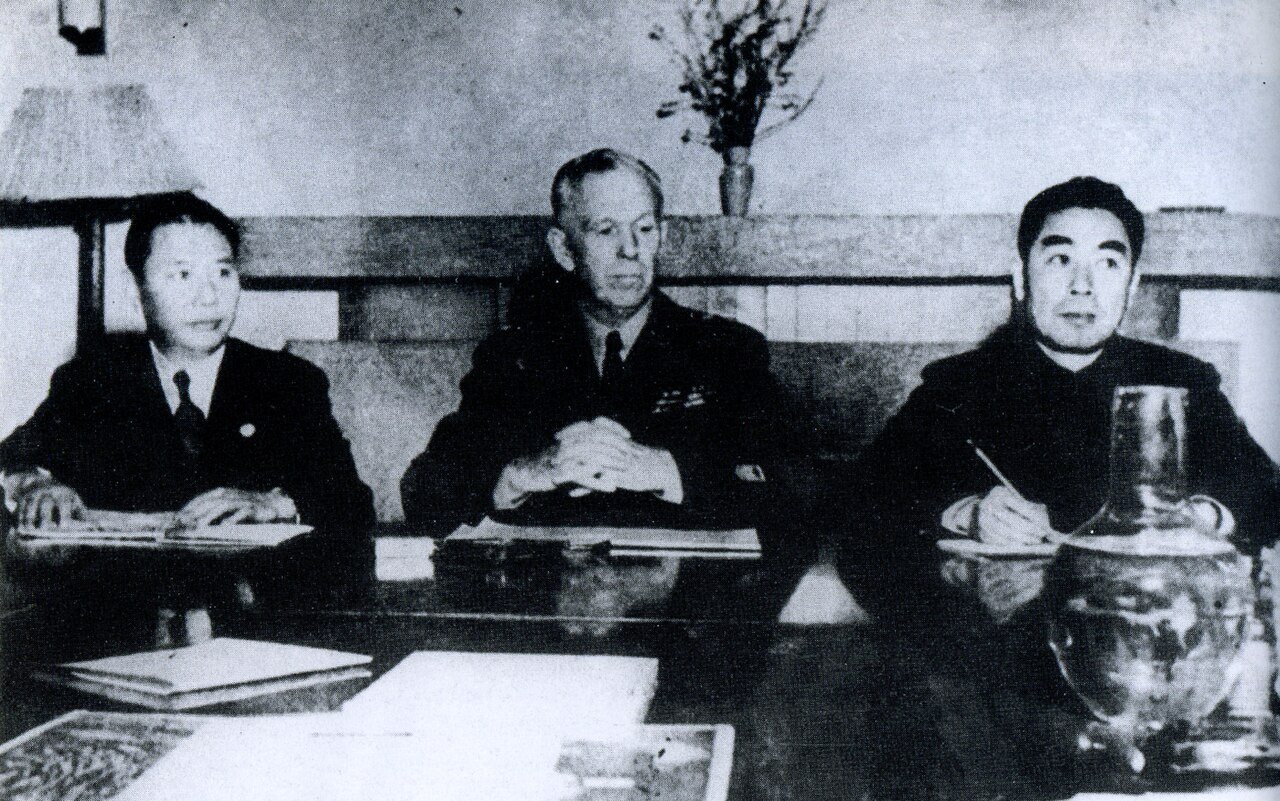
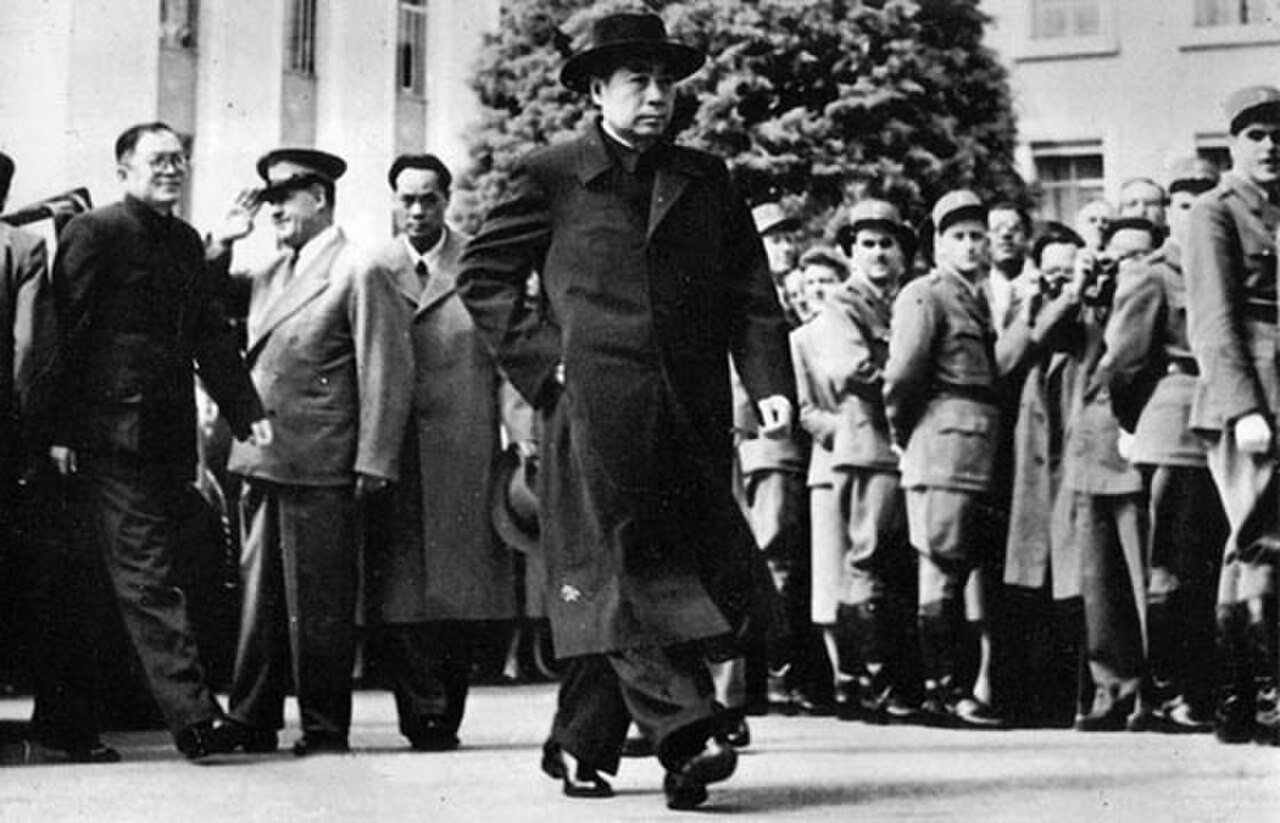
Zhou served as the People's Republic's foreign minister from 1949 to 1958. After the Korean War he promoted peaceful coexistence with the West, attending the 1954 Geneva Conference and the 1955 Bandung Conference. He also helped arrange Richard Nixon's 1972 visit to China and guided relations with major powers, including the United States and the Soviet Union.
Role during the Cultural Revolution
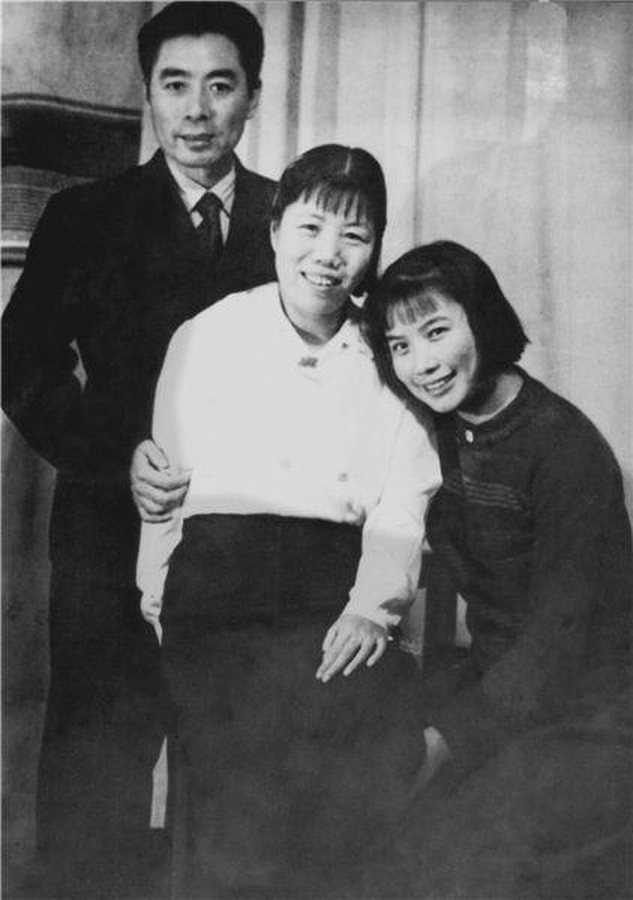
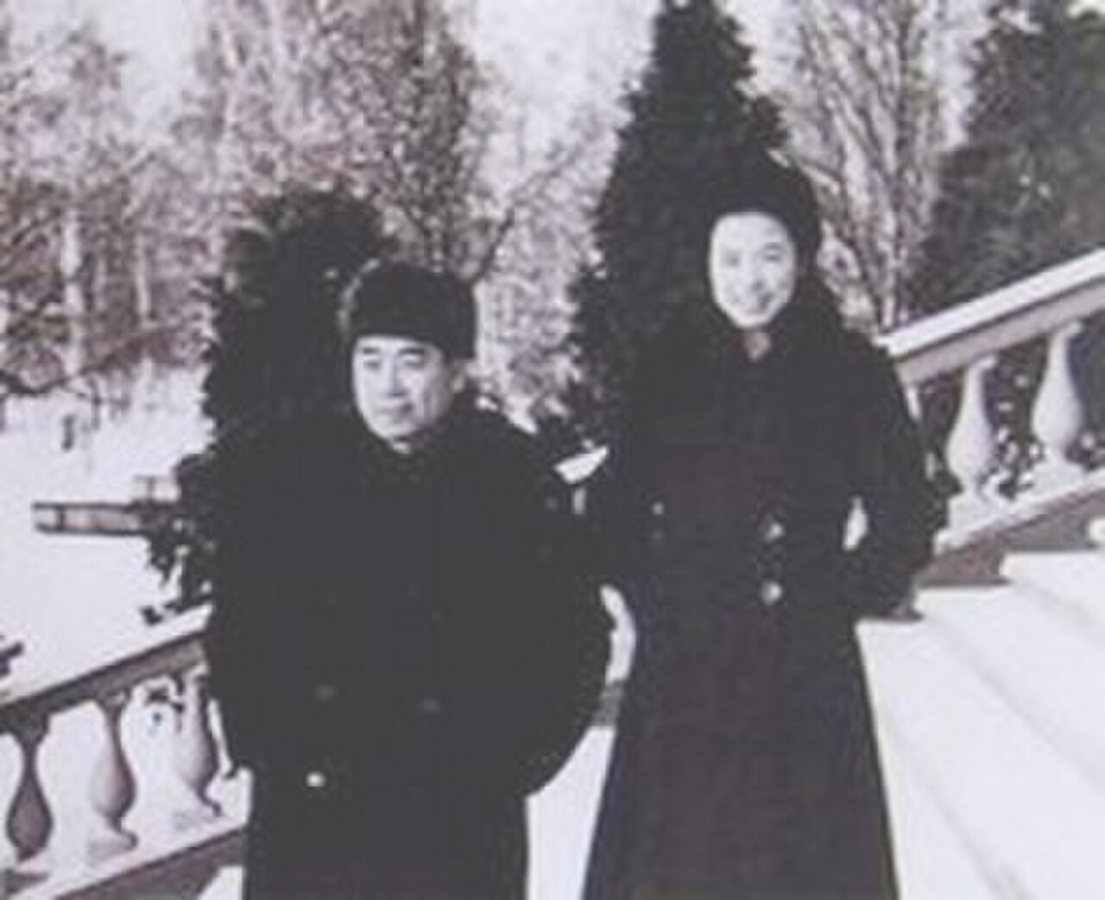
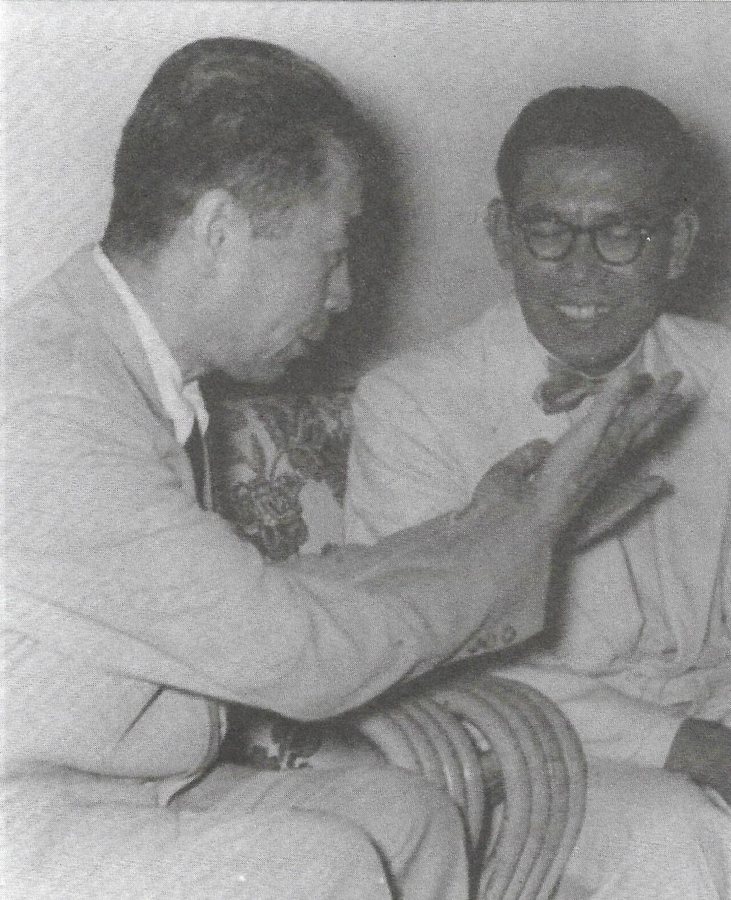

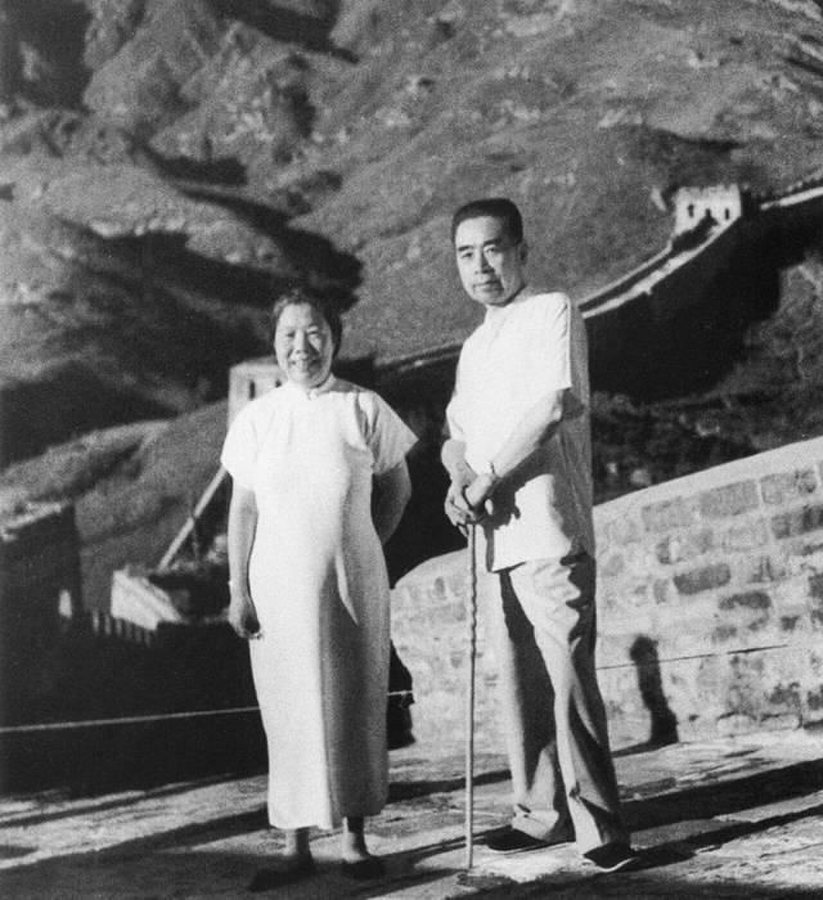

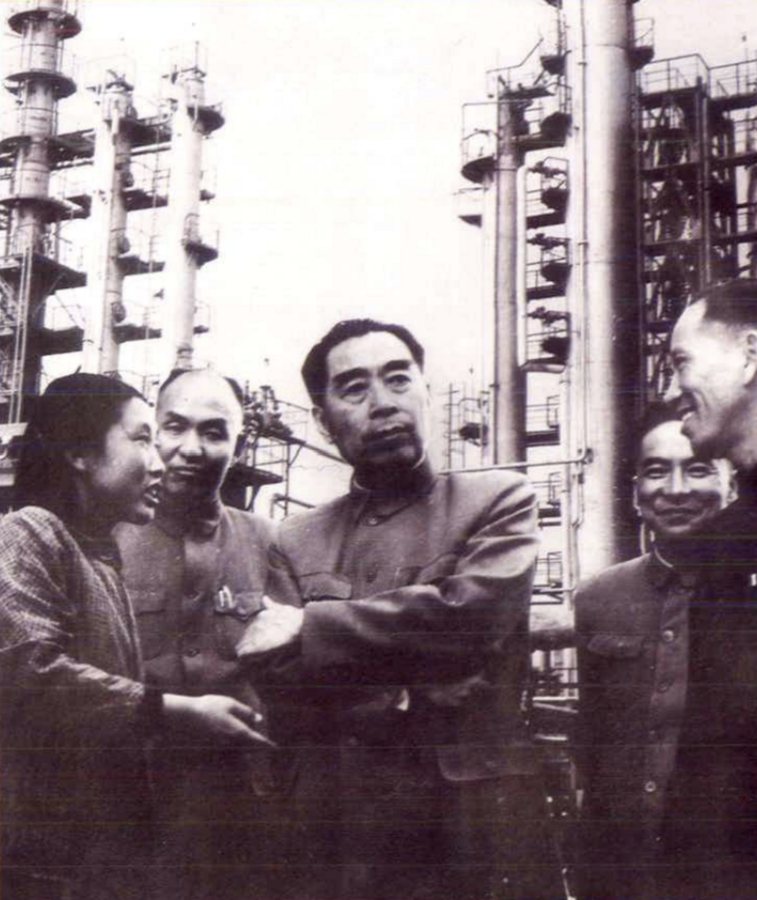

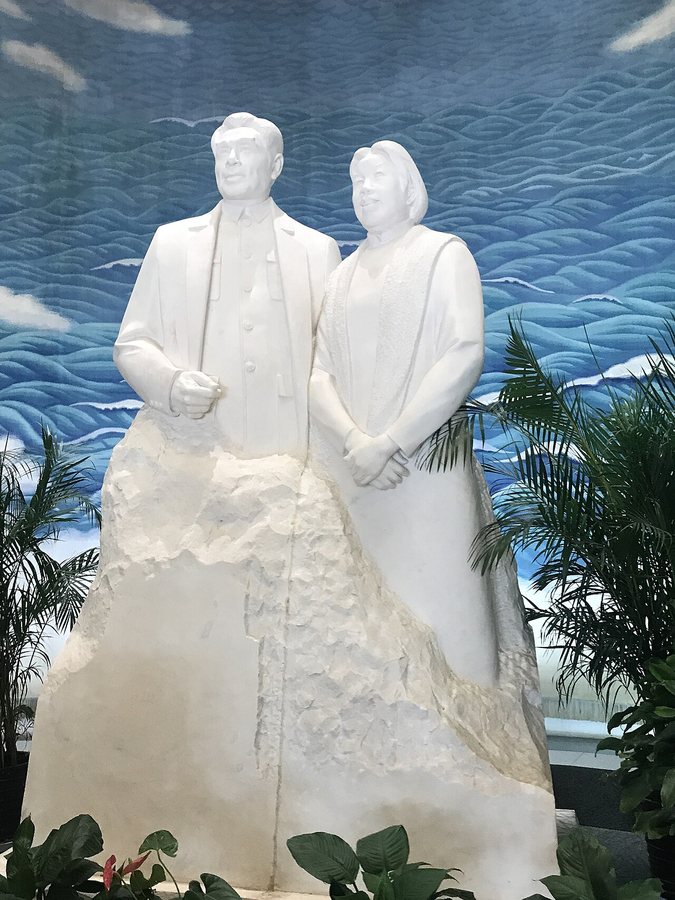
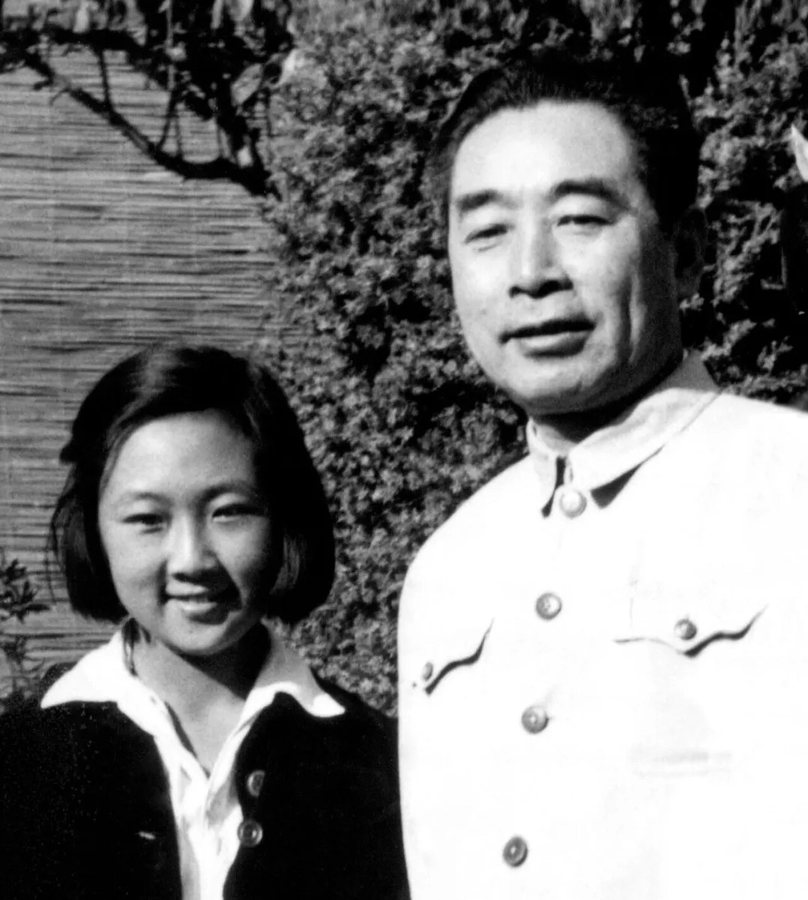
As premier, Zhou was the main force maintaining the government and economy during the Cultural Revolution. He remained deferential to Mao but tried to limit the damage and shield some people from purges and persecution. Following the fall of Lin Biao, he was elected first-ranking Vice Chairman of the Communist Party in 1973, while contending with the Gang of Four. His death in 1976 led to the Tiananmen Incident, which signaled the beginning of the end of the Cultural Revolution.