factograf
EN
Sign in

capital and largest city of Lithuania

Vilnius

Vilnius

Vilnius is the capital and largest city of Lithuania and the most populous city in the Baltic states. Its Old Town is considered one of Europe's largest and best-preserved, and it was declared a UNESCO World Heritage Site in 1994. The city has been Lithuania's capital since at least 1323, when it was first mentioned as such in a letter by Grand Duke Gediminas. Its architecture, including the Vilnian Baroque style named after it, reflects strong Italian influence.

Name and origins
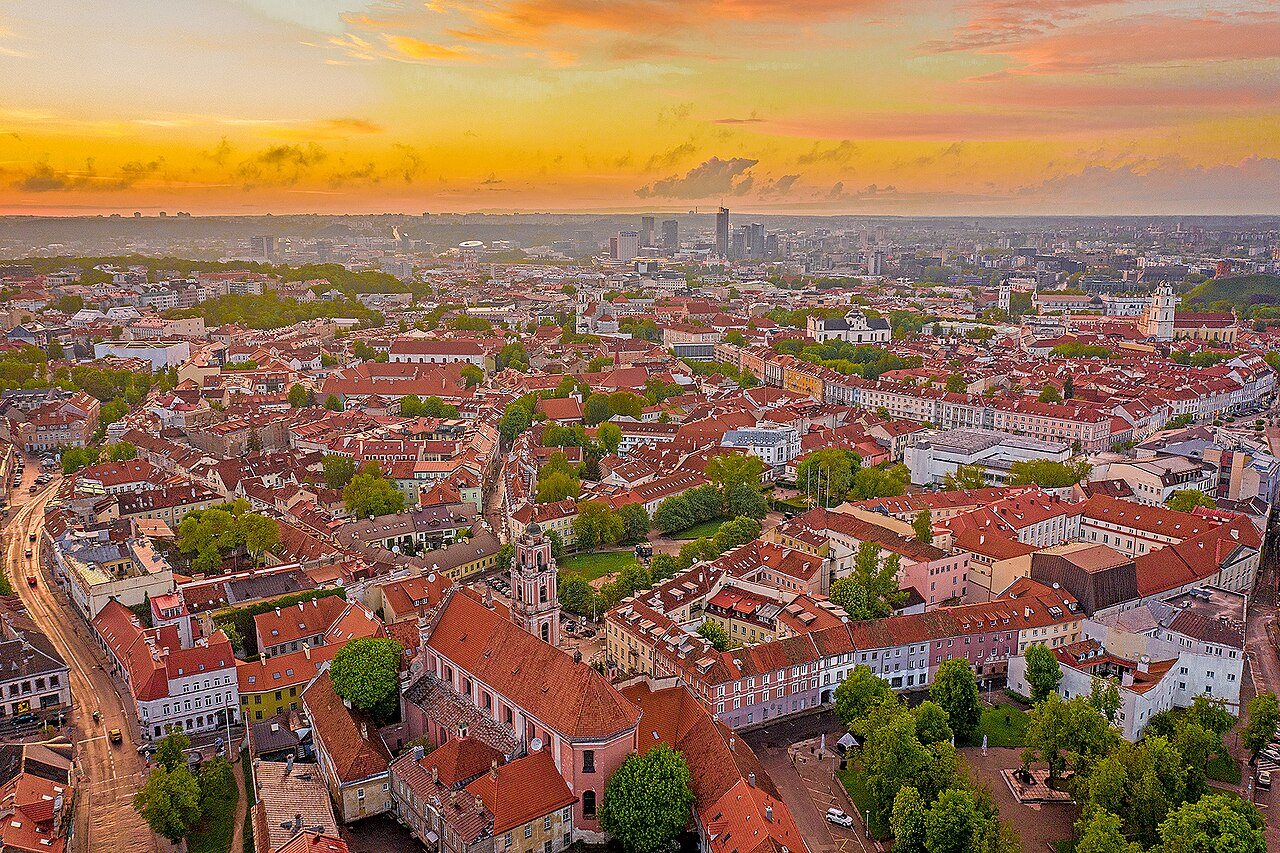
Vilnius Old Town by Augustas Didzgalvis
Vilnius Cathedral exterior, Vilnius, Lithuania, photographed by Diliff
Church of Saint Teresa and Gate of Dawn in Vilnius, Lithuania, June 14, 2015
Valdovų Palace by Augustas Didzgalvis
Presidential Palace, photo 9651323279
1835 painting by Aleksander Lesser of Gediminas' dream about an Iron Wolf
The oldest known mention of Vilnius, in Gediminas' 1323 letter
Vilnius Castle Complex in 1600, showing the Upper Castle (7), Lower Castle (6) and Cathedral (5)
Leaders of the Supreme Council of Lithuania after adopting the Act of the Re-Establishment of the State of Lithuania on 11 March 1990 in the Seimas Palace in Vilnius
Confluence of the Vilnia and Neris rivers
Aerial view of Vilnius city centre and its surrounding green space
A foggy winter sunrise
12 images

The name Vilnius comes from the Vilnia River, which flows into the Neris near the Castle Hill. Older written forms include Vilna and Wilno, which were long used in Western European and diplomatic texts. A legend recorded in the 1530s tells how Grand Duke Gediminas, after a dream about an Iron Wolf, built castles in the valley and founded the city as his capital.

Multicultural history

Map of Vilnius district
A Seimas plenary session
Segway police officer
Emergency Response Centre Vilnius
Vilnius Old Town skyline at dusk, Lithuania, photographed by Diliff
St. Anne's Church and the Church of St. Francis and St. Bernard, examples of Gothic architecture in Lithuania
Baroque Church of St. Peter and St. Paul, built by Michał Kazimierz Pac to commemorate victory over the Muscovites
17th-century Chapel of Saint Casimir, patron saint of Lithuania and its youth, in Vilnius Cathedral
Pilies Street, with a medieval atmosphere
Part of the Valakampiai neighbourhood in Antakalnis on the Neris, seen from Verkiai Palace
Mid-19th-century painting of the Chapel of Jesus in Šnipiškės
Vilnius modern skyline at dusk, Lithuania, photographed by Diliff
12 images

Vilnius received city rights in 1387 and grew into a cultural and scientific centre within the Polish–Lithuanian Commonwealth, especially after Vilnius University was established in 1579. Its population included Polish, Jewish, Orthodox and German communities. Before World War II, it was one of Europe's most important Jewish centres, and Napoleon reportedly called it the Jerusalem of the North.

In 197 languages

EnglishČeštinaDeutschEspañolFrançaisItaliano日本語PolskiPortuguêsРусскийУкраїнська中文AbkhazianAcehneseAfrikaansShqipአማርኛOld EnglishAragoneseالعربيةMoroccan ArabicEgyptian ArabicAsturianuKotavaAvaricAymaraAzərbaycanBalinesebat-smgБашҡортBikolБеларускаяBetawiБългарскиBislamaবাংলাབོད་སྐད་BrezhonegBosanskiCatalàCdoCebuanoНохчийнChamorroکوردیی ناوەندیCrimean TatarKashubianChurch SlavicЧӑваш чӗлхиCymraegDanskZazaDolnoserbšćinaEʋegbeΕλληνικάEsperantoEestiEuskaraExtremaduranفارسیfiu-vroSuomiFijianFøroysktArpitanNorthern FrisianFryskGagauzGaeilgeGàidhligGalegoGuaraniGothicGaelgHakka ChineseHausaʻŌlelo HawaiʻiעבריתFiji Hindiहिन्दीHrvatskiHornjoserbšćinaHaitian CreoleMagyarՀայերենInterlinguaIbanBahasa IndonesiaInterlingueIdoÍslenskaInuktitutქართულიKongoҚазақша한국어Kurdî (kurmancî)KomiKernewekLadinoLatinLëtzebuergeschLingua Franca NovaLugandaLigureLimburgishLombardLingálaLatgalianLietuviųLatviešuMokshaMalagasyMariMinangkabauMāoriМакедонскиമലയാളംМонголWestern MariमराठीMelayuMaltiErzyaمازرونیNeapolitanNeddersass’sch (Nedderlannen)Neddersass’schNederlandsNorsk nynorskNovialNorskNavajoOccitanOloИронPapiamentoਪੰਜਾਬੀPiemontèisWestern PanjabiپښتوRunasimiRomanyRomânăRusynIkinyarwandaСаха тылаसंस्कृत भाषाSicilianuScotsSarduسنڌيDavvisámegiellaSängöSrpski (latinica)SlovenčinaSlovenščinaAnarâškielâSamoanChiShonaShqipSranan TongoСрпскиSwatiSaterland FrisianSesothoSvenskaKiswahiliŚlōnskiSzyதமிழ்TetumТоҷикӣไทยFilipinoTalyshTok PisinTürkçeТатарUdmurtاردوO‘zbekVenetoVepsTiếng ViệtWest FlemishVolapükWarayWalloonWolofWu ChineseMingrelianייִדישÈdè YorùbáZeelandiczh-yueIsiZulu

Редакція Factograf · Published October 14, 2026 · Partly based on Wikipedia, CC BY-SA 4.0 · Source article