
Victor Emmanuel III (1869–1947) was King of Italy from 1900 until his abdication in 1946. A member of the House of Savoy, he also held the titles of Emperor of Ethiopia and King of the Albanians after Italy invaded those countries. His reign of nearly 46 years covered Italy's involvement in both World Wars and the rise and fall of the Fascist regime, making him a central figure in modern Italian history.
Early life and accession


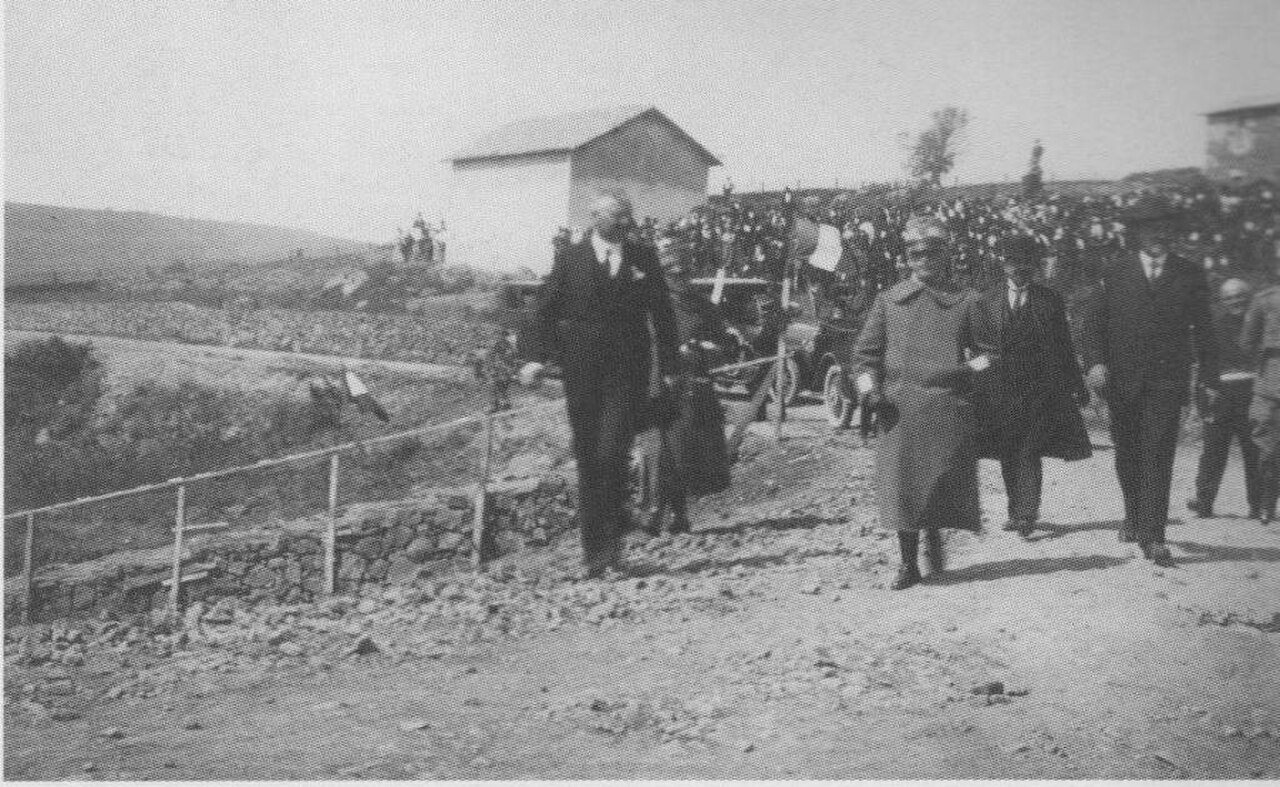
Born in Naples, Victor Emmanuel was the son of King Umberto I and Queen Margherita. He was short in stature, a trait often linked to the close family ties between his parents. He became king in 1900 after his father was assassinated. Although the Italian constitution gave the monarch considerable residual powers, including the right to appoint prime ministers, he was generally reluctant to involve himself in daily politics, though he intervened in parliamentary crises several times in the early twentieth century.
Wars and Fascism


Italy entered the First World War in 1915 after the king personally approved the decision despite opposition from many politicians. The victory brought territorial gains and earned him the nickname King of Victory. In 1922 he appointed Benito Mussolini as prime minister, and he later accepted new royal titles gained through Italian conquests. In the Second World War, he eventually removed Mussolini in 1943, but he later transferred most of his powers to his son, and he abdicated in 1946 before a referendum established the republic.