factograf
EN
Sign in

country in Eastern Europe

Ukraine

Ukraine

Ukraine is a country in Eastern Europe and the second-largest country in Europe after Russia, which borders it to the east and northeast. It also borders Belarus, Poland, Slovakia, Hungary, Romania and Moldova, and has coasts on the Black Sea and the Sea of Azov. Kyiv is the capital and largest city. The official language is Ukrainian, and the country covers about 600,000 square kilometres with around 32 million people.

Early and medieval history

Orthographic projection of Ukraine showing disputed land
Early Indo-European migrations from the Pontic steppes of present-day Ukraine and Russia
Furthest extent of Kievan Rus', 1054–1132
Polish–Lithuanian Commonwealth at its maximum extent in 1619, superimposed on modern borders, with Poland exercising power over much of Ukraine after 1569
Hetman Bohdan Khmelnytsky established an independent Cossack state after the 1648 uprising against Poland
Polish troops enter Kyiv in May 1920 during the Polish–Soviet War
Youth in national Ukrainian dress at a ceremony marking the 1919 Act of Reunification, honoured yearly in 22 Ukrainian cities
Les Kurbas, a leading figure of the Executed Renaissance, was executed by Soviet authorities
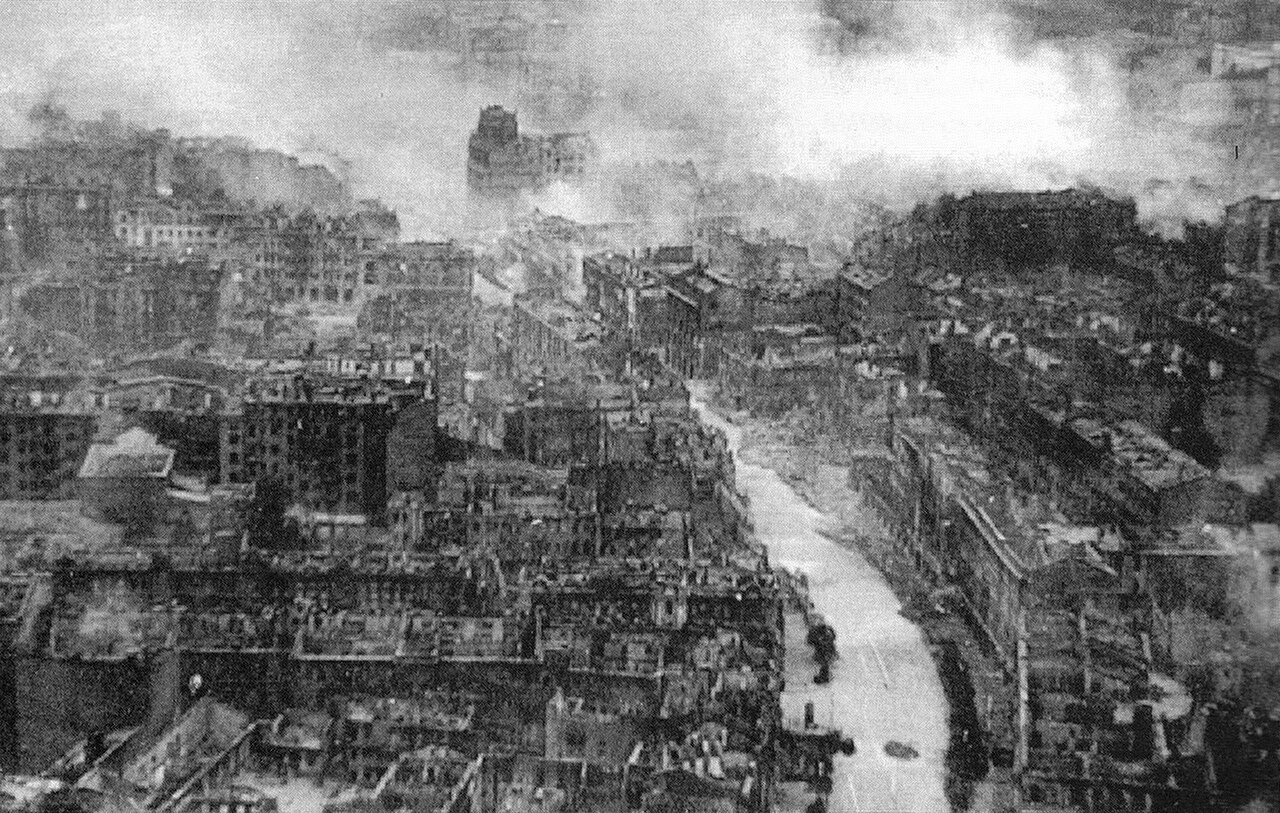
Kyiv suffered significant damage during World War II and was occupied by Germany from 1941 to 1943
Leonid Kravchuk and Boris Yeltsin signing the Belavezha Accords on 8 December 1991
Euromaidan protest in Kyiv, December 2013
View from the western slope of Mount Ai-Petri on the Ai-Petri plateau in Crimea
12 images

People have lived in the area since at least 32,000 BC. In the Middle Ages the land was a centre of early Slavic expansion and East Slavic culture under Kievan Rus', which emerged in the 9th century and became the largest and most powerful realm in Europe in the 10th and 11th centuries. It later split into rival regional powers and was destroyed by the Mongols in the 13th century. For roughly the next 600 years, various external powers contested, divided and ruled the territory.

Independence and modern era

Kyiv, the financial centre of Ukraine
Wheat crop in Spasiv village, Rivne Oblast
Kamianets-Podilskyi Castle, one of the Seven Wonders of Ukraine
HRCS2 multiple unit; rail transport is heavily used in Ukraine
Linguistic map of Ukraine showing the most common native language by locality, 2001 census
Saint Sophia Cathedral in Kyiv, a UNESCO World Heritage Site and one of the main Christian cathedrals in Ukraine
Central Municipal Hospital in Kyiv
Zelenskyy visits a hospital in Odesa Oblast where injured Ukrainian defenders are treated in July 2022
Universidad Roja de Kiev
Residence of the metropolitans of Bukovina and Dalmatia
Results of the 2014 parliamentary election by party
Traditional Ukrainian Easter eggs (pysanky), whose designs date back to early Slavic cultures
12 images

Ukraine declared independence in 1991 as the Soviet Union dissolved. A new constitution followed in 1996 as the country moved toward a free market democracy. Later events included the Orange Revolution of 2004 and 2005, the Euromaidan protests of 2014, and Russia's annexation of Crimea and the war in Donbas. The 2022 Russian invasion began a new phase of the conflict. Ukraine is a semi-presidential republic and a founding member of the United Nations.

In 308 languages

EnglishČeštinaDeutschEspañolFrançaisItaliano日本語PolskiPortuguêsРусскийУкраїнська中文AbkhazianAcehneseAdygheAfrikaansShqipAmiአማርኛOld EnglishOboloAngikaAragoneseAramaicالعربيةMoroccan ArabicEgyptian ArabicAsturianuঅসমীয়াKotavaAvaricAwadhiAymaraAzbAzərbaycanBalineseBavarianbat-smgБашҡортBatak TobaBikolБеларускаяBetawiБългарскиBhojpuriBislamaBanjarBlkBamanakanবাংলাབོད་སྐད་BishnupriyaBrezhonegBosanskiBtmBugineseБуряадCatalàcbk-zamCdoCebuanoНохчийнᏣᎳᎩChamorroCheyenneکوردیی ناوەندیCorsicanCrimean TatarKashubianChurch SlavicЧӑваш чӗлхиCymraegDagDanskDinkaZazaDolnoserbšćinaDtyDivehiརྫོང་ཁEʋegbeΕλληνικάEmlEsperantoEestiEuskaraExtremaduranفارسیPulaarfiu-vroSuomiFijianFøroysktArpitanNorthern FrisianFurlanFryskGagauzGan ChineseGaeilgeGcrGàidhligGilakiGalegoGuaraniकोंकणीGothicગુજરાતીGuwGaelgHakka ChineseHausaʻŌlelo HawaiʻiעבריתFiji Hindiहिन्दीHrvatskiHornjoserbšćinaHaitian CreoleMagyarՀայերենHywInterlinguaIbanBahasa IndonesiaInterlingueIgboInupiaqIlokoIngushIdoIsvÍslenskaInuktitutJamaican Creole EnglishLojbanJawaKara-KalpakTaqbaylitქართულიKabardianKbpTyapKongoGikuyuҚазақшаខ្មែរKanuriಕನ್ನಡKomi-Permyak한국어Karachay-BalkarکٲشُرKurdî (kurmancî)KomiKernewekКыргызчаLadinoLatinLbeLëtzebuergeschLezghianLingua Franca NovaLugandaLigureLimburgishLldLombardLingálaລາວLatgalianLietuviųLatviešuMadureseMagahiमैथिलीmap-bmsMokshaMalagasyMariMinangkabauMāoriМакедонскиമലയാളംমৈতৈলোন্МонголWestern MariमराठीMelayuMaltiMirandeseErzyaမြန်မာمازرونیNeapolitanNeddersass’sch (Nedderlannen)Neddersass’schनेपालीNewariNederlandsNorsk nynorskNovialNorskߒߞߏNrmSesotho sa LeboaNupNavajoNyanjaOccitanOloOromooଓଡ଼ିଆИронPangasinanPampangaPapiamentoਪੰਜਾਬੀPicardNaijíriá PíjinPennsylvania GermanPalatine GermanPiemontèisWestern PanjabiPonticپښتوPwnRunasimiRumantschRomanyroa-rupRoa (Tara)RomânăRusynIkinyarwandaСаха тылаᱥᱟᱱᱛᱟᱲᱤSicilianuScotsSarduسنڌيDavvisámegiellaⵜⴰⵛⵍⵃⵉⵜတႆးSrpski (latinica)සිංහලSlovenčinaSlovenščinaAnarâškielâSamoanChiShonaSoomaaliShqipSranan TongoСрпскиSwatiSaterland FrisianSesothoBasa SundaSvenskaKiswahiliSylŚlōnskiSzyதமிழ்TayTetumతెలుగుТоҷикӣไทยትግርኛTürkmen diliFilipinoTalyshSetswanaToki ponaLea fakatongaTok PisinTarokoTürkçeTsongaТатарTumbukaAkanТываUdmurtئۇيغۇرچەاردوO‘zbekVenetoVepsVendaTiếng ViệtWest FlemishVolapükWarayWalloonWolofWu ChineseIsiXhosaMingrelianייִדישÈdè YorùbáVahcuenghZeelandicⵜⴰⵎⴰⵣⵉⵖⵜzh-yueIsiZulu

Редакція Factograf · Published October 14, 2026 · Partly based on Wikipedia, CC BY-SA 4.0 · Source article