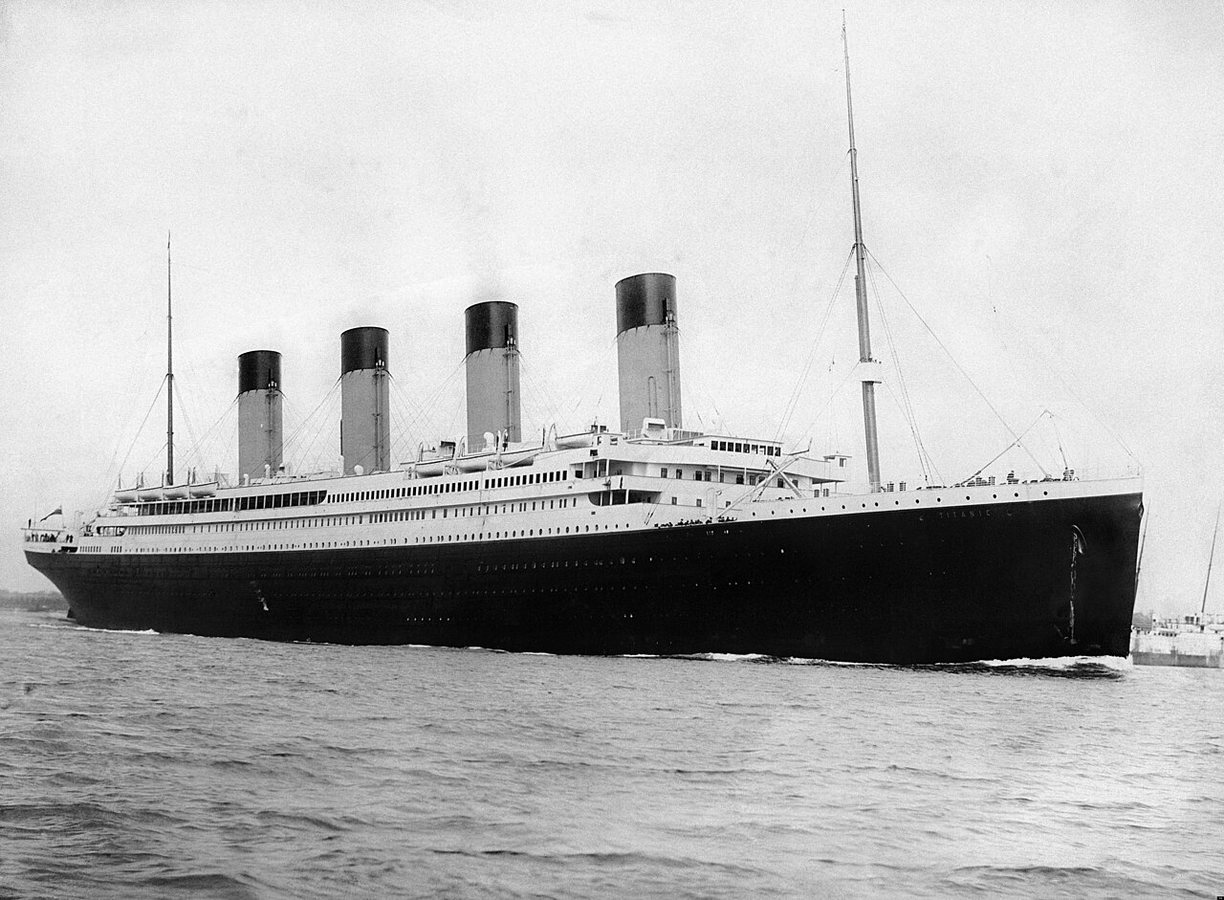
Titanic was a British ocean liner operated by the White Star Line that sank in the early hours of 15 April 1912 after striking an iceberg on her maiden voyage from Southampton, England, to New York City. Of the 2,208 people aboard, about 1,500 died, estimates vary, making it one of the deadliest peacetime sinkings of a single ship. The disaster prompted major changes in maritime safety regulations and has had a lasting influence on popular culture.
Design and construction


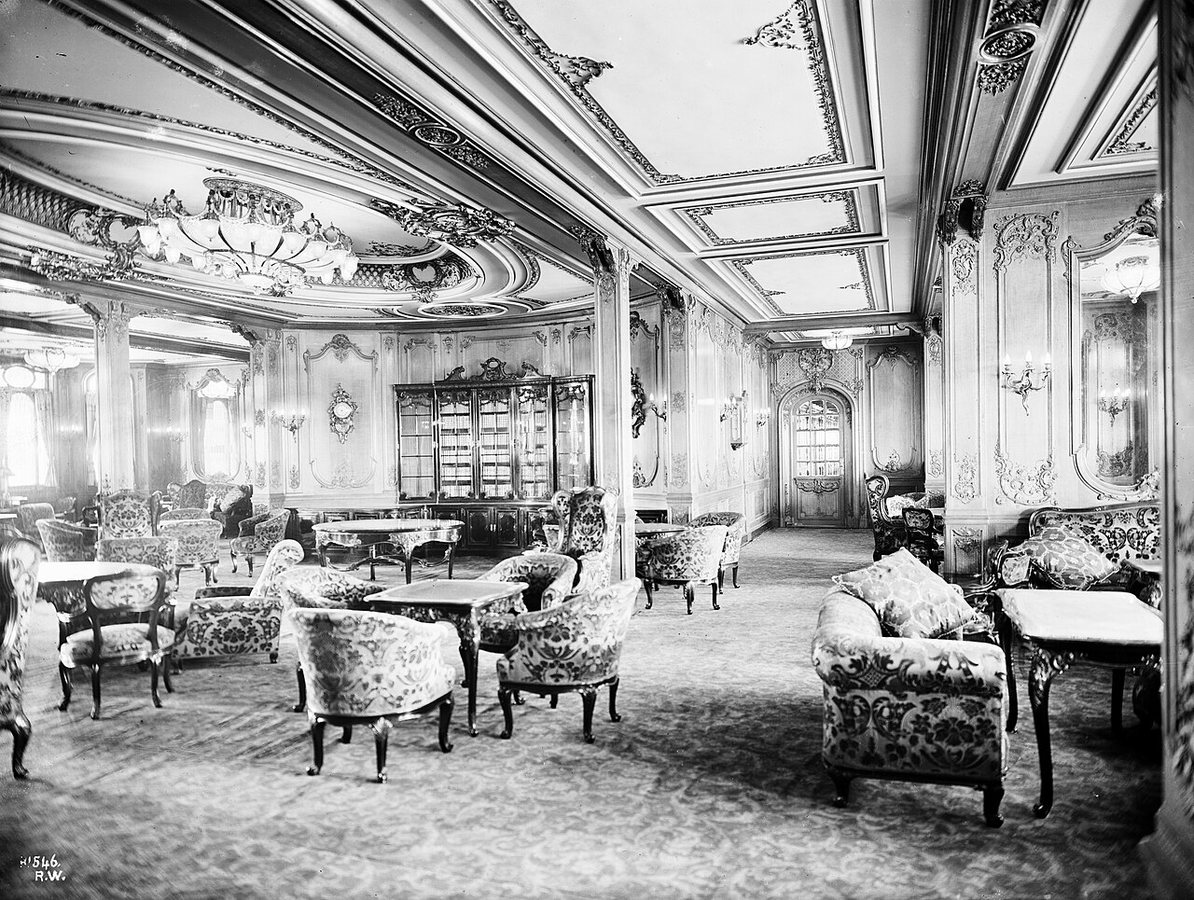


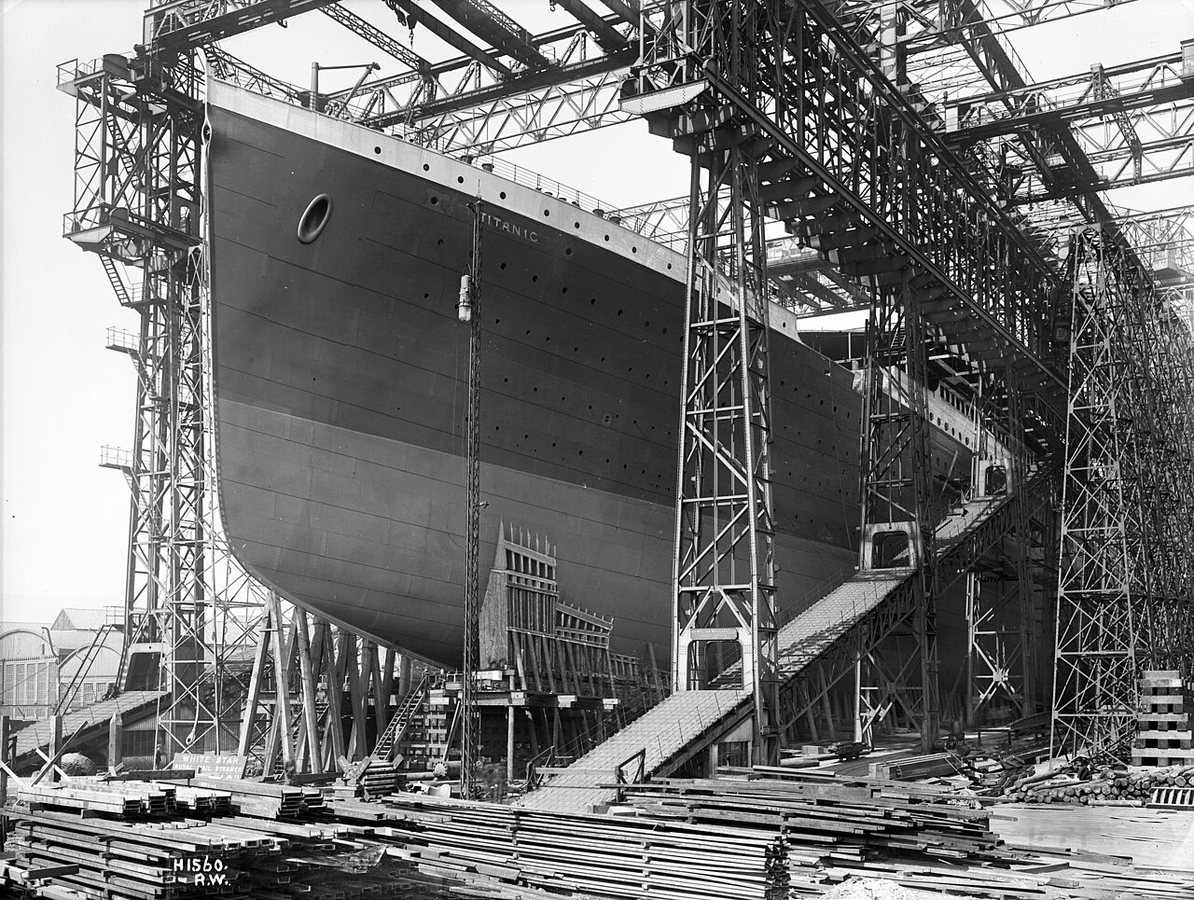

Titanic was the second of three Olympic-class liners built for the White Star Line by Harland and Wolff in Belfast. At the time of her entry into service she was the largest ship afloat. Her first-class accommodations were intended to be the height of comfort and included a gymnasium, a swimming pool, smoking rooms, restaurants, and a Turkish bath. She was fitted with watertight compartments and remotely operated watertight doors, features that contributed to her reputation as unsinkable.
Lifeboats and the sinking


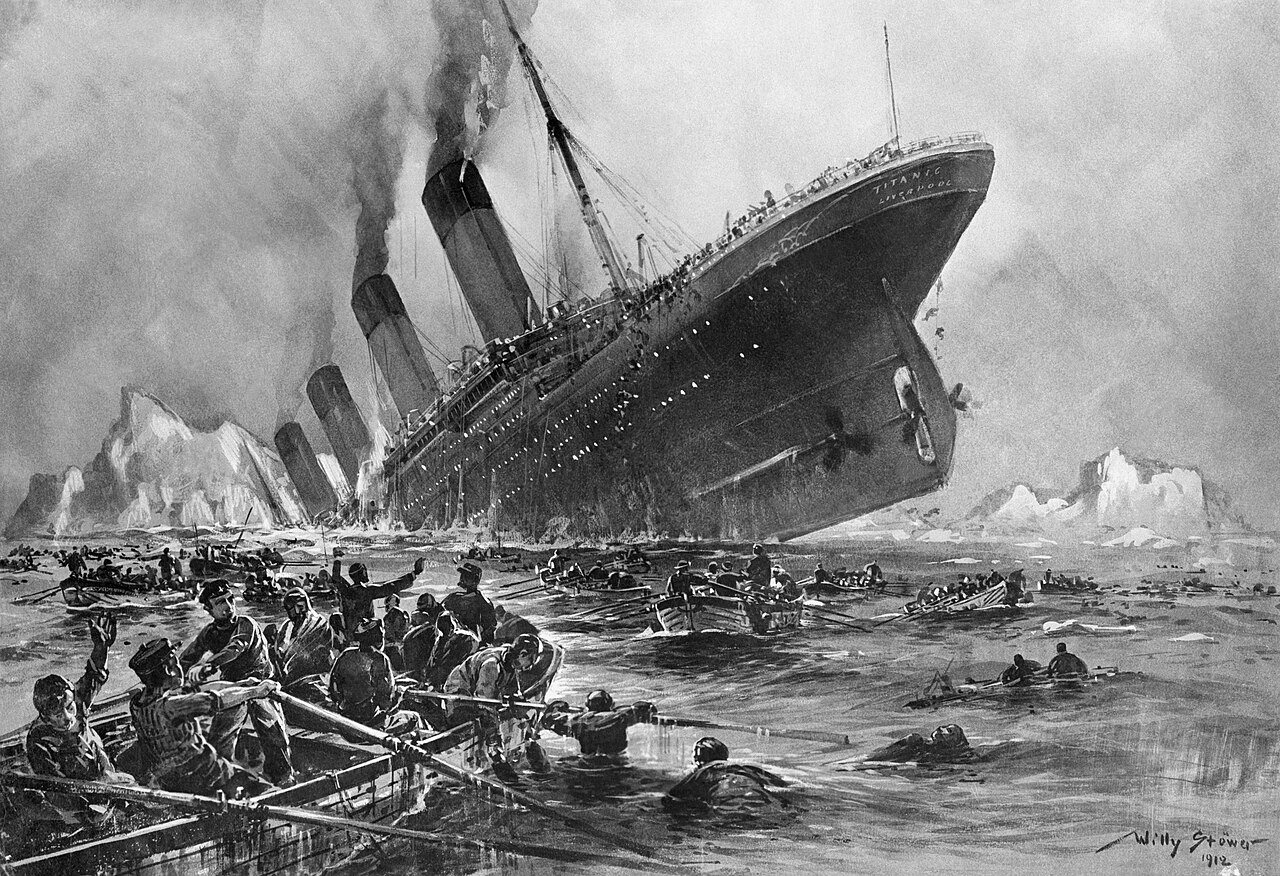


Although she could have carried a far larger number of lifeboats, Titanic was equipped with twenty boats, which together could hold 1,178 people, roughly half the number aboard. This exceeded the number required by British regulations of the time. When the ship sank, the lifeboats that had been lowered were carrying on average about 60 percent of their rated capacity, a fact that shaped public and official criticism of the disaster.
Legacy

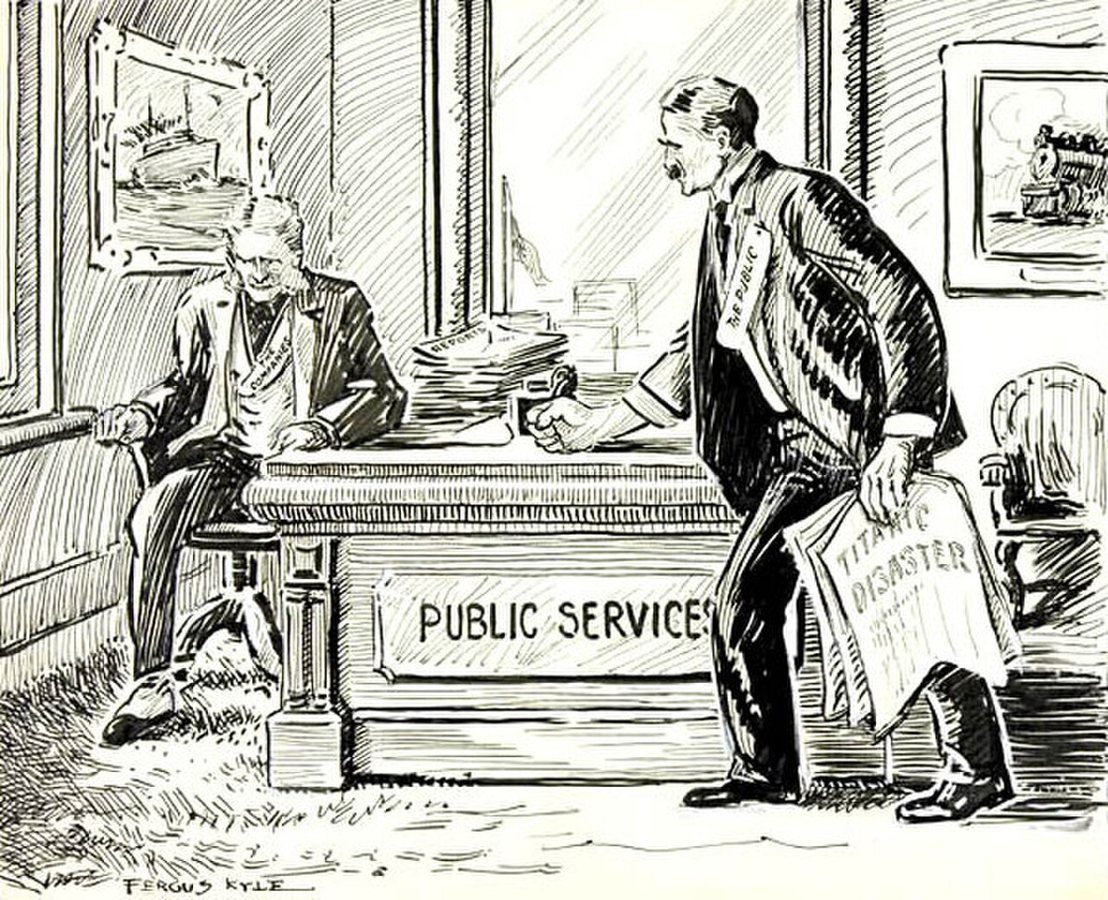


The sinking drew worldwide attention and led to new international rules on lifeboats, radio watch, and ice patrols. The ship's wreck was located in 1985 and has since become the subject of books, films, and memorials, and the disaster remains one of the most widely recounted maritime tragedies.