
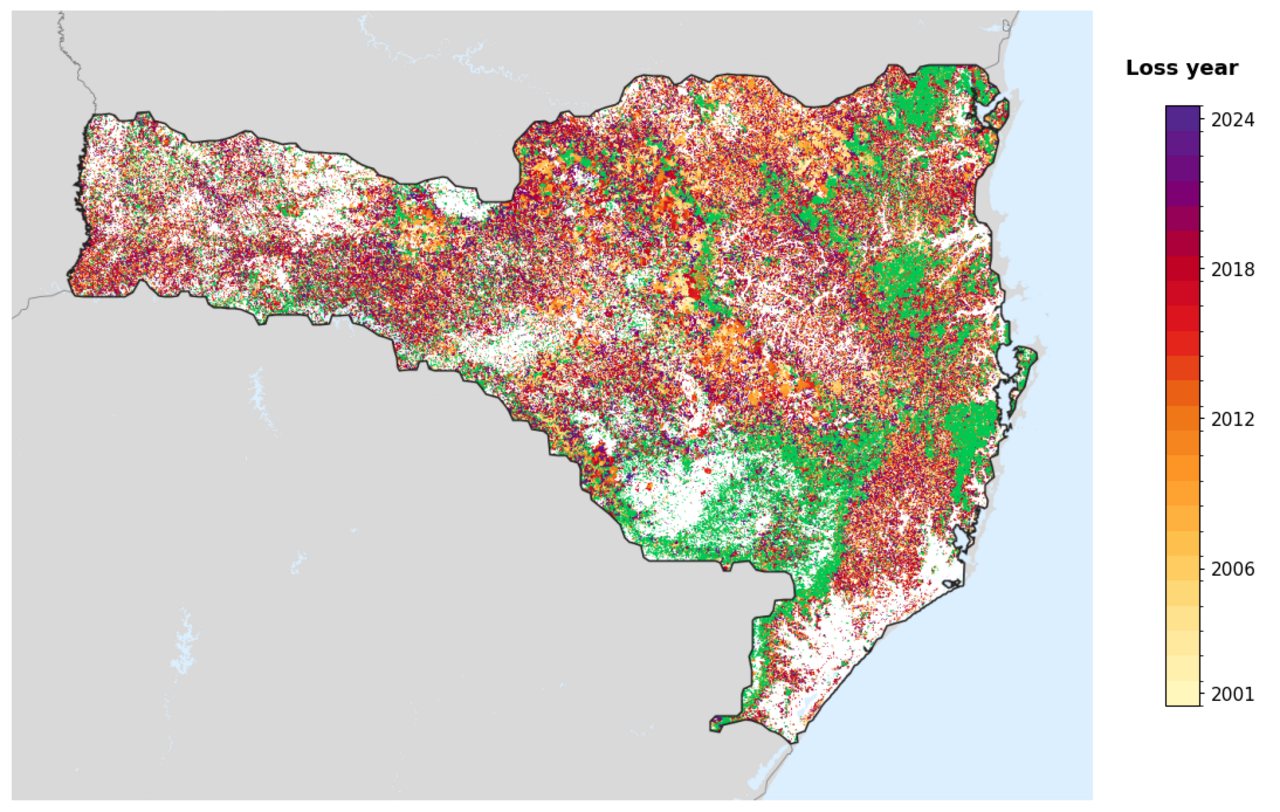
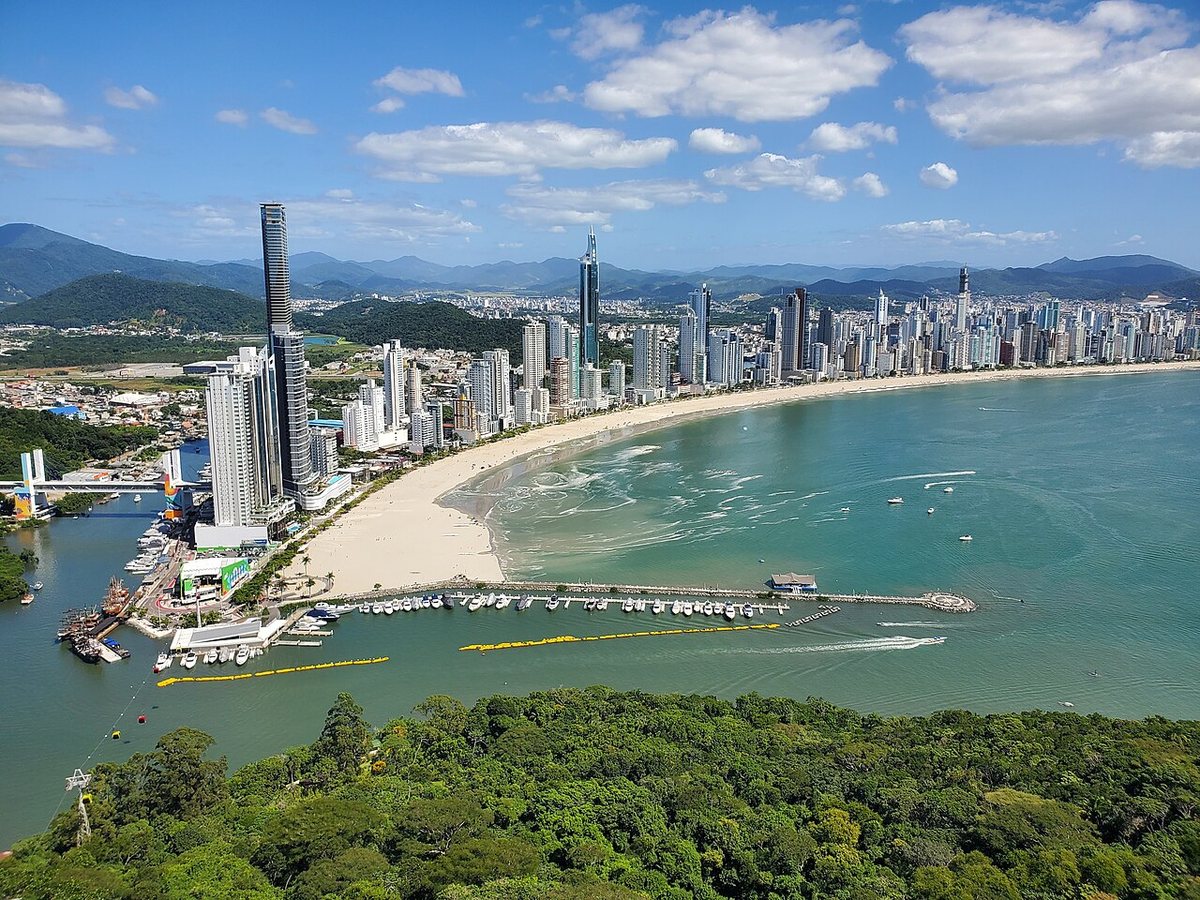
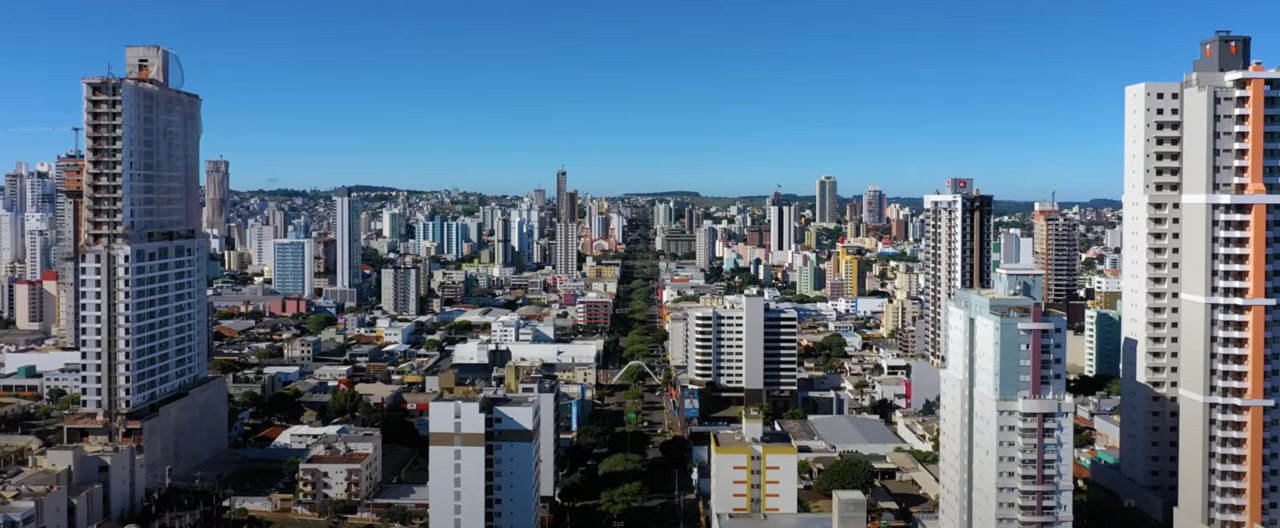
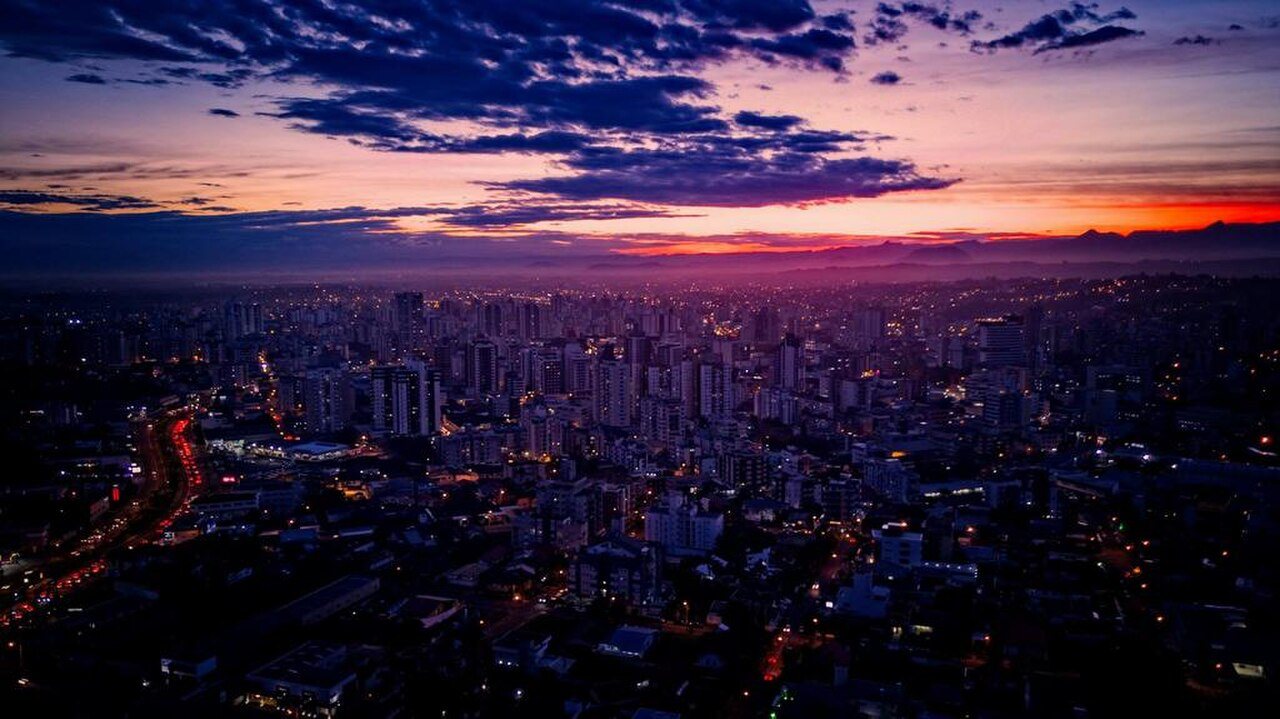
Santa Catarina is one of the 27 federative units of Brazil, located in the centre of the country's Southern region. It borders Paraná to the north, Rio Grande do Sul to the south, the Atlantic Ocean to the east and the Argentine province of Misiones to the west. With about 7.6 million inhabitants in 2022, it is the tenth most populous Brazilian state, and its capital is Florianópolis. The state is known for its mountainous terrain and for socioeconomic indicators that rank among the best in the country.
Name and origins
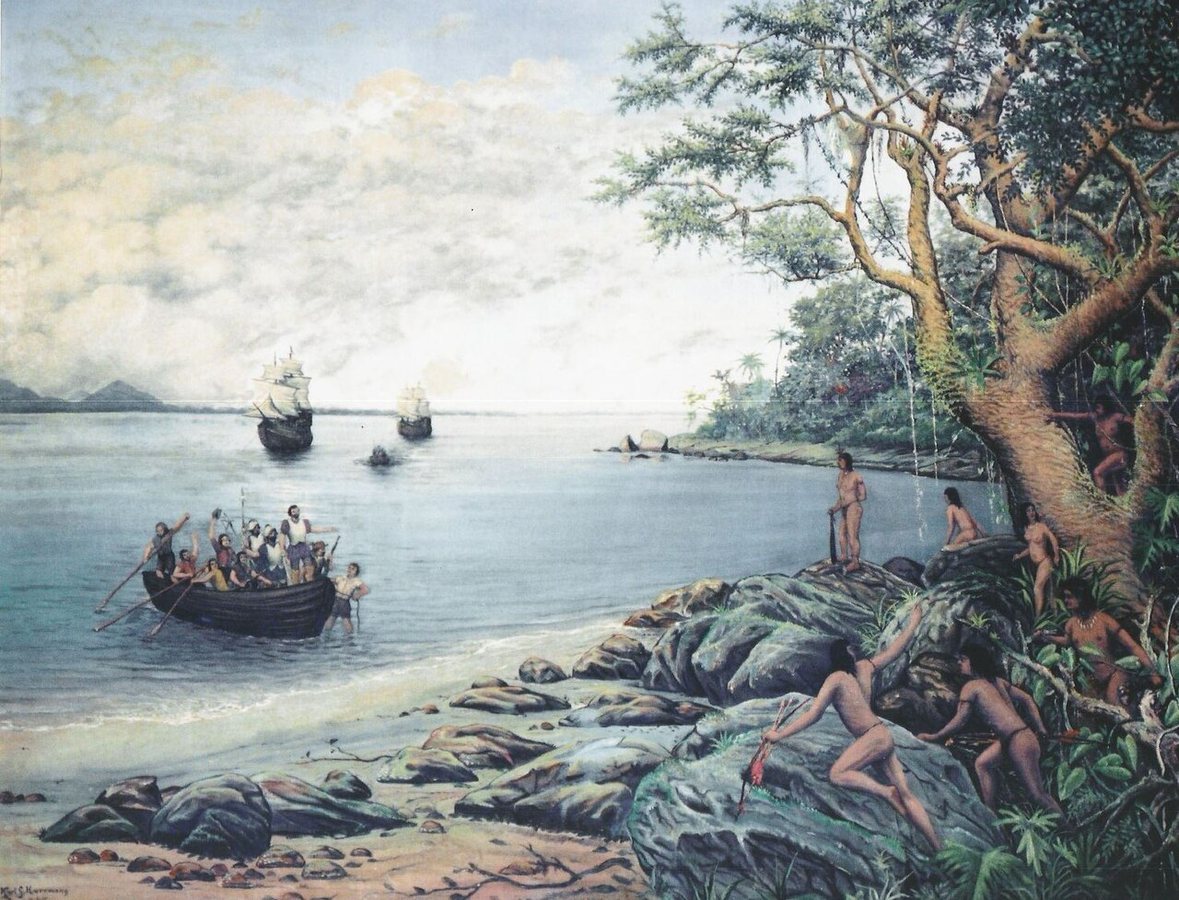
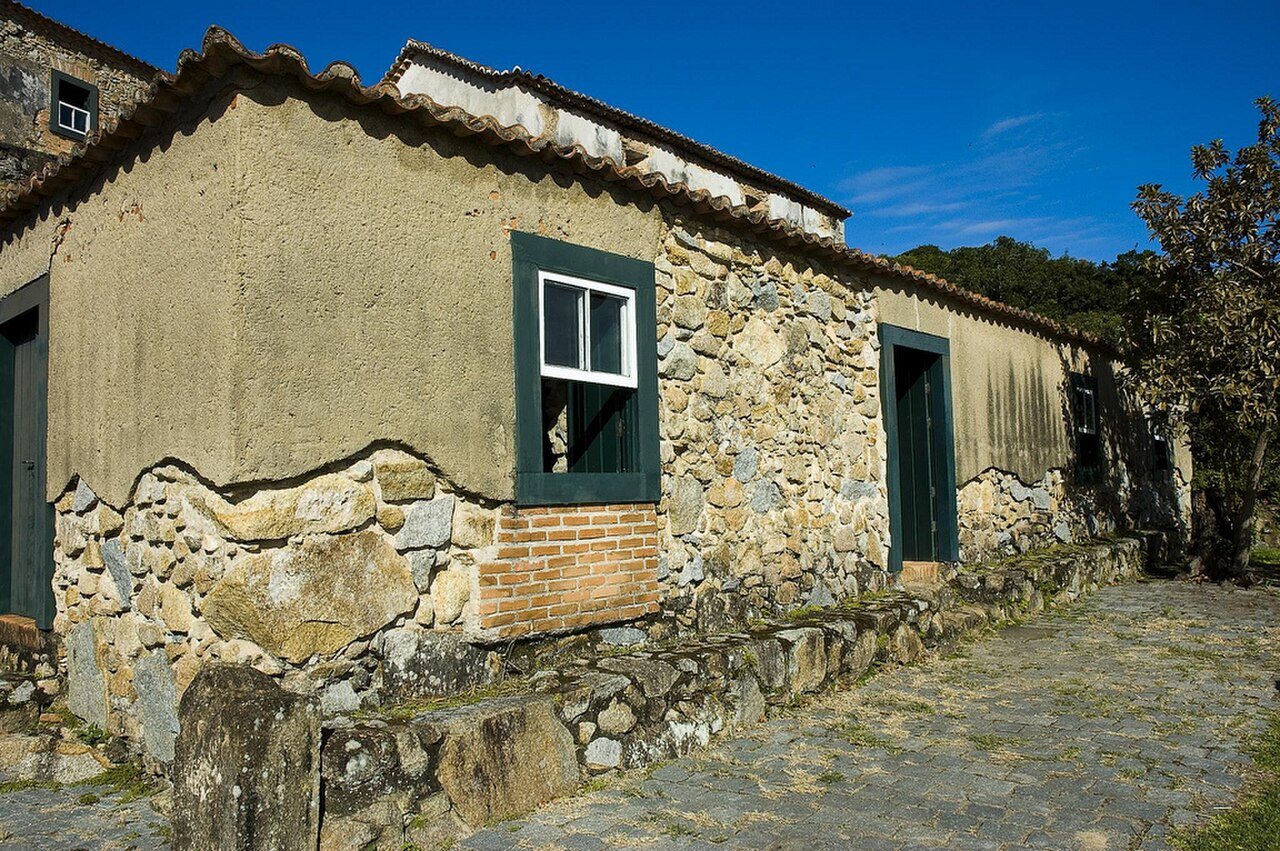
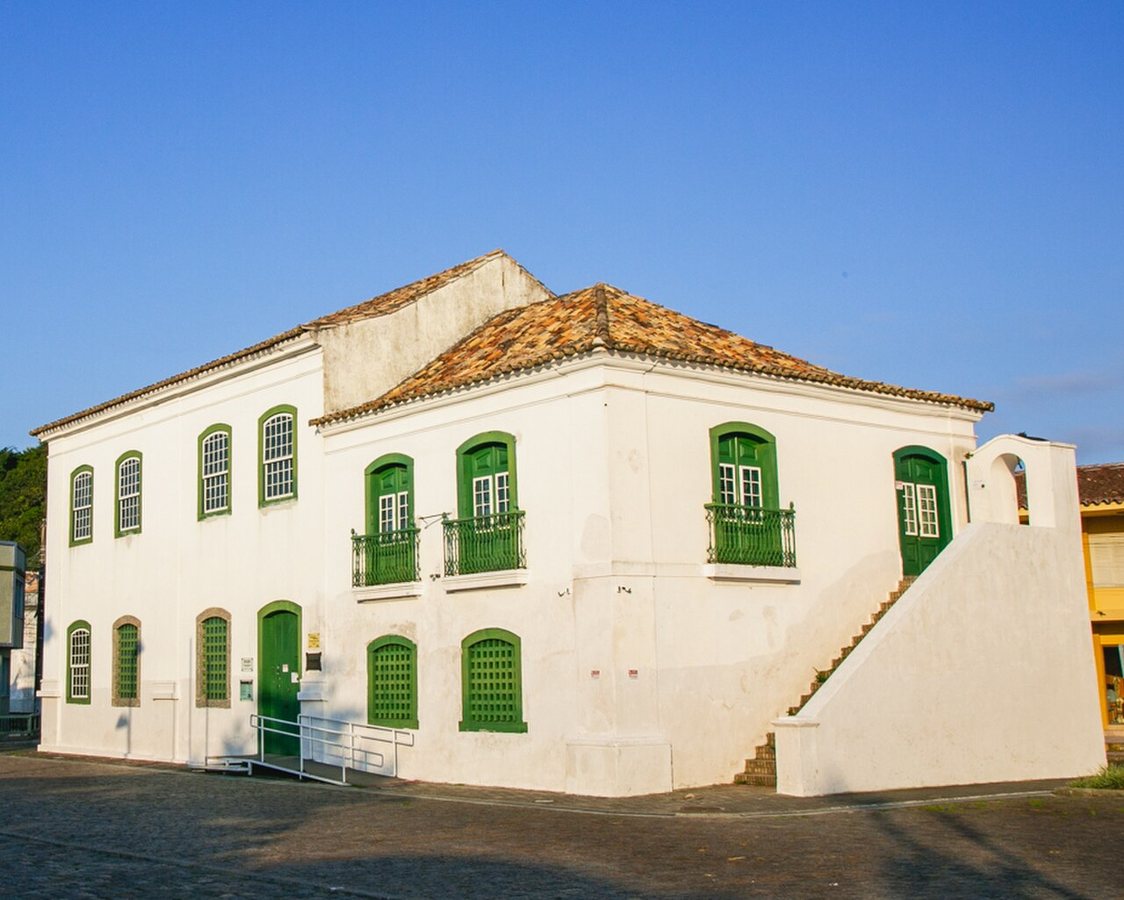
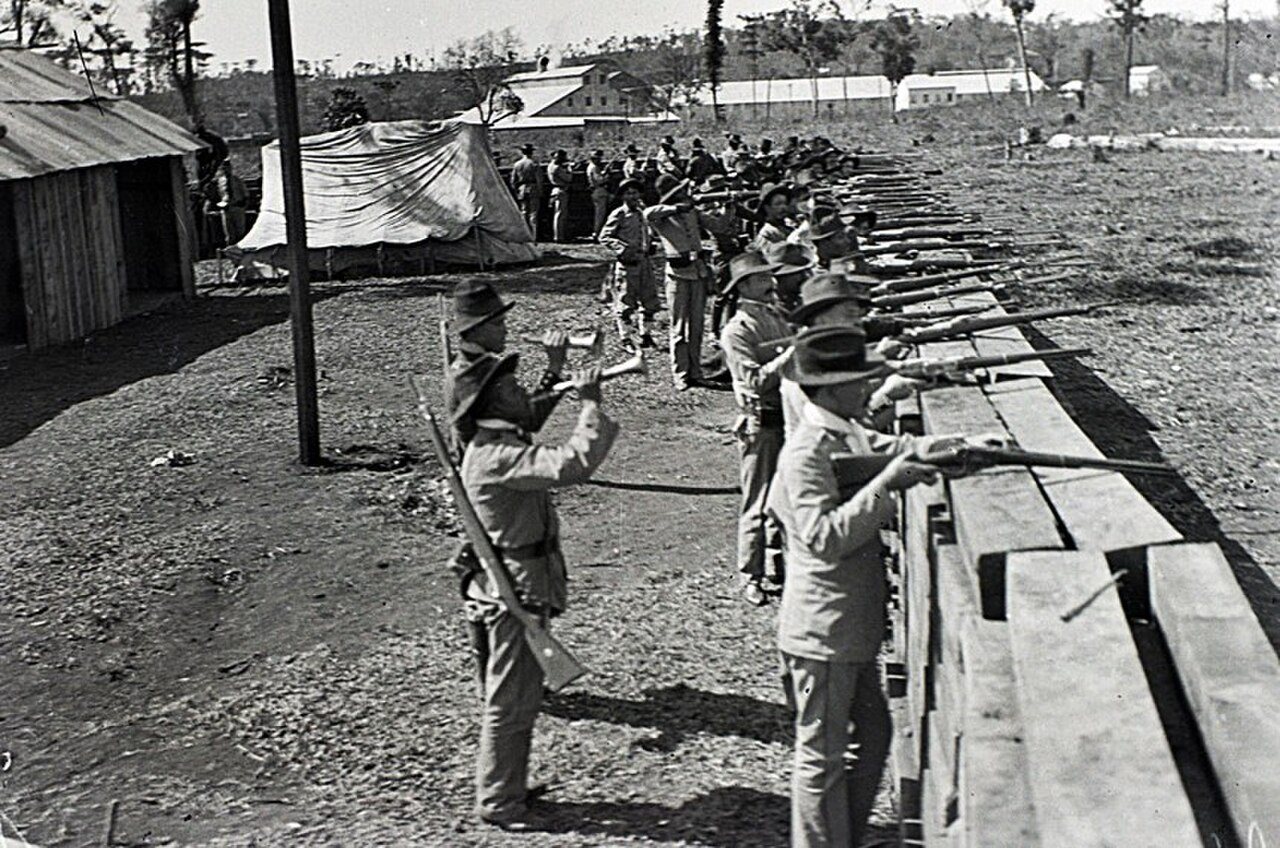


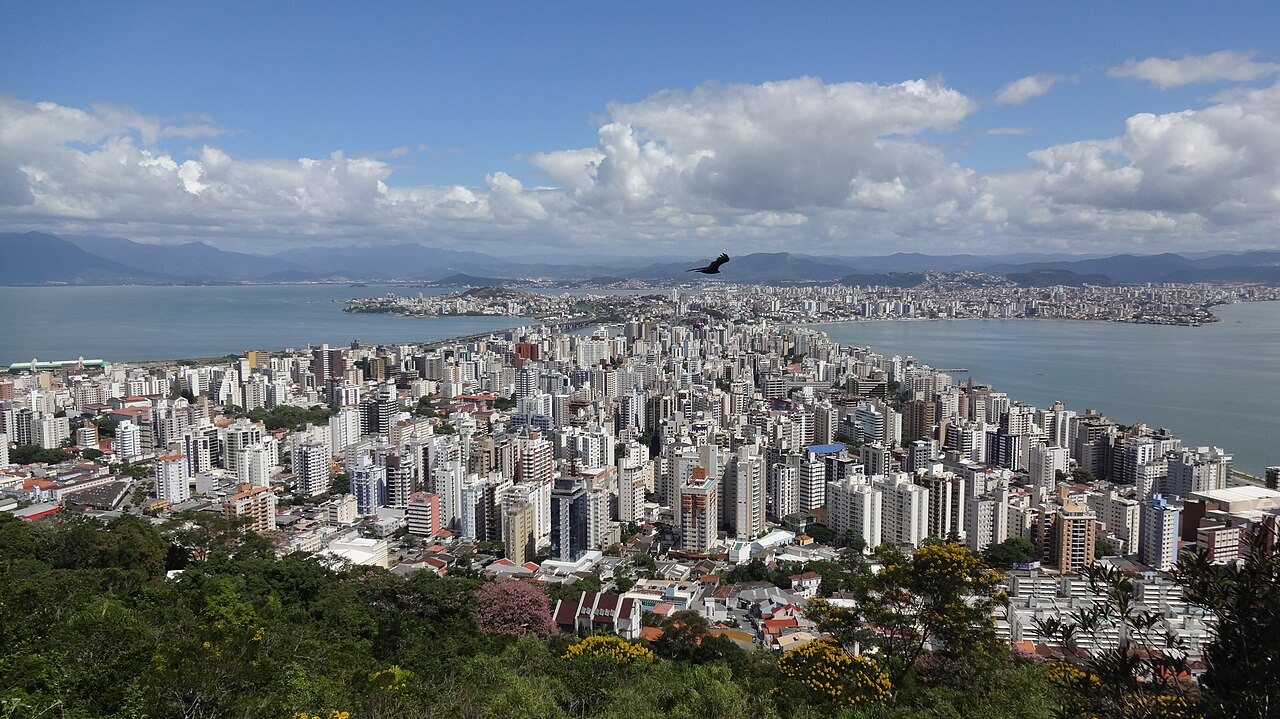
The name is usually linked to the island now called Santa Catarina, which was named after Saint Catherine of Alexandria. Francisco Dias Velho, who arrived around 1675, is said to have given the place its name, while other accounts credit the Venetian explorer Sebastian Cabot, who passed through the area in 1526 and 1527. Residents are called Catarinenses or Barrigas-Verdes, a nickname that refers to the green waistcoats worn by Portuguese soldiers under José da Silva Pais.
Colonial history
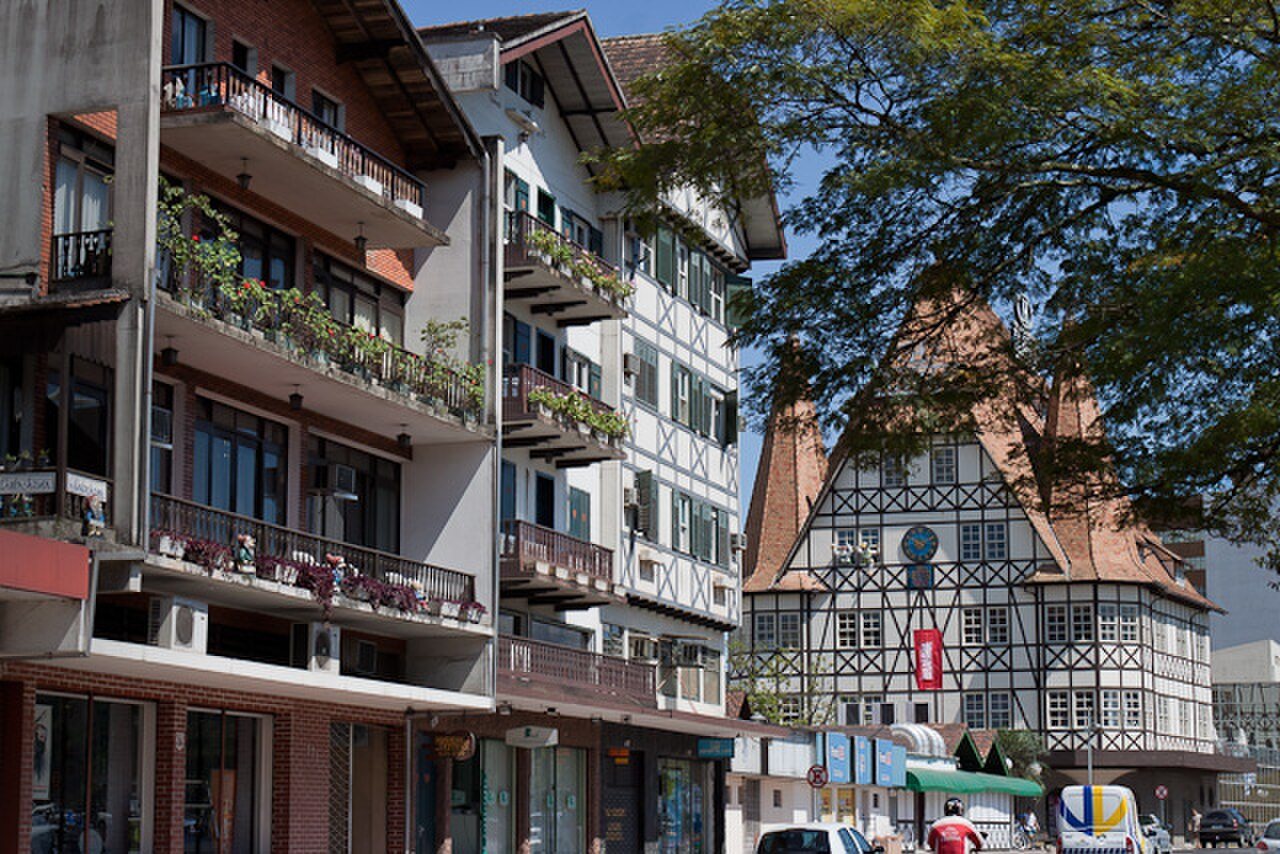




The Carijós, a Tupi-Guarani people, inhabited the area when Europeans arrived. Portuguese interest grew in the mid-seventeenth century, and the captaincy was founded in 1738 after separating from São Paulo. From the 1740s, Portugal encouraged immigration from Madeira and the Azores to secure disputed territory against Spain. Later, European immigrants from Italy, Germany and elsewhere also shaped the population, alongside African slaves and their descendants.
Economy and society
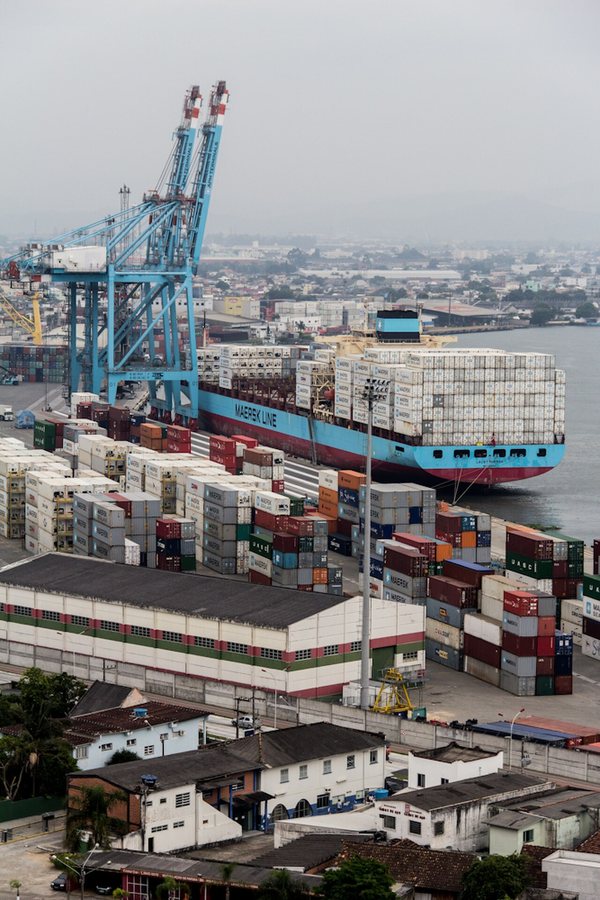
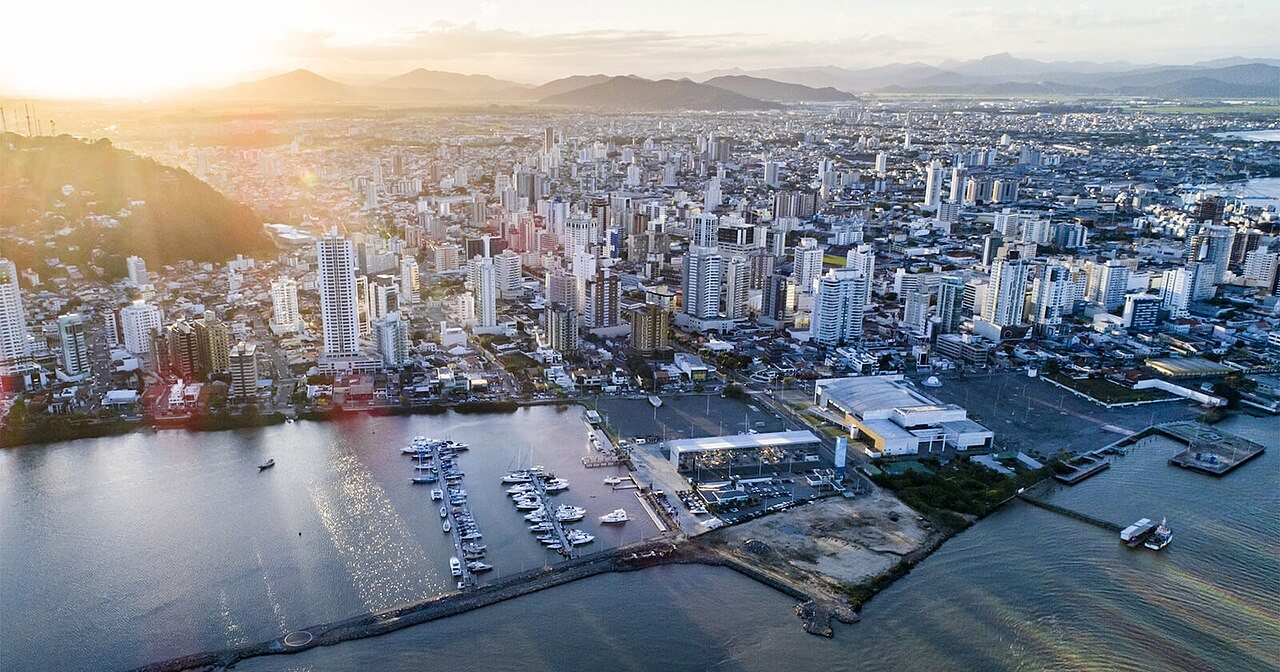

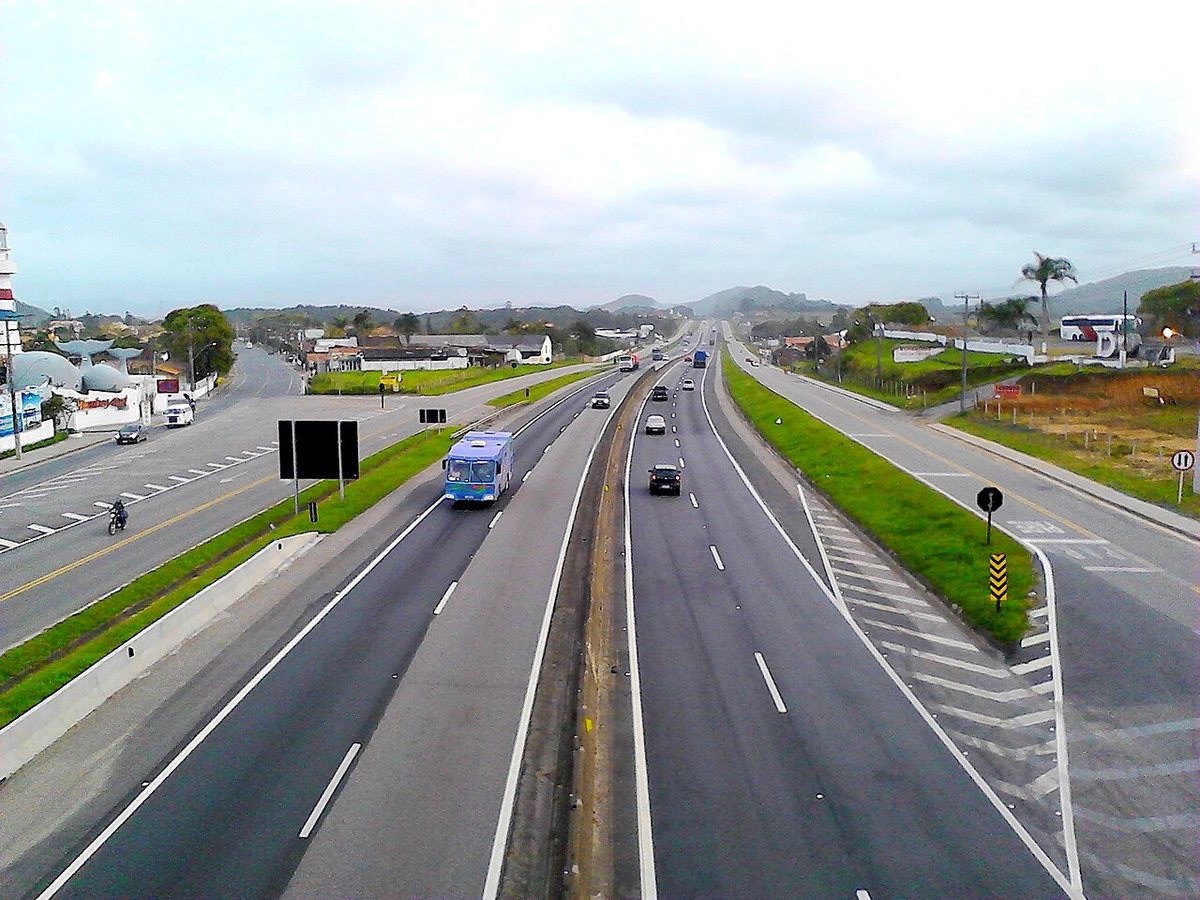
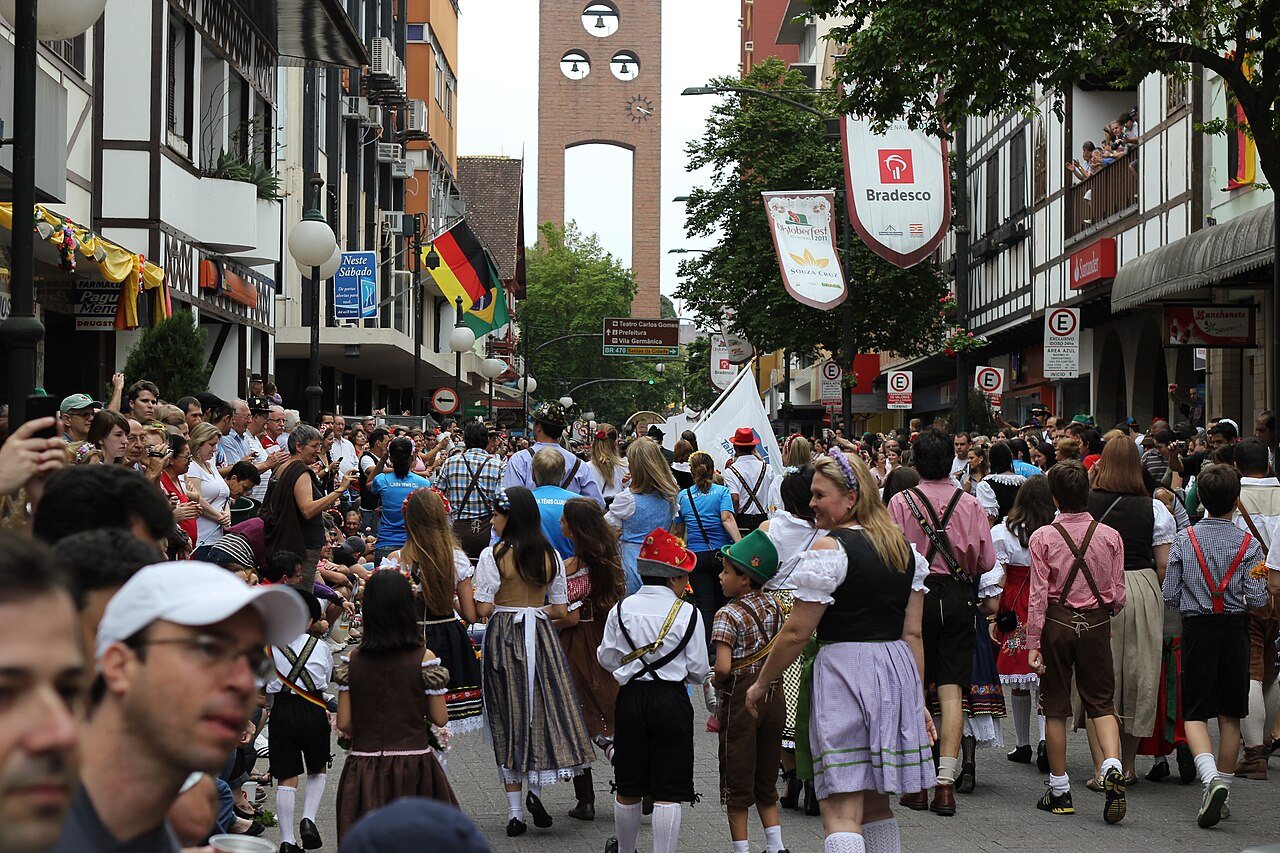
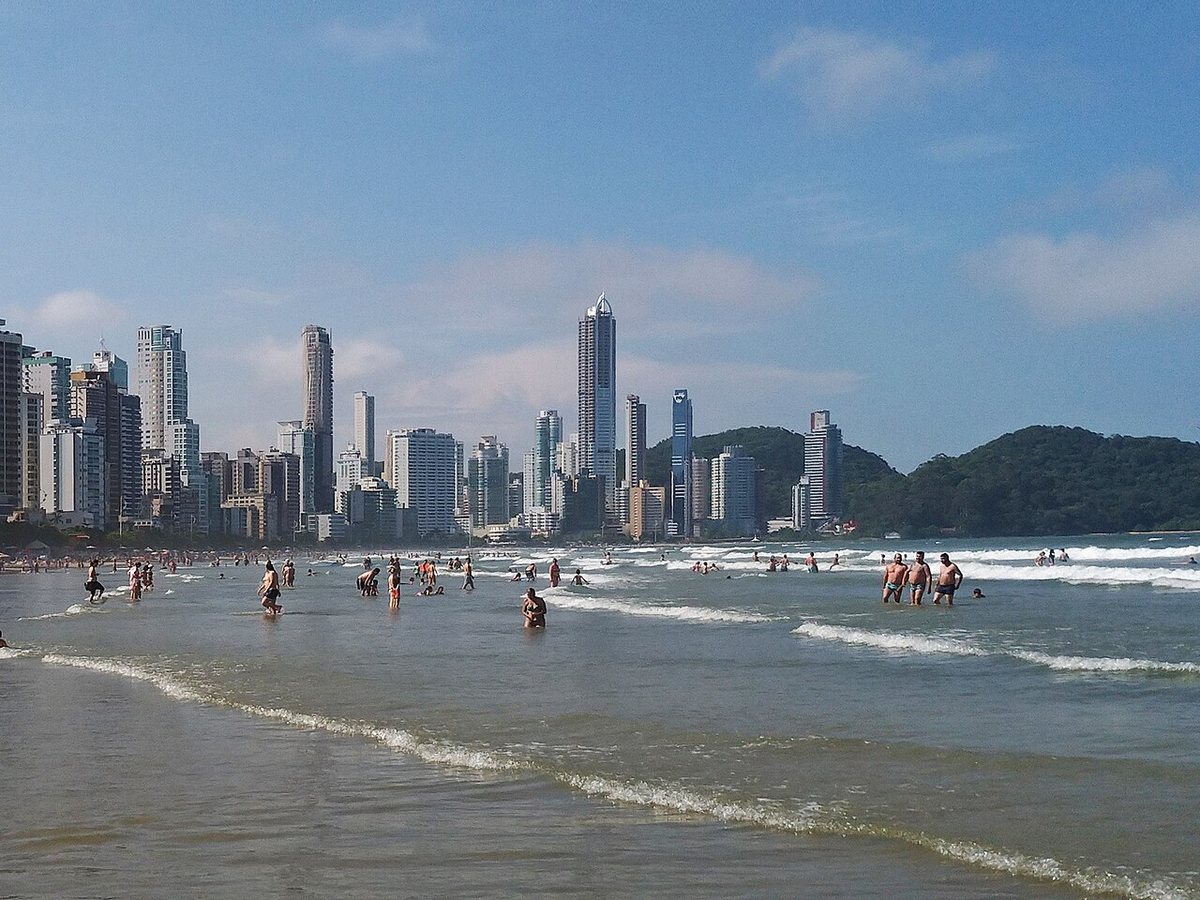

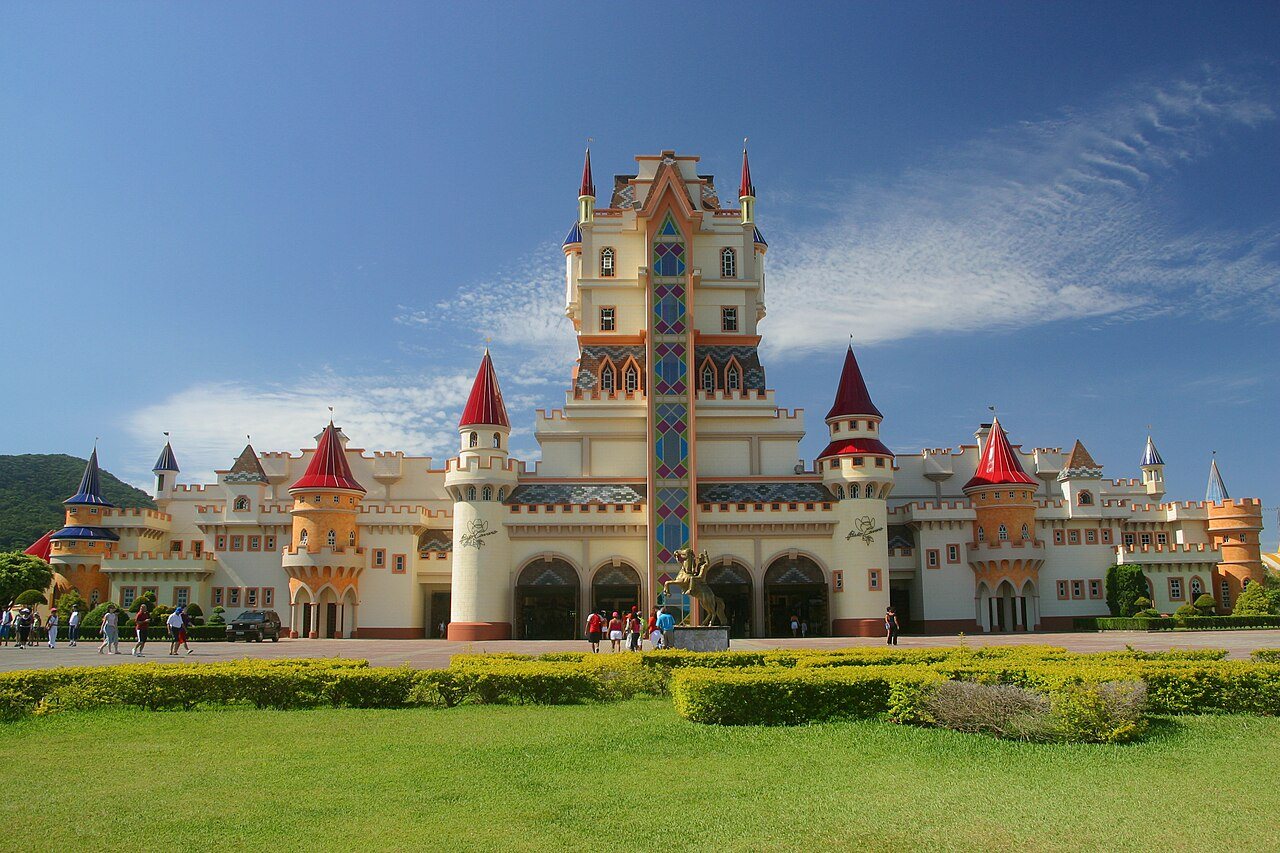


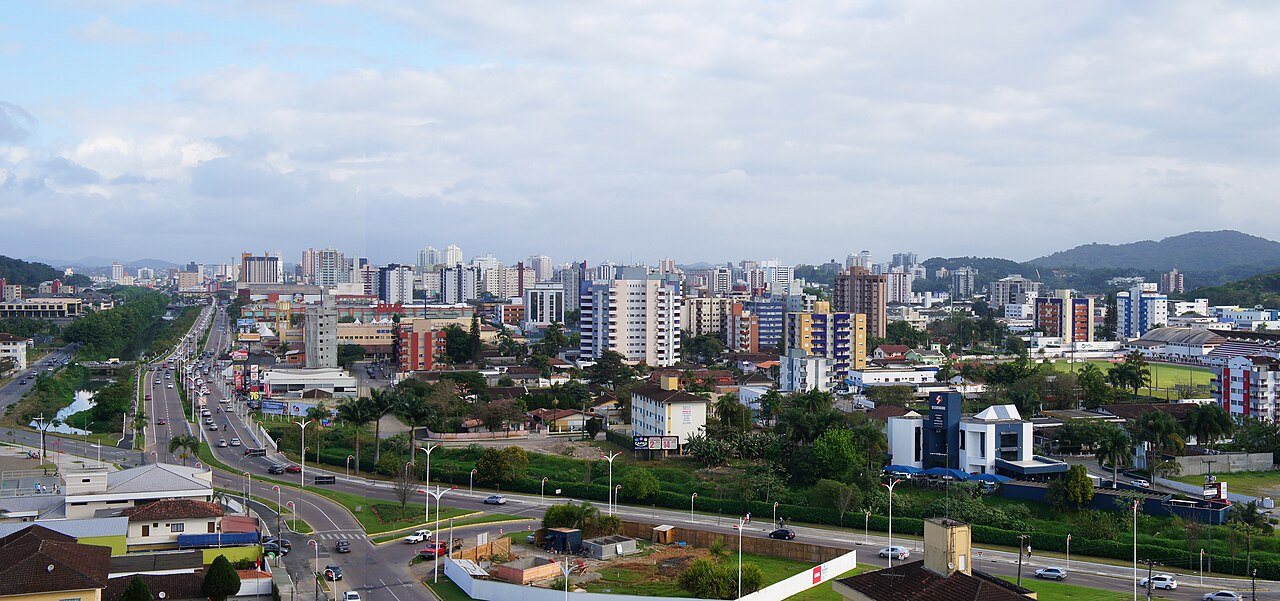
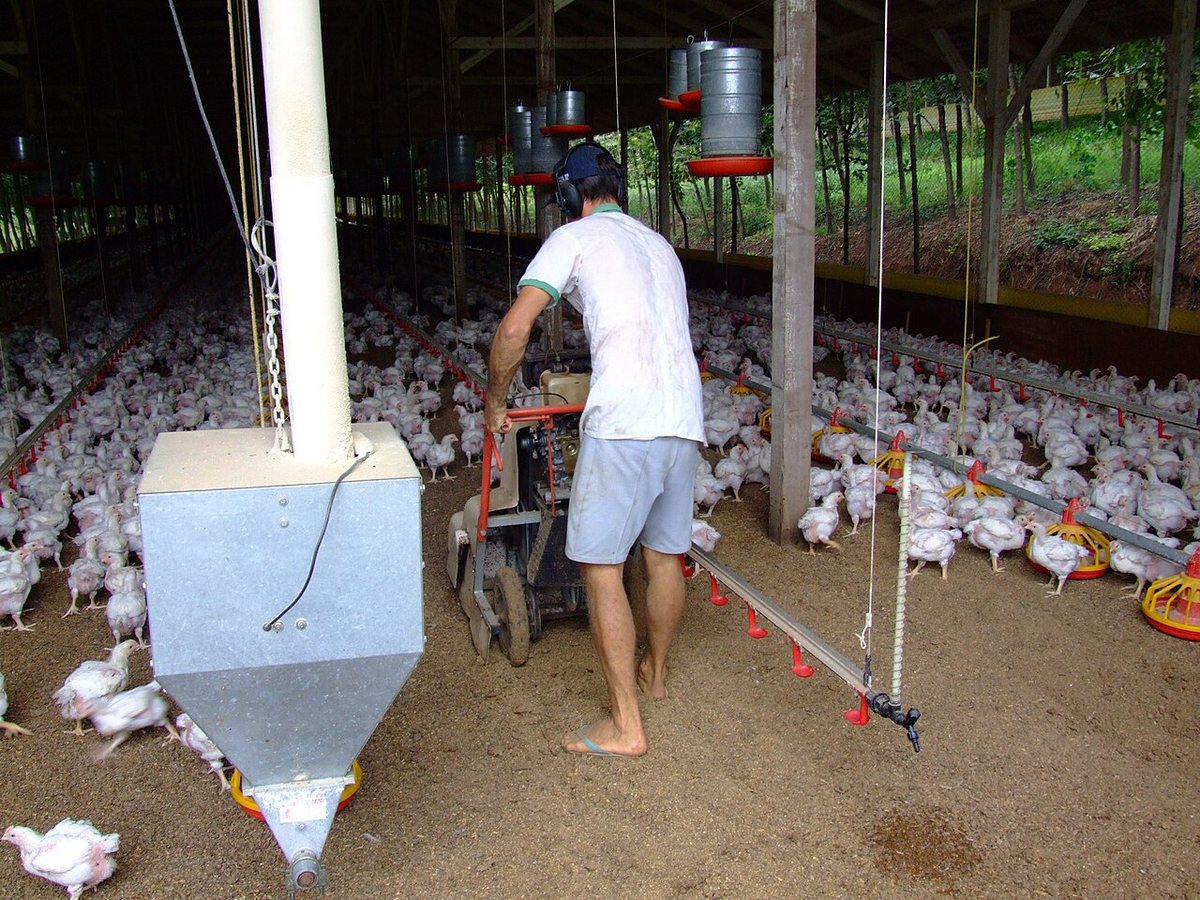
The state ranks highly for life expectancy, public safety, and low rates of homicide, illiteracy and poverty. It has the third-highest Human Development Index and GDP per capita in Brazil, and the least economic inequality among federative units. Its economy includes agriculture, livestock, poultry, manufacturing and ports such as Itajaí, while its coast attracts tourism.