factograf
EN
Sign in

city in southwestern Ukraine, administrative center of Odesa Oblast and Odesa Raion

Odesa

Odesa

Odesa, also spelled Odessa, is the third-most populous city in Ukraine and a major seaport and transport hub on the northwestern shore of the Black Sea. It is the administrative centre of Odesa Oblast and Odesa Raion and a multiethnic cultural centre. In 2023, its historic city centre was added to the UNESCO World Heritage List in recognition of its multiculturality and 19th-century urban planning, and it was placed on the List of World Heritage in Danger because of damage from the Russian invasion.

Early history
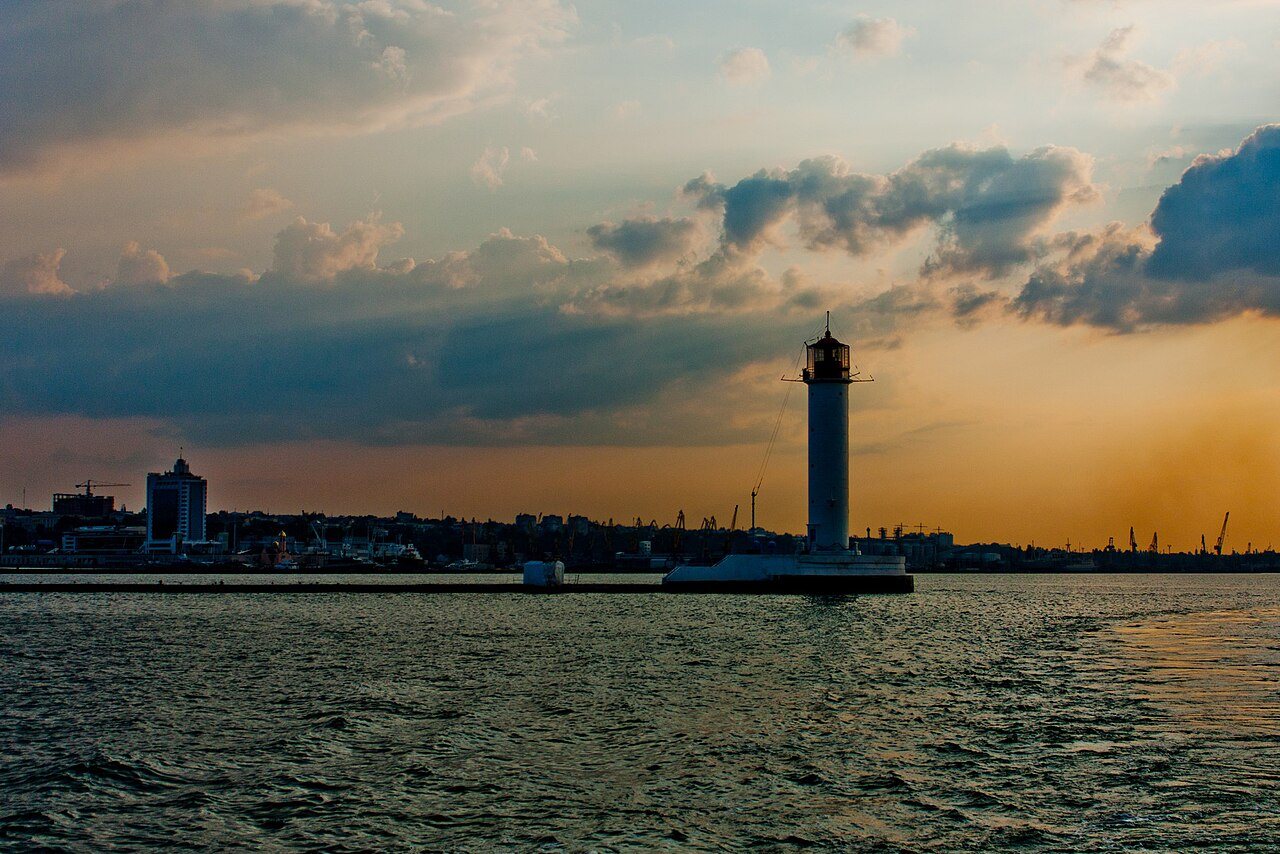
Vorontsov Lighthouse 17
Railway station building 01
Odesa Misky Sad 51-101-5003 SAM 9501
Opera and ballet theatre building 3
Odessa staircase
Odessa staircase
Primorskiy Boulevard 7-8-5
Remains of an ancient Greek settlement under the glass roof on Prymorskyi Boulevard in Odesa
Map of Odesa in 1794
Map of Odesa in 1814
Ivan Martos's statue of the Duc de Richelieu in Odesa
In the mid-19th century Odesa became a resort town popular with the Russian upper classes, which spurred investment in hotels and leisure projects.
By the early 1900s Odesa had become a large, thriving city with European architecture and electrified urban transport.
12 images

A large Greek settlement existed in the area no later than the middle of the 6th century BC, and some scholars think it was a trading post of the Greek city of Histria. Over the Middle Ages the area passed among nomadic tribes, the Golden Horde, the Crimean Khanate, the Grand Duchy of Lithuania and the Ottoman Empire. A fortress called Khadjibey, first mentioned in 1415, stood on the site before the Ottomans took direct control in 1529.

Imperial growth

Defence of Odessa, reverse
Award certificate for the medal For the Defence of Odessa
Ships at anchor in Odesa, the USSR's largest port, 1960
The city is undergoing widespread urban restoration, shown here with Russov House in 2020.
The Vorontsov Lighthouse in the Gulf of Odesa, with the city on the Black Sea.
Odessa panorama
Odessa panorama
The Anatra DS Anasal, an aircraft built by the Anatra factory, founded by an Italian of Odesa
Historic ethnic and national composition of Odesa
Odesa City Hall, seat of the city's municipal authorities
Old map of Odesa's city centre, with north to the left
Italian baroque facade of the Odesa Opera and Ballet Theatre, started with the important contribution of Odesa's Italians
A park on Prymorskiy Avenue in Odesa
12 images

After Russia gained the territory in 1792, Empress Catherine II ordered a navy harbour and trading place built there, and it was renamed Odessa. From 1819 to 1858 it was a free port. In the 19th century it became the fourth-largest city of the Russian Empire, and its architecture, shaped by French and Italian influences, is more Mediterranean than Russian. During the Soviet period it remained an important trading port and naval base.

Port and economy

The Odesa Archaeological Museum was designed in the Neoclassical style, like many other city landmarks.
The Pushkin Monument, Odesa, 1889
The main hall of the Odesa Philharmonic Society's theatre
The Stolyarsky School, founded in 1933, has long been recognised as a centre of musical excellence.
Aerial view of Chayka Beach
Beaches of Arcadia
Beaches of Arcadia
Ukrainian Navy honour guards during Navy Day celebrations in Odesa, 2016
Hotel Grand Moscow in Odesa
Arkadia Beach in Odesa
Odesa port with a ship, Czech-language photo
Deribasovskaya 33-36
Odesa has long been an important Black Sea port.
12 images

Odesa is a warm-water port hosting the Port of Odesa and Port Pivdennyi, a significant oil terminal in the suburbs. The nearby port of Chornomorsk lies to the south-west in the same oblast. Together they form a major transport hub linked to railways, while oil and chemical facilities connect to Russian and European pipeline networks. In 2000 the Quarantine Pier was declared a free economic zone for 25 years.

In 149 languages

Редакція Factograf · Published October 14, 2026 · Partly based on Wikipedia, CC BY-SA 4.0 · Source article