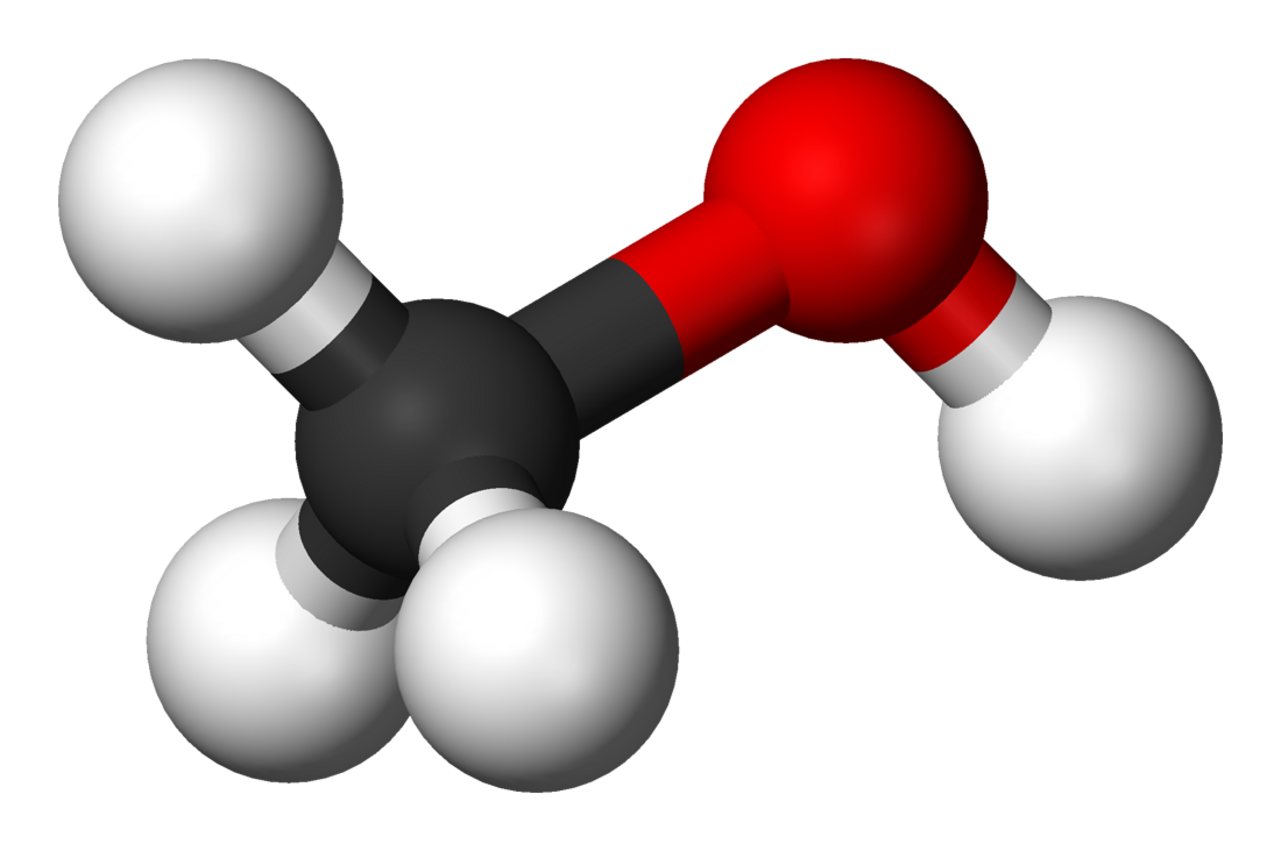
Methanol is an organic chemical compound and the simplest aliphatic alcohol, with the formula CH3OH. It is a light, volatile, colorless and flammable liquid with an alcoholic odor similar to ethanol, though it is considerably more acutely toxic. Also called methyl alcohol or wood alcohol, it is produced industrially mainly by hydrogenating carbon monoxide. With more than 20 million tons made each year, it serves as a precursor to many other commodity chemicals, including formaldehyde and acetic acid.
Origins and naming
Methanol earned the name wood alcohol because it was once made by the destructive distillation of wood. Pure methanol was first isolated in 1661 by Robert Boyle. The name was later shortened from methyl alcohol to methanol by an international chemical nomenclature conference in 1892. Industrial synthesis began in the early twentieth century, when German chemists at BASF developed a way to convert synthesis gas into methanol, and later catalysts allowed production at lower pressures.
Uses and fuel
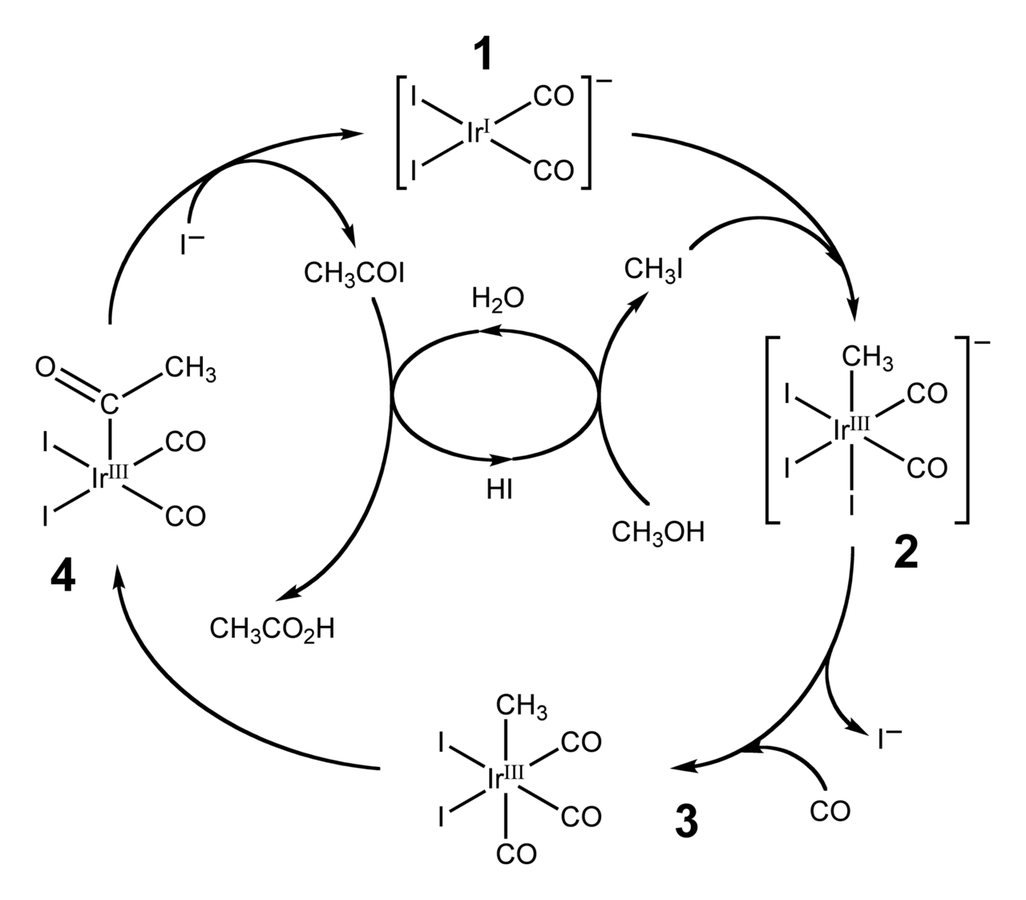
Most methanol is converted to formaldehyde, which is widely used in polymers. It also feeds the production of acetic acid and methyl tert-butyl ether, an octane booster in gasoline. Methanol can be converted into hydrocarbons and gasoline using zeolite catalysts. During the oil crises of the 1970s it attracted interest as a motor fuel, and some flexible fuel vehicles were built to run on it.