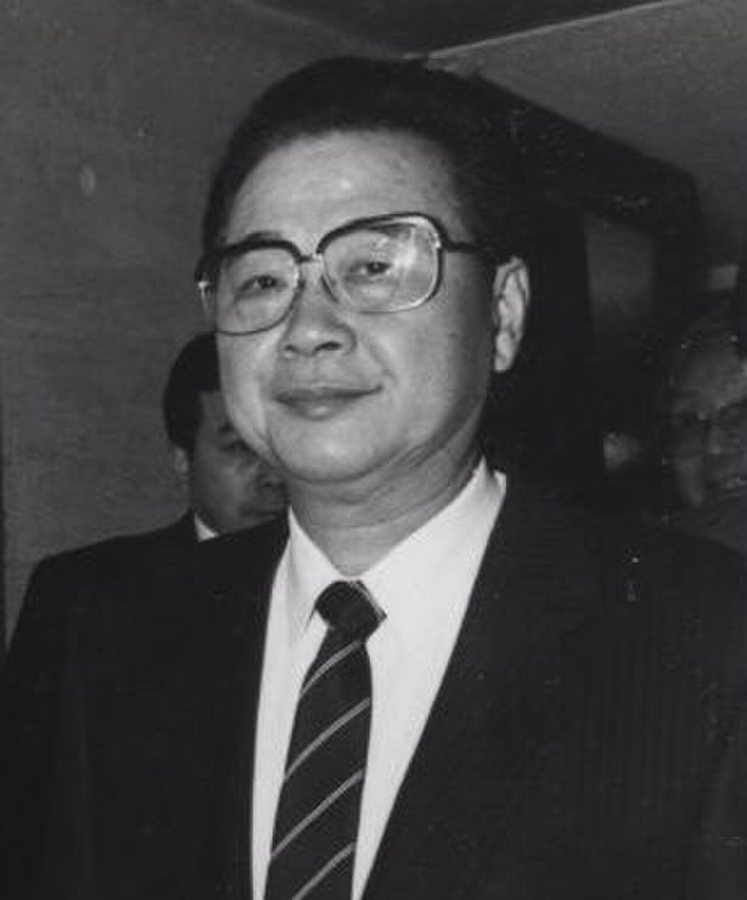
Li Peng (1928–2019) was a Chinese politician who served as premier of China from 1987 to 1998 and then chaired the Standing Committee of the National People's Congress, China's top legislative body, until 2003. For much of the 1990s he ranked second in the Chinese Communist Party hierarchy behind General Secretary Jiang Zemin. He remained on the Politburo Standing Committee until his retirement in 2002. He died in Beijing at the age of 90.
Early life and training
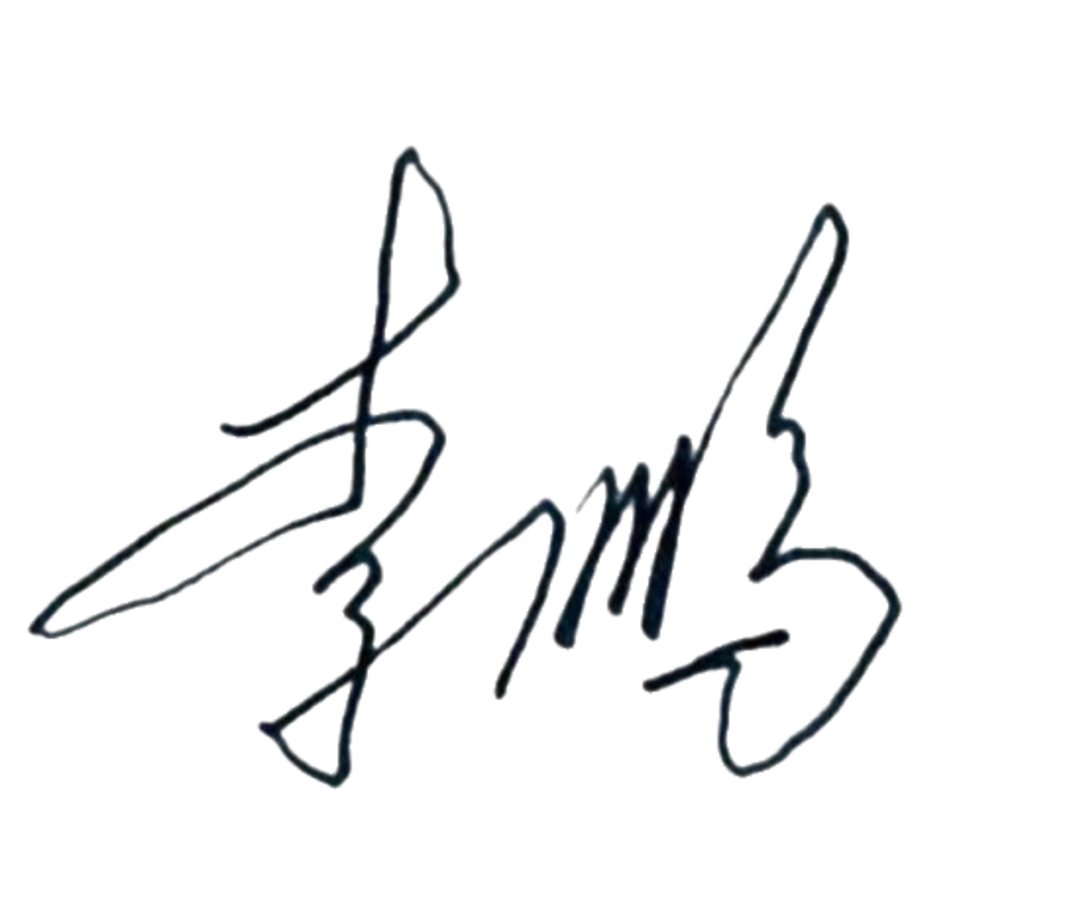
Li was the son of Li Shuoxun, an early Communist revolutionary who was executed by the Kuomintang in 1931. After meeting Zhou Enlai's wife, Deng Yingchao, Li was raised by Zhou and Deng and was sent to Yan'an, where he joined the Communist Party in 1945. He trained as a hydroelectric engineer in the Soviet Union and returned to China in 1955 to work in the power industry. His career advanced after Deng Xiaoping rose to leadership in the late 1970s, largely with the support of the party elder Chen Yun.
Role in Tiananmen

As premier, Li became the most visible official backing the use of force against the Tiananmen Square protests of 1989. He used his authority to declare martial law, working with Deng Xiaoping, who chaired the Central Military Commission, and the suppression ended in a massacre. Li favoured a conservative approach to reform, which put him at odds with Zhao Ziyang, who was removed from office that year. Li later lost influence to the incoming vice premier Zhu Rongji, who pushed market liberalization that Li could not prevent.
Later career
Li handed the premiership to Zhu Rongji in 1998 and became chairman of the National People's Congress Standing Committee. During this period he oversaw the controversial Three Gorges Dam project. His family was associated with the State Power Corporation of China, a large power monopoly that the government broke up after his term as premier ended. His legacy remains contested, particularly regarding his role in the 1989 crackdown.