
Kraków, officially the Royal Capital City of Kraków, is the second-largest and one of the oldest cities in Poland. Situated on the Vistula River in Lesser Poland Voivodeship, it had a population of 816,614 in 2025, with 1,428,363 people living in its metropolitan area. The city was the official capital of Poland until 1596 and has long been one of the country's leading centres of economic, academic, cultural and artistic life. Its Old Town was declared a UNESCO World Heritage Site in 1978, one of the first sites granted that status.
Origins and Medieval Growth
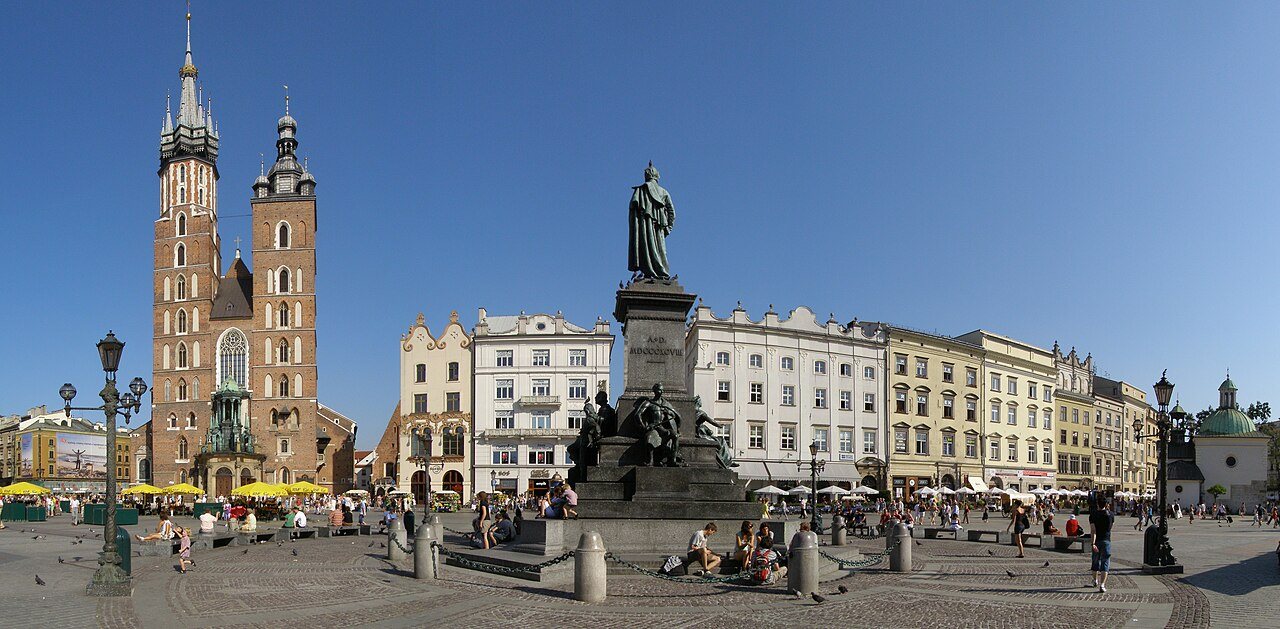


Kraków began as a fortified settlement of the Vistulans, a Lechitic tribe, around the 8th century, on Wawel Hill. In 1038 it became the seat of the Polish government under the Piast dynasty. Its position on trade routes made it a leading commercial centre by the end of the tenth century. The city was sacked during Mongol invasions in the 13th century, then rebuilt and granted city rights modelled on the Magdeburg law. In 1364 King Casimir III founded the University of Kraków, the second oldest university in central Europe.
Later History and Cultural Legacy


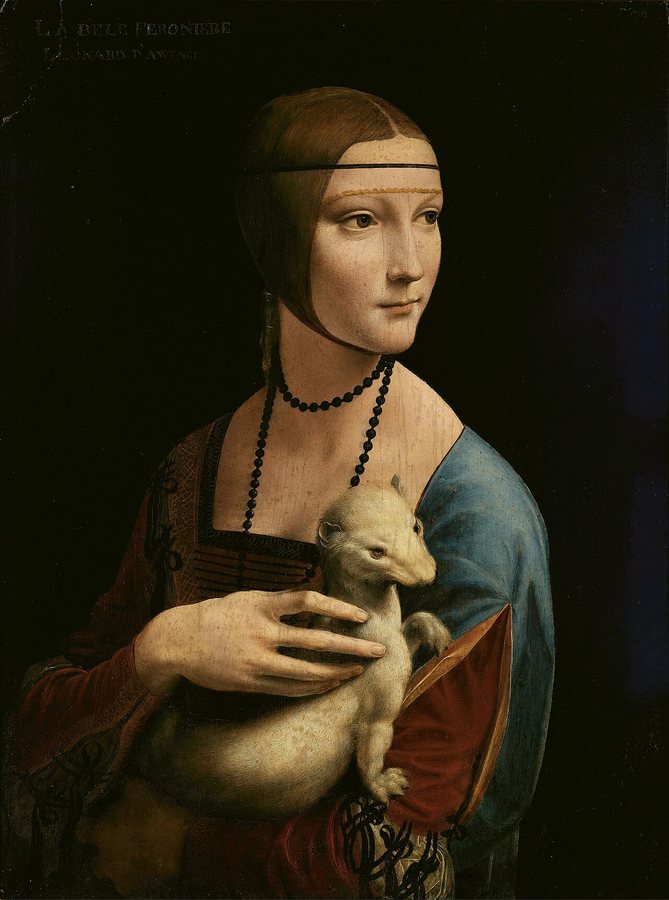
The 15th and 16th centuries, under the Jagiellonian dynasty, were a golden age of Polish art and learning. Kraków lost its role as capital in the late 16th century, when the royal court moved to Warsaw. During the Second World War, Nazi Germany made the city the seat of its General Government and confined the Jewish population in a ghetto, from which many were deported to extermination camps. The city was spared destruction. Today its Gothic, Renaissance and Baroque heritage, including Wawel Castle and the Main Market Square, draws many visitors.