
Jean Gabin (born Jean-Alexis Moncorgé; 1904–1976) was a French actor and singer regarded as one of the key figures of French cinema. He starred in a number of classic films of the 1930s and 1950s, including Pépé le Moko, La grande illusion and Le Quai des brumes. He twice won the Silver Bear for Best Actor at the Berlin International Film Festival and the Volpi Cup for Best Actor at the Venice Film Festival. He was made a member of the Légion d'honneur for his role in French cinema.
Early life and rise

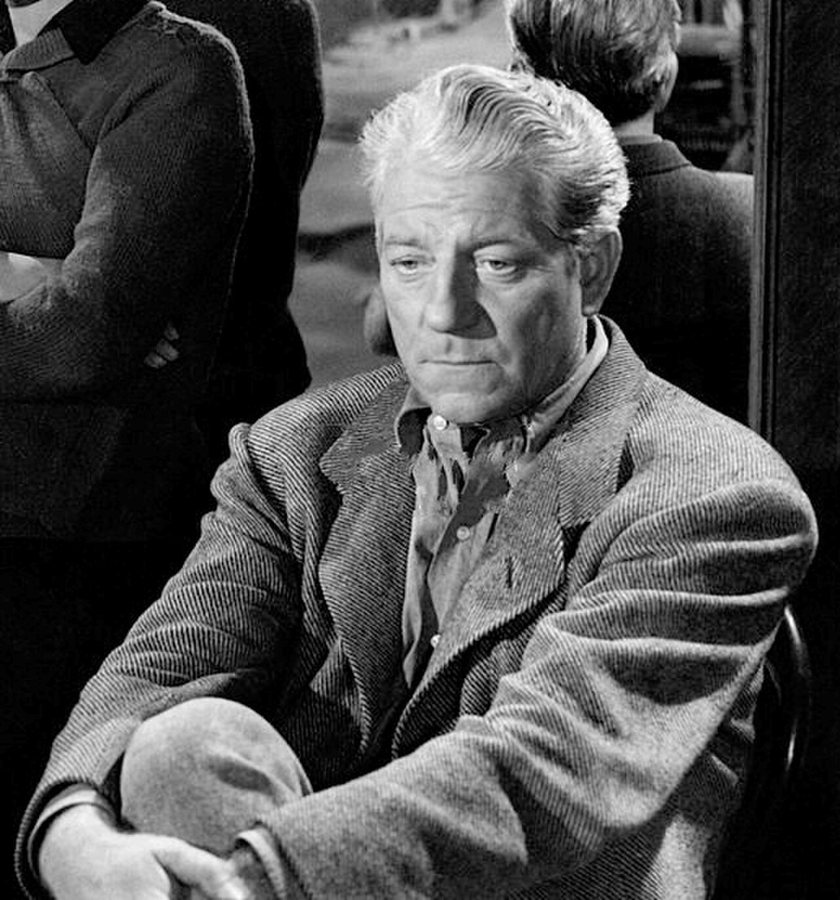
Gabin was born in Paris to a cafe owner and cabaret entertainer who used Gabin as his stage name. After leaving school early and working as a laborer, he entered show business at 19. Following military service, he performed in Parisian music halls and operettas, and in 1934 Julien Duvivier's Maria Chapdelaine brought him real recognition. His 1937 film Pépé le Moko gave him international fame, and the same year he appeared in Jean Renoir's antiwar film La Grande Illusion.
Wartime and later career
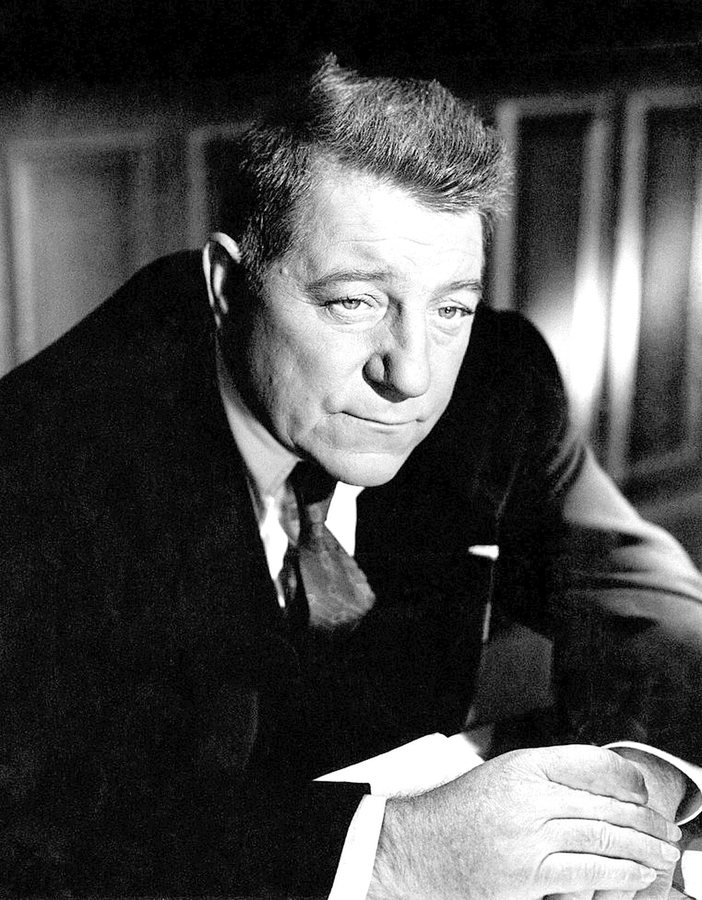
In the late 1930s Gabin turned down Hollywood offers, but after the German occupation of France he worked in the United States, where his American films were not successful. He then joined General Charles de Gaulle's Free French Forces and was decorated for his wartime valor. After a slump in the late 1940s, his 1954 film Touchez pas au grisbi earned critical acclaim, and he went on to make almost 50 more films over the next two decades.
Legacy

Gabin is considered one of the greatest stars in French cinema and was appointed Officier de la Légion d'honneur. The Prix Jean Gabin, founded by Louis de Funès in 1981, was awarded annually to upcoming actors until 2006. The Musée Jean Gabin in Mériel, where he grew up, presents his life and film memorabilia.