factograf
EN
Sign in

20th president of the United States in 1881

James A. Garfield

James A. Garfield

James A. Garfield (1831–1881) was the 20th president of the United States, serving from March 1881 until his death that September after being shot in July. A preacher, lawyer, and Civil War general, he served nine terms in the United States House of Representatives and is the only sitting member of the House to be elected president. Historians generally rank his brief presidency as below average, though some praise his stances against corruption and for civil rights.

Early life and career

Replica of the log cabin in Moreland Hills, Ohio, where Garfield was born
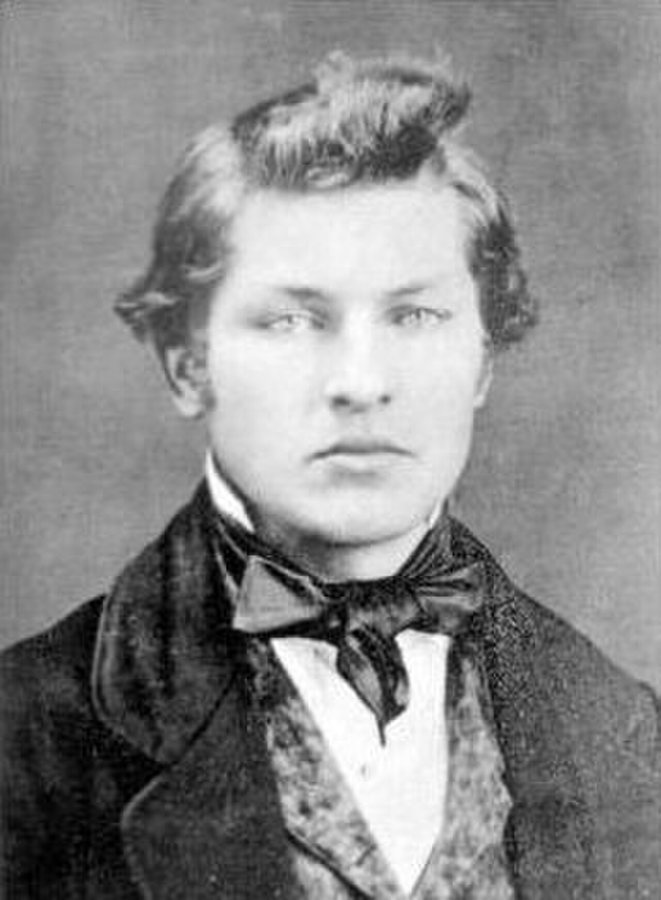
Garfield at the age of 16
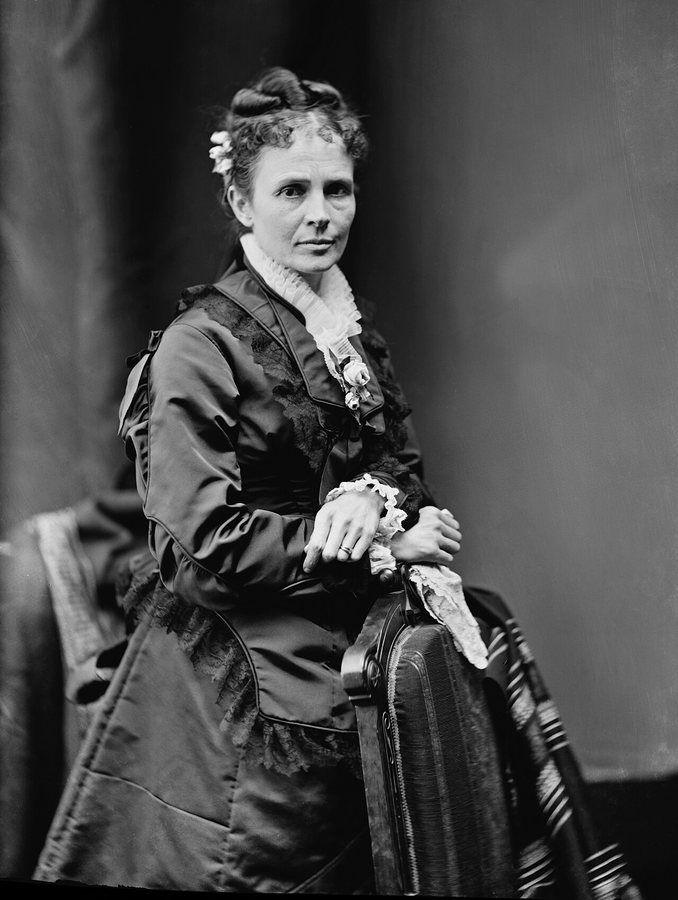
Lucretia Garfield in the 1870s
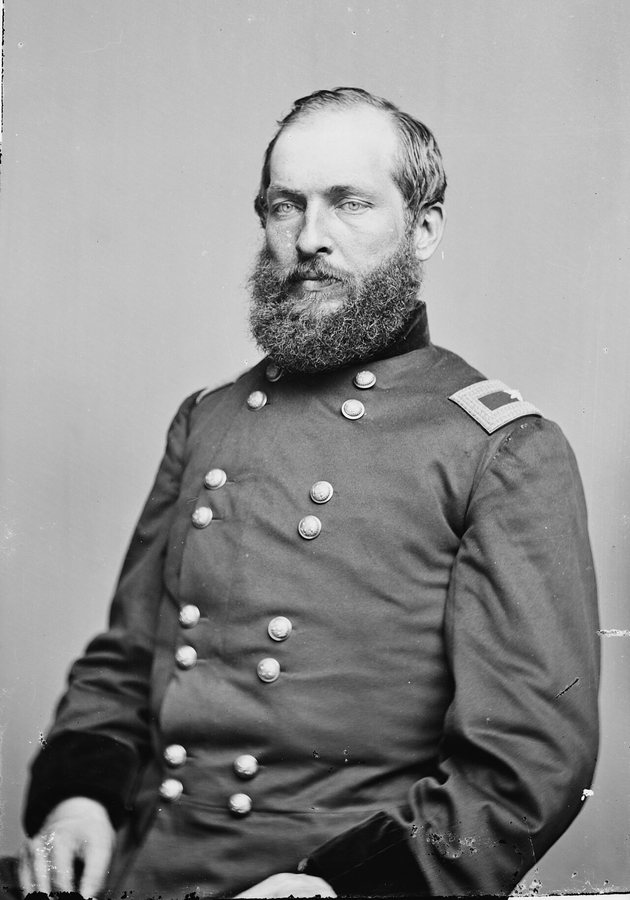
Garfield as a brigadier general during the Civil War
Middle Creek battlefield, where Garfield commanded from the distant hill in the center of the photo
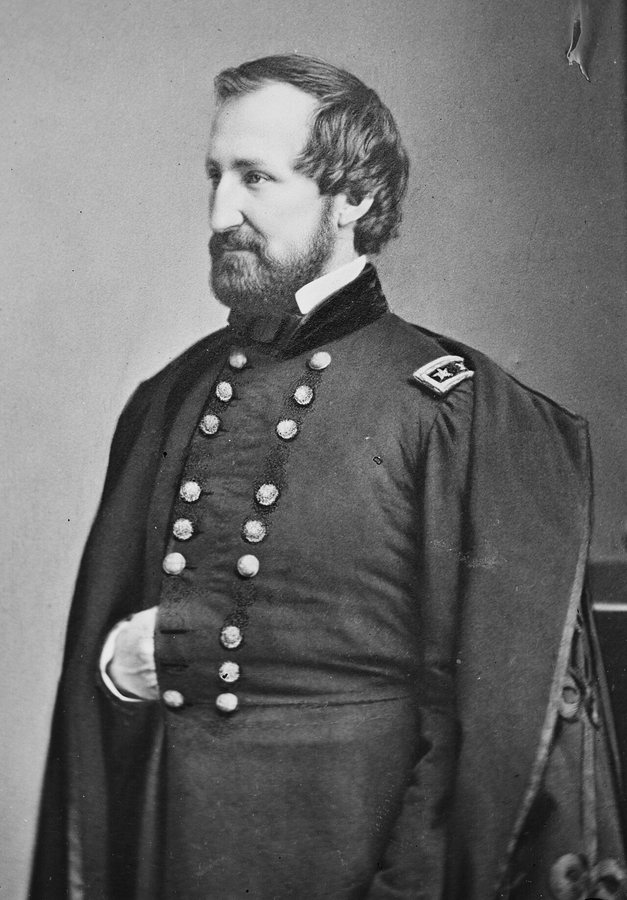
General William S. Rosecrans
Salmon P. Chase was Garfield's ally until Andrew Johnson's impeachment trial
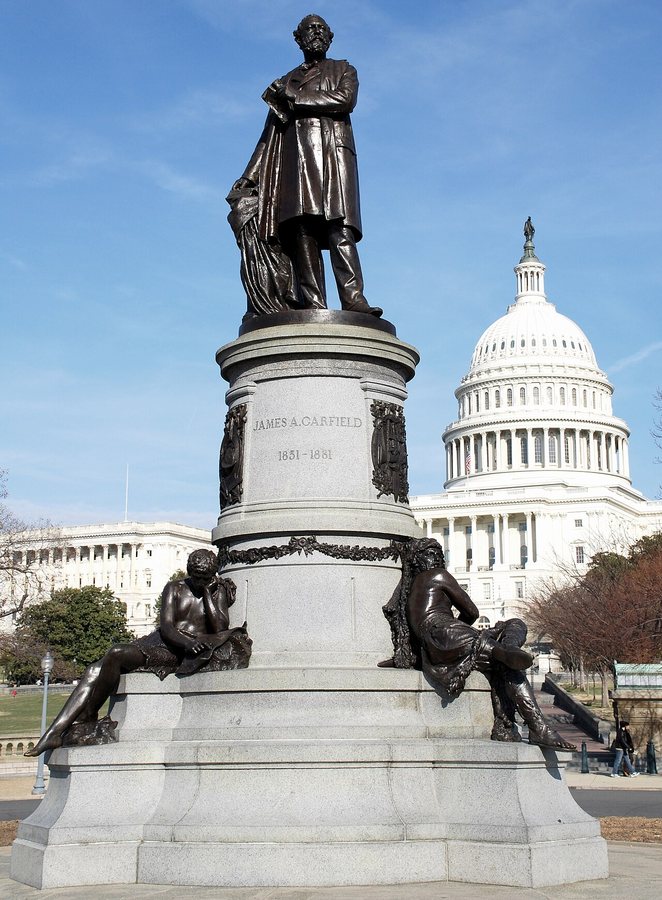
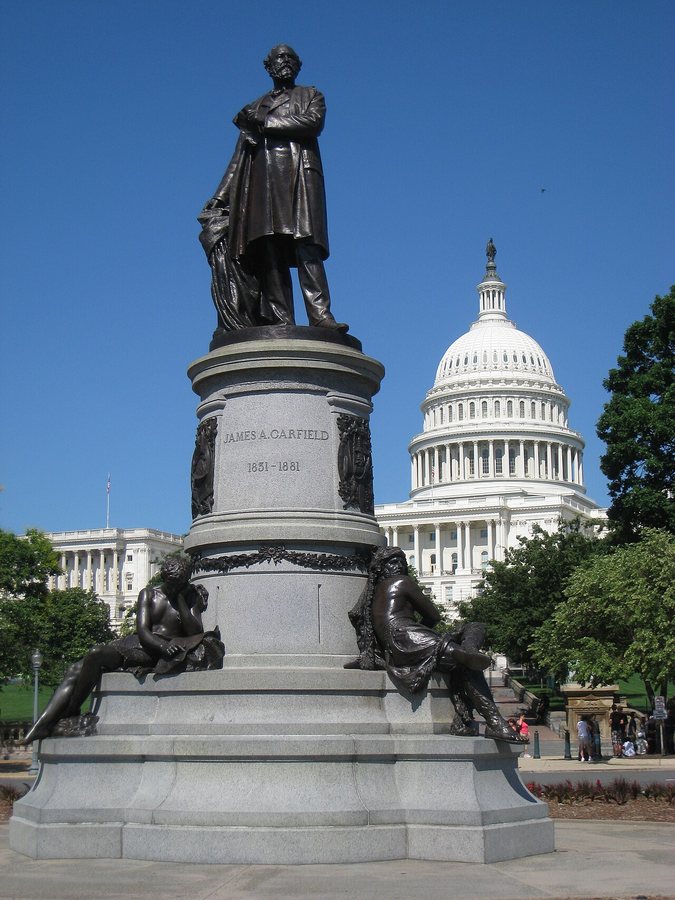
Garfield Monument by the Capitol, where he served almost twenty years
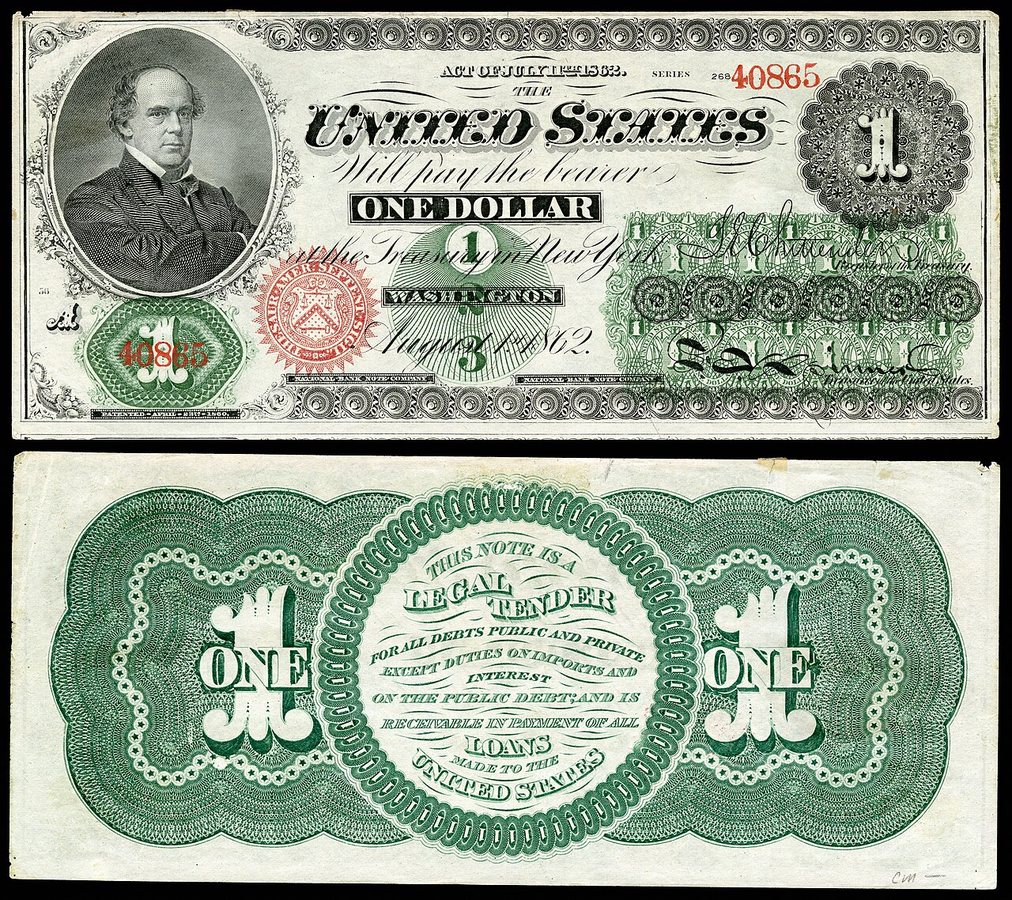
The greenback despised by Garfield
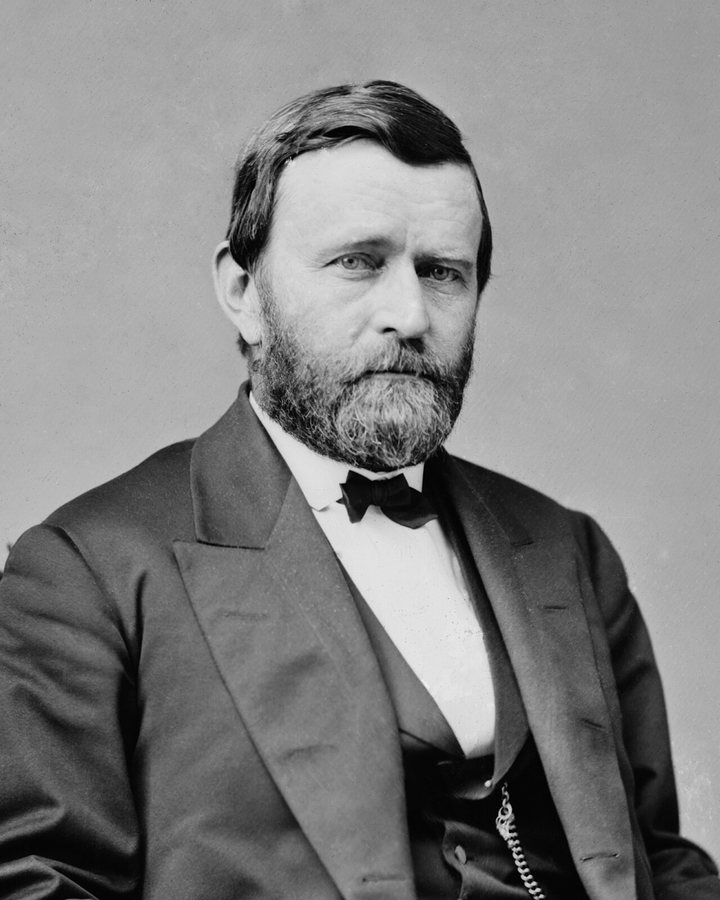
Portrait of Ulysses S. Grant
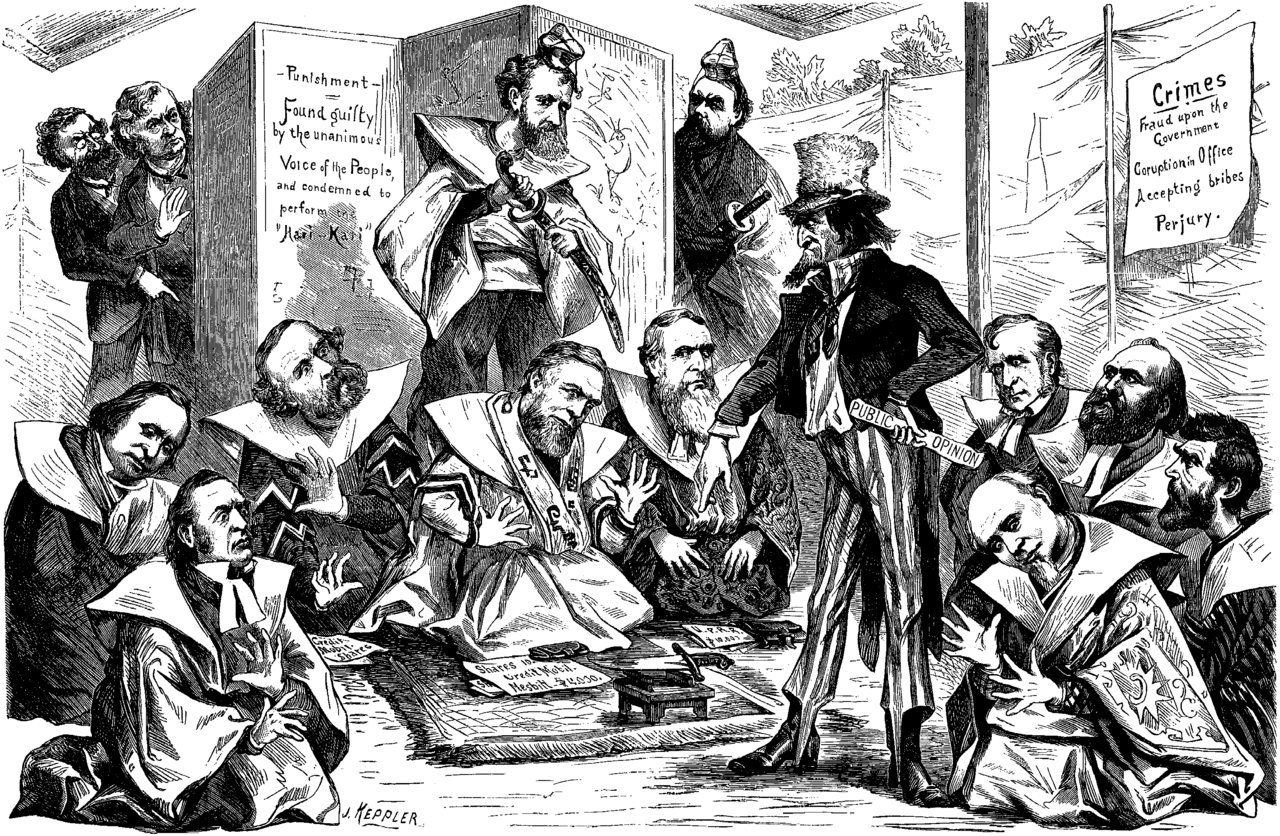
Editorial cartoon showing Uncle Sam directing U.S. Senators and Representatives implicated in the Crédit Mobilier scheme to commit hara-kiri
11 images

Garfield was born into poverty in a log cabin in Ohio and was raised by his mother after his father died in his infancy. After graduating from Williams College in 1856, he studied law and became an attorney. He was also a preacher in the Restoration Movement and served as president of the Western Reserve Eclectic Institute. Elected as a Republican to the Ohio State Senate in 1859, he later served as a Union major general during the American Civil War.

Congress and presidency
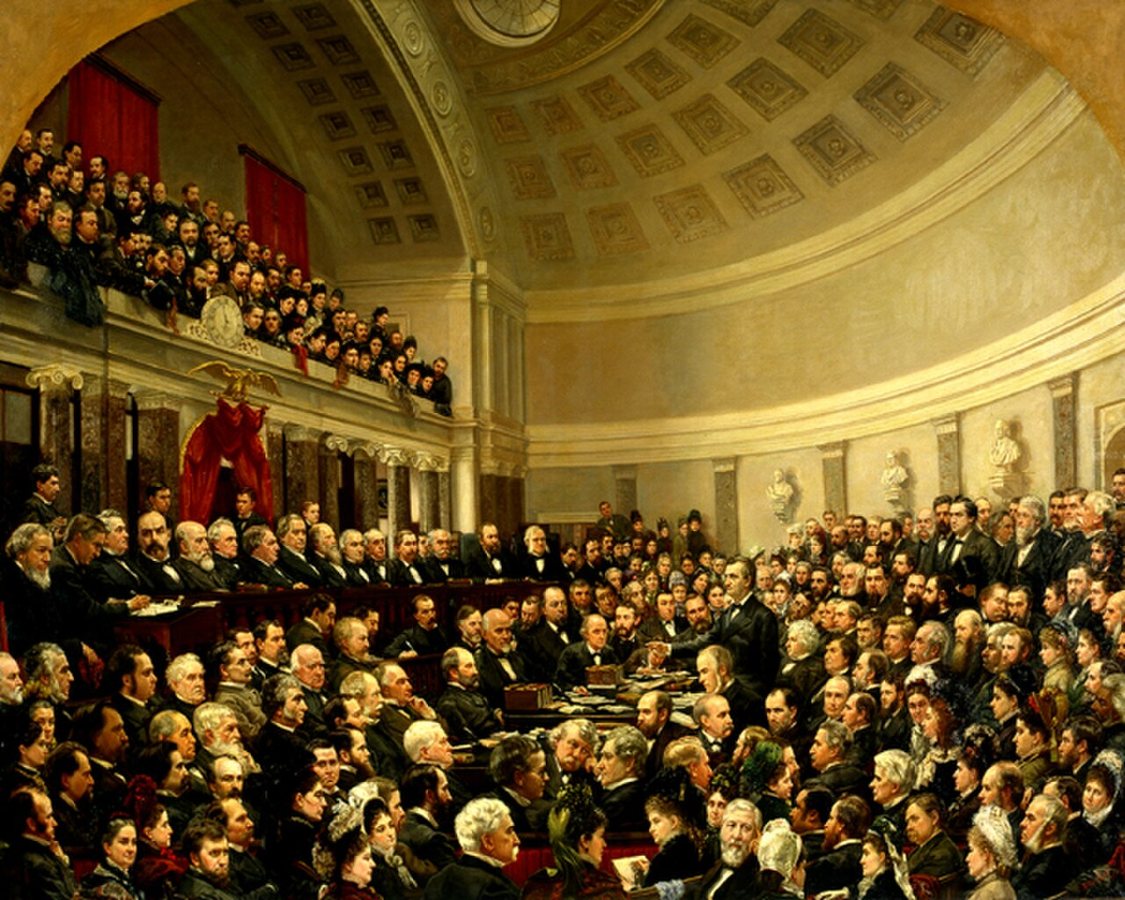
Garfield, second from right in the row of commissioners below the gallery, served on the Electoral Commission that decided the disputed 1876 presidential election; painting by Cornelia Adele Strong Fassett
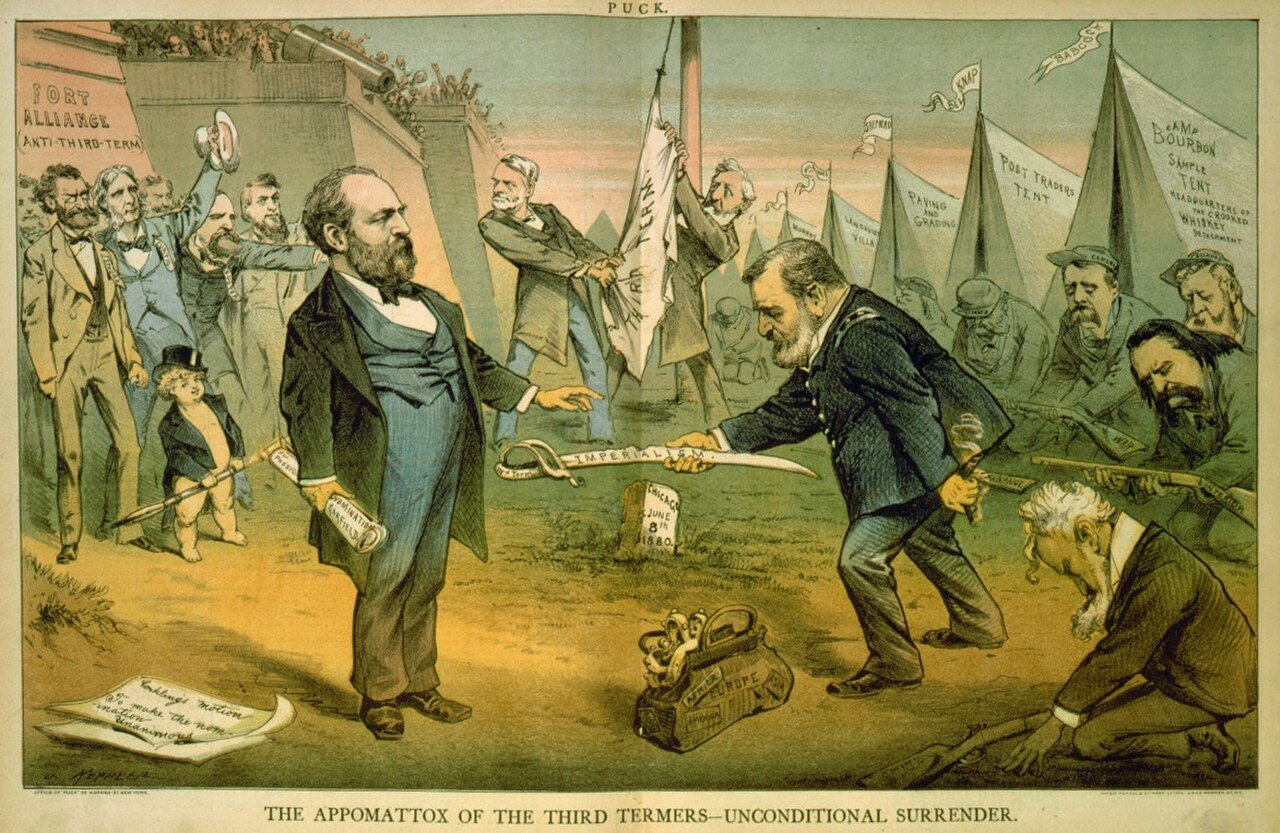
After Grant's defeat for the nomination, Puck magazine satirized Lee's surrender at Appomattox by showing Grant giving his sword to Garfield
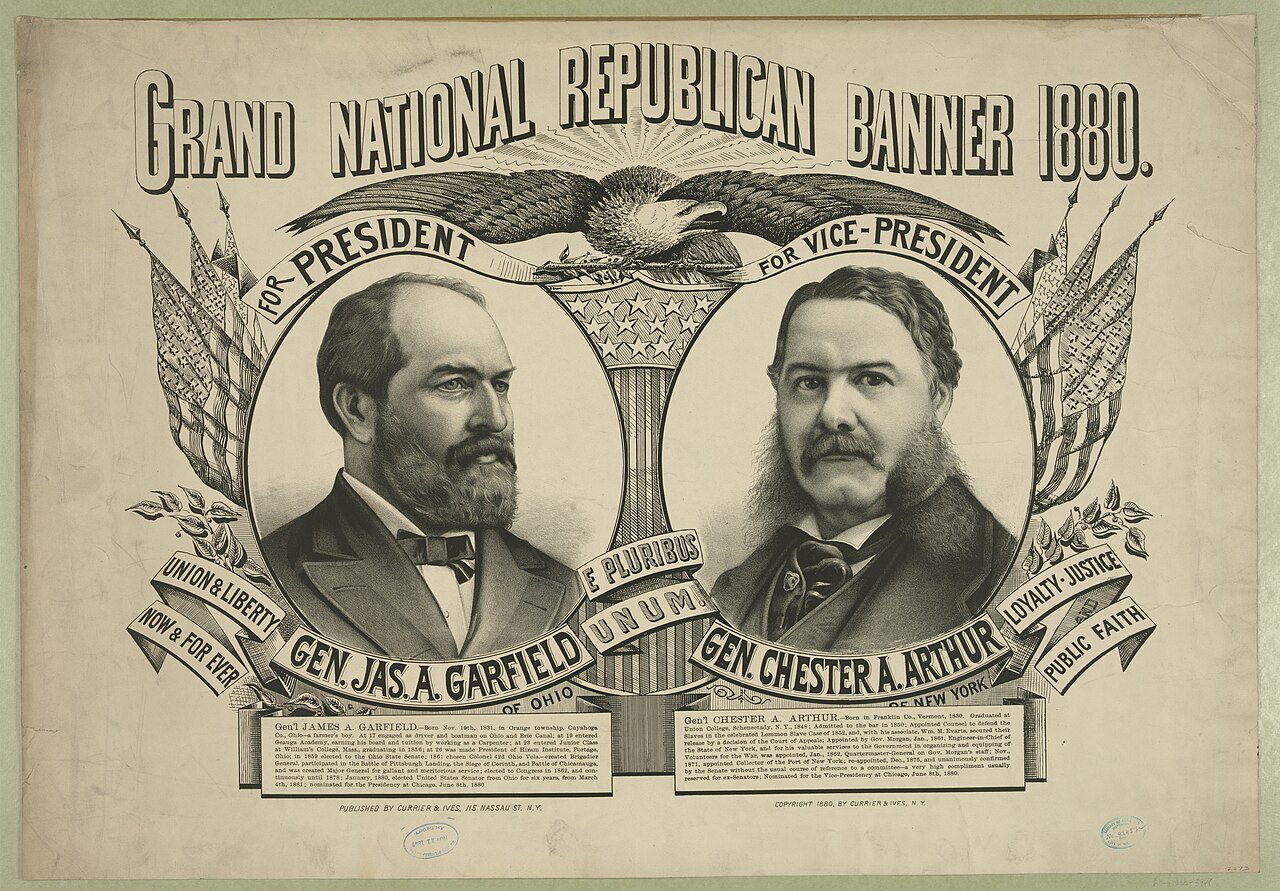
Garfield–Arthur election poster
Invitation to a White House event bearing the presidential coat of arms of Rutherford B. Hayes
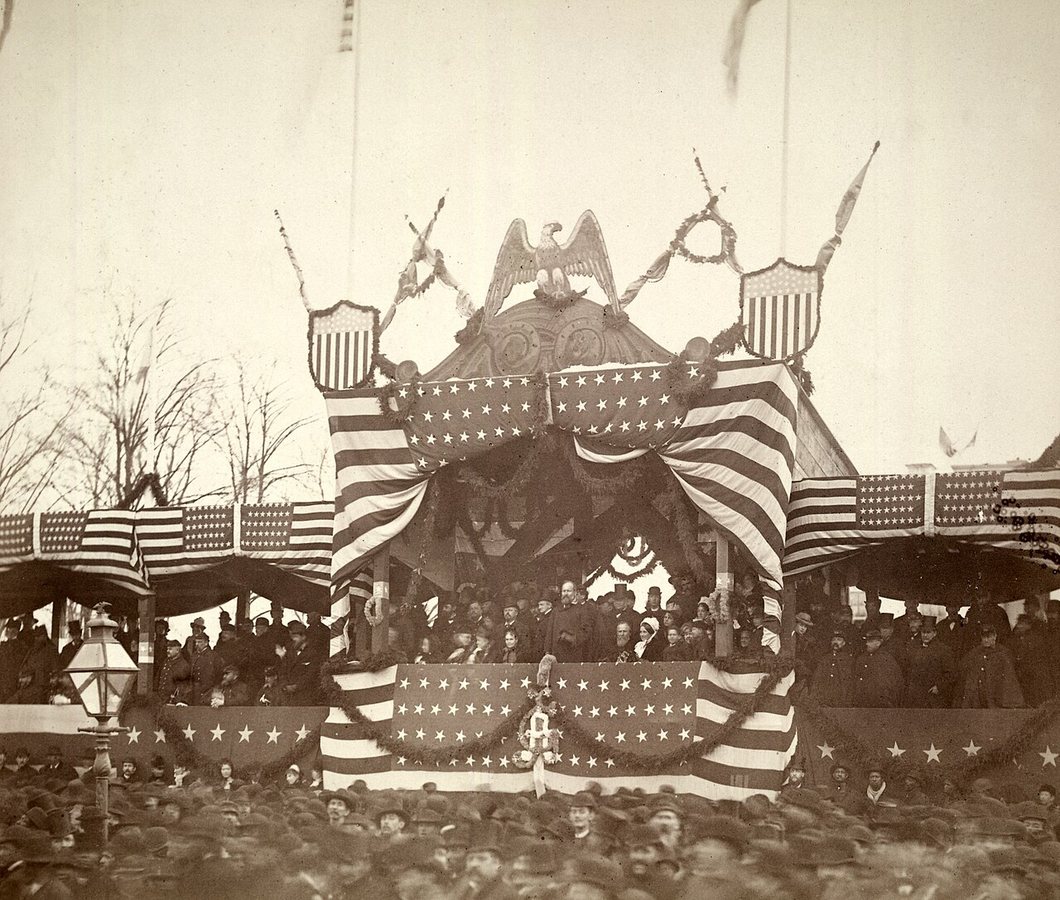
President Garfield in the reviewing stand during inauguration ceremonies on March 4, 1881
Line engraving of Garfield produced around 1902 by the Bureau of Engraving and Printing for a presentation album of the first 26 presidents
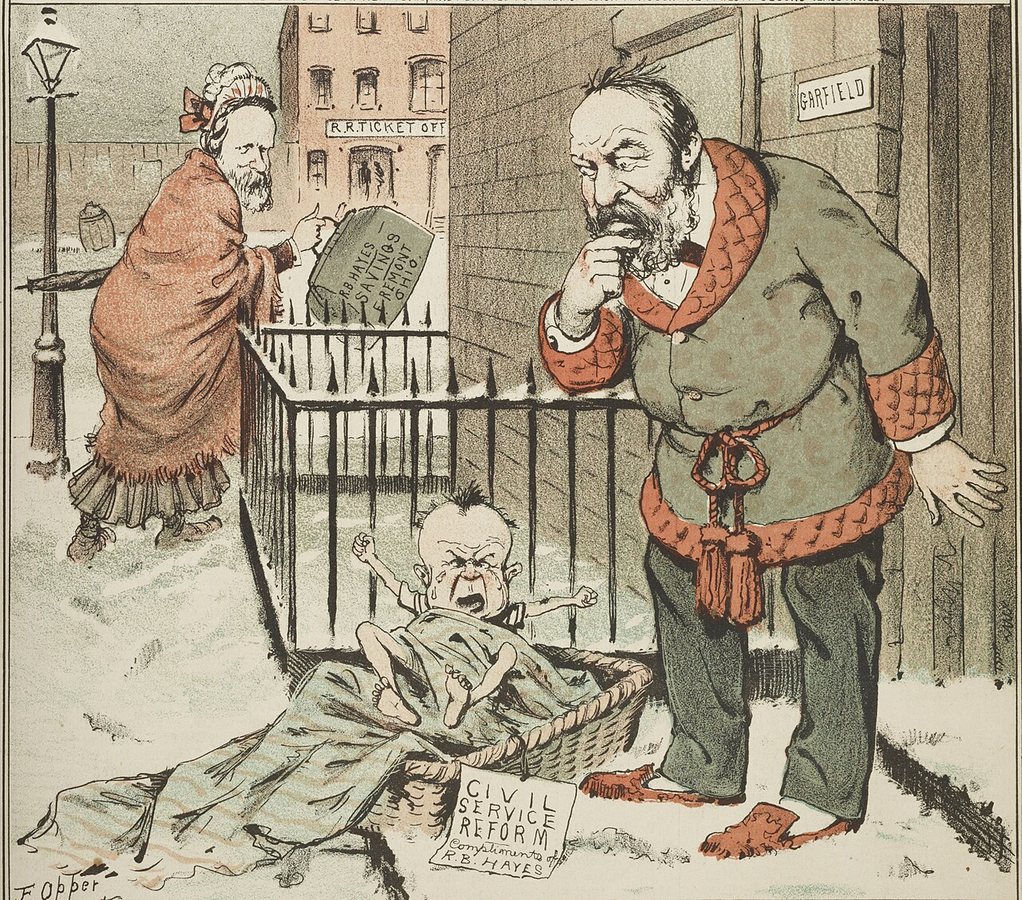
An 1881 Puck cartoon shows Garfield finding a baby at his door tagged 'Civil Service Reform, compliments of R.B. Hayes', with Hayes in the background dressed as a woman
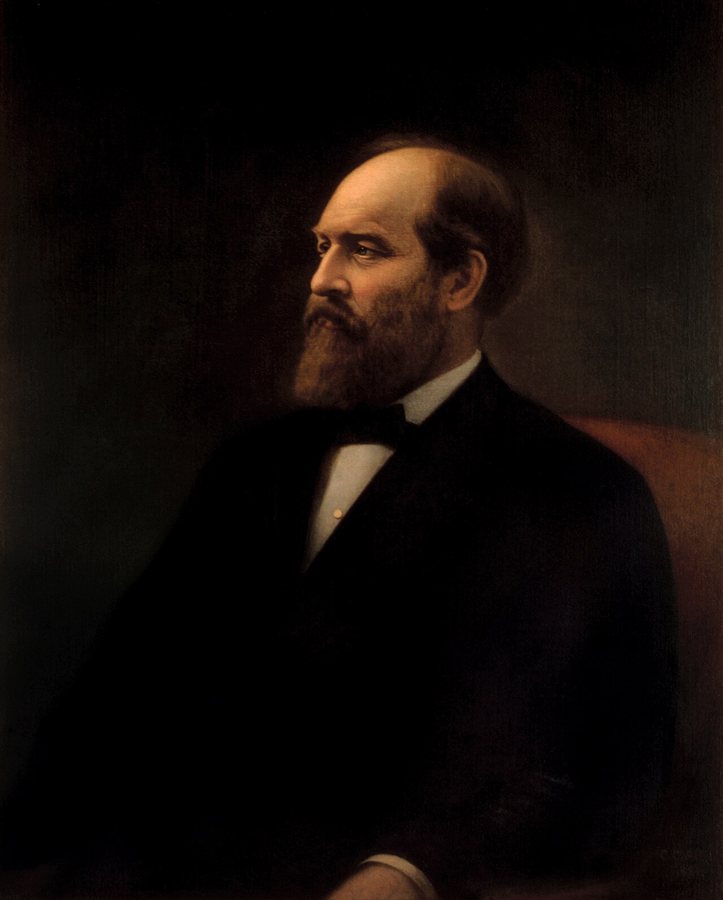
Official White House portrait of James Garfield, 1881
James G. Blaine, Garfield's Secretary of State
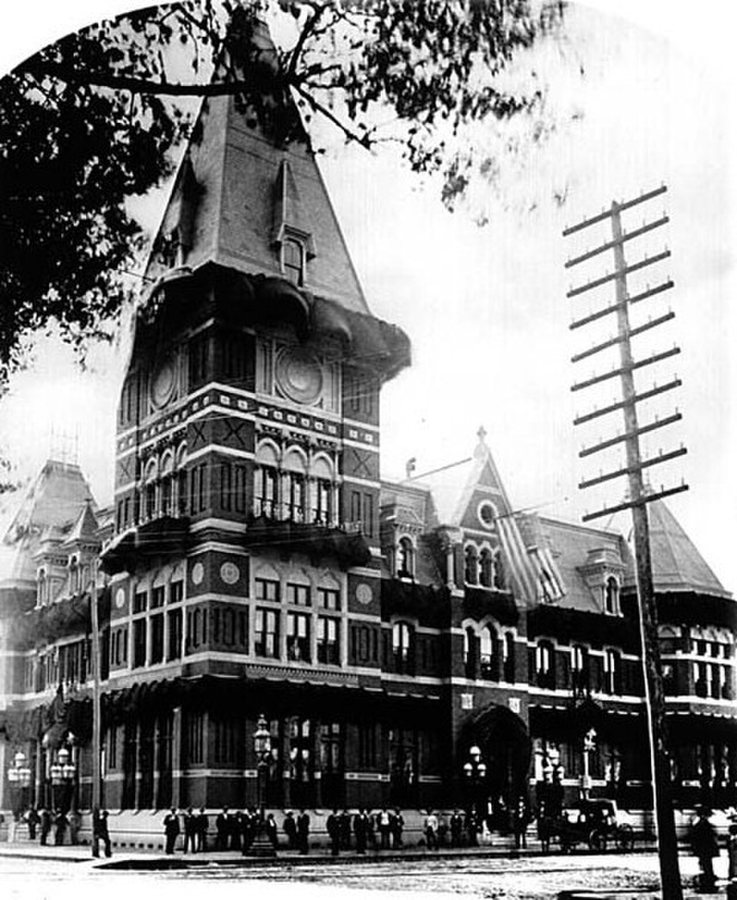
Baltimore and Potomac Railroad Station in Washington, D.C., where Garfield was shot on July 2, 1881
Garfield collapses after being shot by Charles J. Guiteau as Secretary of State Blaine gestures for help; engraving from Frank Leslie's Illustrated Newspaper
11 images

Garfield was elected to Congress in 1862 and became known as a skilled orator who firmly supported the gold standard. At the 1880 Republican National Convention, delegates chose him as a compromise nominee, and he narrowly won the presidency. As president he asserted executive authority, purged corruption in the Post Office, and proposed civil service reforms that Congress passed as the Pendleton Civil Service Reform Act in 1883.

Assassination and legacy
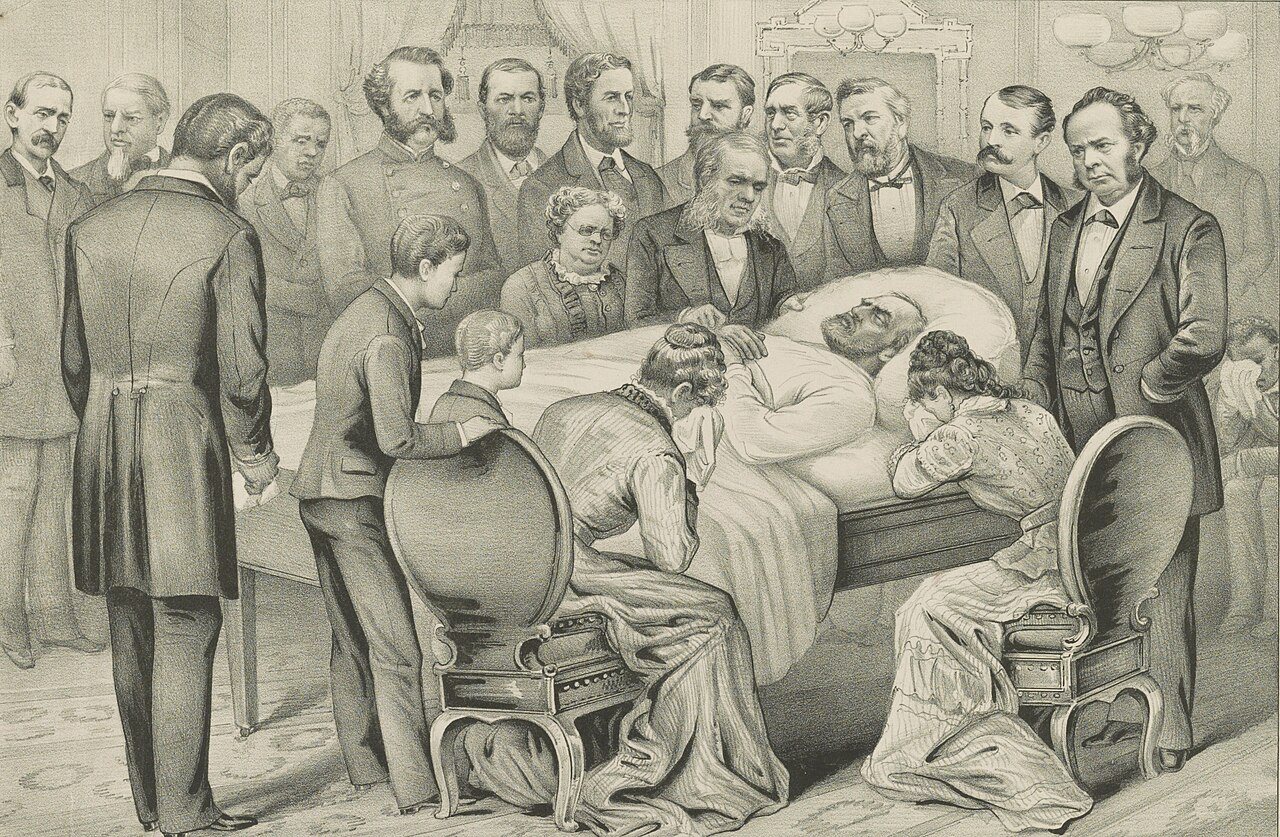
A depiction of Garfield on his deathbed
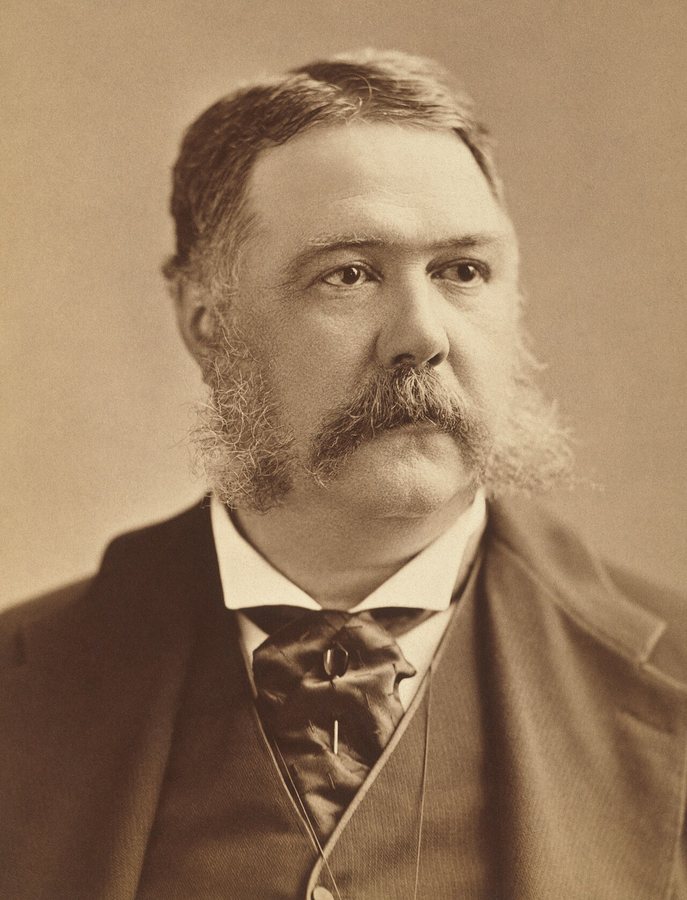
Vice President Chester A. Arthur assumed the presidency after Garfield's death
Garfield's casket lying in state in the Capitol Rotunda
Stereoscopic images of the Schofield family vault where Garfield's remains were kept until completion of his permanent memorial
Photograph of Garfield, April 7, 2008
James A. Garfield Monument, close view
James A. Garfield Monument, general view in Washington, D.C.
James A. Garfield Monument in New Mexico
Garfield on the 1882 U.S. 5-cent stamp
Front view of Garfield, New Jersey city hall, January 2025
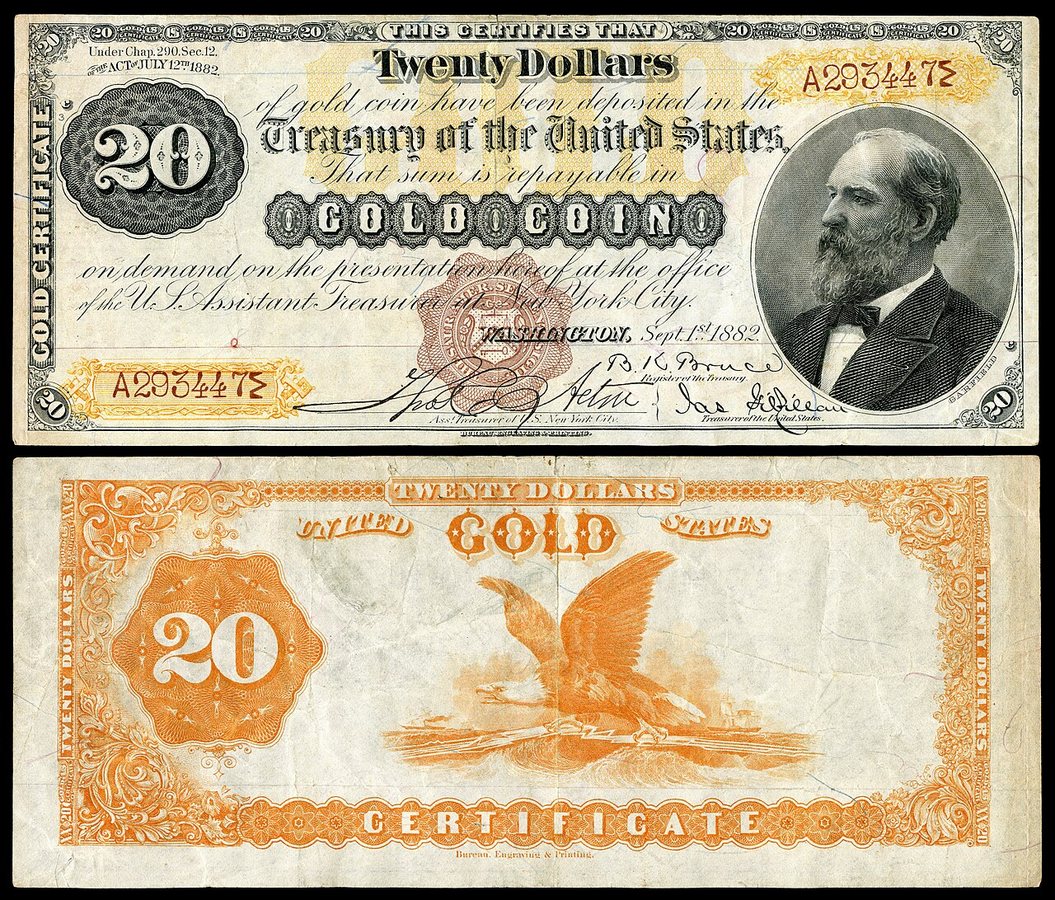
After his assassination Garfield was honored on the 1882 U.S. large gold certificate
11 images

On July 2, 1881, Garfield was shot by Charles J. Guiteau, a deluded office seeker. He died on September 19 from infections related to his wounds and was succeeded by Vice President Chester A. Arthur. Because of his brief term and the lack of major changes during his tenure, historians tend to rank him as a below-average president or omit him from rankings altogether.

In 128 languages

Редакція Factograf · Published October 14, 2026 · Partly based on Wikipedia, CC BY-SA 4.0 · Source article