factograf
EN
Sign in

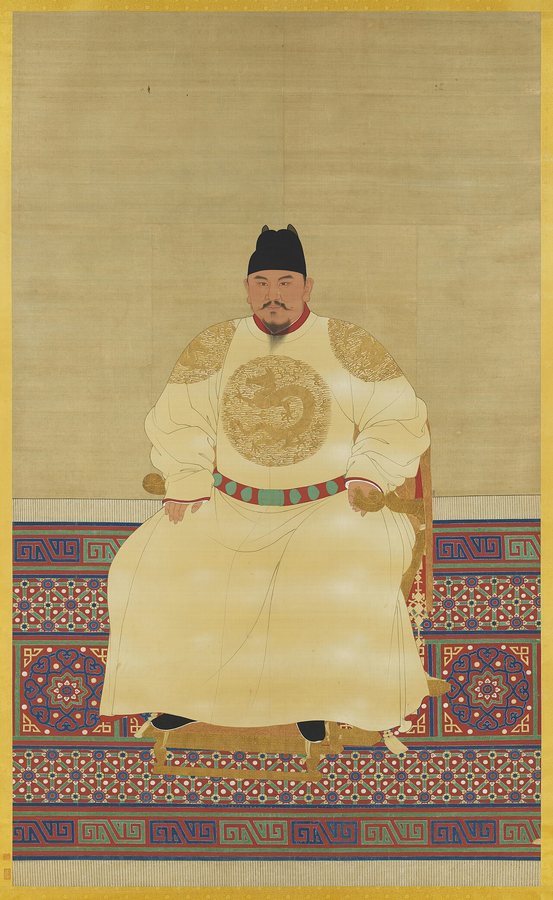
founding emperor of China's Ming dynasty; ruled 1368–1398

Hongwu Emperor

Hongwu Emperor

Hongwu Emperor (1328–1398), personal name Zhu Yuanzhang, was the founding emperor of China's Ming dynasty, reigning from 1368 to 1398. Born into a peasant family during the Mongol-led Yuan dynasty, he rose through the Red Turban rebellion to command a powerful regime in southern China. After driving out Mongol forces and unifying the country, he presided over a reign of recovery and growth that lasted three decades, and his successors continued the dynasty for nearly three more centuries.

Early life and hardship
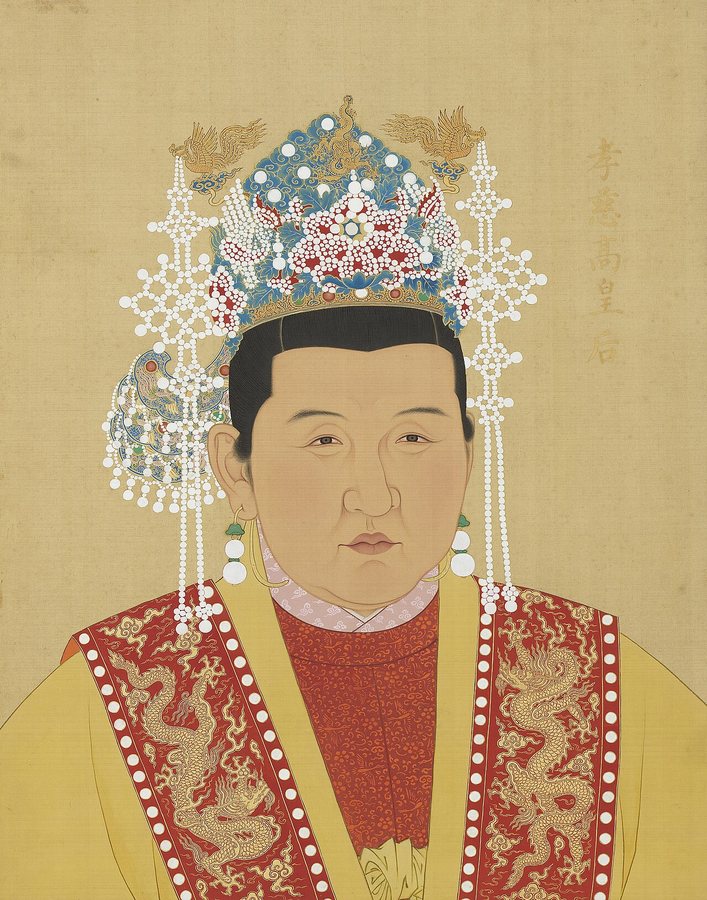
Portrait of Lady Ma, Zhu Yuanzhang's wife, as empress
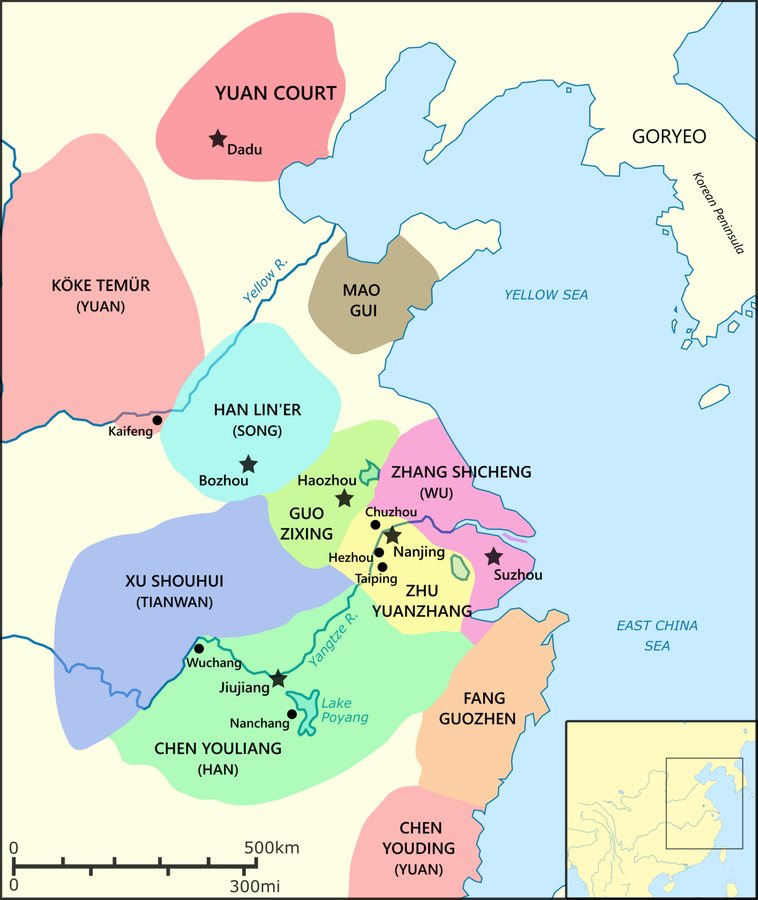
Major powers in China during the late Yuan dynasty, c. 1350–1360
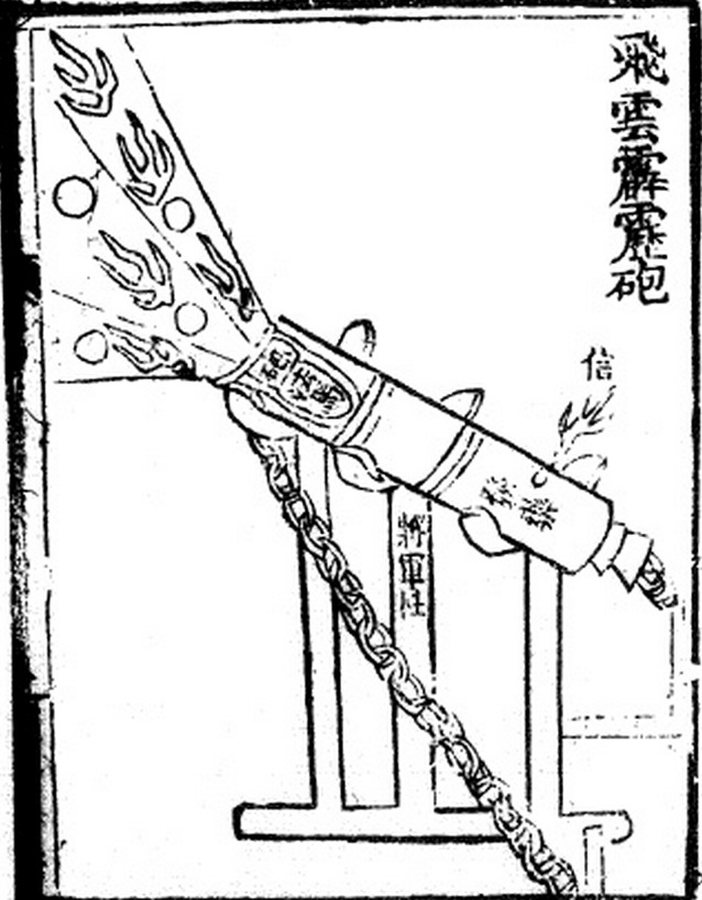
A cannon from the Huolongjing, compiled by Jiao Yu and Liu Ji before 1375
Pan Gate, one of the gates of the Suzhou City Wall, scene of a ten-month siege that was among the fiercest battles of Zhu's campaigns
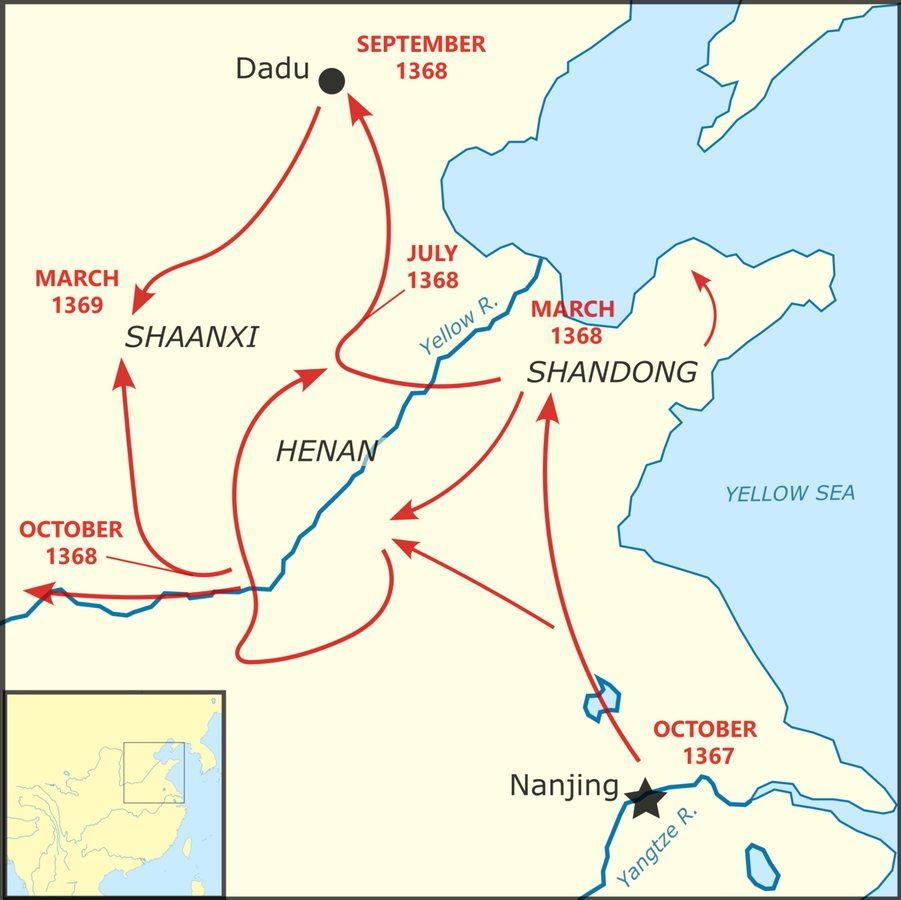
Map showing the Ming northern expedition of 1367–1369, which ended Yuan rule in China proper
5 images

Zhu Yuanzhang was born in 1328 in Anhui to a poor farming family. When he was 16, a plague epidemic killed his parents and one of his brothers. Left orphaned, he spent several years as a novice monk, begging for food and traveling through the region. These years exposed him to the suffering of common people and shaped his distrust of scholars who relied on books rather than practical experience. His mother's stories of loyalty to the former Song dynasty also left a lasting impression on him.

Rise to power
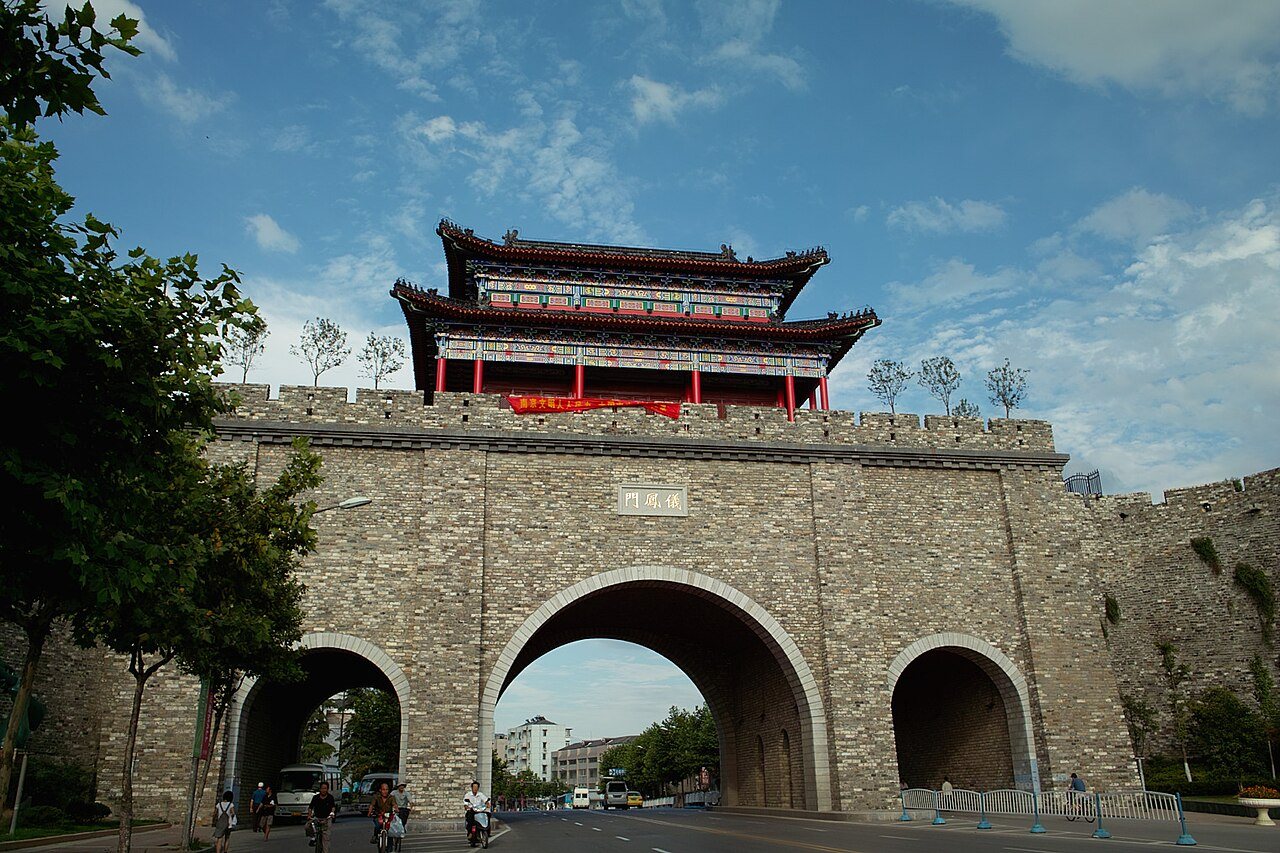
Yifeng Gate, part of the Nanjing city wall built during the Hongwu era
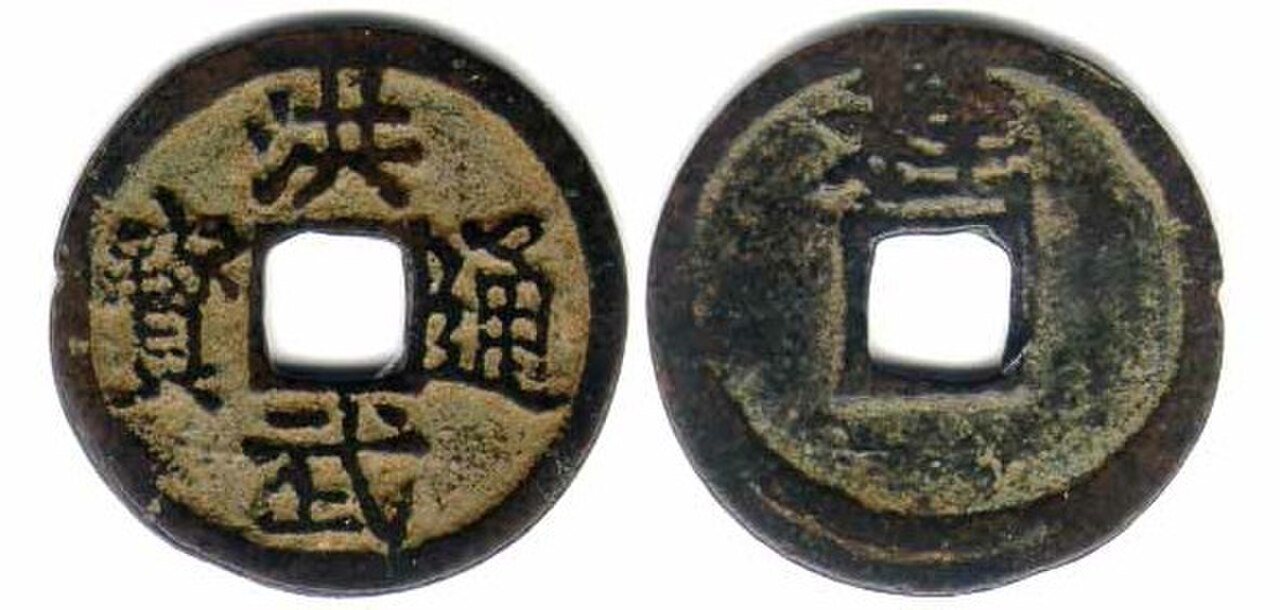
Hongwu Tongbao, the cash coin used during the Hongwu era
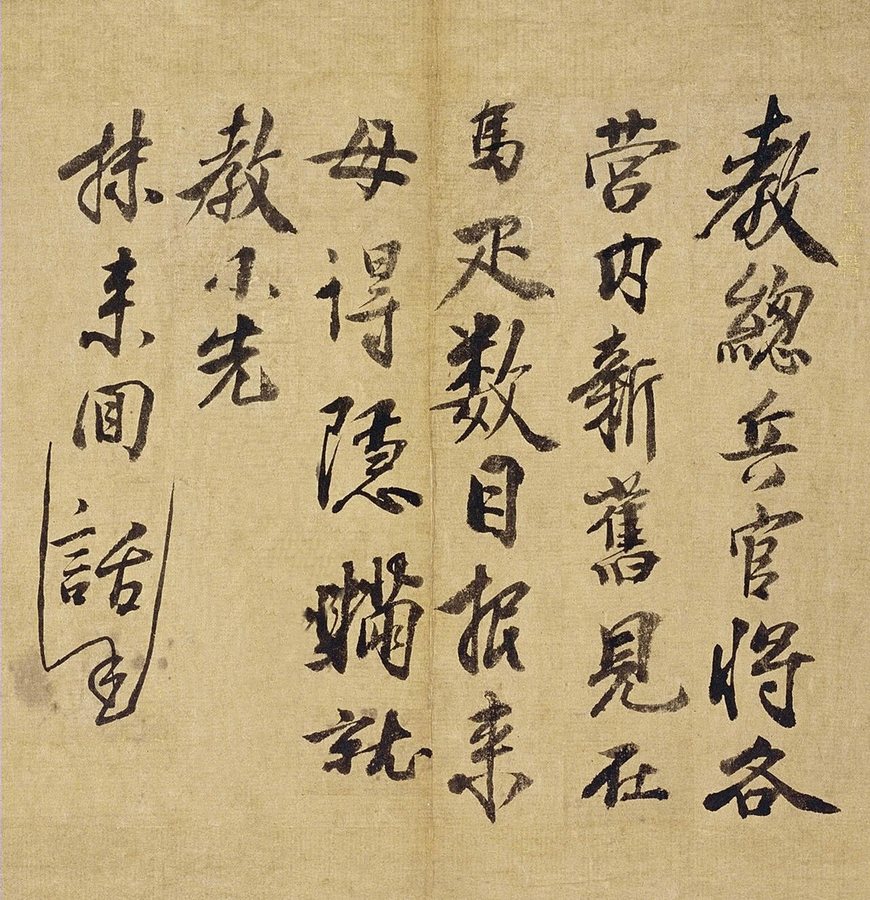
Calligraphy by the Hongwu Emperor
Honghe Hani Rice Terraces in Yunnan, reflecting the emperor's view of agriculture as the main source of national wealth
4 images

In 1352 Zhu joined the Red Turban rebels, a movement opposing Yuan rule, and quickly rose to command his own forces. He captured Nanjing in 1356 and built a strong regional regime in southern China, adopting Yuan administrative methods in the territory he controlled. Although he initially recognized the nominal authority of the rebel figurehead Han Lin'er, he acted increasingly independently and declared himself King of Wu in 1364.

Founding the Ming
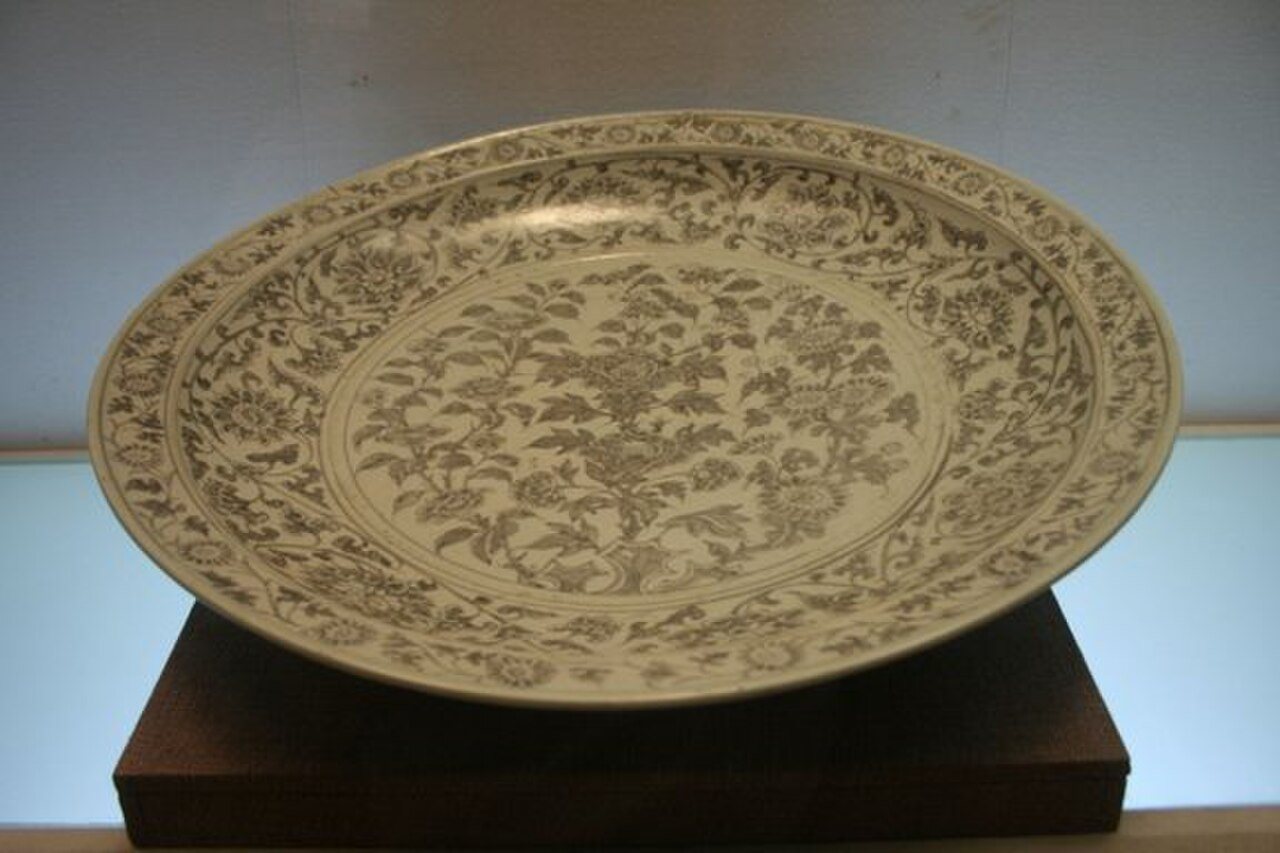
Porcelain dish from the Hongwu era, Nanjing Museum
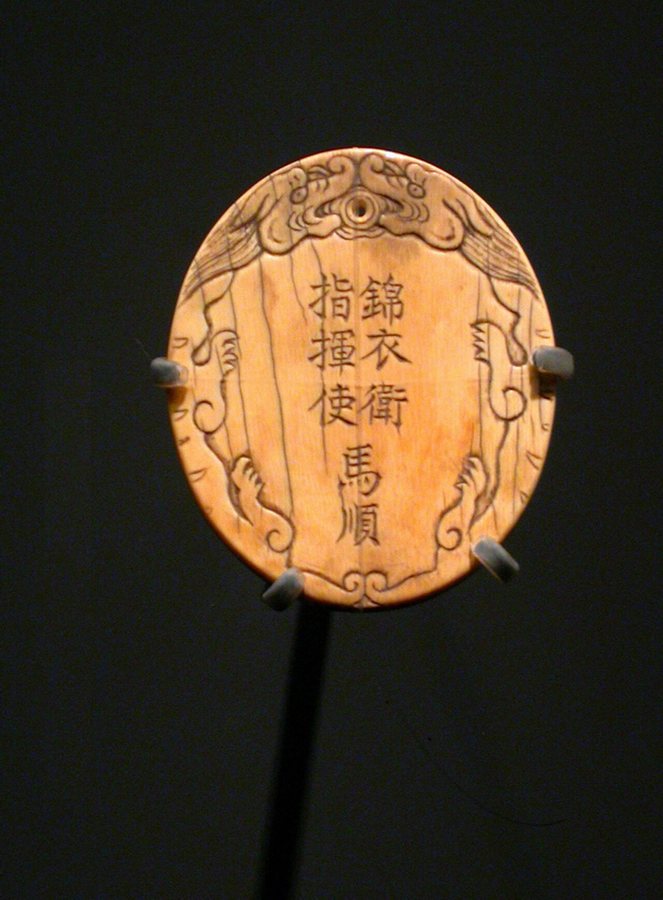
Officer's badge of the Jinyiwei (Embroidered Uniform Guard), an elite guard regiment serving as secret police, Capital Museum, Beijing
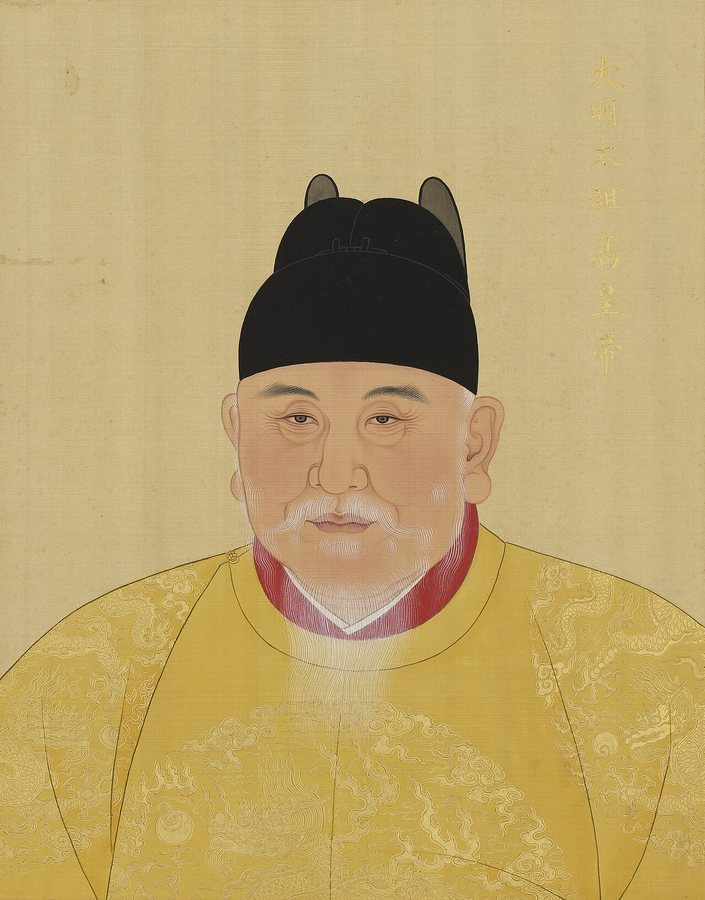
The Hongwu Emperor in his old age, c. 1397
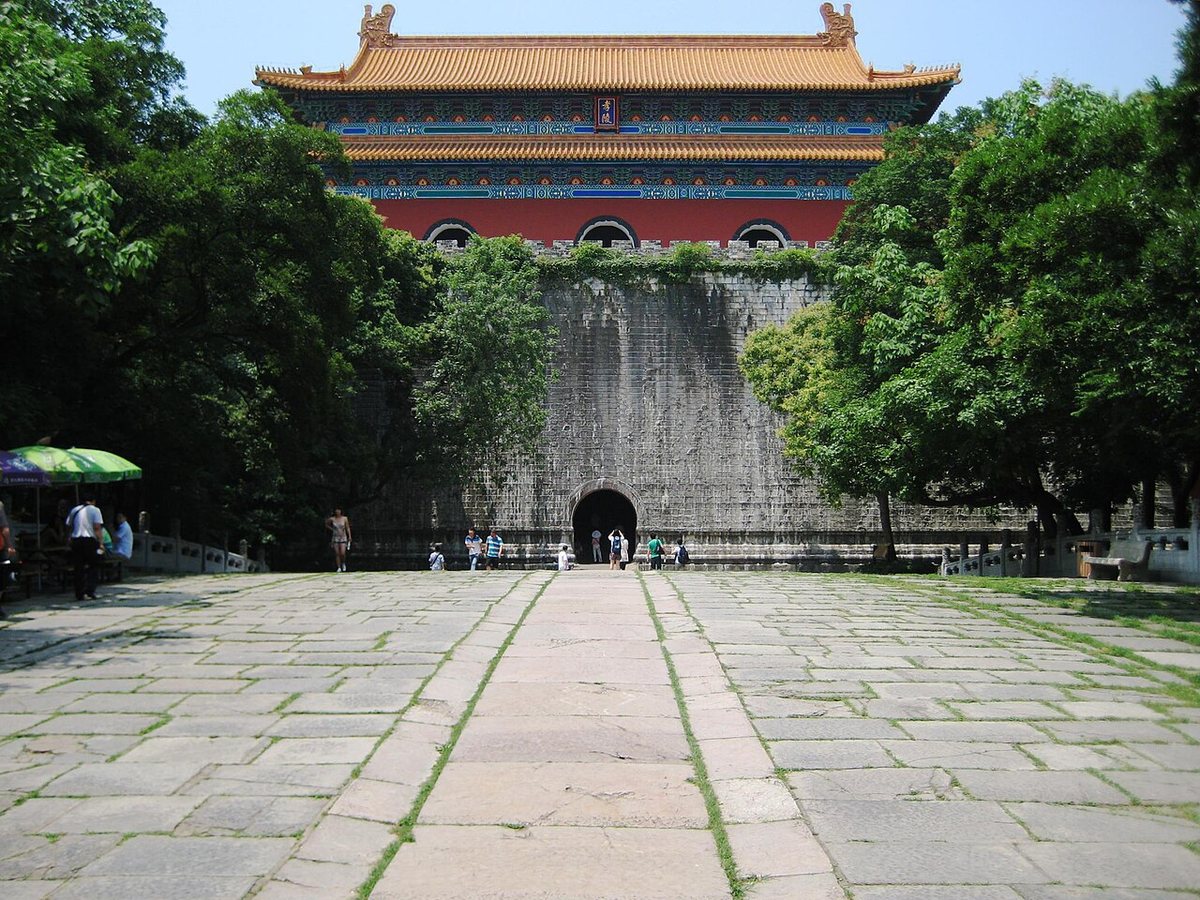
The restored Xiao Mausoleum, 2010
4 images

In 1368 Zhu renamed his kingdom Da Ming, meaning 'Great Radiance', and adopted Hongwu, meaning 'Vastly Martial', as his era name. A four-year campaign drove out the Mongol forces and unified the country, although an attempt to conquer Mongolia failed. His reign saw significant economic recovery, and he emphasized institutional reform, practical governance, and the welfare of his people.

In 59 languages

Редакція Factograf · Published October 14, 2026 · Partly based on Wikipedia, CC BY-SA 4.0 · Source article