
Hentai is a style of Japanese pornographic anime and manga, and it also appears in artwork and video games, commonly known as eroge. Its development has been shaped by Japanese cultural and historical attitudes toward sexuality. Hentai works, which are often self-published, form a significant part of the doujin market, including doujinshi. Numerous subgenres depict a wide range of sexual acts, relationships, and novel fetishes.
Meaning of the Term

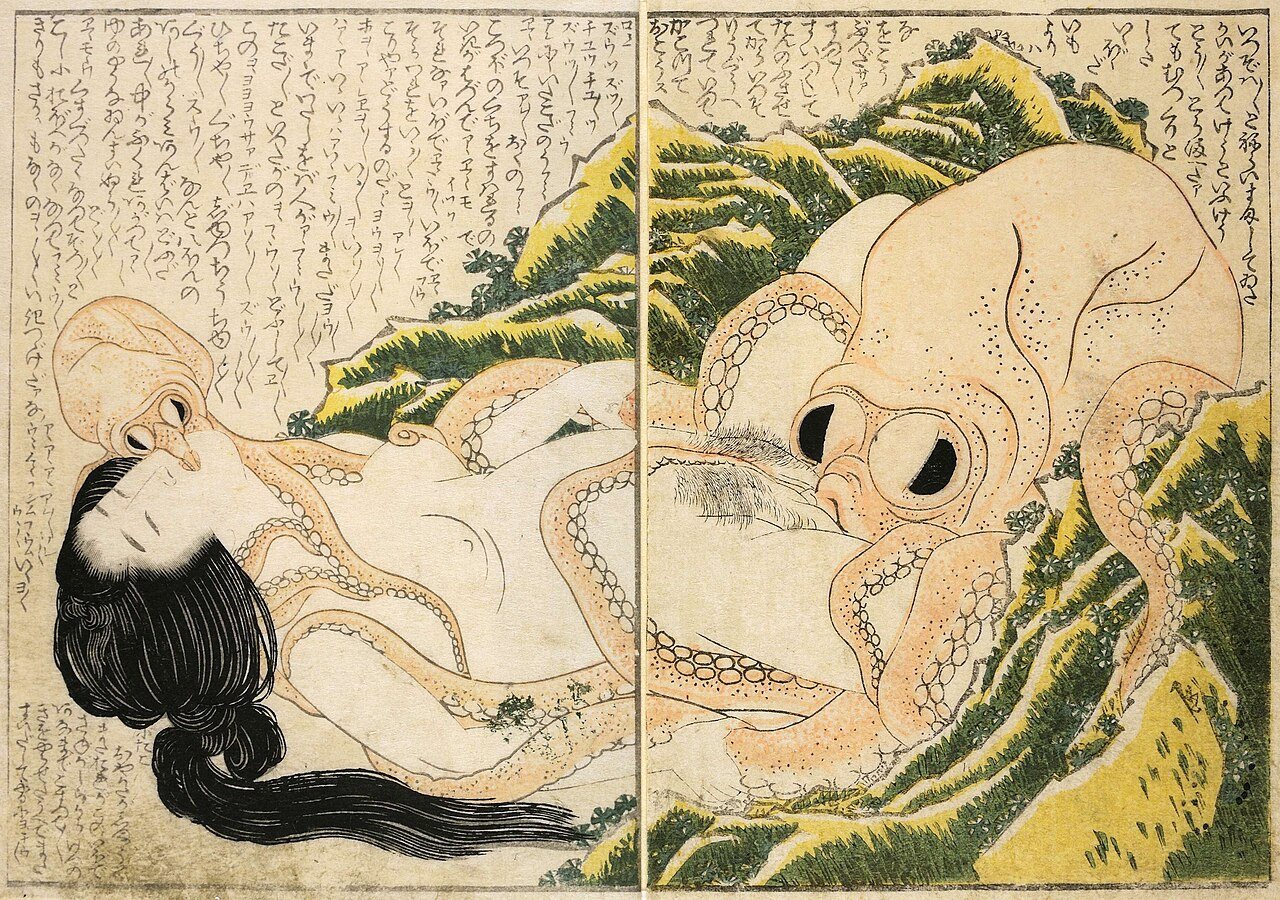


In sexual contexts, the word carries meanings of perversion or abnormality, shortened from hentai seiyoku, meaning sexual perversion. In Japan the term does not define a single genre, while English definitions describe it as a subgenre of manga and anime with overtly sexualized characters and explicit images. Its origin in English is unclear, though early online usage appeared in the early 1990s and spread through discussion boards and glossaries.
Origins in Psychology


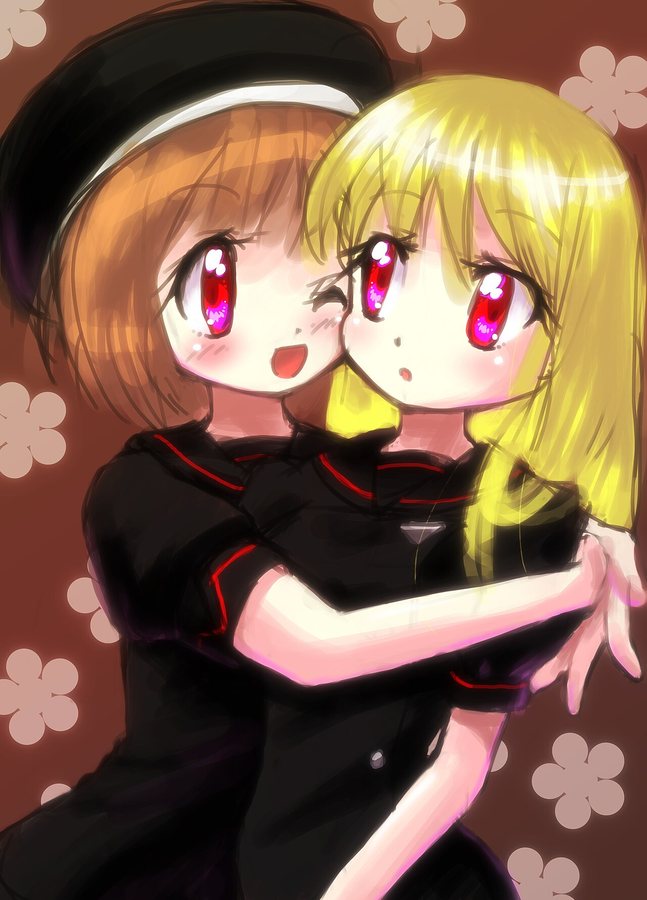
The word originated in science and psychology during the Meiji era, describing unusual or abnormal traits. A translation of Richard von Krafft-Ebing's Psychopathia Sexualis introduced the concept of hentai seiyoku, which was popularized beyond psychology. Sexology journals in the early twentieth century helped establish its sexual connotation, and after World War II, Japan's interest in public sexuality further shaped how the term developed.