
Enbaqom was a 16th-century Yemeni-born monk and polyglot who rose to become the Echege, the second highest official in the Ethiopian Orthodox Tewahedo Church. Born to a Muslim father and a Jewish mother, he converted to Christianity and was baptized by the Abbot Petros. As the head of the Debre Libanos monastery, he served as a significant religious and intellectual leader during a period of intense conflict in Ethiopia. He was a prolific translator and writer, known for his ability to communicate across various languages and cultures.
Life and work

A highly learned scholar, Enbaqom mastered numerous languages, including Arabic, Ge'ez, Coptic, Hebrew, Syriac, Armenian, Portuguese, and Italian. He translated various Christian texts into Ge'ez, such as the story of Barlaam and Josaphat. During the reign of Emperor Lebna Dengel, he served as the Abbot of Debre Libanos. Despite facing banishment and the destruction of his monastery by the forces of Ahmad Gran, he remained a vital figure, providing spiritual guidance to the faithful while moving between different regions.
Literary legacy
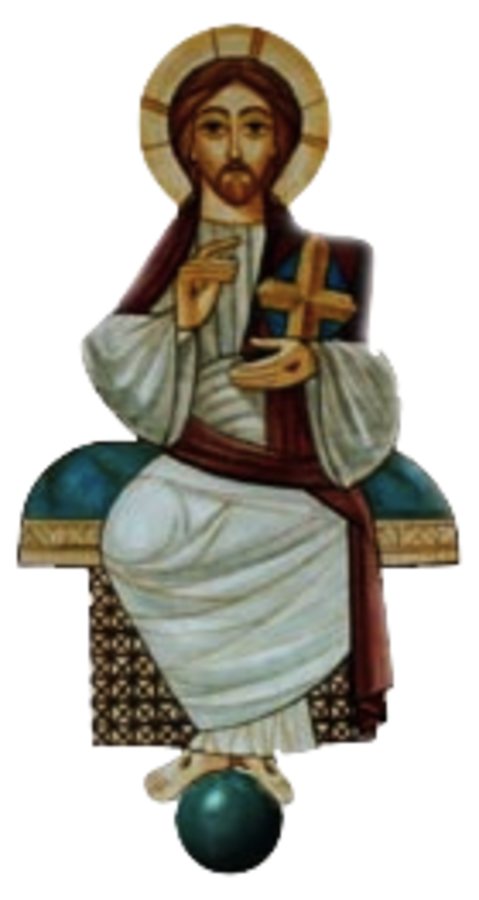
He is best known for writing the Anqaṣa Amin (Gateway of Faith), a Ge'ez work developed from an Arabic letter he sent to Ahmad Gran. This text contains numerous references to the Qur'an, utilizing his extensive knowledge to engage in theological dialogue. His writings sought to strengthen the Ethiopian Church's theological foundations and provided a diplomatic response to Catholic perspectives during the reign of Emperor Galawdewos.
Veneration
Enbaqom is recognized as a saint within the Ethiopian Orthodox Tewahedo Church. His life and contributions to the church's intellectual and spiritual leadership are commemorated annually on April 29, which corresponds to the 21st of Miyazya in the liturgical calendar.