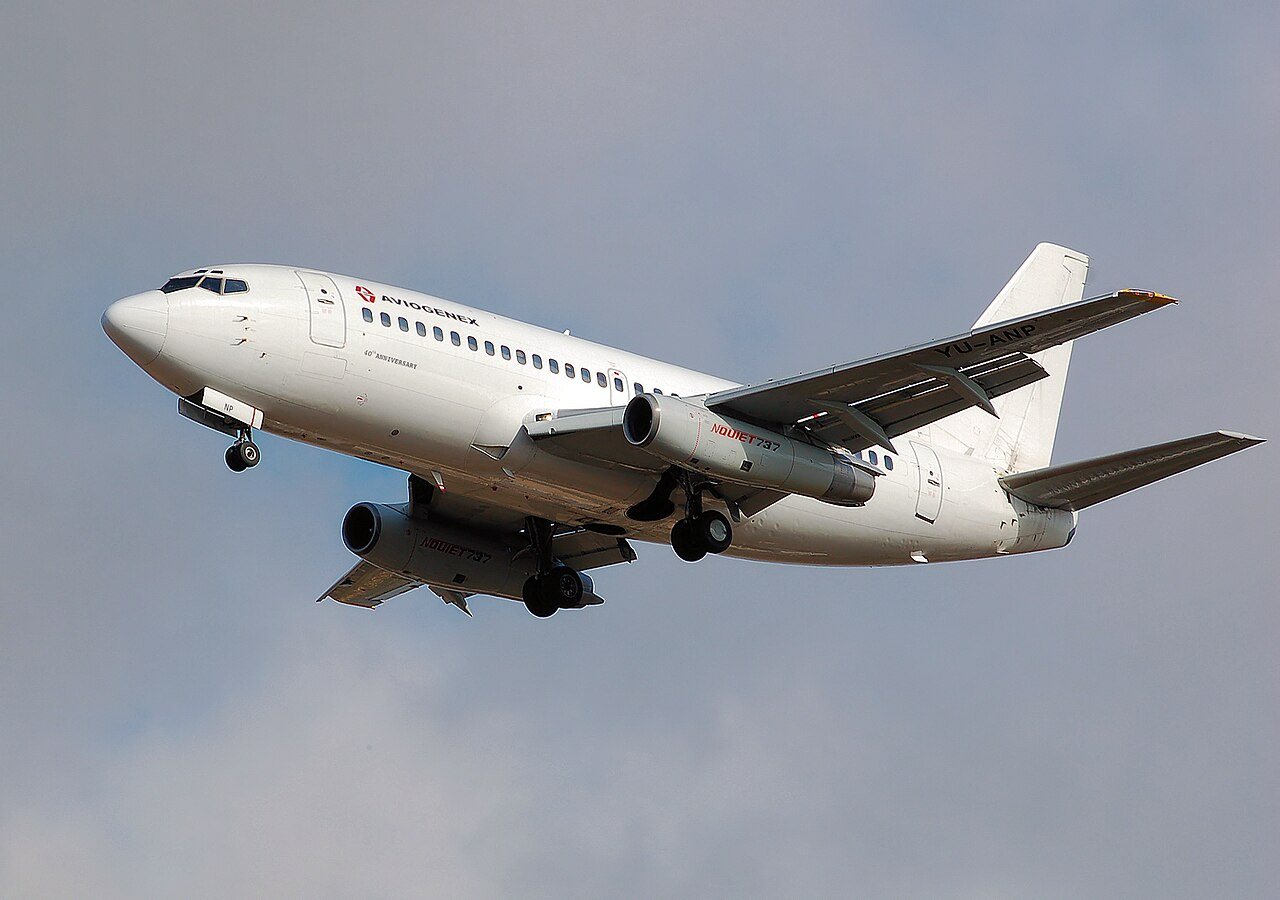
Boeing 737 is a narrow-body airliner family produced by Boeing at its factories in Washington state. Developed to supplement the Boeing 727 on short and thin routes, it kept the 727 fuselage width and six-abreast seating while using two underwing turbofan engines. Its first generation entered service in 1968, and the family has since evolved through four generations, offering variants for roughly 85 to 215 passengers. It became the best-selling commercial aircraft until the Airbus A320 family overtook it in 2019.
Initial design
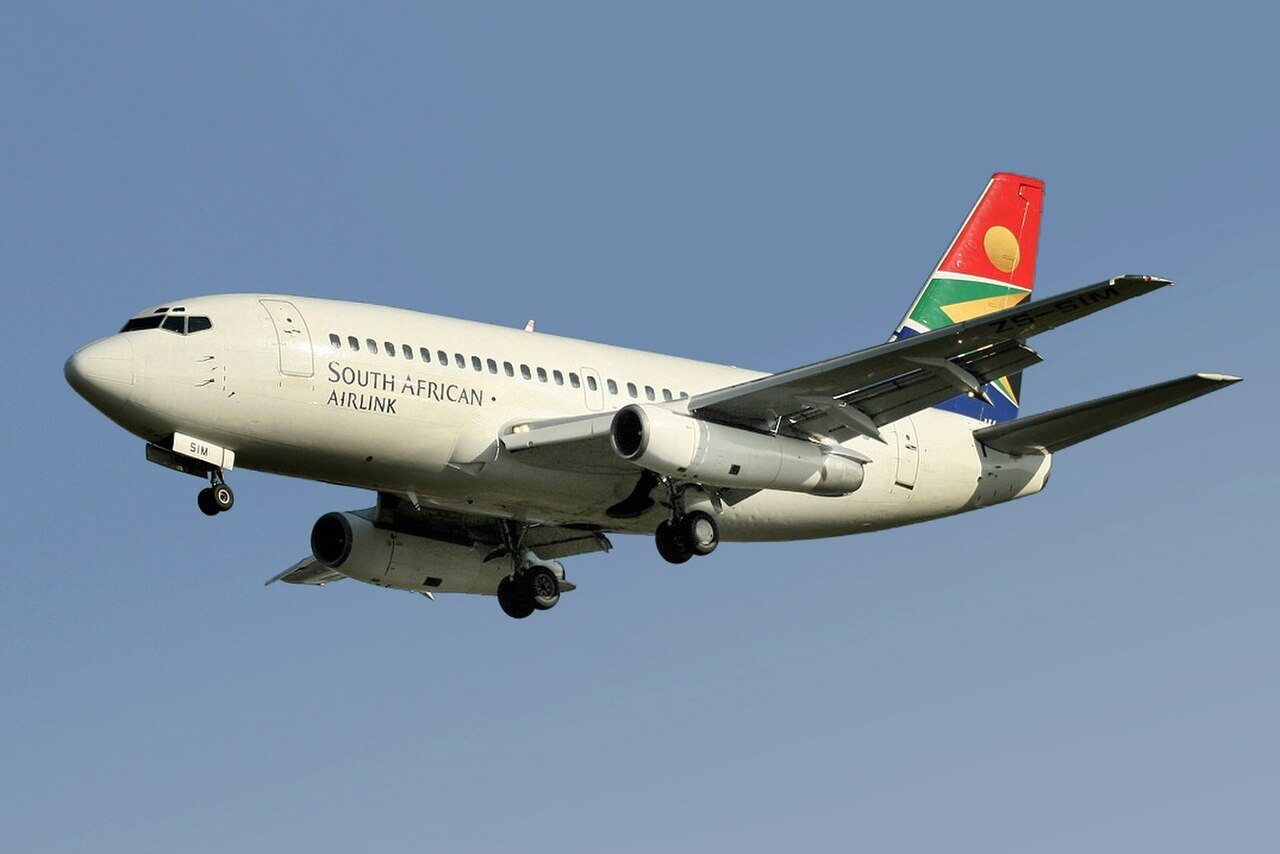
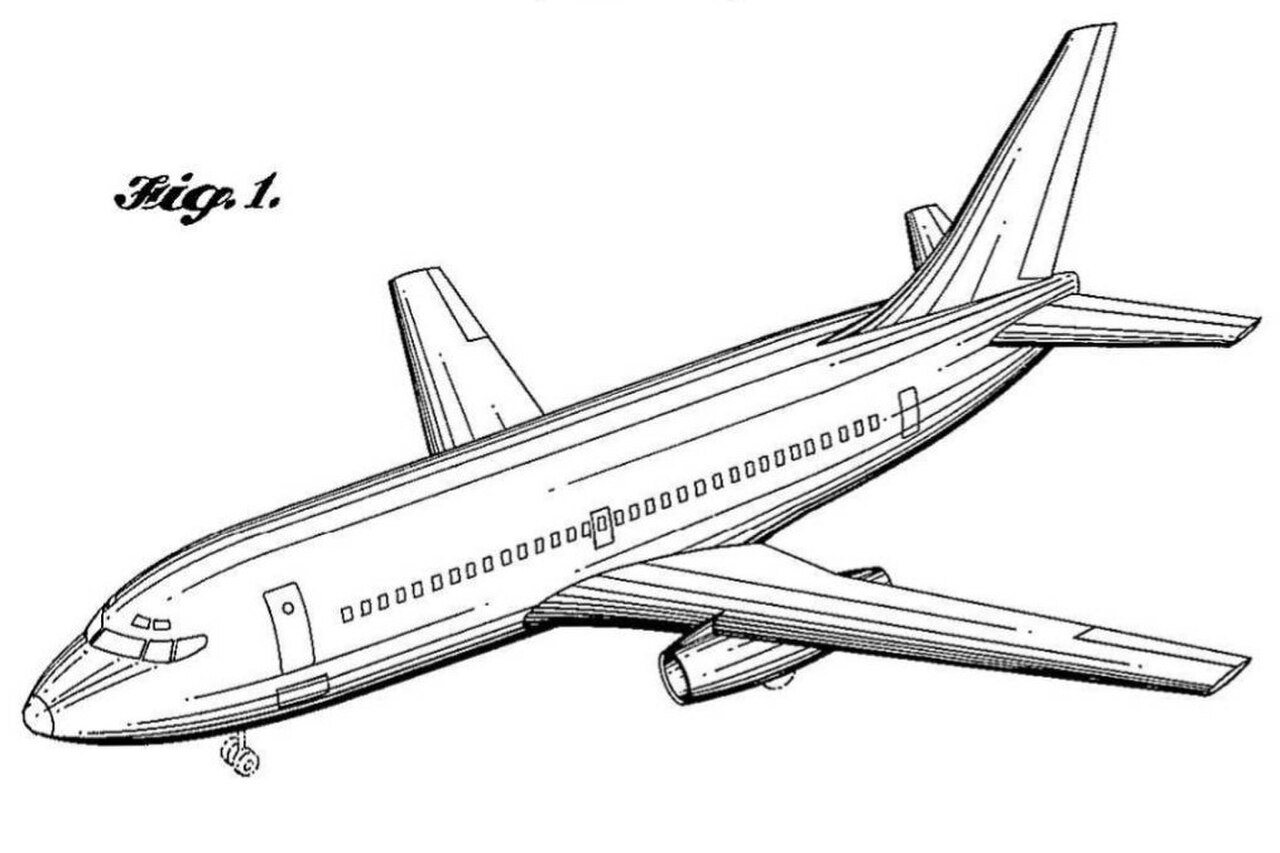

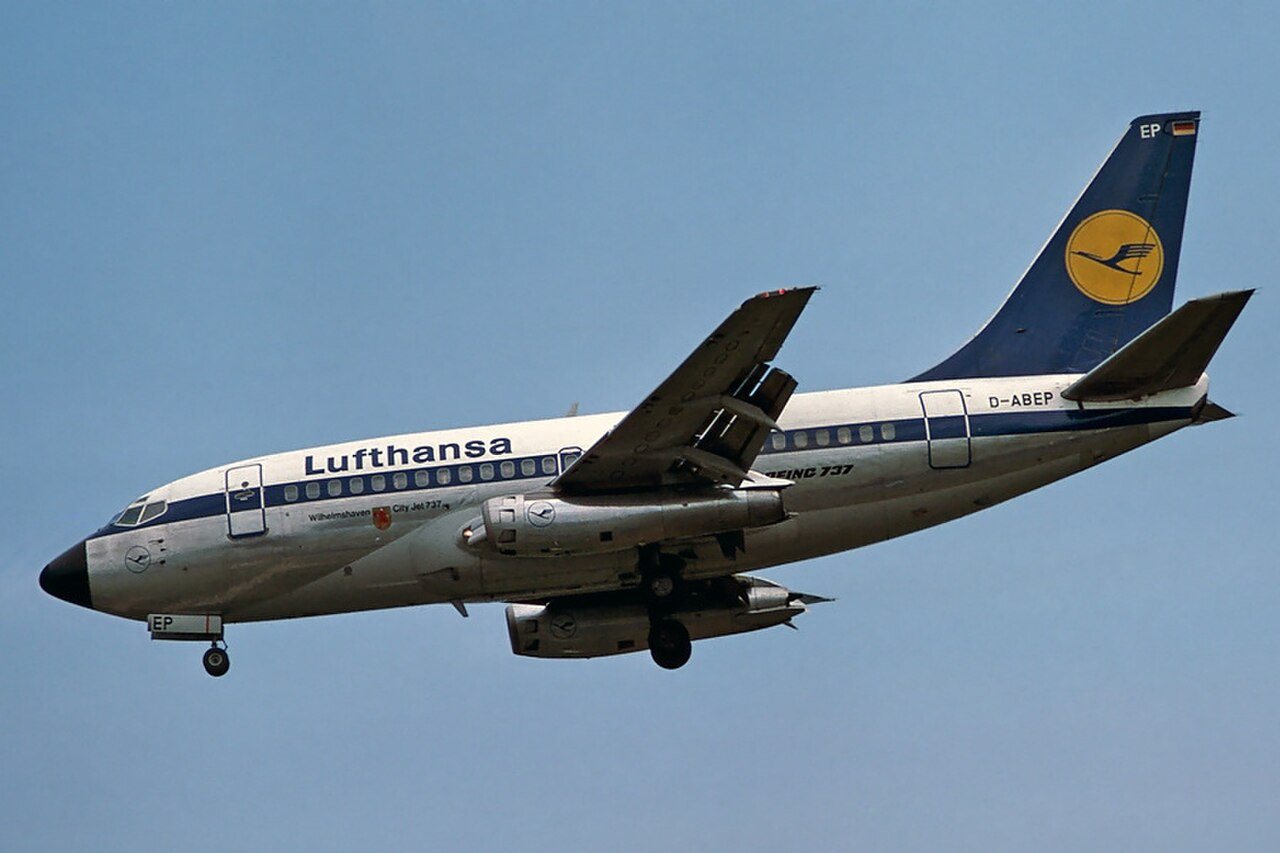
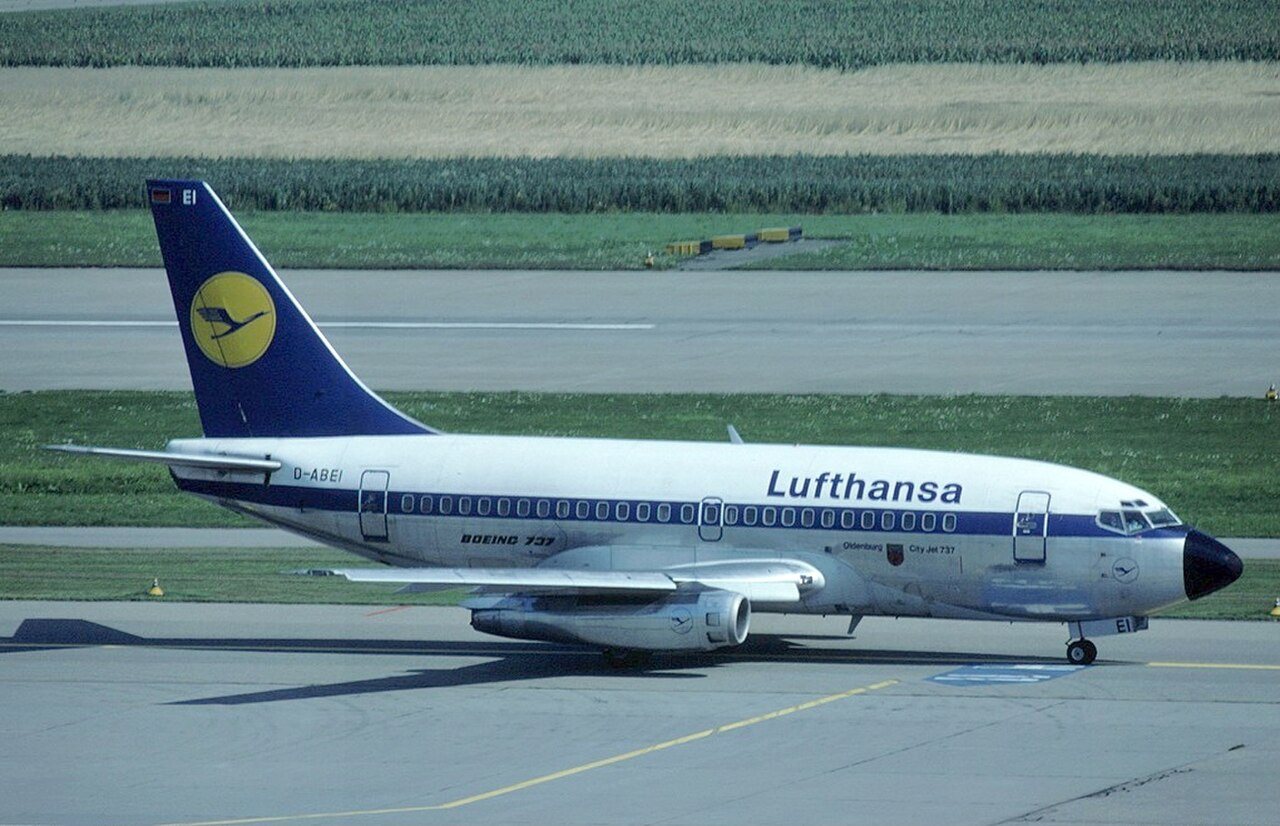
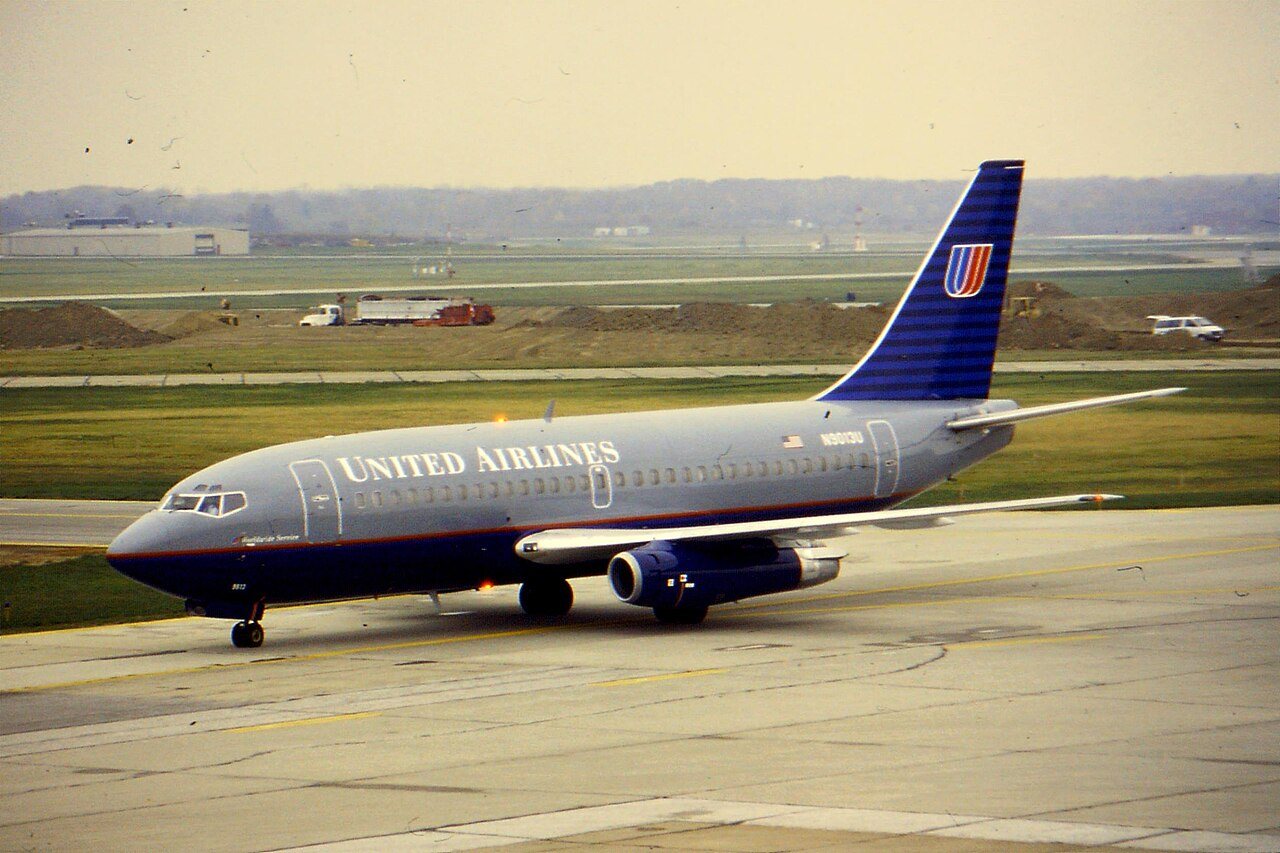


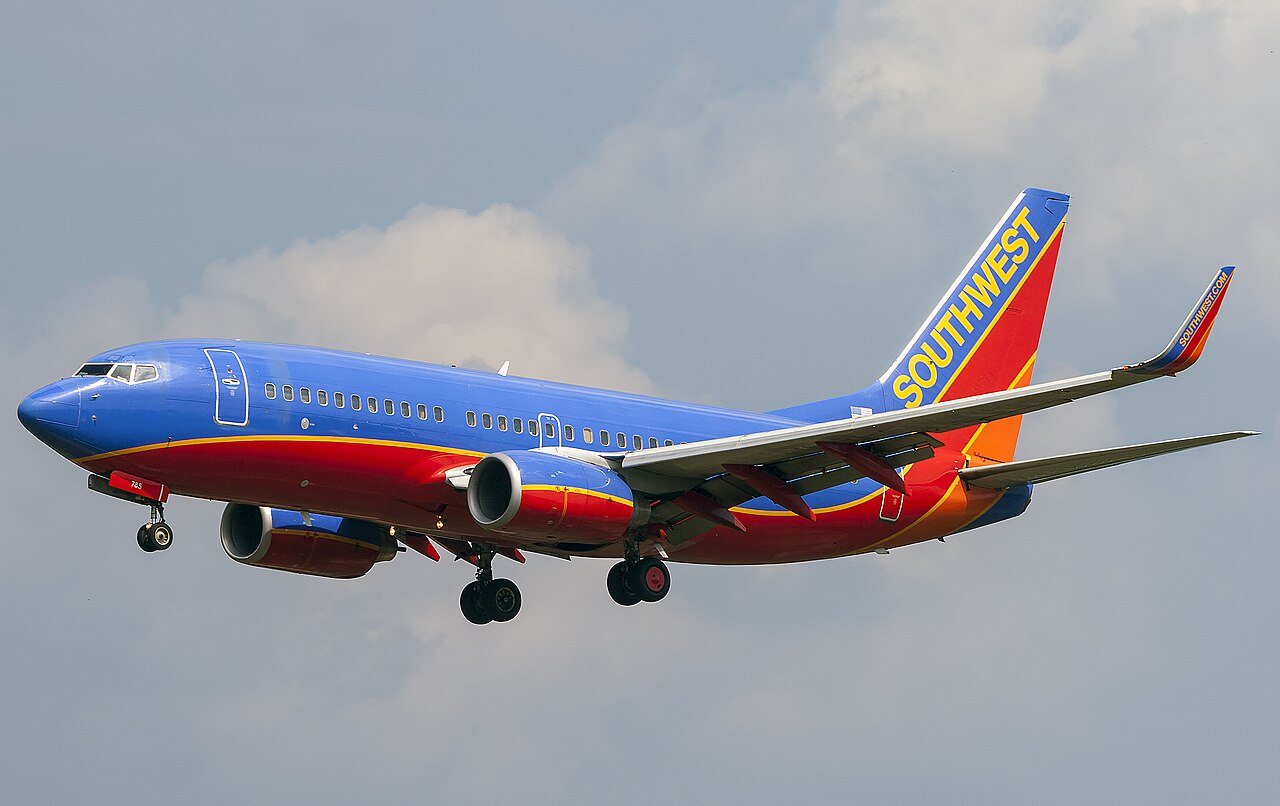
Boeing began preliminary work in 1964 on a short-haul jet to fill gaps left by the 727. Engineer Joe Sutter moved the engines from the rear fuselage to the wings, which lightened the structure, allowed shorter landing gear and simplified six-abreast seating. The 737 reused much of the 727's fuselage, which gave it a width that permitted six seats per row, while rival designs offered five. Lufthansa became the launch customer in 1965, and United Airlines ordered a stretched version that became the 737-200.
Generations and legacy
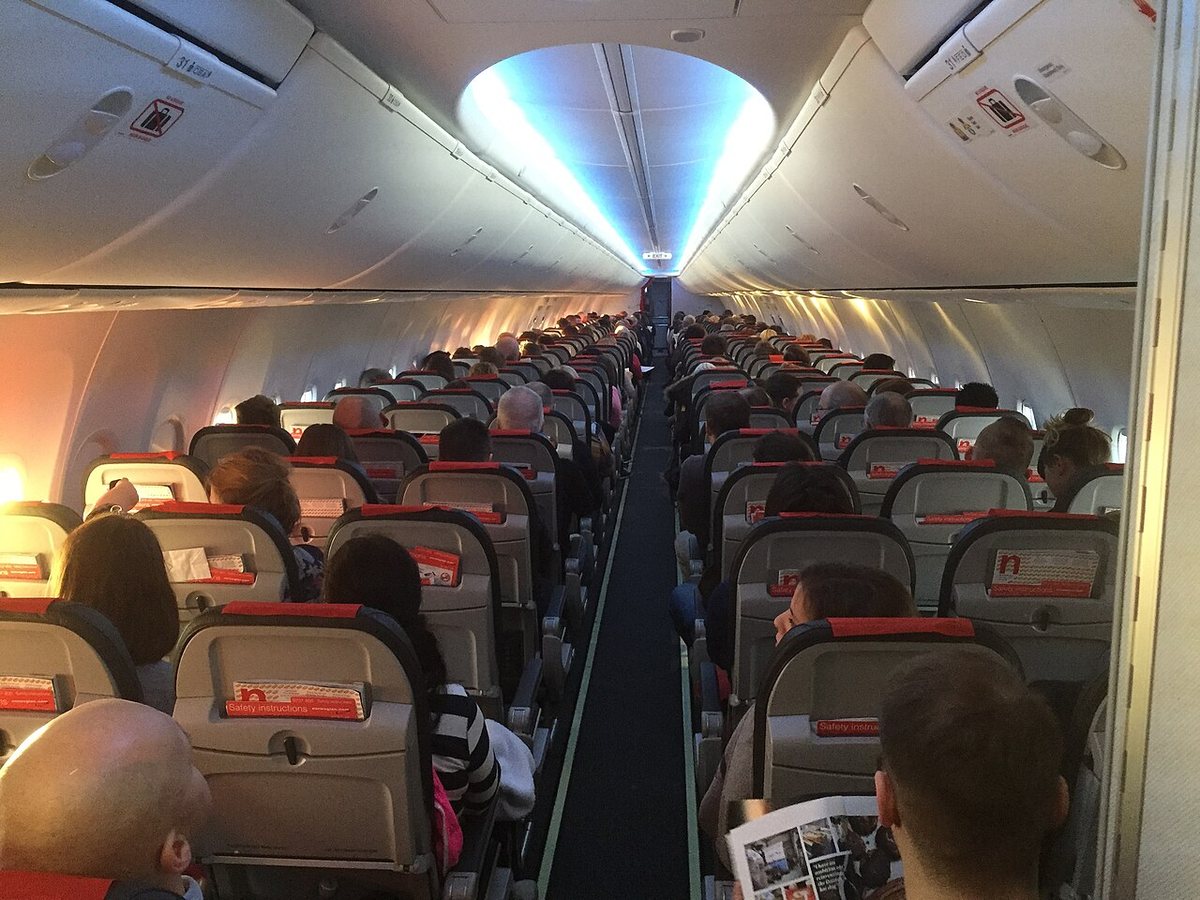
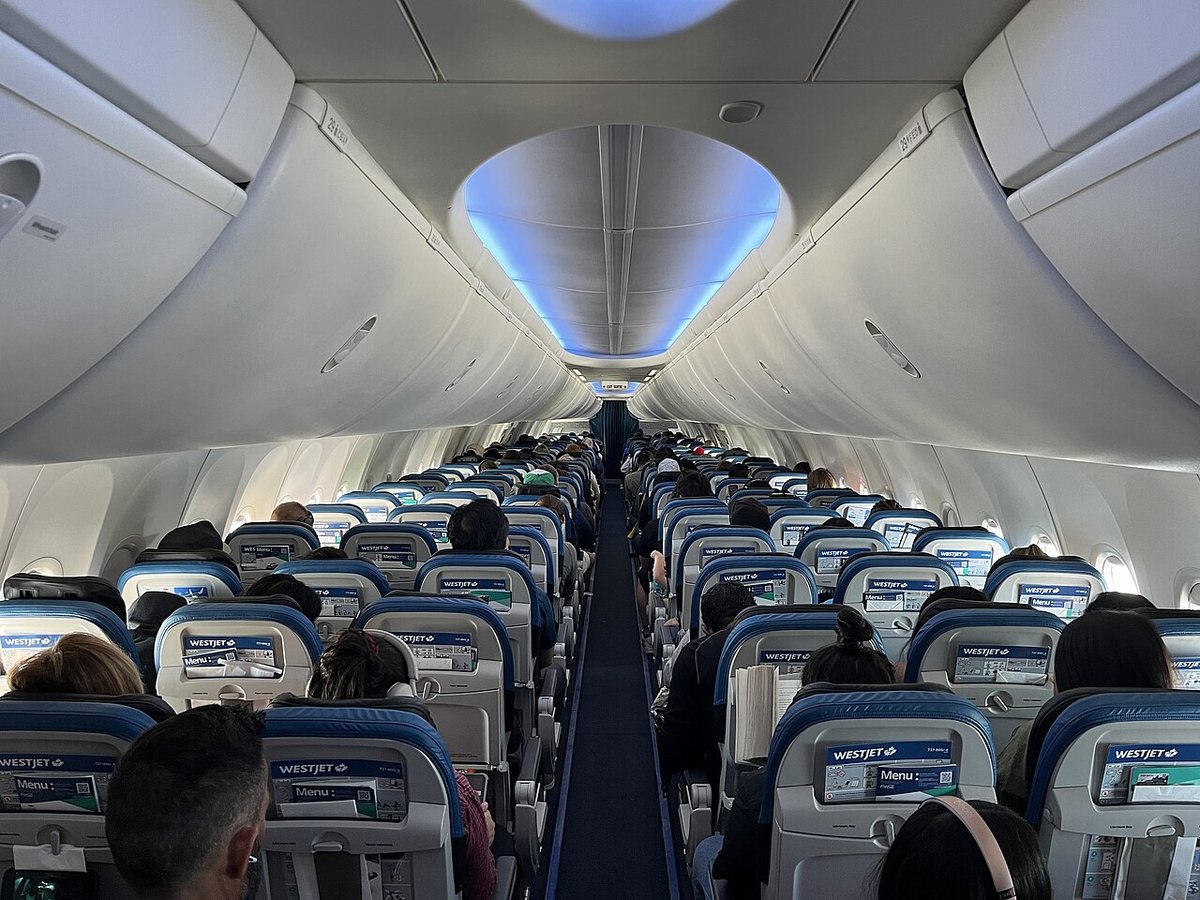
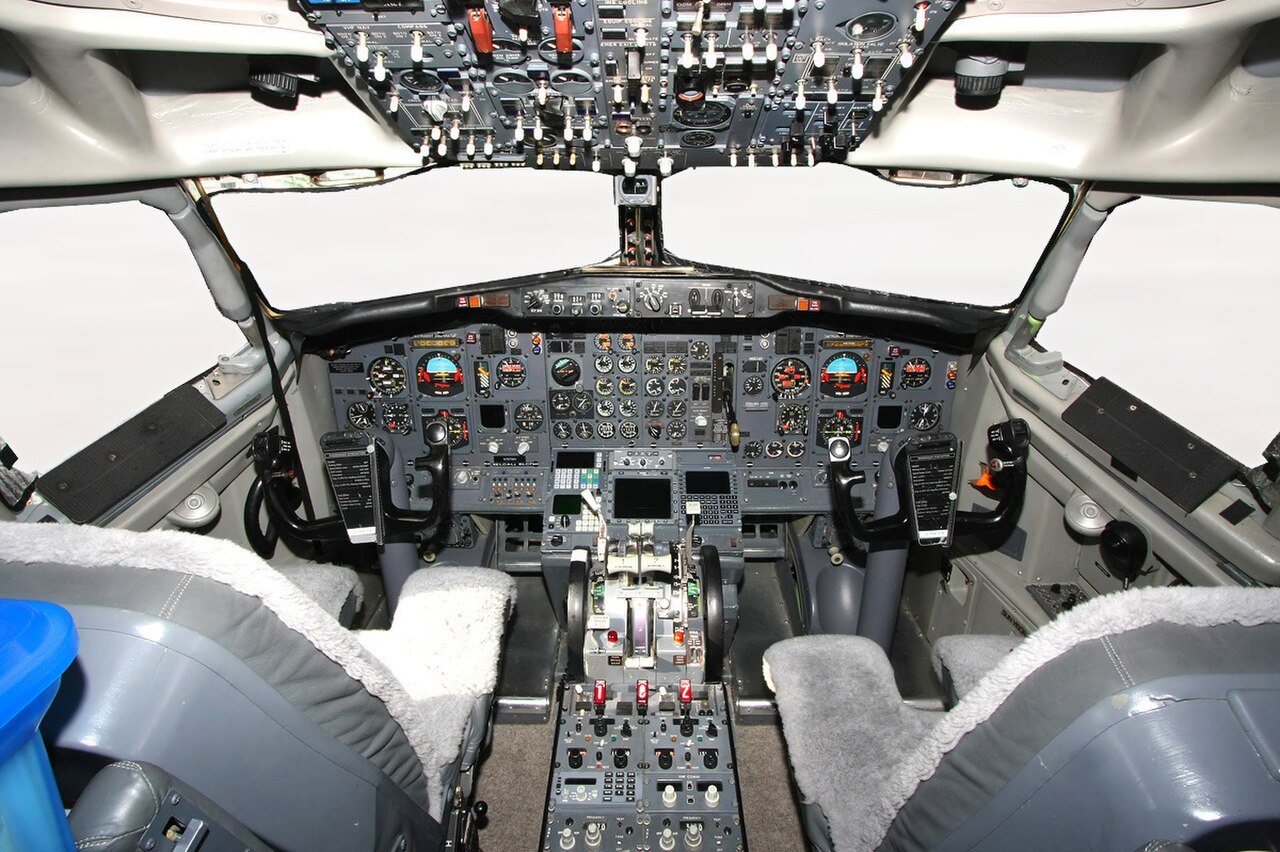
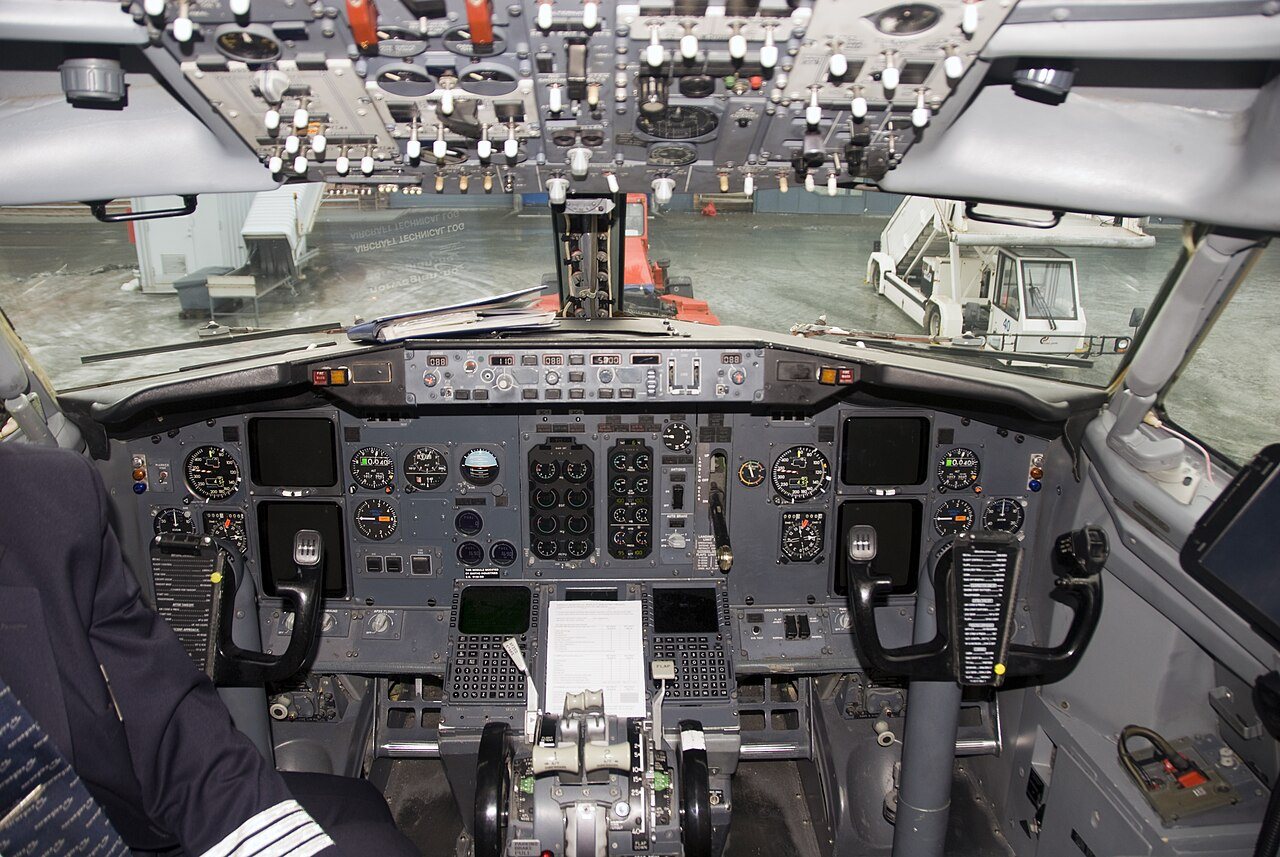
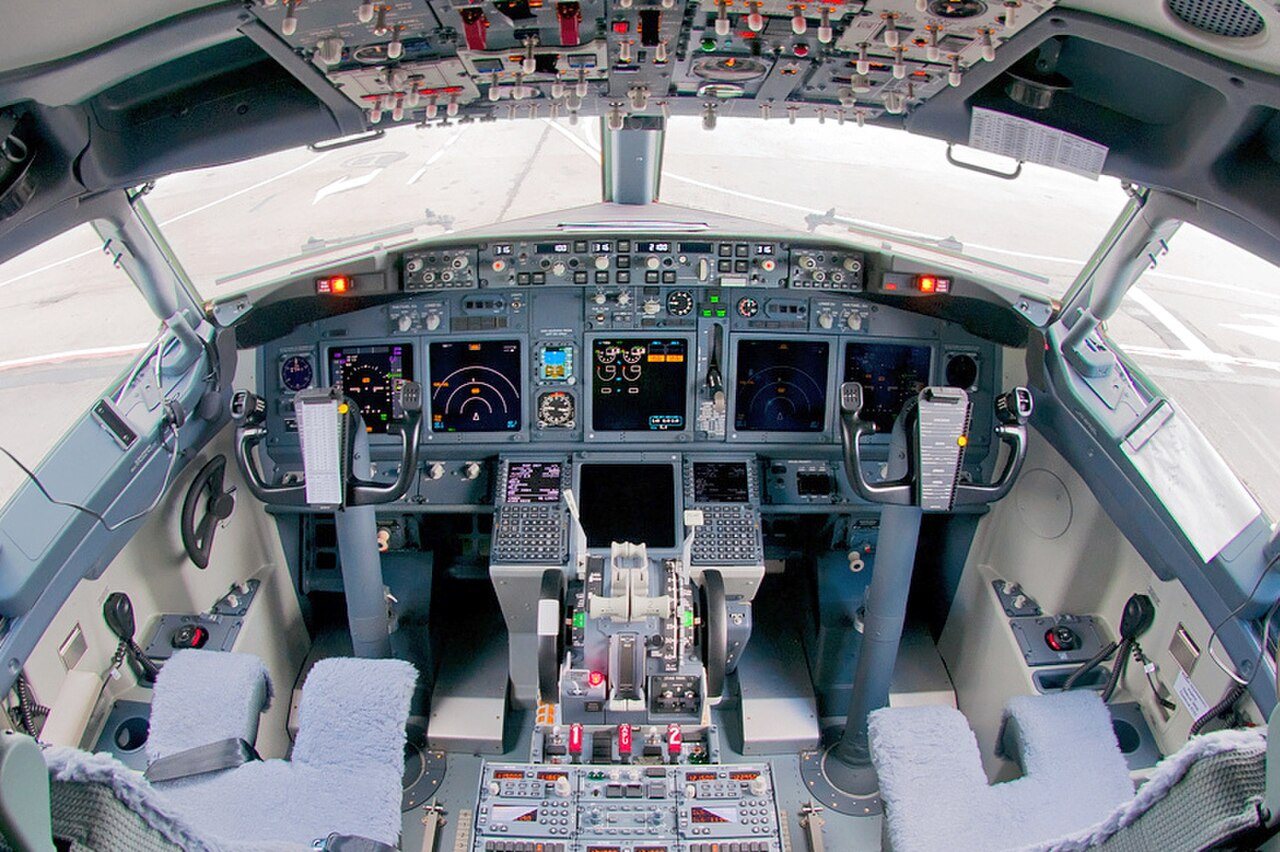
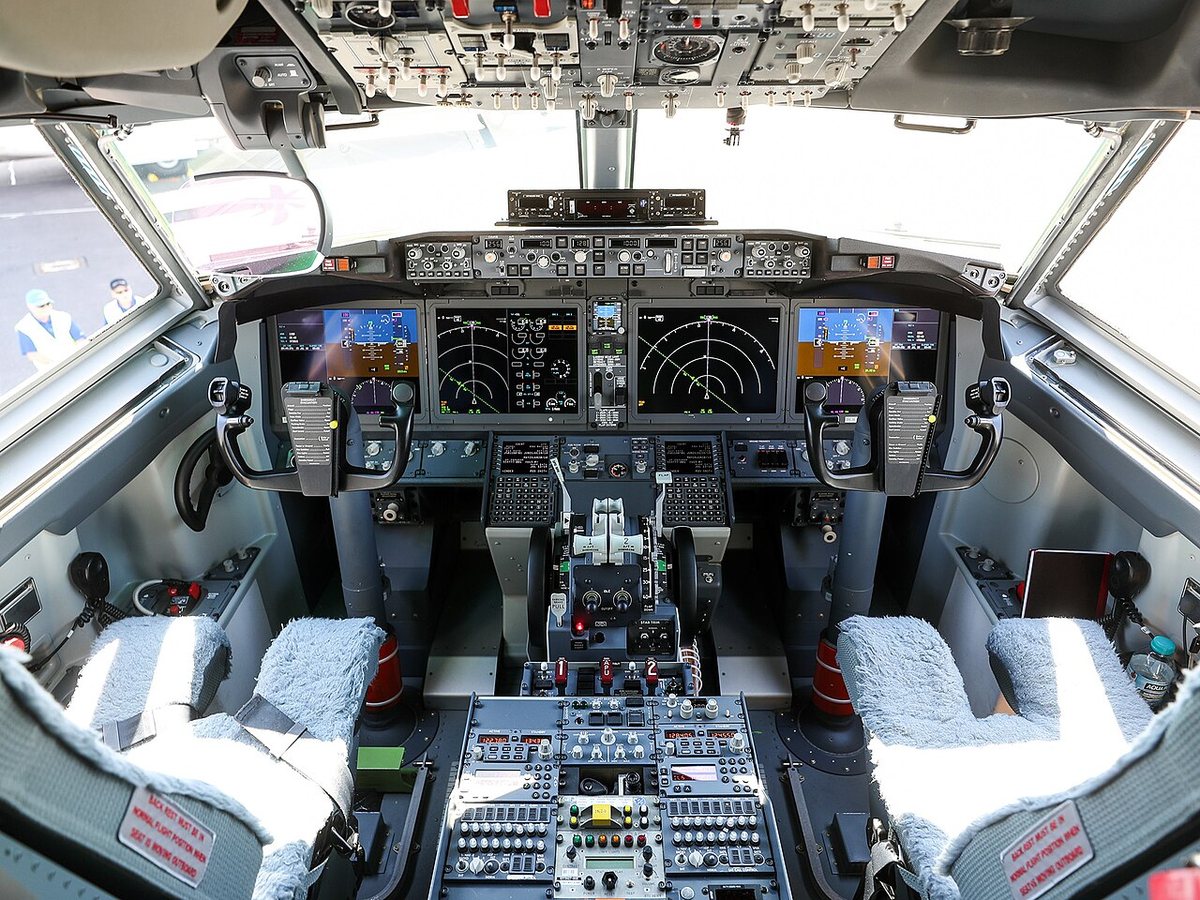
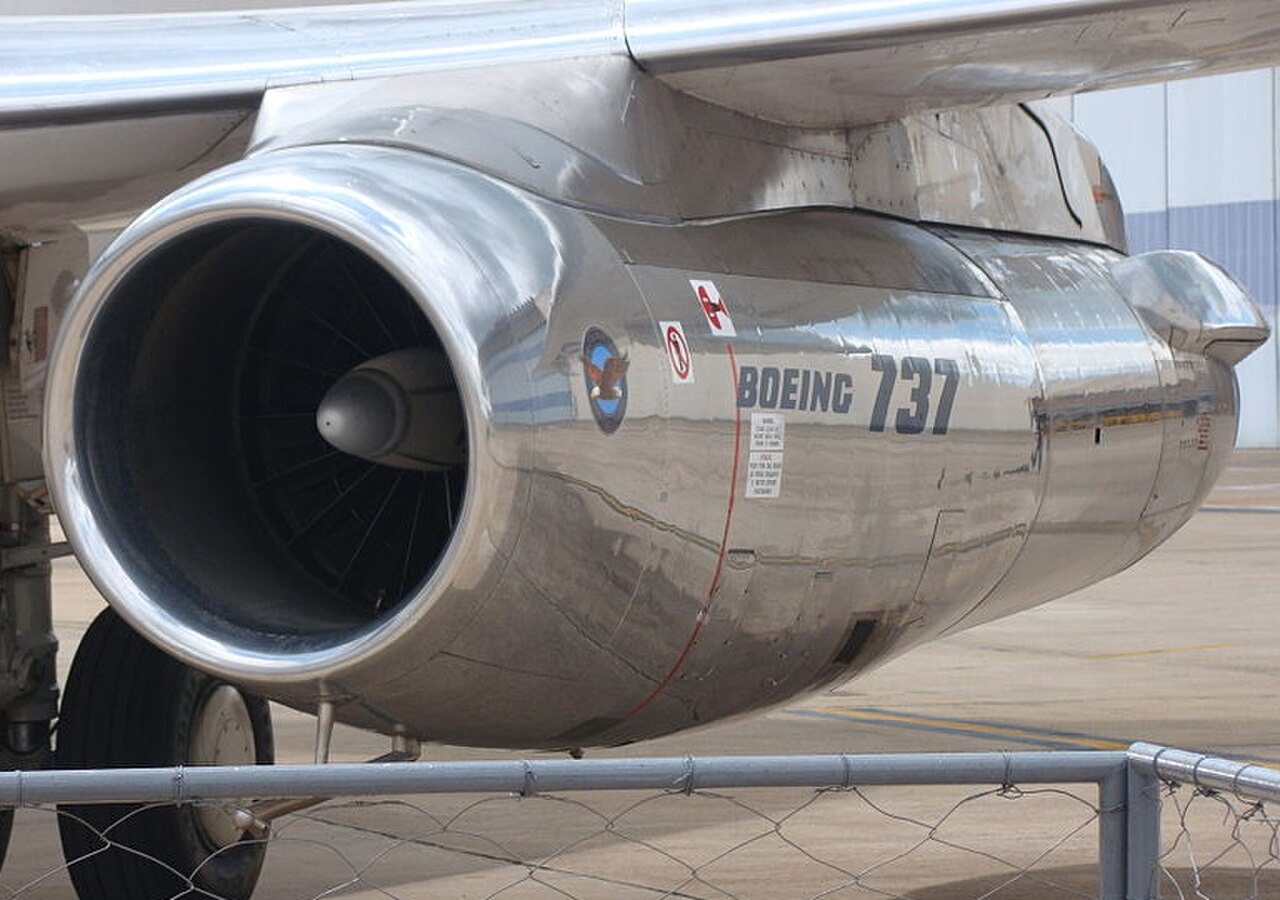
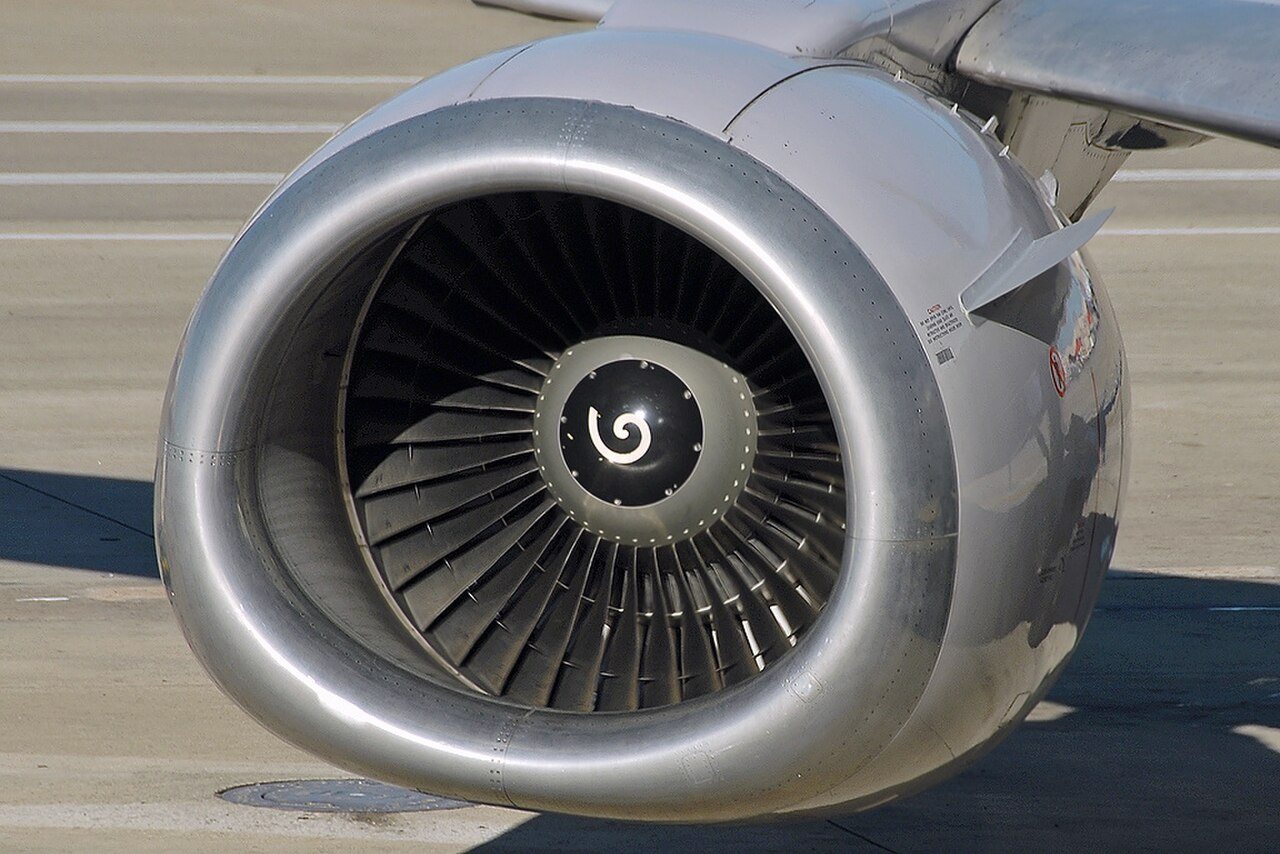
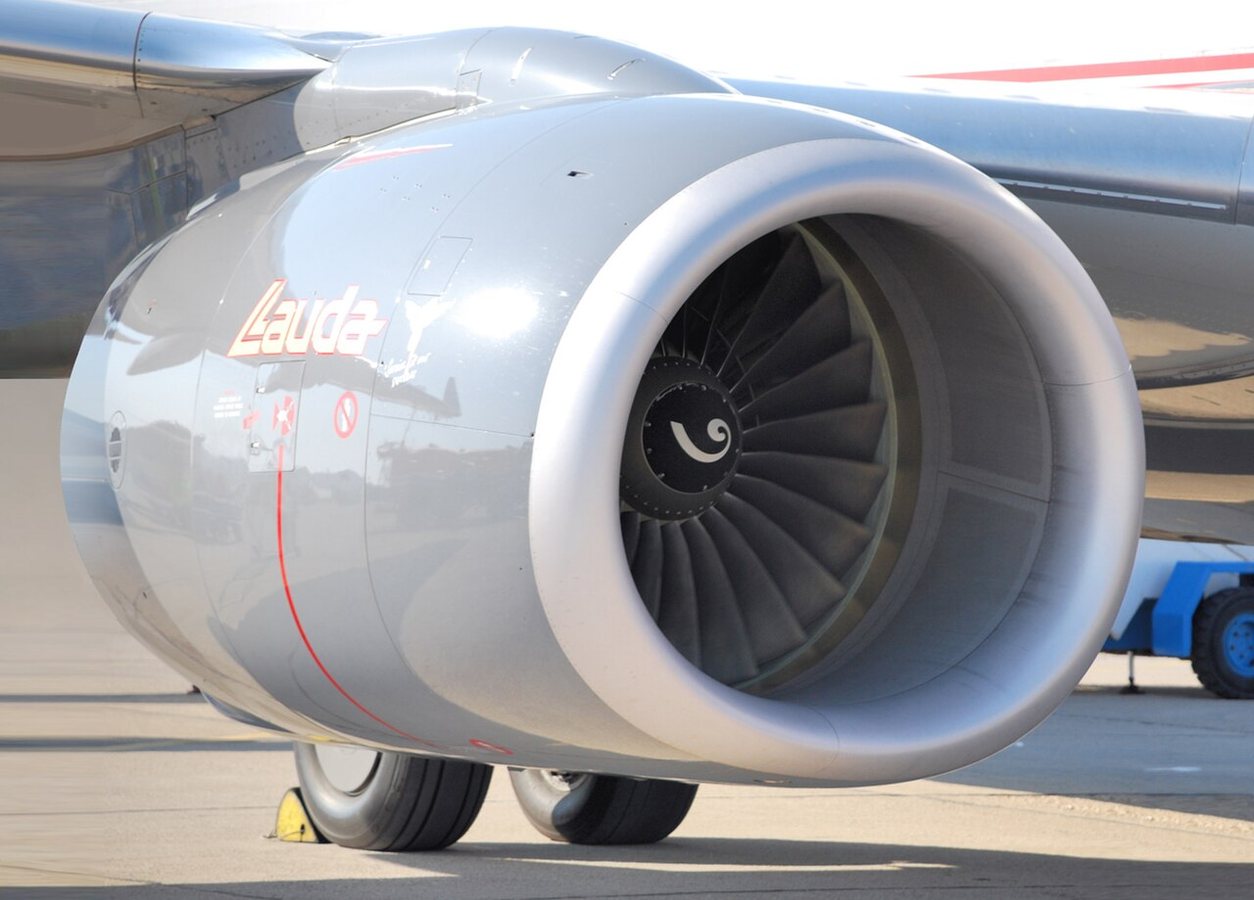
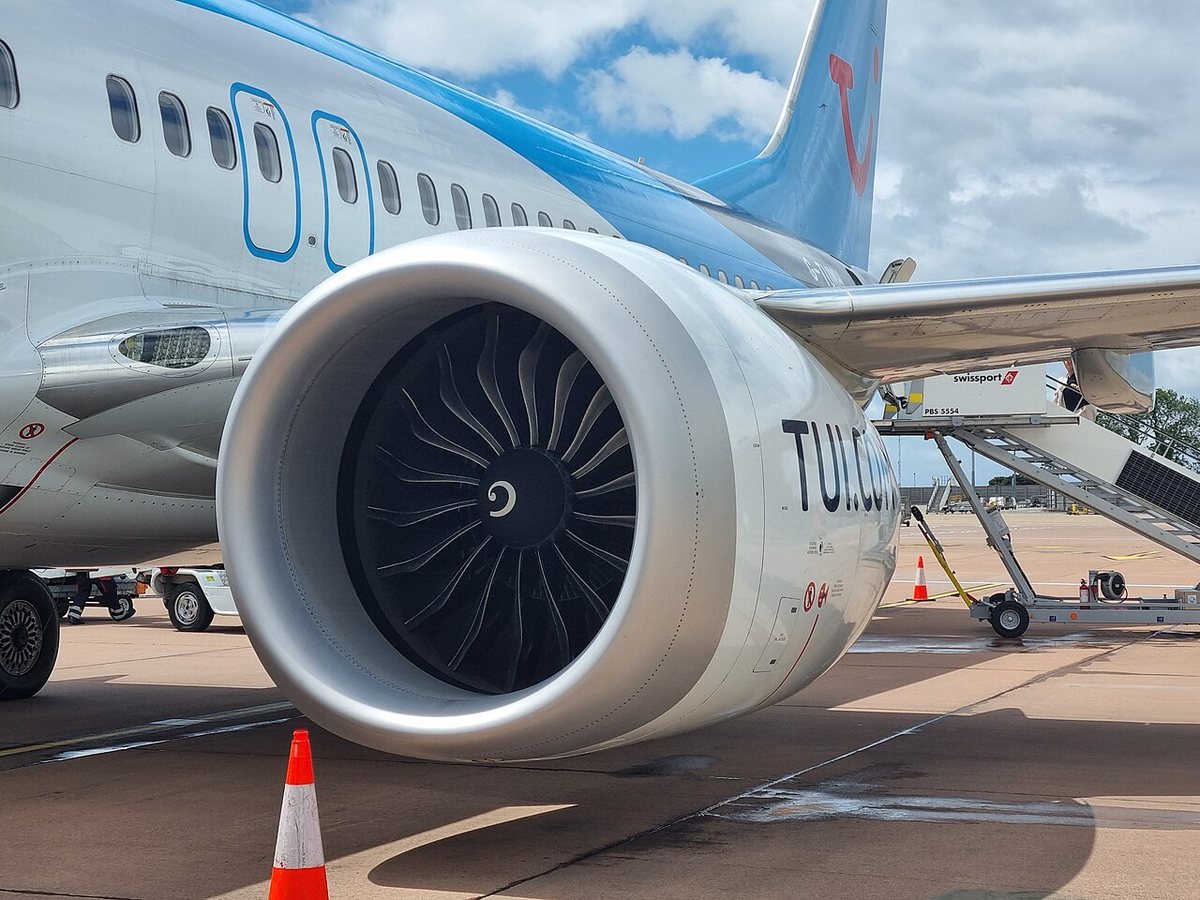
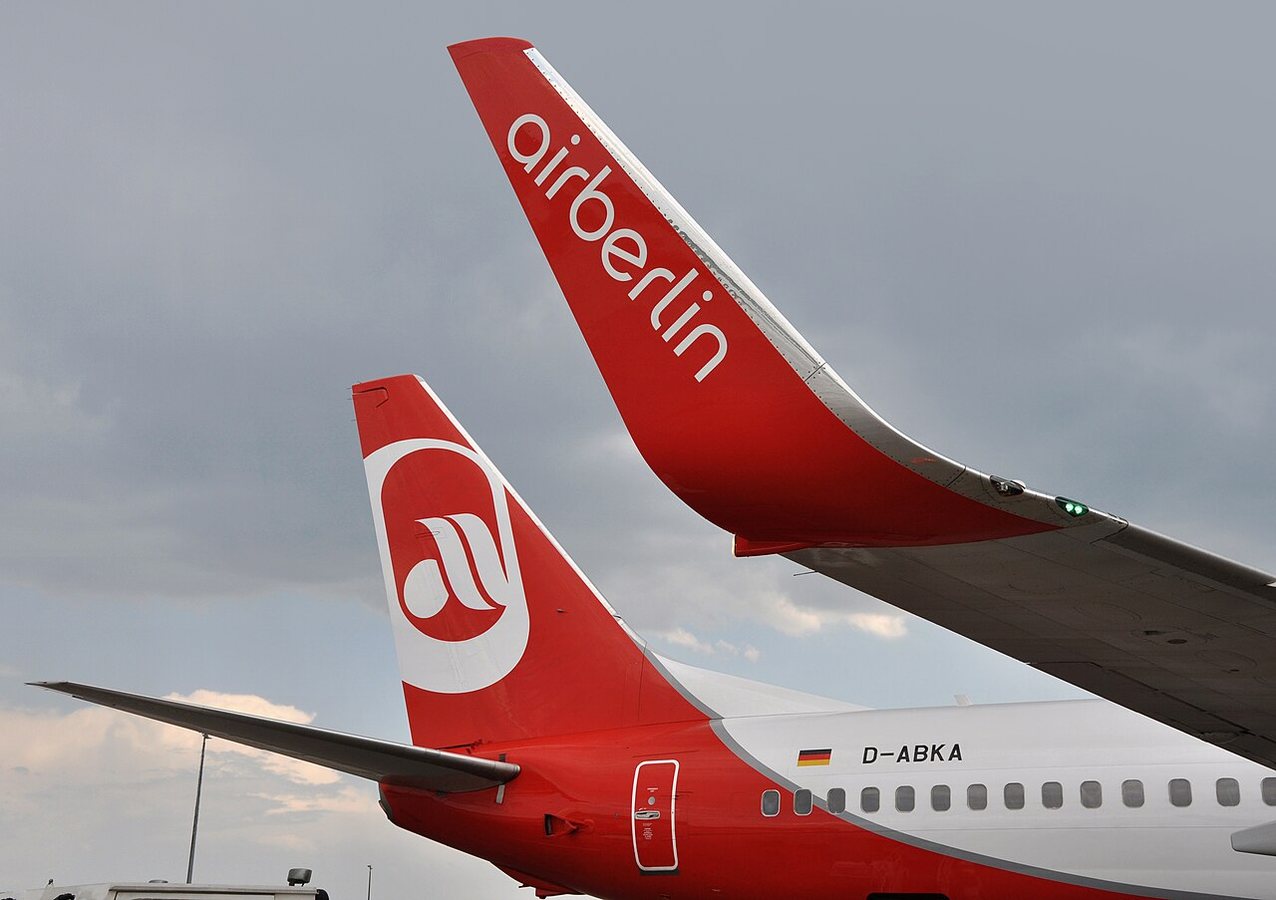

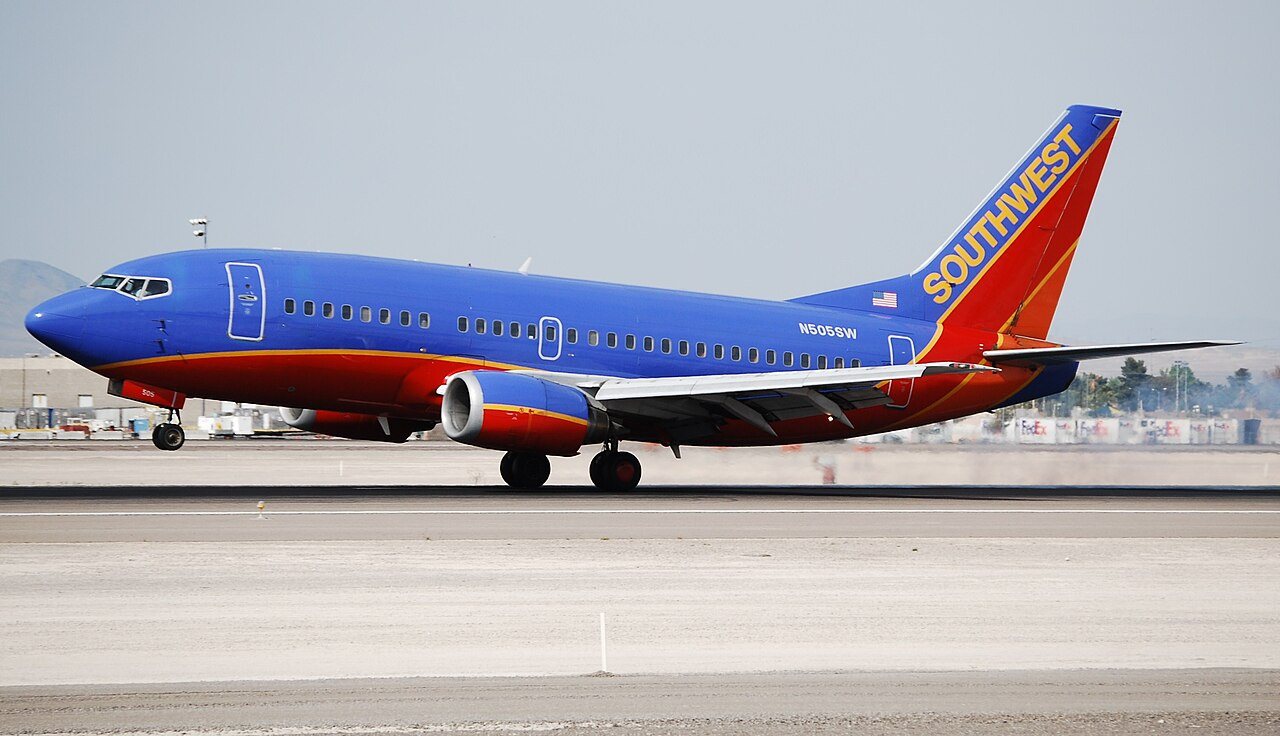
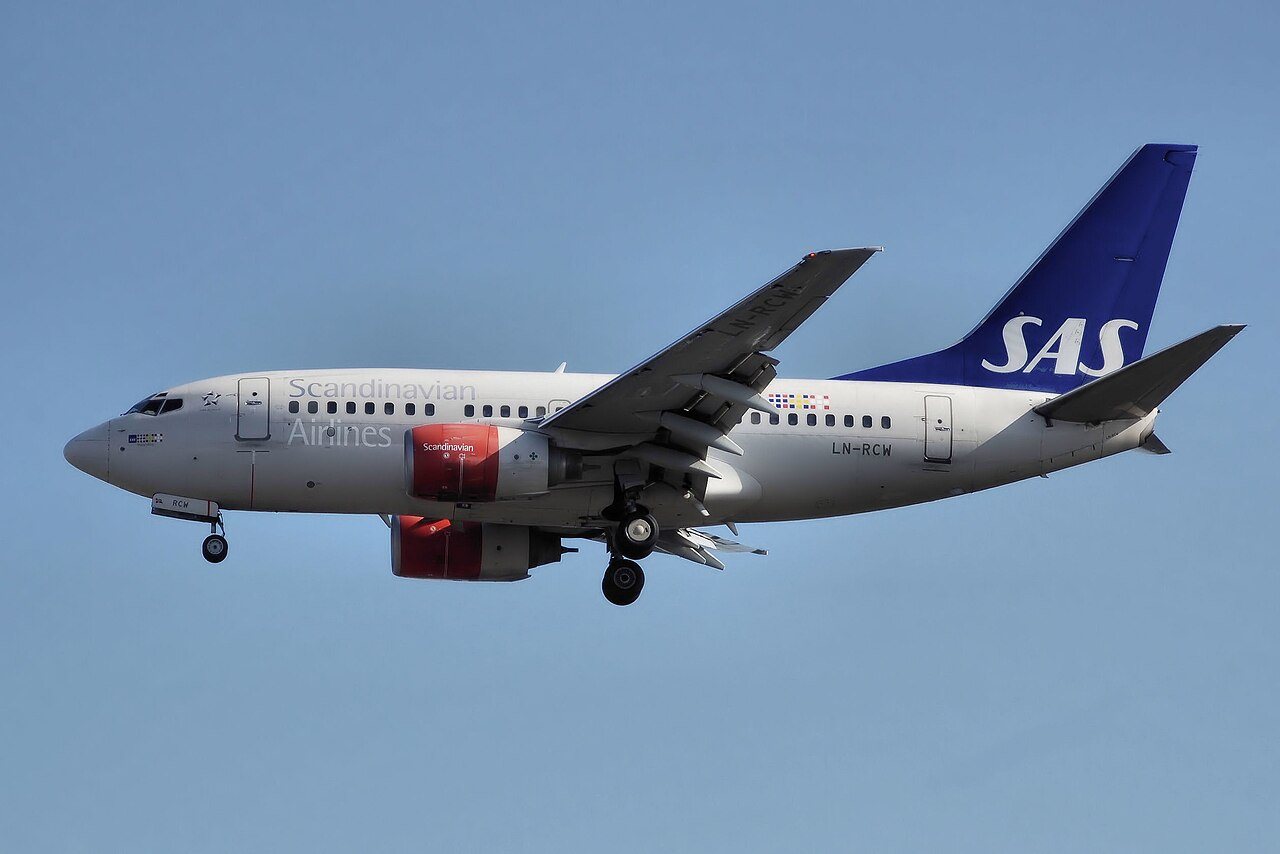
The original series was followed by the Classic, Next Generation and MAX families, each with more efficient engines and updated systems. The MAX entered service in 2017, but it was grounded worldwide from 2019 to 2020 after two fatal crashes. The 737 has been used for military and corporate roles as well, including surveillance, training and business jet versions. By the 2020s it had been ordered more than 17,000 times, making it one of the most widely produced airliners.