
Basiliscus was an Eastern Roman emperor who ruled from 475 to 476. Originally a military officer and senator, he rose to power through the support of his sister, Empress Verina, following the death of Leo II. His brief reign was marked by significant religious shifts and political instability. After attempting to install a different successor, he successfully seized the throne from Zeno, but his authority quickly crumbled due to heavy taxation and controversial theological policies that alienated the population of Constantinople.
Military and political life
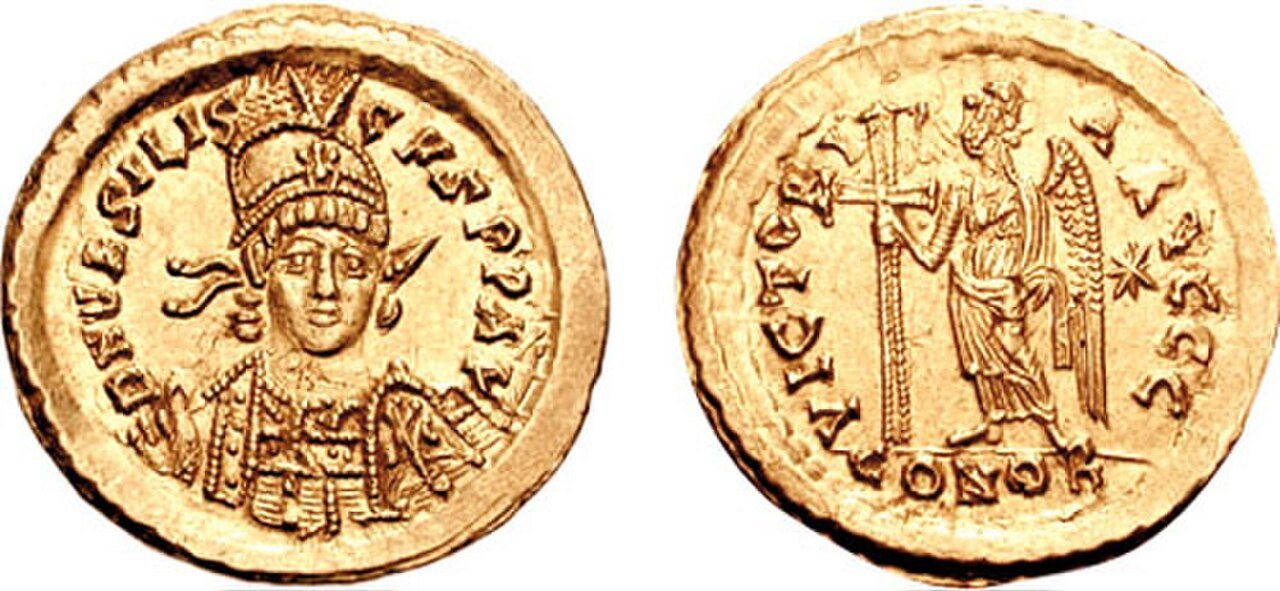
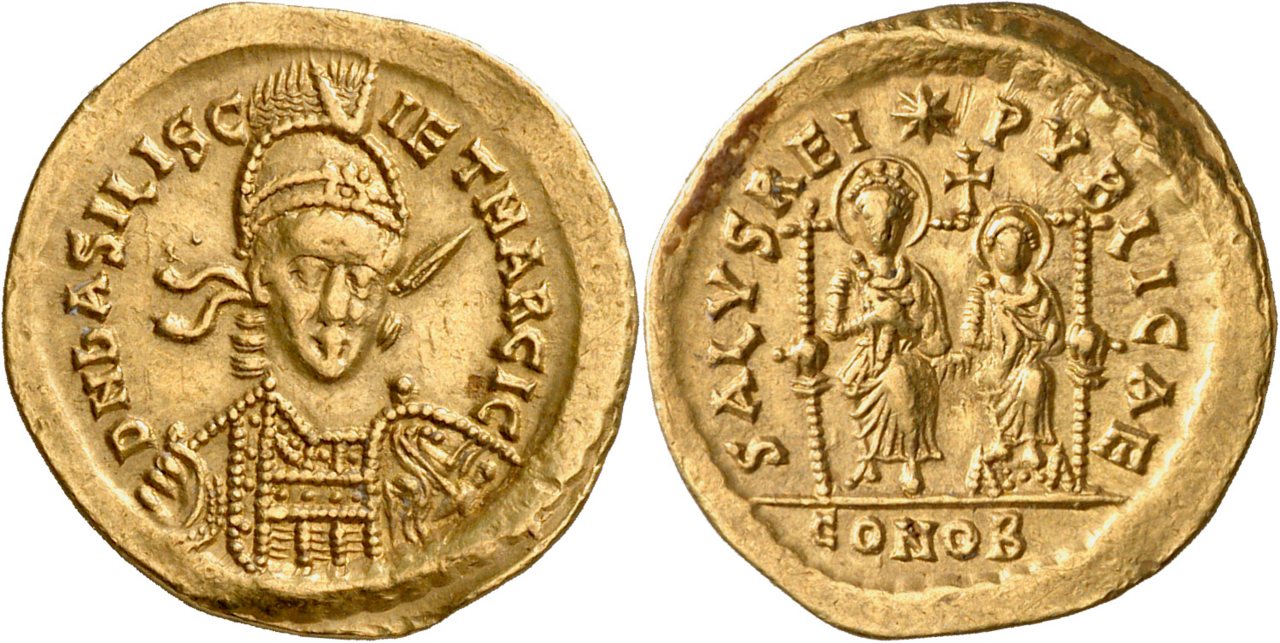
Before his imperial rule, Basiliscus served as a magister militum and led a major naval expedition against the Vandal Kingdom in 468. This campaign resulted in a costly defeat for the empire. Following the death of Leo II, he participated in a conspiracy to place a different candidate on the throne, but he eventually convinced the Senate to acclaim him emperor instead, forcing Zeno into exile.
Religious policies and fall


During his reign, Basiliscus supported miaphysite views, issuing an encyclical that rejected the Council of Chalcedon. These religious stances, combined with high taxes and natural disasters, turned the public against him. In 476, Zeno returned to power with the help of defecting generals. Basiliscus sought refuge in the Hagia Sophia before being exiled to Cappadocia, where he died through execution or starvation.


