
Agamemnon is a figure of Greek mythology, a king of Mycenae who led the Achaean forces during the Trojan War. He was the son, or in some accounts the grandson, of King Atreus and Queen Aerope, and the brother of Menelaus. He married Clytemnestra and was the father of several children, including Iphigenia, Electra and Orestes. According to most versions, Clytemnestra killed him on his return from Troy, though in an older telling the deed was carried out by her lover Aegisthus.
Name and ancestry
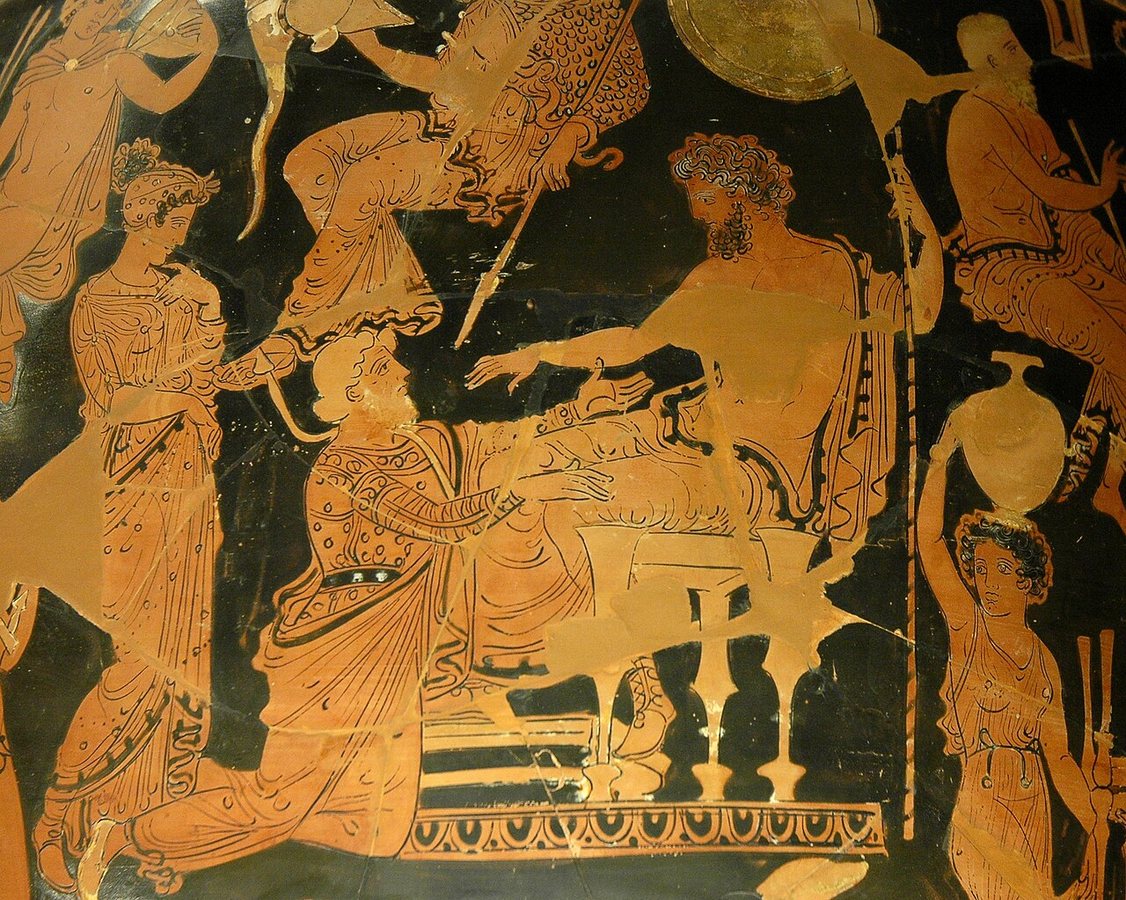

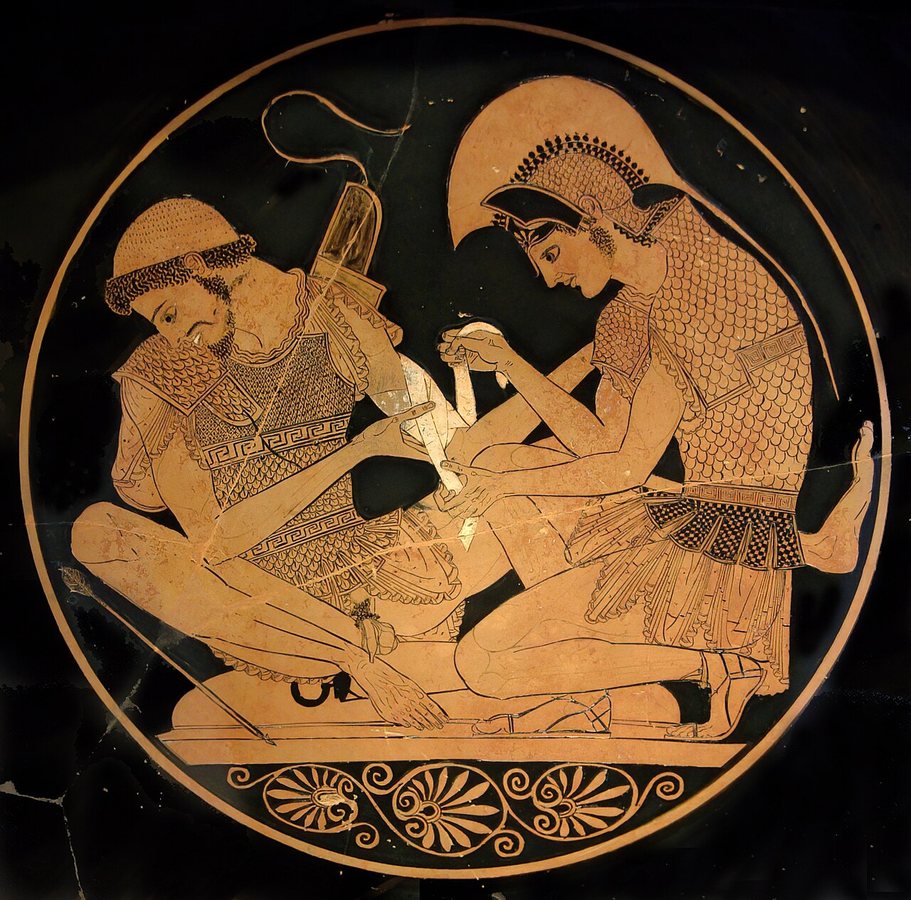
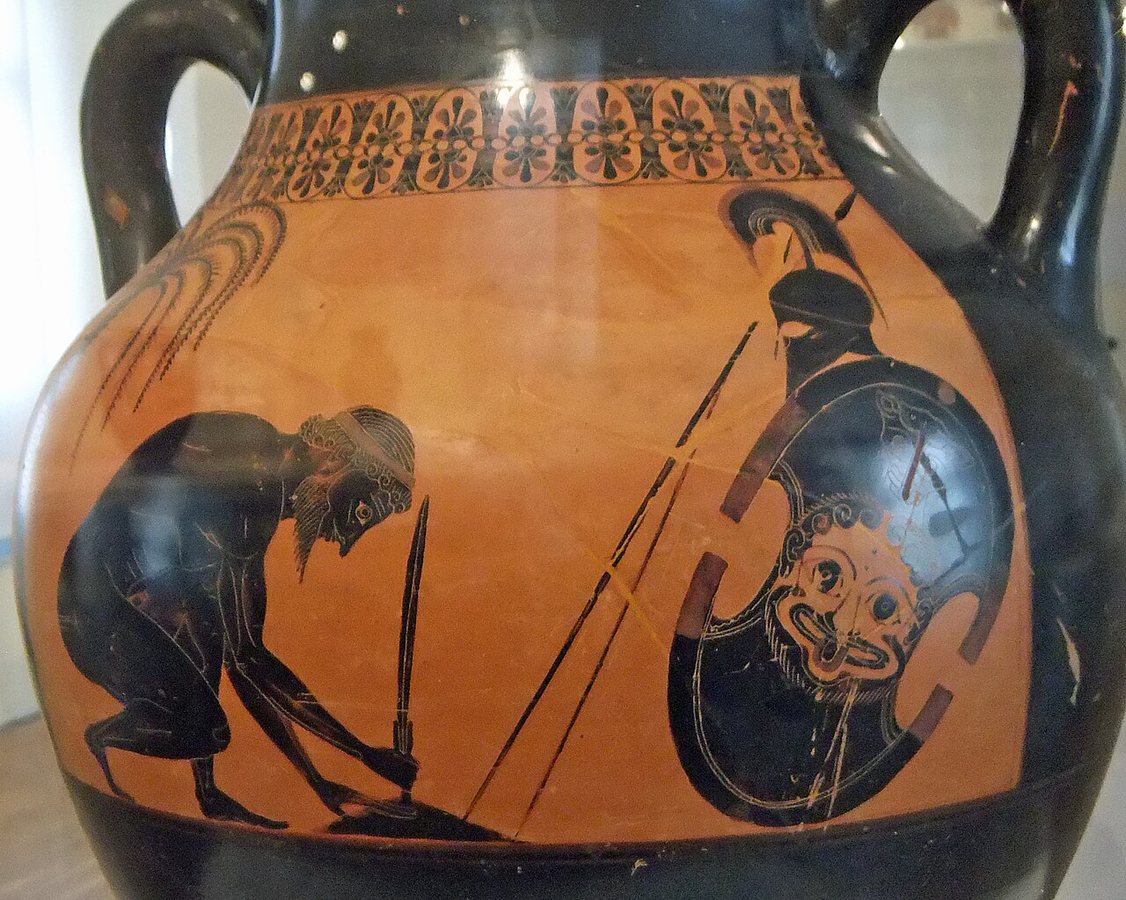
Several etymologies have been proposed for the name Agamemnon, most often read as meaning 'very steadfast' or 'very mindful'. His family was marked by a long history of murder, incest and treachery, which the myths trace back to his ancestor Tantalus. Accounts differ on his parentage, the number of his children and the names of his mothers, but the common version presents him as a descendant of Pelops and the ruler of Mycenae, who grew powerful through conquest.
Sacrifice of Iphigenia
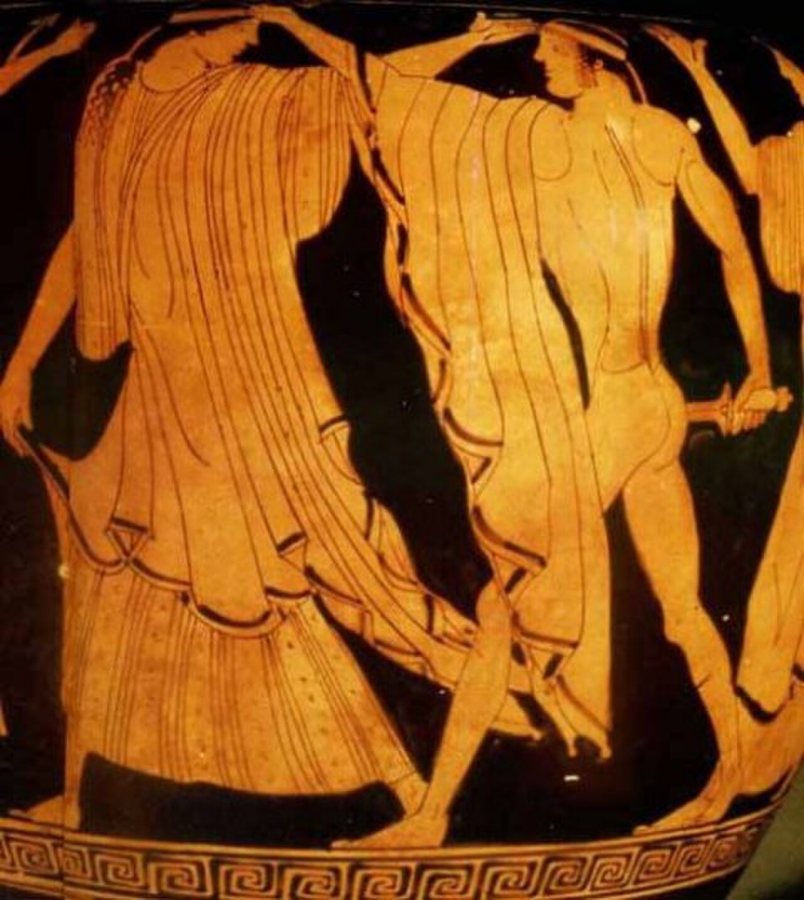
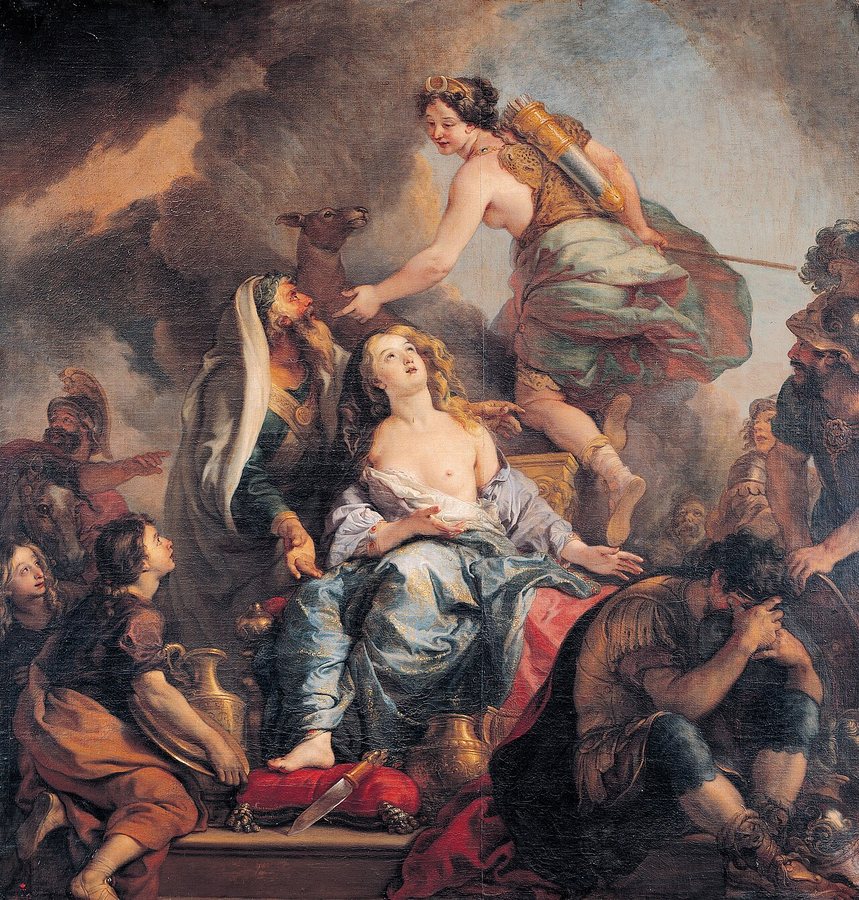
Before the Greek fleet could sail for Troy from Aulis, the army was held back by misfortune, which the prophet Calchas linked to the anger of the goddess Artemis. He declared that only the sacrifice of Agamemnon's daughter Iphigenia could appease her. Classical writers present the decision in different ways, and some versions have the goddess replace the girl with a deer. The episode is one of the best-known moral dilemmas in the myths about the war.
Quarrel with Achilles


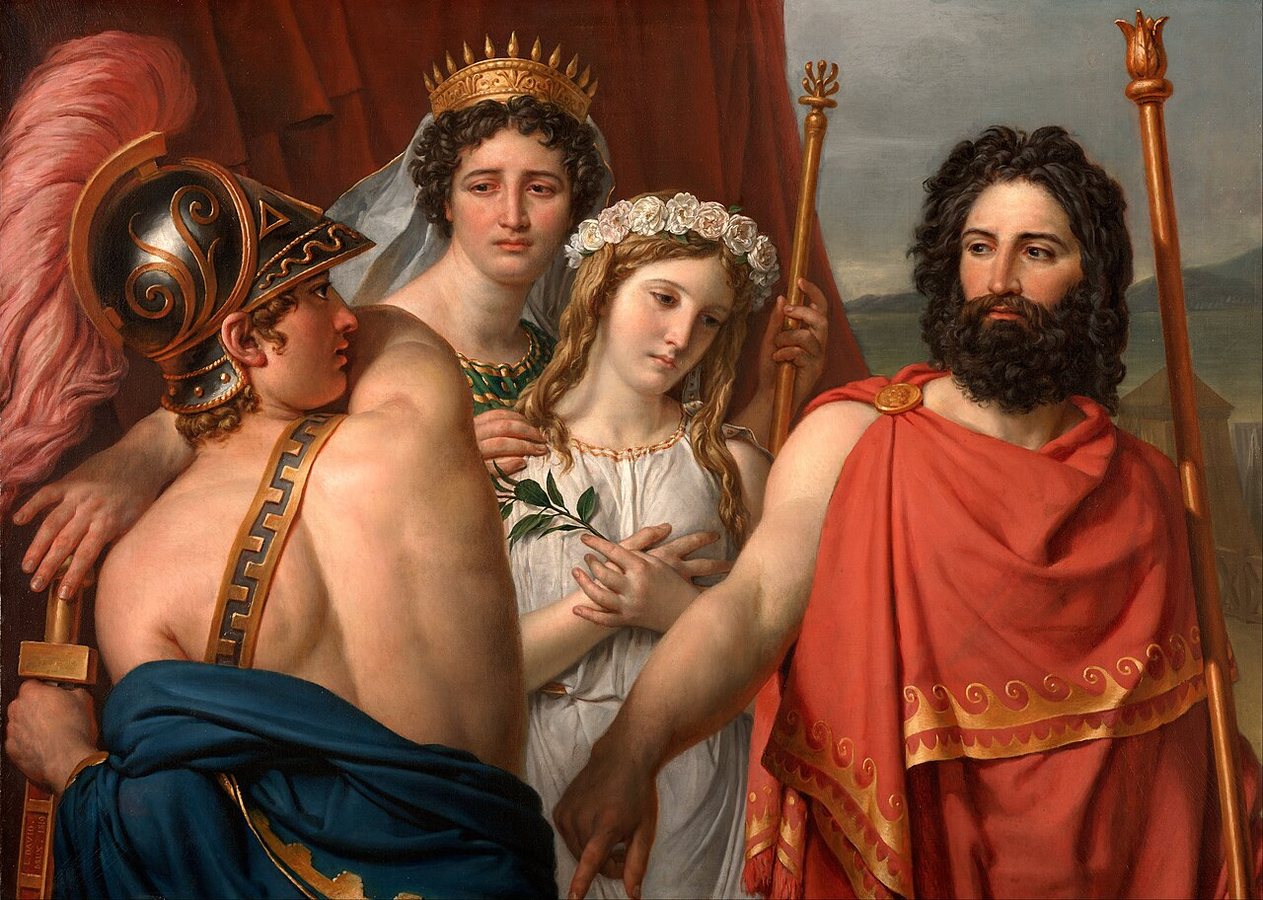
In the Iliad, the central conflict of the war's final year is a quarrel between Agamemnon and Achilles. After Agamemnon took a captive woman from Apollo's priest, the god sent a plague on the army. Agamemnon returned her only on condition that he receive another prize in compensation, seizing Achilles' captive Briseis. The resulting resentment led Achilles to withdraw from the fighting, shaping the poem's narrative.