
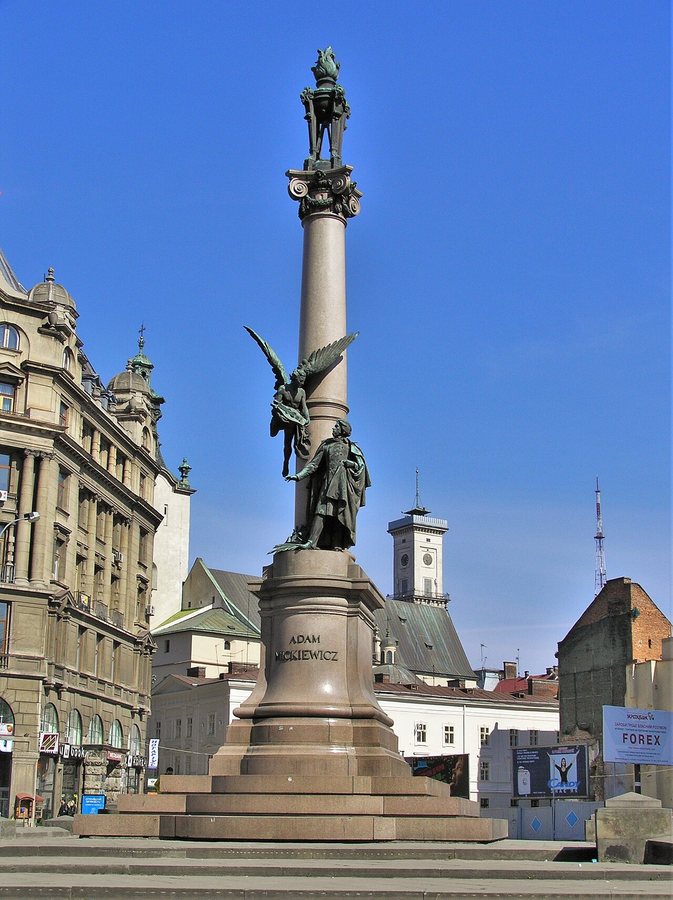
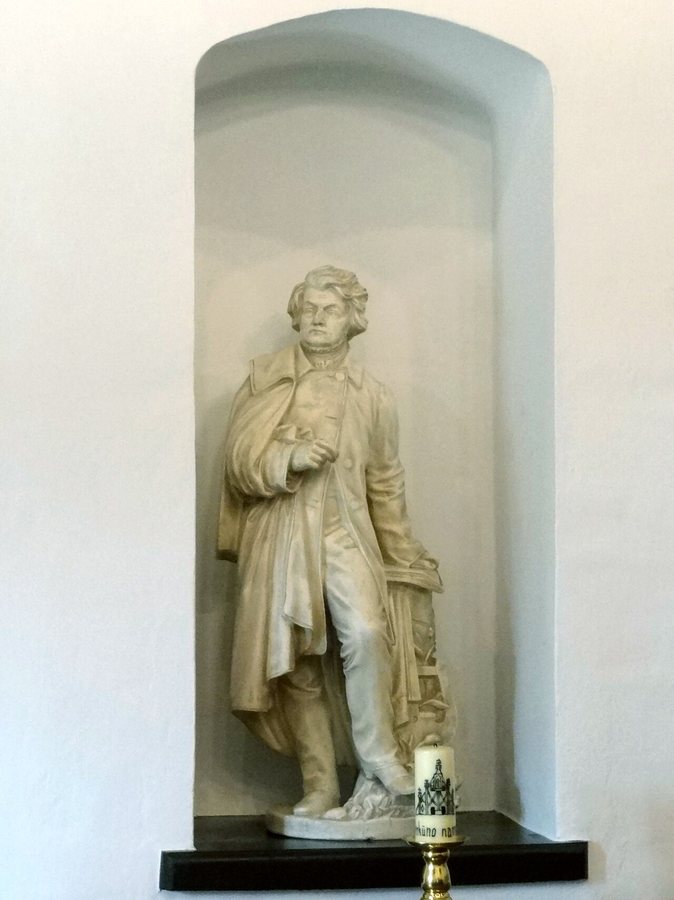
Adam Mickiewicz (1798–1855) was a Polish poet, dramatist, essayist, publicist, translator and political activist, widely regarded as Poland's greatest poet. Born in the Russian-ruled former Grand Duchy of Lithuania, he is considered a national poet in Poland, Lithuania and Belarus, and his work strongly shaped Ukrainian and Russian literature. A leading figure of Polish Romanticism, he spent most of his later life in exile, campaigning for a democratic and independent Poland until his death in Istanbul.
Early years and exile
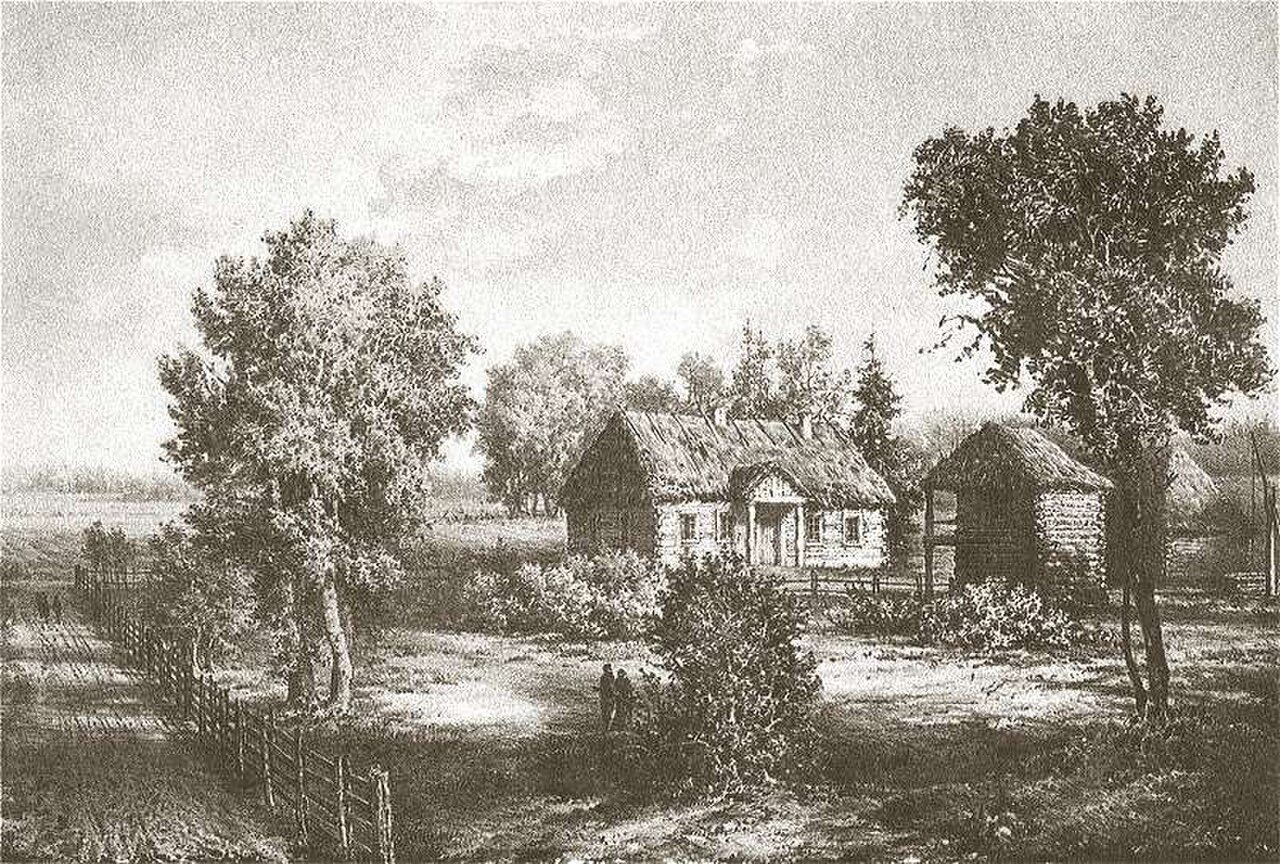

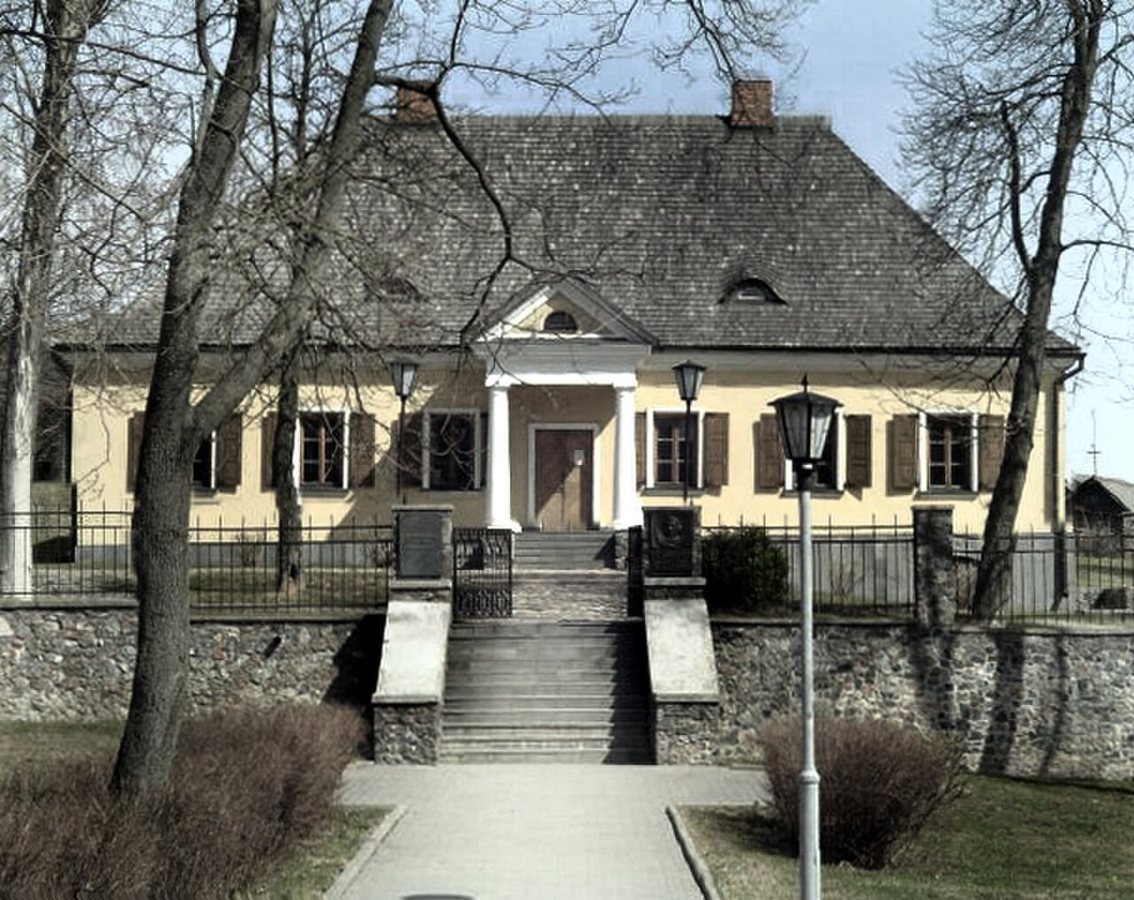
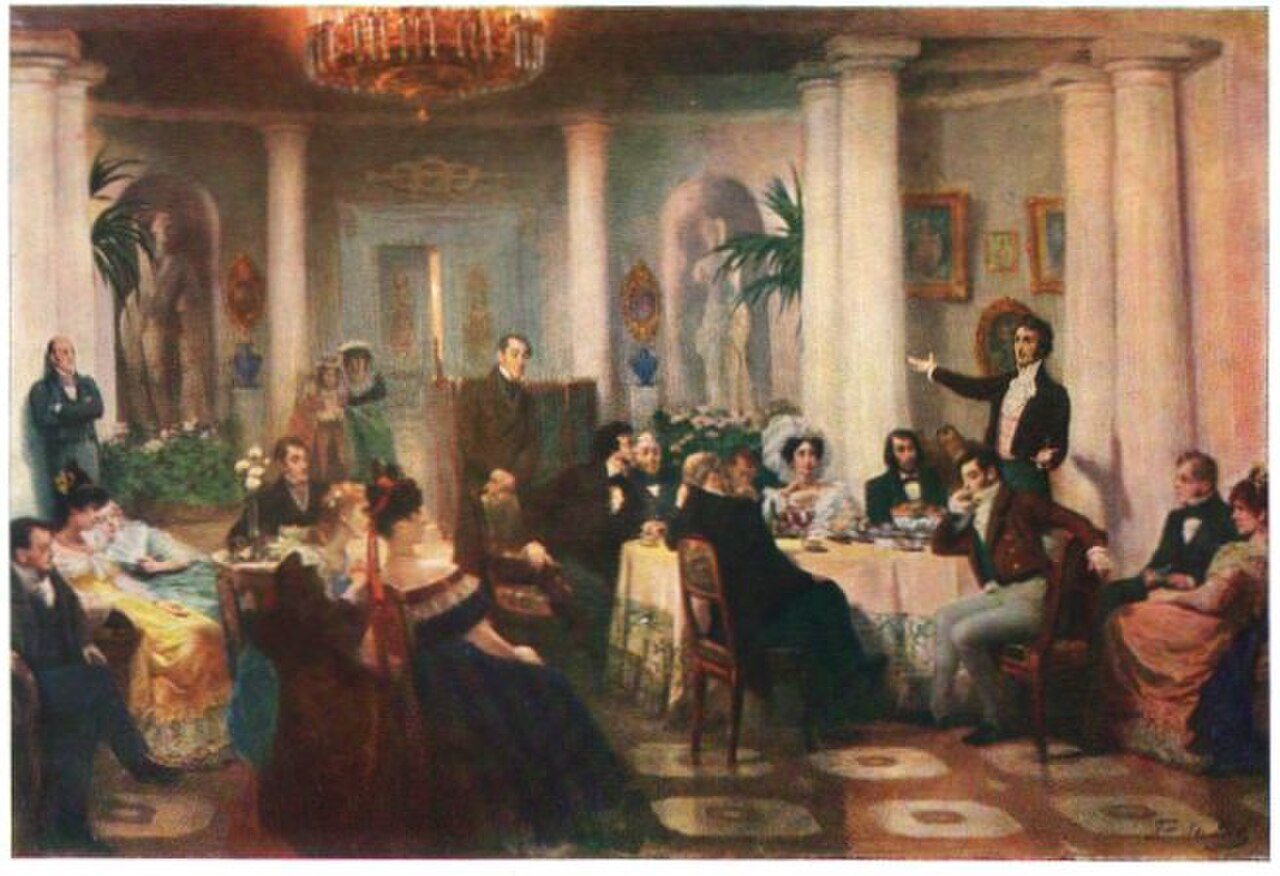
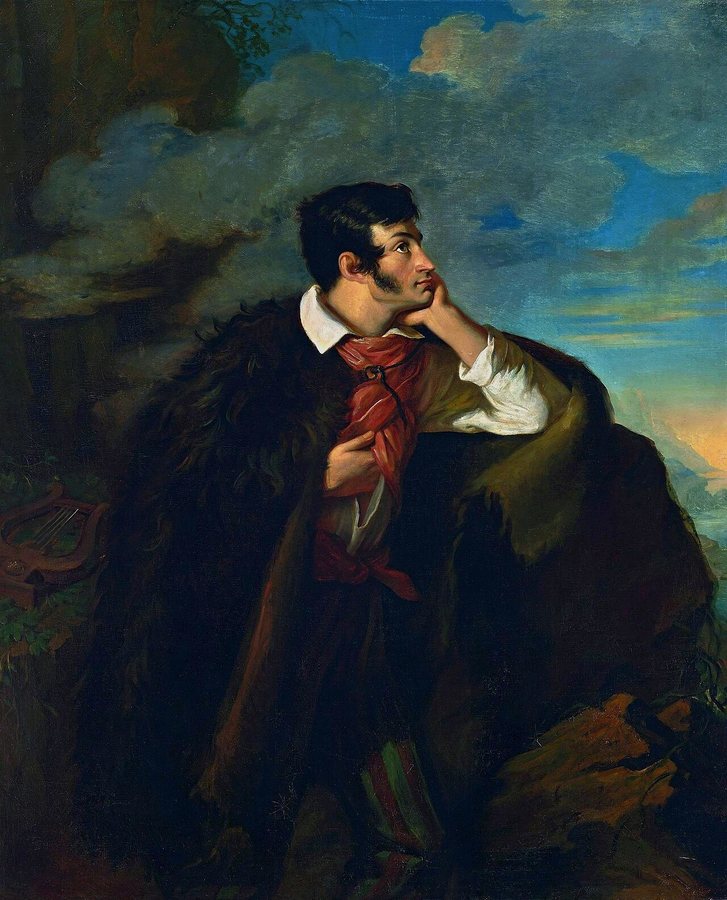
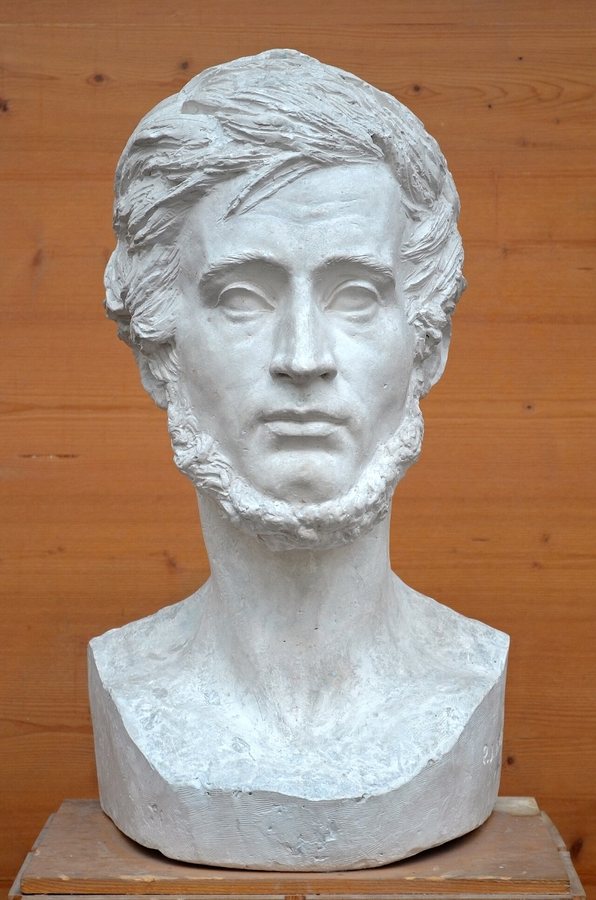
Mickiewicz grew up in Navahrudak and studied at the Imperial University of Vilnius, where he became involved in secret student groups focused on Polish independence. Arrested in 1823, he was banished to central Russia in 1824. There he moved in leading literary circles in Saint Petersburg and Moscow, befriending Alexander Pushkin, and in 1828 published the patriotic poem Konrad Wallenrod. In 1829 he left the Russian Empire and never returned to his homeland.
Literary legacy
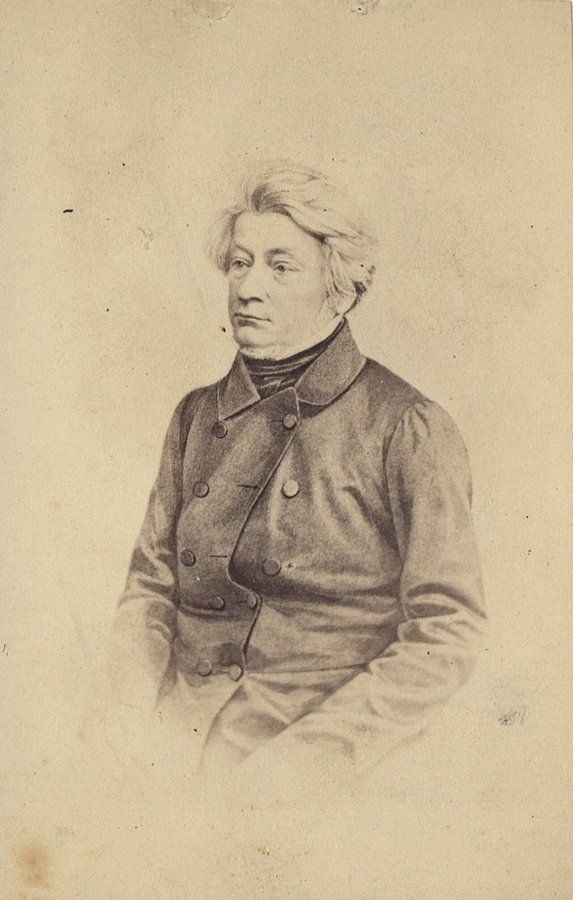

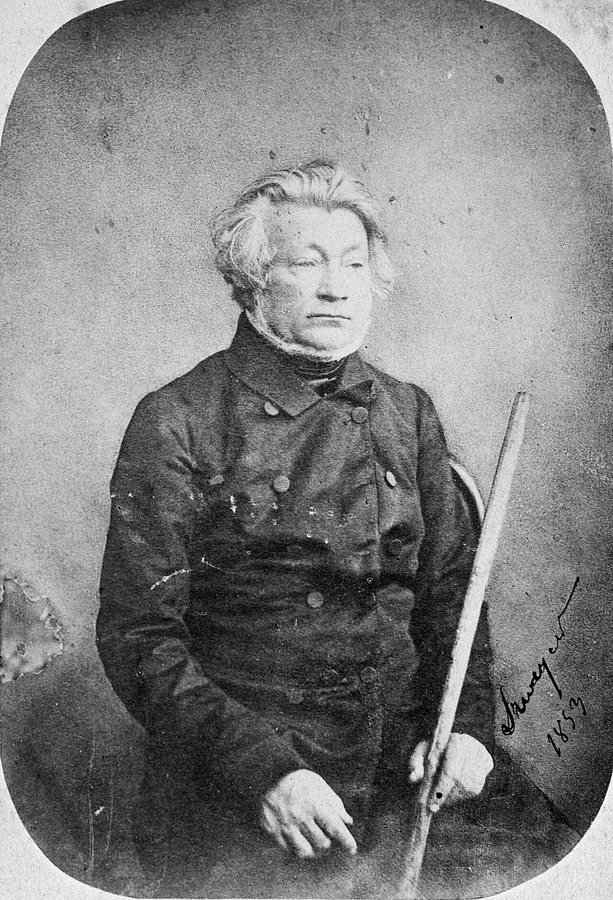
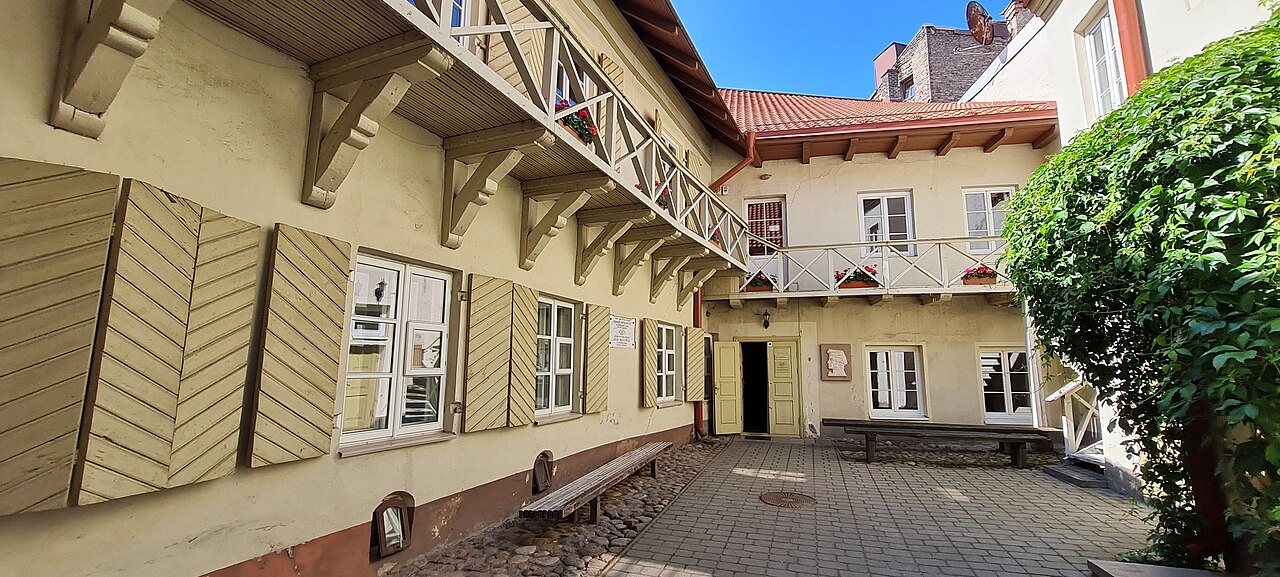

His best-known works include the poetic drama Dziady and the national epic Pan Tadeusz. Together with Konrad Wallenrod and Grażyna, these works inspired uprisings against the three powers that had partitioned the Polish–Lithuanian Commonwealth. They also helped advance the Lithuanian National Revival, and the opening of Lithuania's national anthem paraphrases the opening of Pan Tadeusz.
Later life and death
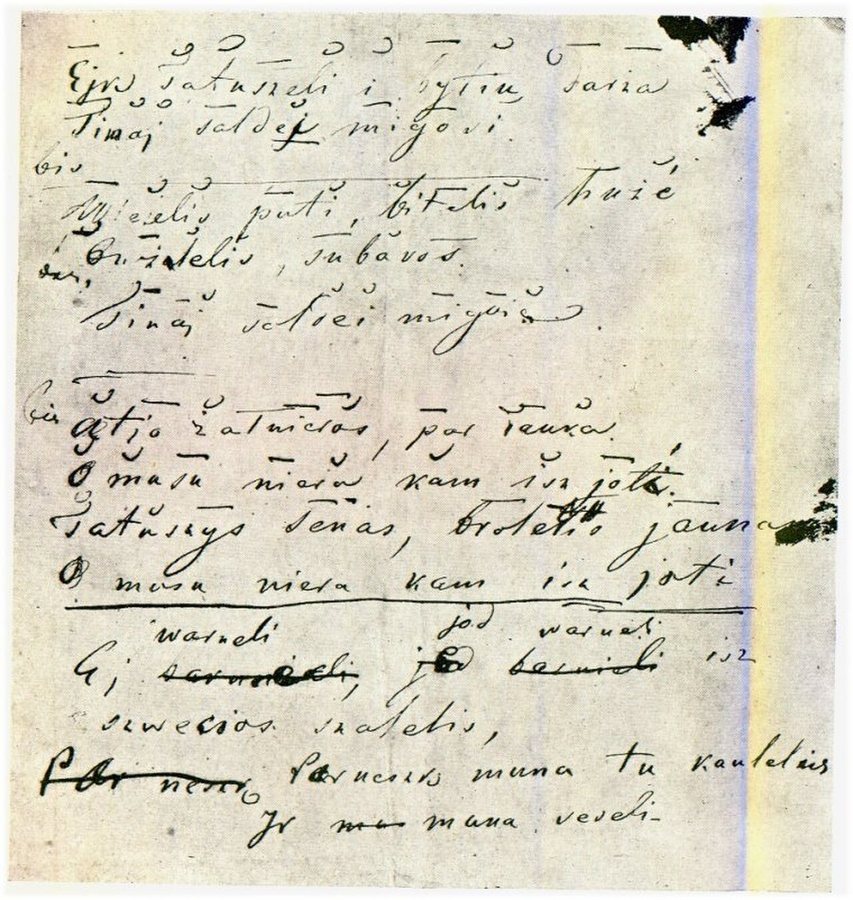
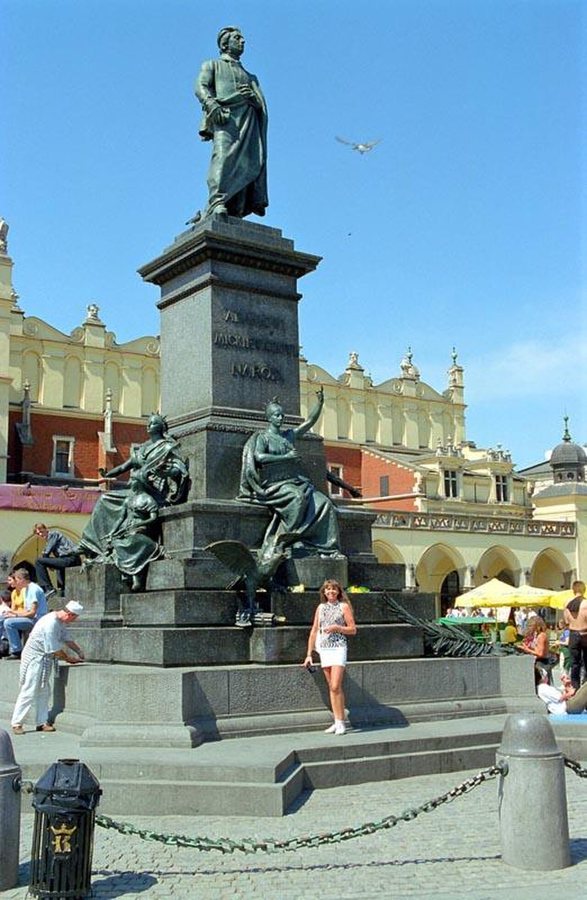
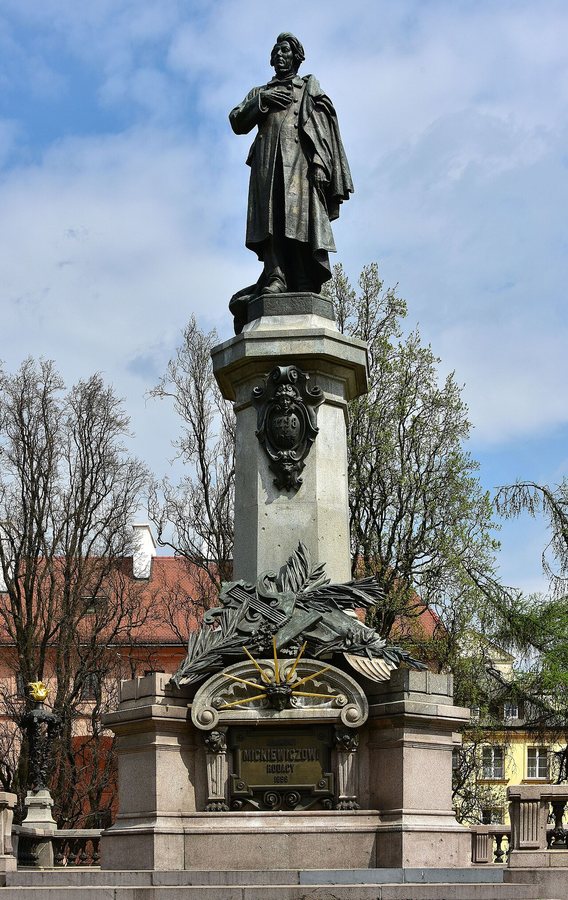

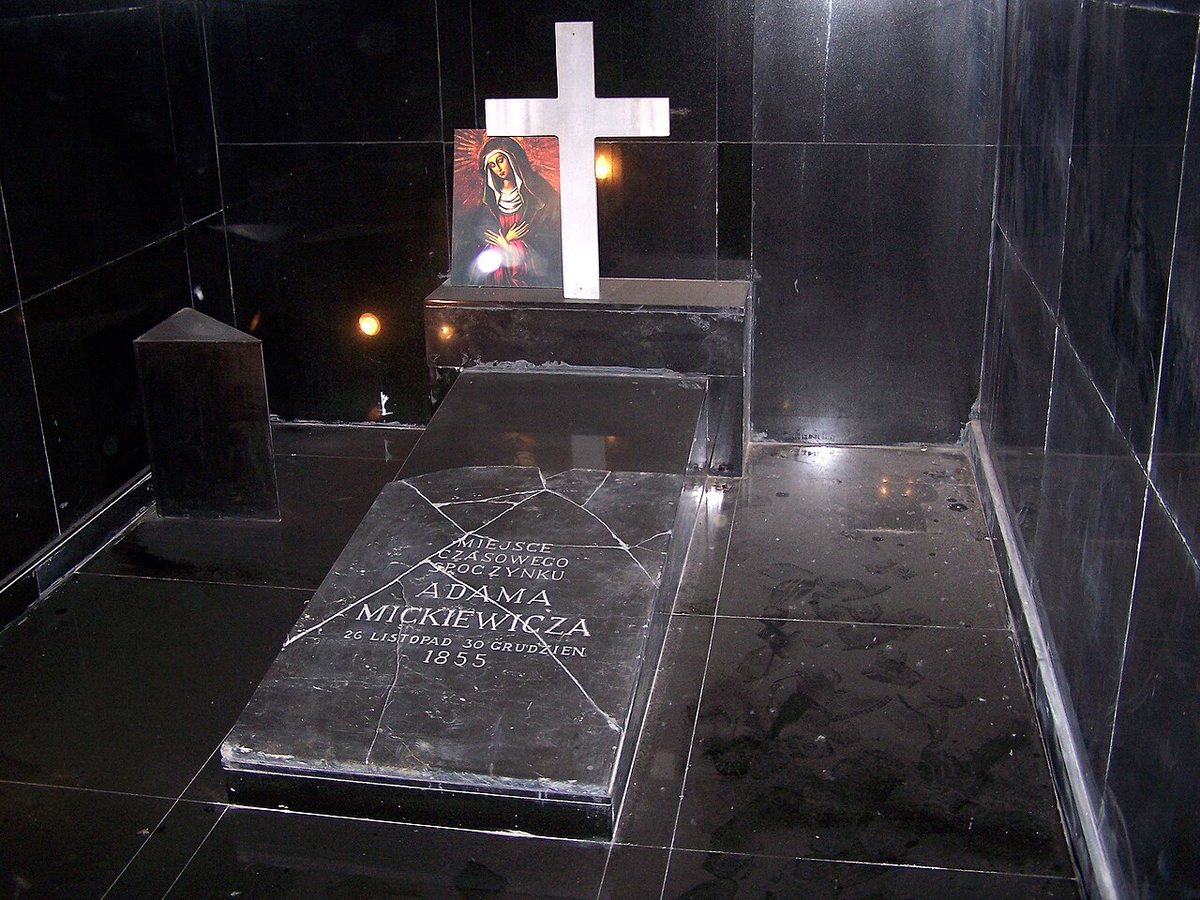
Abroad, Mickiewicz settled in Rome and then Paris, where he lectured on Slavic literature at the Collège de France until he lost the post over his involvement with religious mysticism. In 1849 he founded the French-language newspaper La Tribune des Peuples. He died, probably of cholera, in Istanbul while trying to organize Polish and Jewish forces against Russia in the Crimean War. In 1894 his remains were moved to Wawel Cathedral in Kraków.