
Adam Michnik is a Polish historian, essayist, former dissident and public intellectual, and co-founder and editor-in-chief of the newspaper Gazeta Wyborcza. Born in Warsaw in 1946 to a family of communist activists, he became an opponent of the communist regime during the anti-Jewish purges of 1968. He was imprisoned several times for his opposition work, and he played a key role in the Round Table Talks of 1989, which led to elections that Solidarity won. He has since remained influential through journalism.
Early opposition
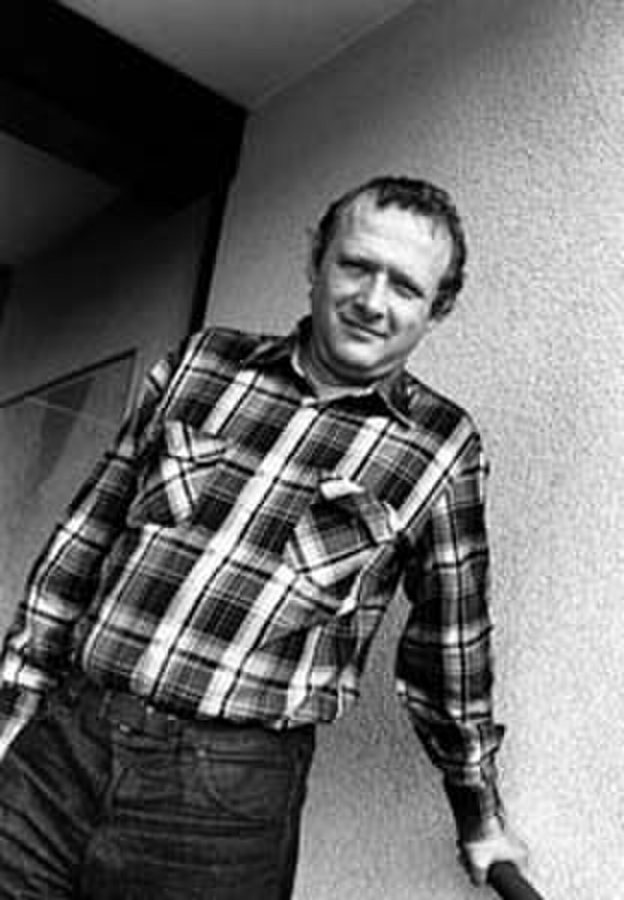

Michnik was active in student circles in the 1960s and was expelled from Warsaw University in 1968 after the crisis that followed the banning of a theatre production of Adam Mickiewicz's drama Dziady. He was sentenced to three years in prison for acts of hooliganism and was released under an amnesty in 1969. Later he was allowed to finish his history studies, completing them in 1975 in Poznań, and he became involved with the Workers' Defence Committee, one of the best known opposition groups of the 1970s.
Role in Solidarity

During the 1980s Michnik advised the Solidarity trade union and wrote for underground publications. After General Wojciech Jaruzelski declared martial law in 1981, he was interned and jailed, and he later served a second prison term after trying to organize a strike at the Gdańsk shipyard. In 1988 he joined Lech Wałęsa's advisory circle and took part in planning the Round Table Talks in 1989.