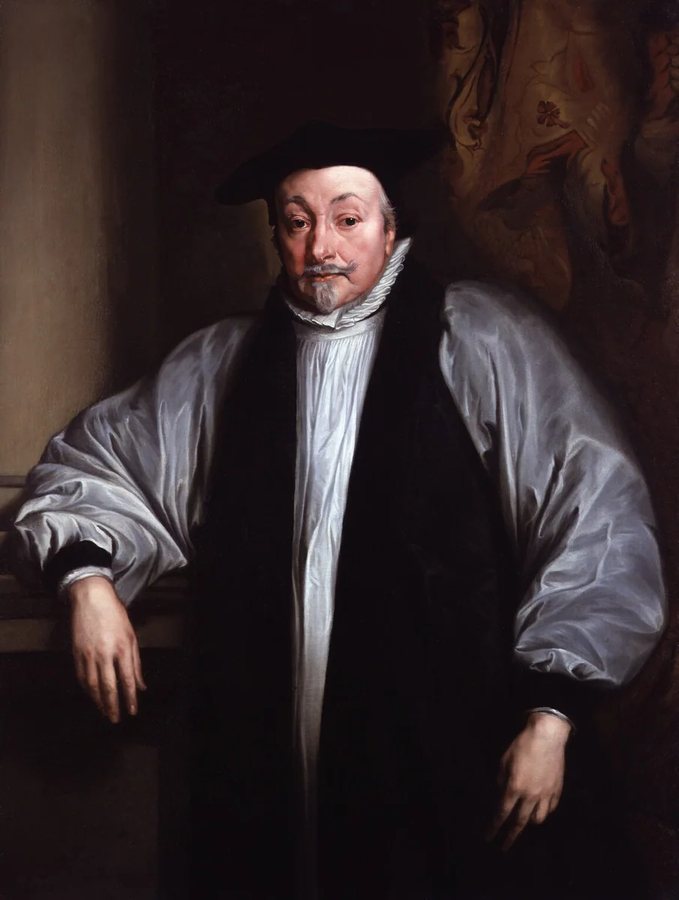
William Laud was a 17th-century Anglican prelate and theologian who served as the Archbishop of Canterbury. Born in Reading in 1573, he rose through the ecclesiastical hierarchy to become a primary religious advisor to King Charles I. He was a staunch defender of episcopal rule and promoted a reform movement known as Laudianism, which emphasized liturgical ceremony and clerical authority. Due to his controversial religious policies and political influence, he faced intense opposition from Puritans, leading to his arrest by Parliament and his eventual execution in 1645 during the First English Civil War.
Ecclesiastical career


After studying at Oxford, Laud held several significant positions, including Dean of Gloucester and Bishop of St Davids. He later served as the Bishop of Bath and Wells and the Bishop of London before being appointed Archbishop of Canterbury in 1633. His theological views, which leaned toward Arminianism and emphasized ritual, often placed him in direct conflict with Calvinist clergy.
Political influence
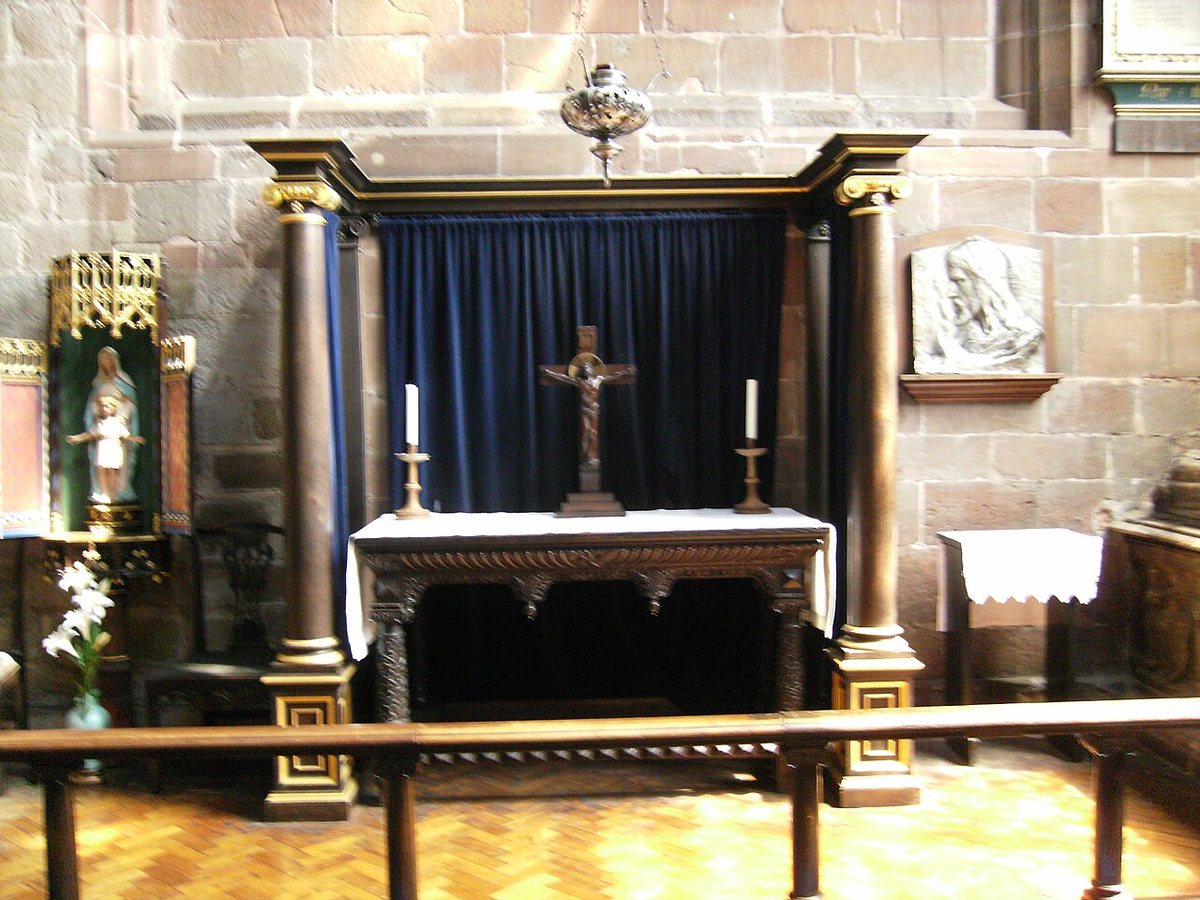
As a close ally of Charles I, Laud played a major role in the king's personal rule. He advocated for a policy of "Thorough," which sought to implement ambitious royal objectives by bypassing special interests. His use of the Star Chamber to discipline his religious and political opponents made him a deeply unpopular figure among many in the English Parliament.
Death and veneration
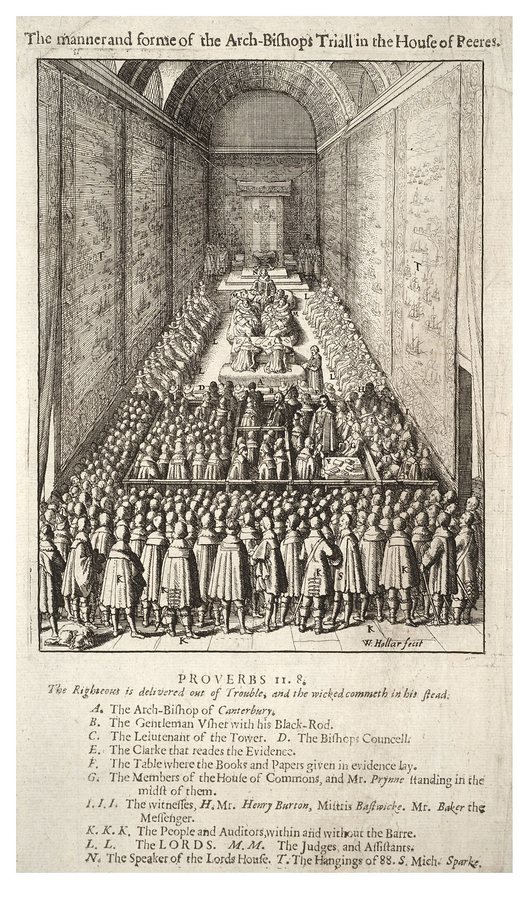
Laud was executed at Tower Hill in 1645 following a trial for treason. He is remembered as a saint in the Anglican tradition, with his feast day observed on 10 January. His legacy remains tied to the liturgical shifts he introduced and the intense religious tensions of the era.