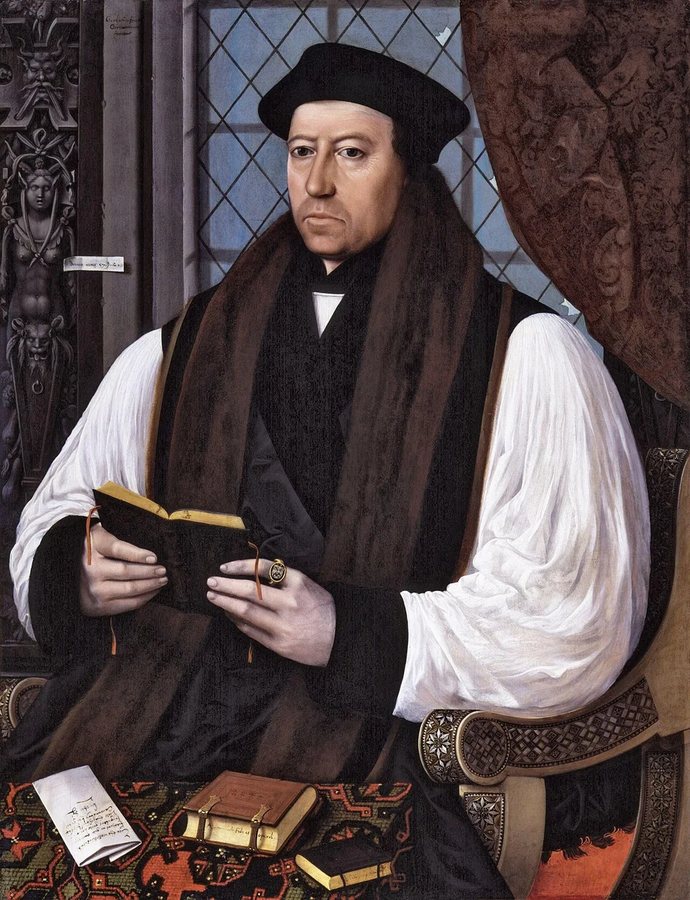
Thomas Cranmer (1489–1556) was an influential English theologian and a central figure in the English Reformation. Serving as the Archbishop of Canterbury from 1533 to 1555, he played a vital role in the separation of the English Church from the Roman Catholic Church. He provided theological support for King Henry VIII's annulment from Catherine of Aragon and later established the liturgical foundations of the reformed Church of England. Recognized as a saint and martyr, his liturgical contributions shaped the religious identity of the Anglican tradition.
Life and career
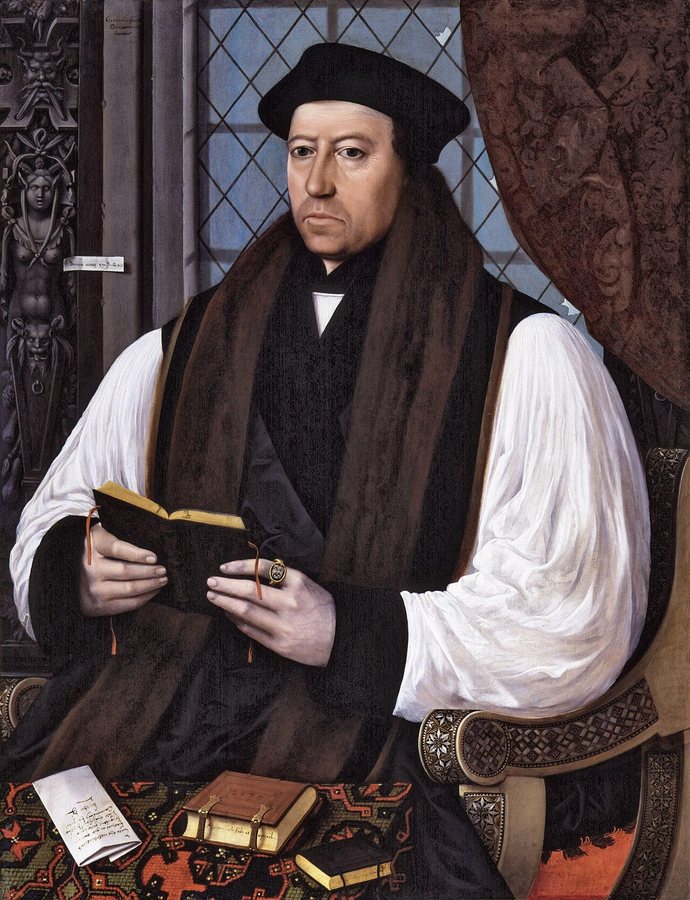

After studying at the University of Cambridge, Cranmer served as a diplomat for Henry VIII. He later became Archbishop of Canterbury, where he helped implement royal supremacy over the church. During the reign of Edward VI, he significantly advanced reformist doctrines, including changes to the Eucharist and clerical celibacy. He authored the first editions of the Book of Common Prayer, which introduced English-language services to the people.
Martyrdom
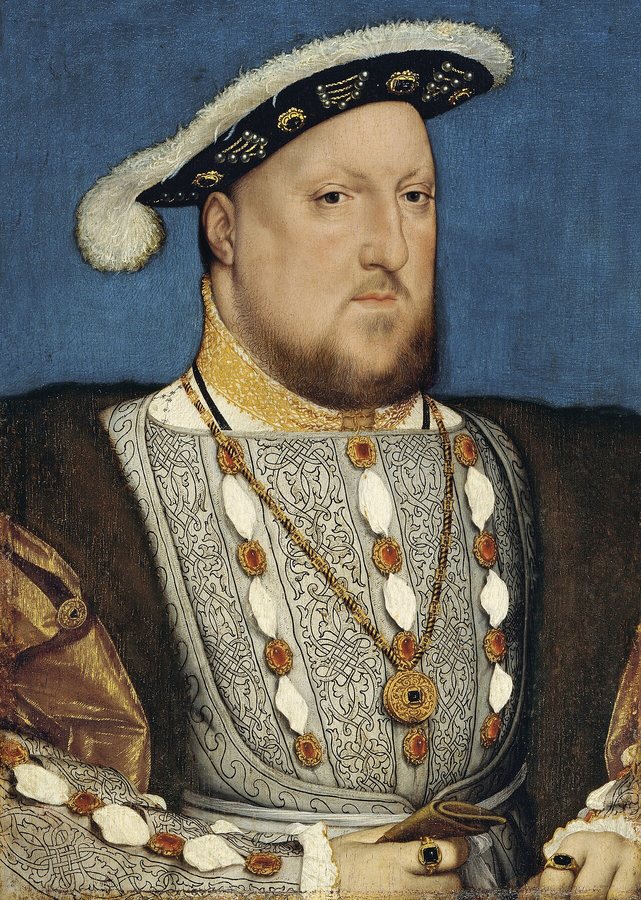
Following the accession of the Catholic Queen Mary I, Cranmer faced trials for treason and heresy. Although he initially recanted his Protestant beliefs under pressure, he publicly withdrew these recantations during his execution. He was burned at the stake in Oxford in 1556, dying as a martyr for the principles of the Reformation.
Legacy
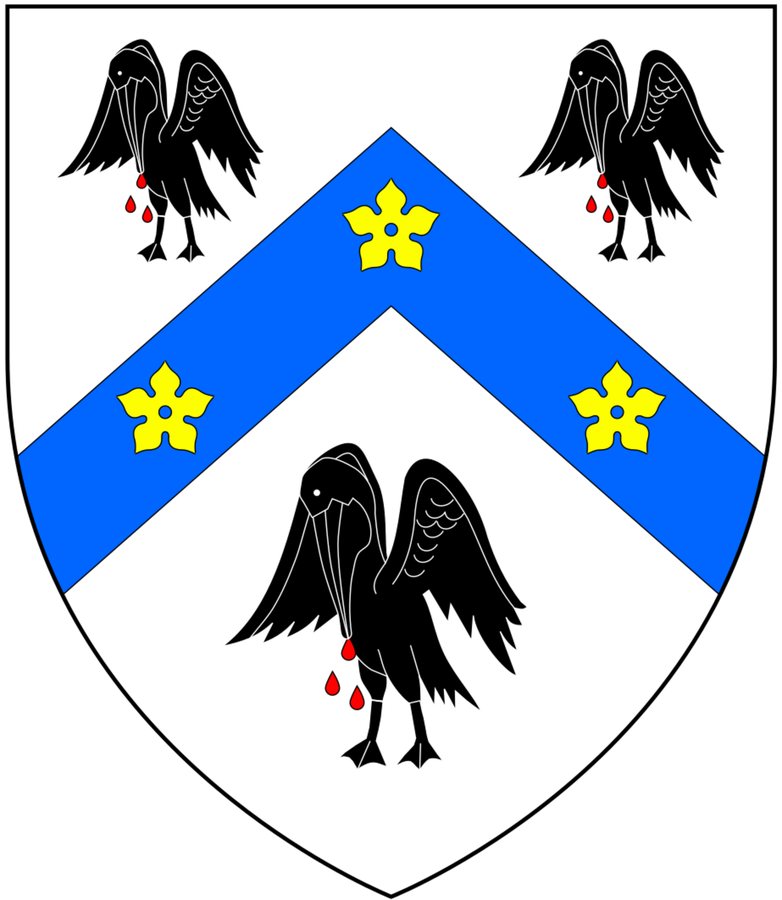
Cranmer's theological work remains foundational to Anglicanism, particularly through the Thirty-nine Articles and the Book of Common Prayer. His influence persists in the liturgical structures he developed for the English Church. He is commemorated in the Anglican, Catholic, and Lutheran traditions.