factograf
EN
Sign in

one of the main islands of the Canary archipelago

Tenerife

Tenerife

Tenerife is the largest and most populous island of the Canary Islands, an autonomous community of Spain located in the Atlantic Ocean off the northwestern coast of Africa. Its landscape is dominated by Teide, the highest mountain in Spain and the highest point in the Atlantic islands. Tenerife is the political, economic, and demographic centre of the archipelago and is known for its varied environments, its large number of endemic species, and its carnival, one of the largest in the world.

Early history

Panoramic view of Teide, black and white
Territorial divisions of Tenerife before the Castilian conquest
Altitude map of Tenerife, with the highest point, Mount Teide, in blue and sea level in black
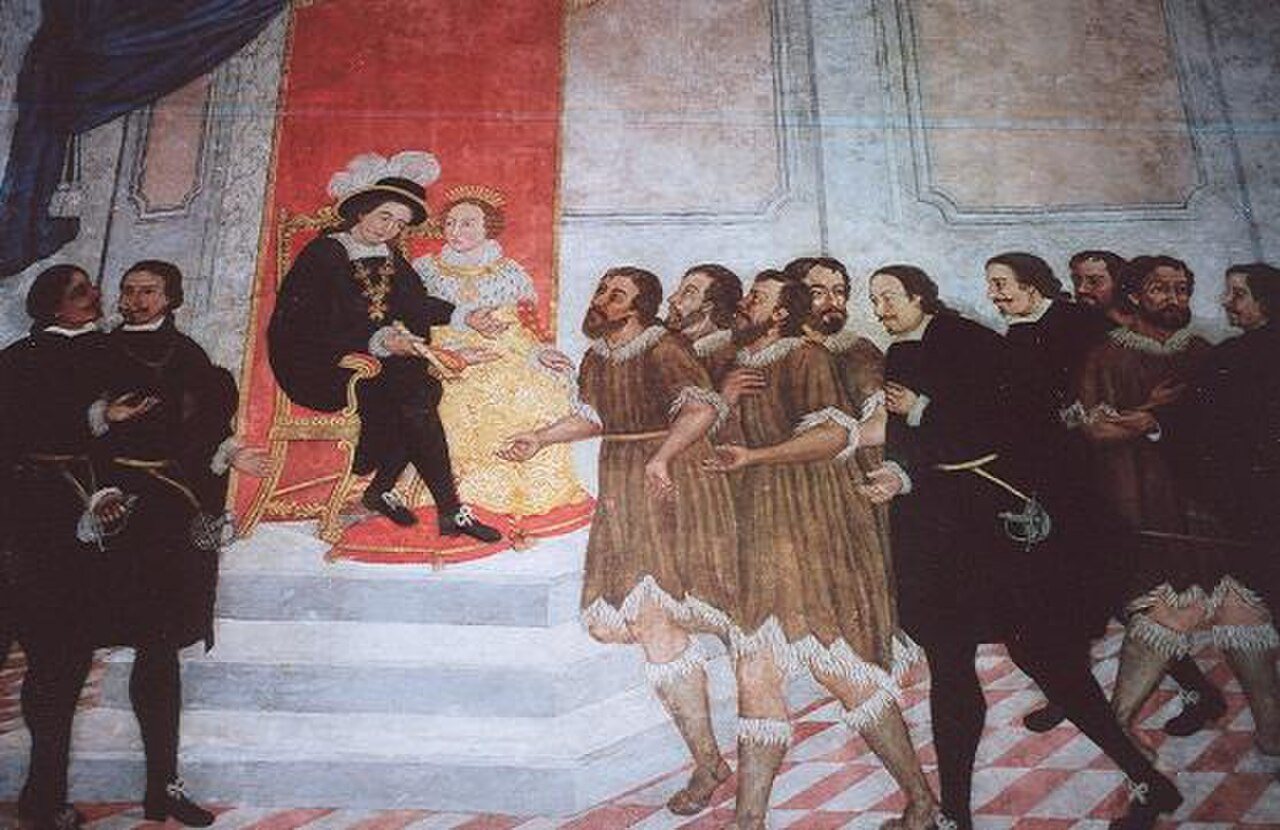
Alonso Fernández de Lugo presenting the native rulers of Tenerife to Isabella I of Castile and Ferdinand II of Aragon
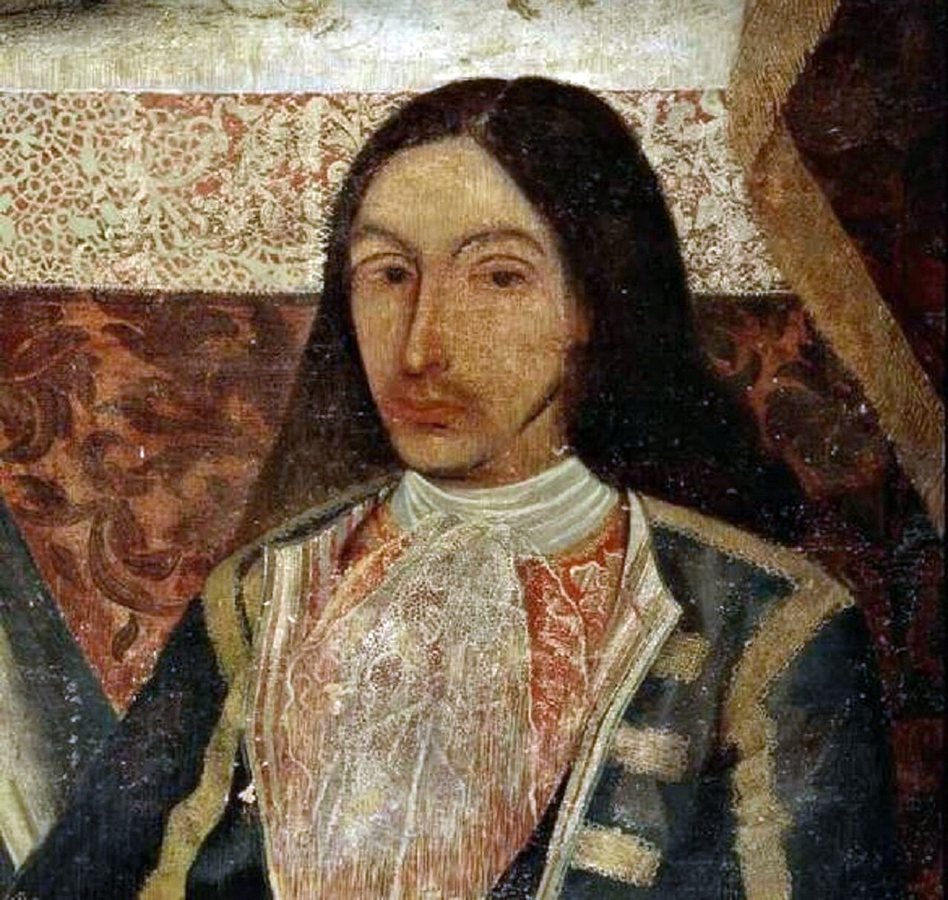
Amaro Pargo (1678–1741), corsair and merchant from Tenerife who took part in the Spanish treasure fleet trade route
Woman of La Victoria, Tenerife, painting by Alfred Diston, 1828
Palm tree canyon in the interior of Tenerife
Panorama of the La Orotava Valley with Teide in the background
Teide and Roque Cinchado
Tenerife rock formation
The uneven contours of the Anaga massif
Teno massif, the Cliffs of the Giants area
12 images

The island was inhabited by the Indigenous Guanche people, who lived in caves and rock shelters and practised herding, agriculture, and fishing. Archaeological evidence points to human settlement by at least the sixth century BCE. By the time of European contact, the island was divided into several territories known as menceyatos, each ruled by a leader called a mencey. Tenerife was the last of the Canary Islands to be incorporated into the Crown of Castile in 1496, after a long conquest.

Landscape and economy

Harbour
Harbour
Puerto de la Cruz in the north during winter, with snowy mountains in the background
University of La Laguna, the oldest and largest university in the Canary Islands
Teide Observatory, part of the Instituto de Astrofísica de Canarias
Hospital Universitario de Canarias
Guanche mummy in the Museo de la Naturaleza y el Hombre
Tomás de Iriarte y Oropesa
Canarian timple, a small traditional stringed instrument
Architecture in Santa Cruz de Tenerife at Plaza de España
Traditional costume
Traditional costume
Auditorio de Tenerife, a landmark of contemporary architecture in the Canary Islands
Castle of San Andrés
12 images

The island ranges from volcanic peaks and pine forests to coastal cliffs and subtropical valleys. Teide National Park and the Macizo de Anaga are both protected, the first as a UNESCO World Heritage Site. Tourism is a major part of the economy, and Tenerife is one of the most visited destinations in Spain. Santa Cruz de Tenerife and Las Palmas de Gran Canaria share the status of capital of the autonomous community.

In 111 languages

Редакція Factograf · Published October 14, 2026 · Partly based on Wikipedia, CC BY-SA 4.0 · Source article