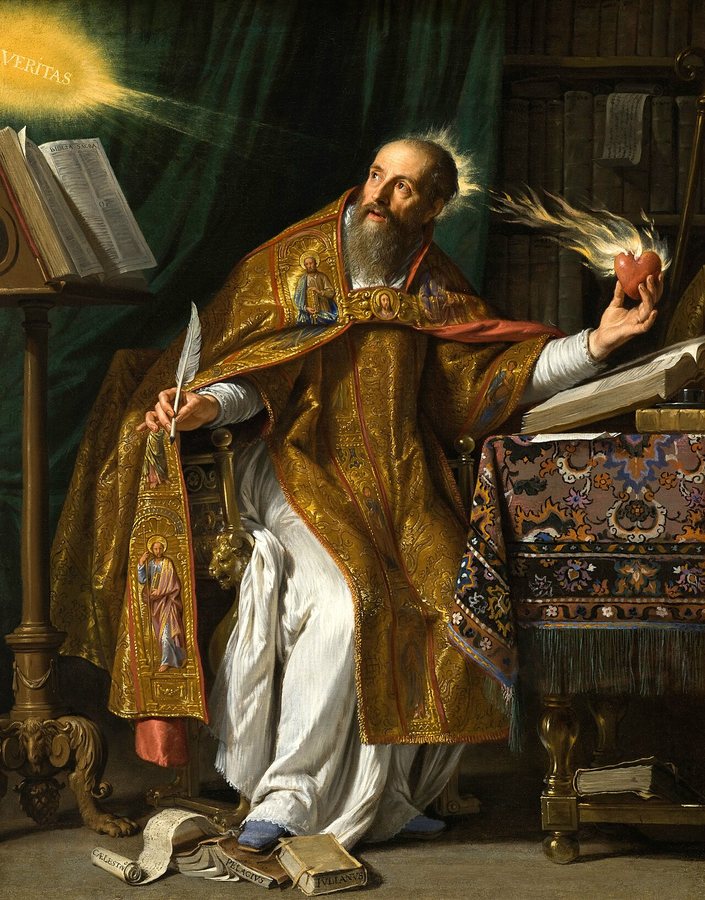
Augustine of Hippo, also known as Saint Augustine, was a Christian theologian and philosopher who served as Bishop of Hippo Regius. Born in 354 in Thagaste in the Roman province of Numidia, he is generally regarded as one of the most influential philosophers in Western history and one of the most important Church Fathers of the Latin Church. His writings shaped Christian doctrine on grace, original sin, and the Church, and his autobiography, Confessions, is considered the first Western autobiography.
Early life and conversion
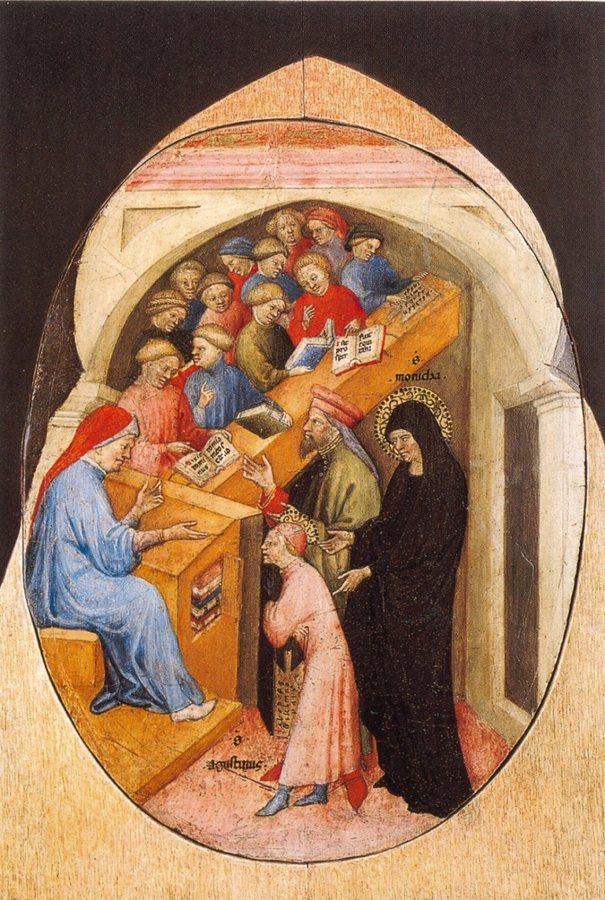
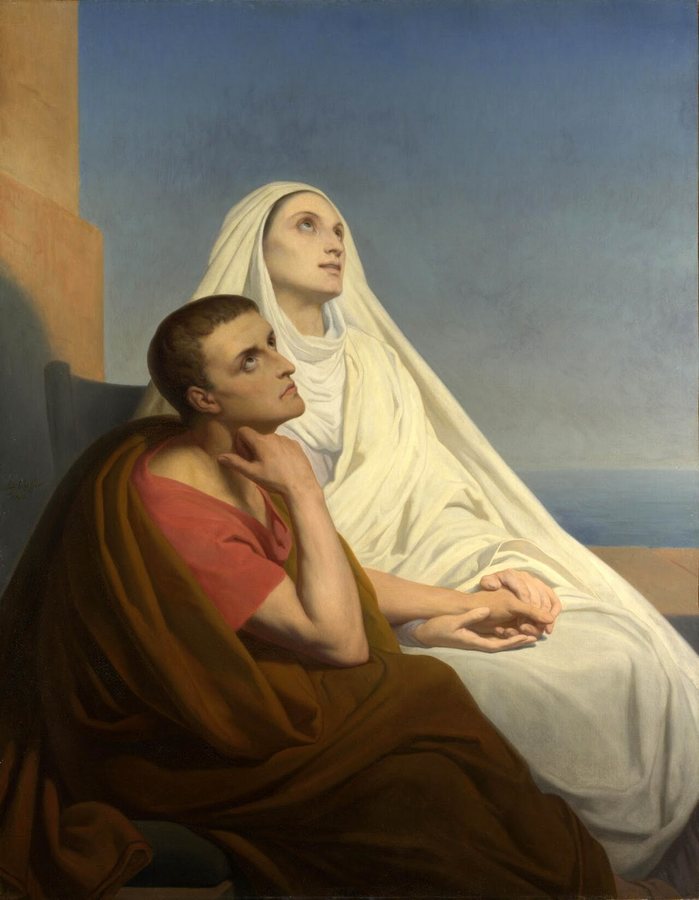
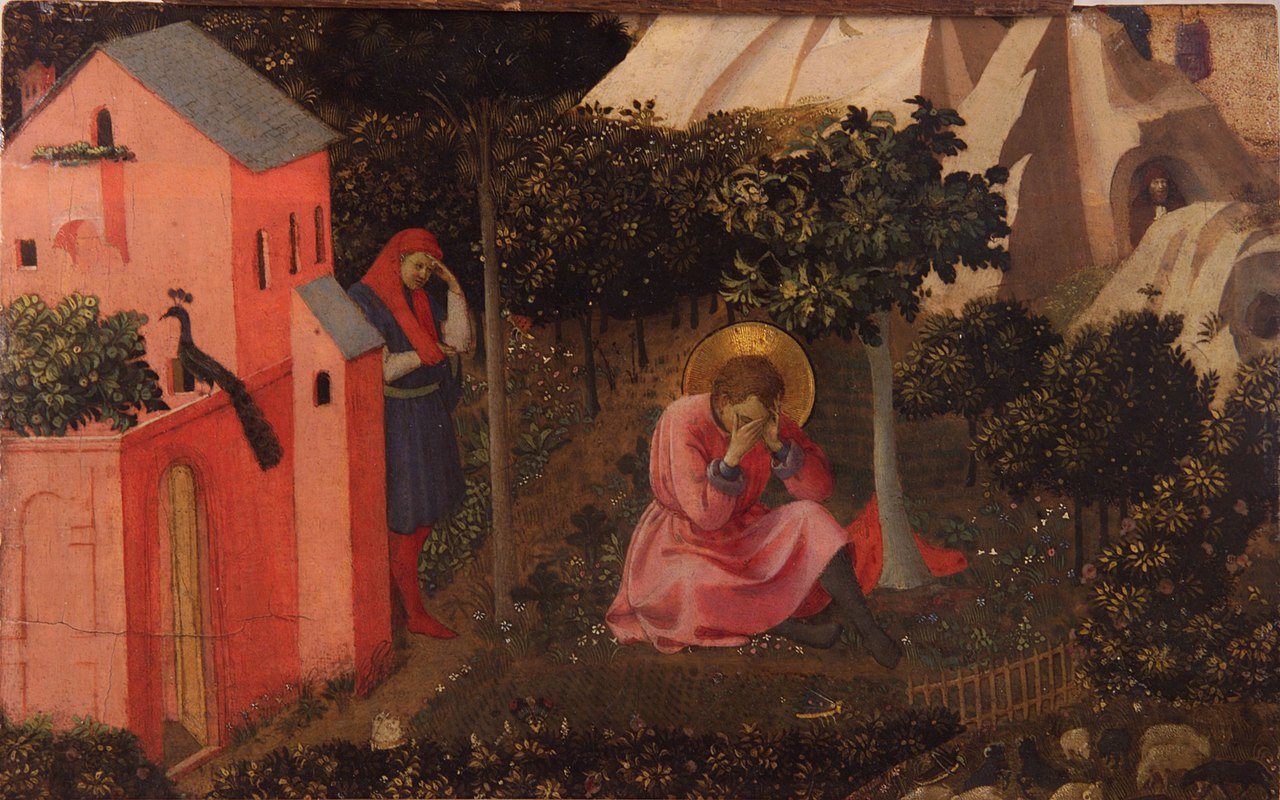
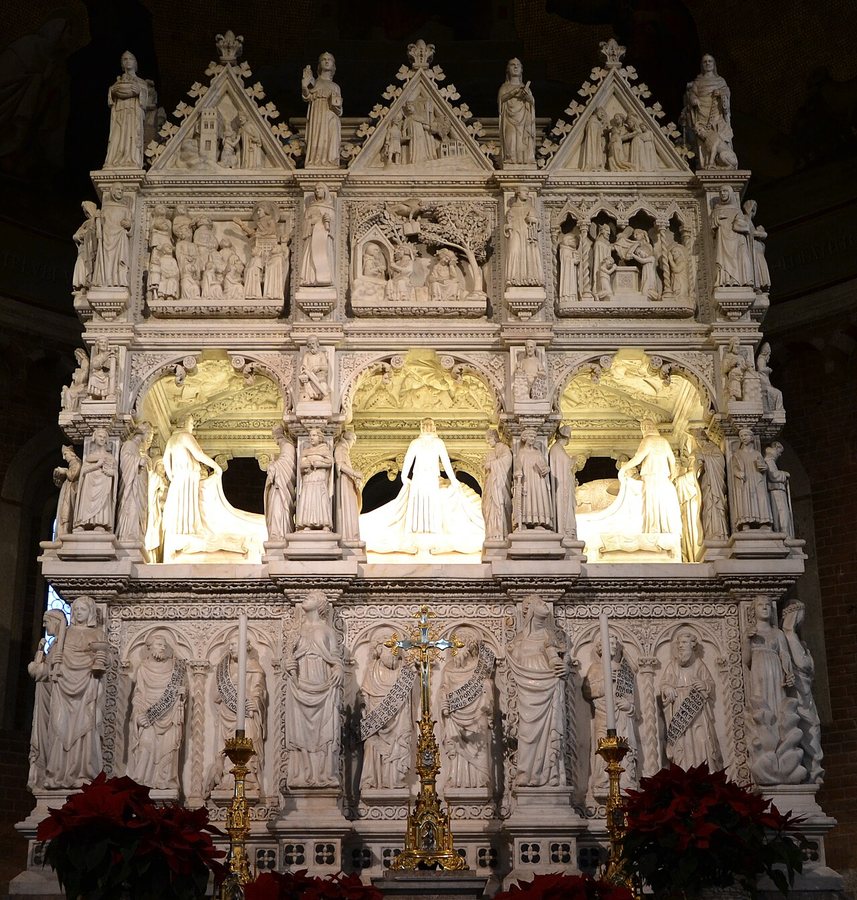
Augustine was raised by a devout Christian mother, Monica, and a father who converted to Christianity only on his deathbed. As a student in Carthage he read Cicero's lost dialogue Hortensius, which awakened his love of wisdom, and he briefly embraced Manichaeism. After moving through Neoplatonism, he was baptized in 386 by Saint Ambrose of Milan and afterwards developed his own approach to philosophy and theology.
Major works and ideas
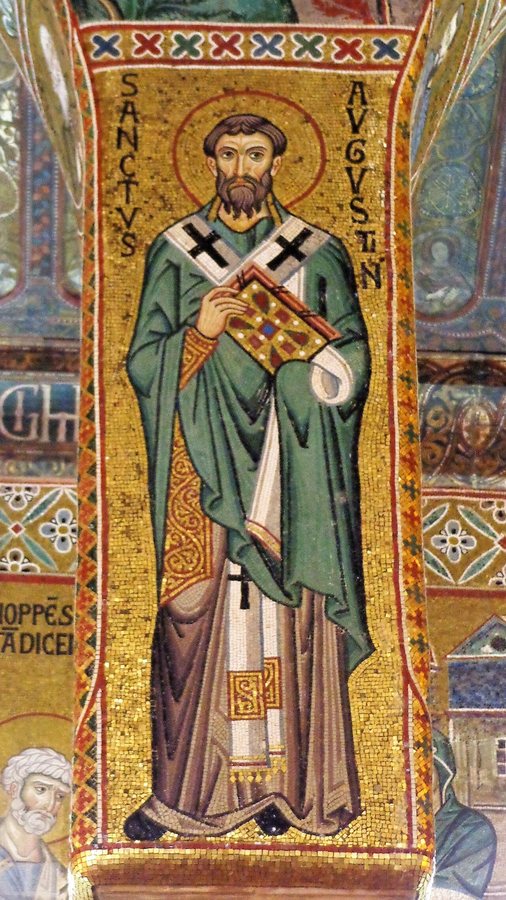
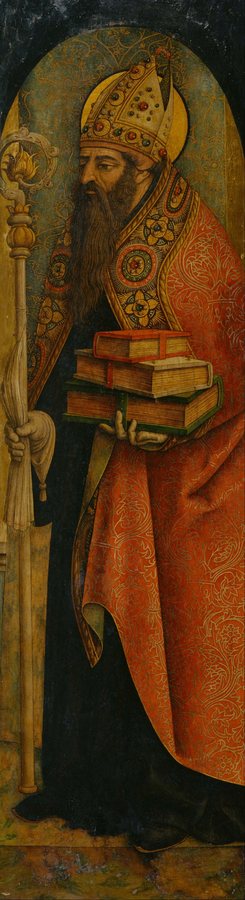
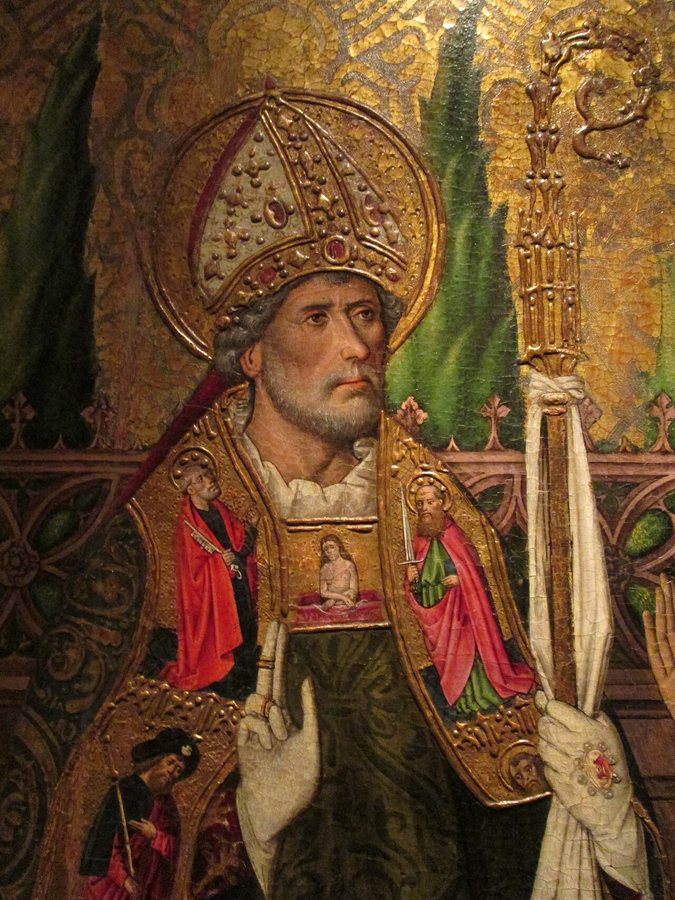
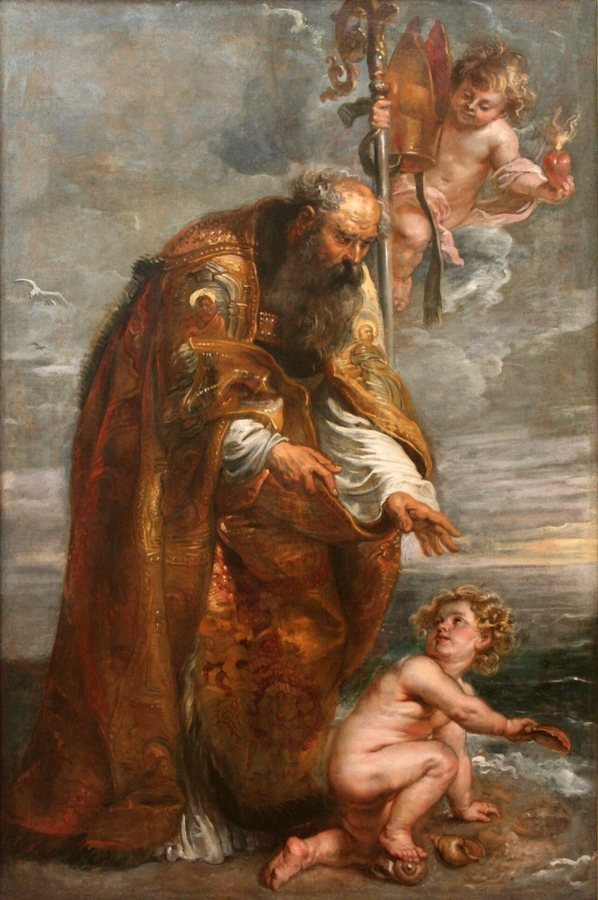
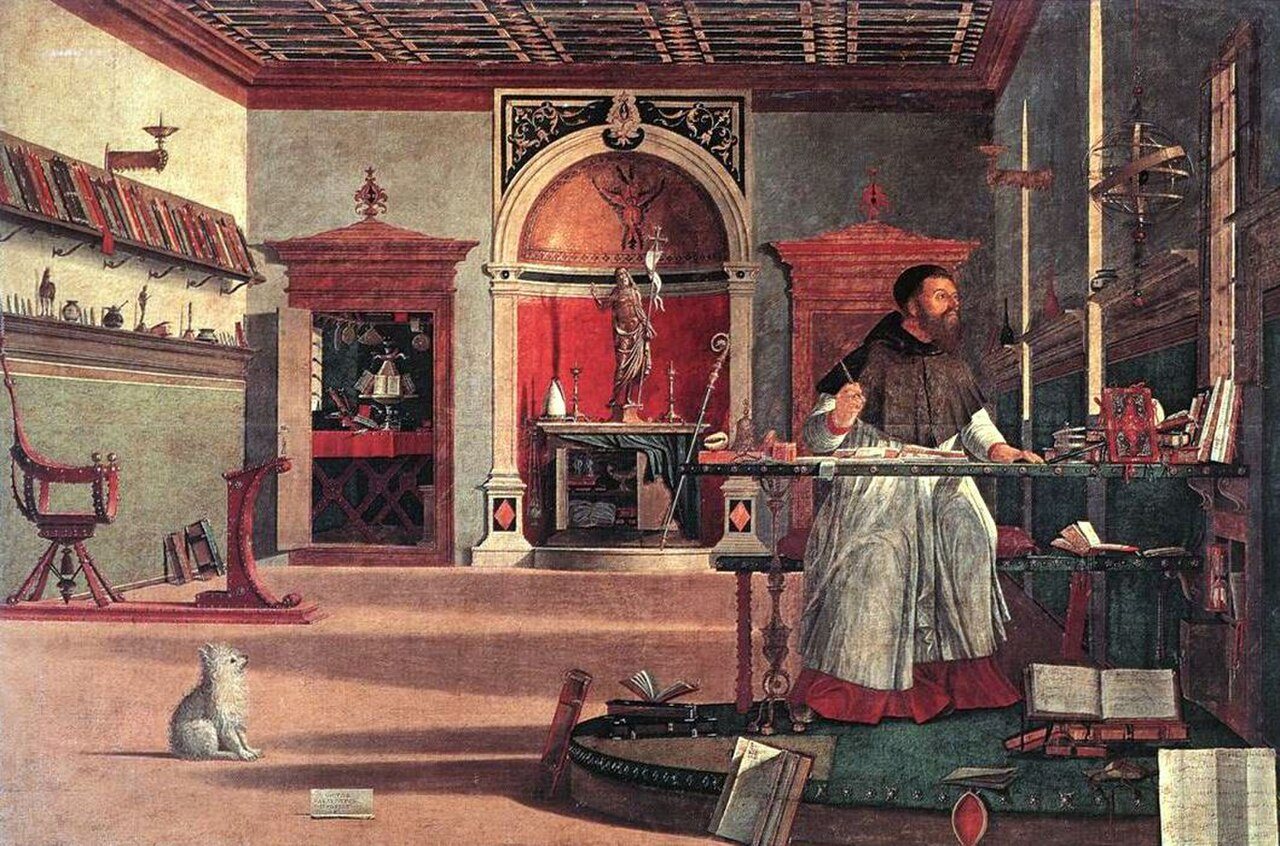
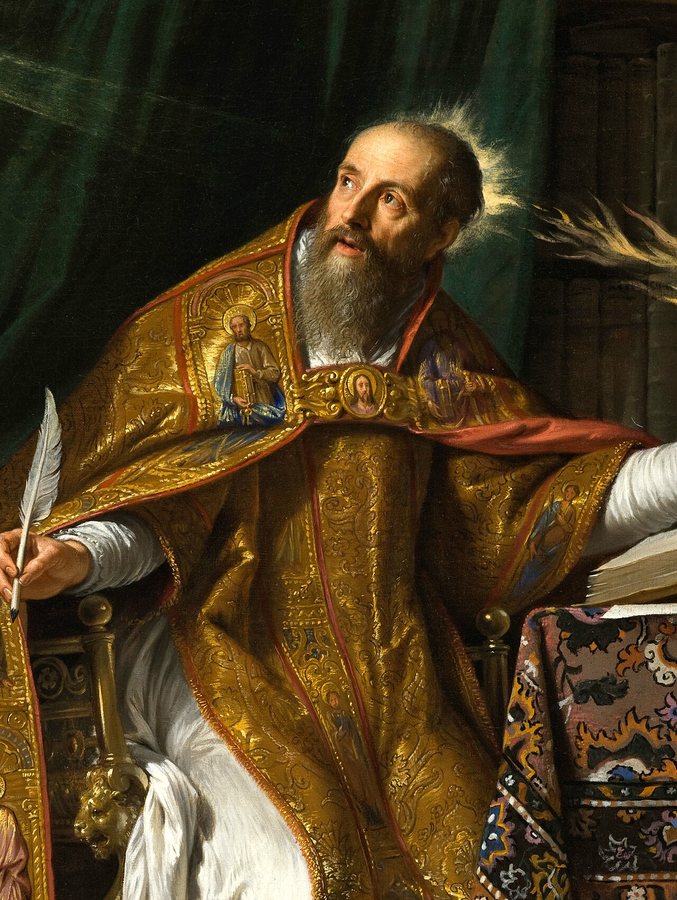
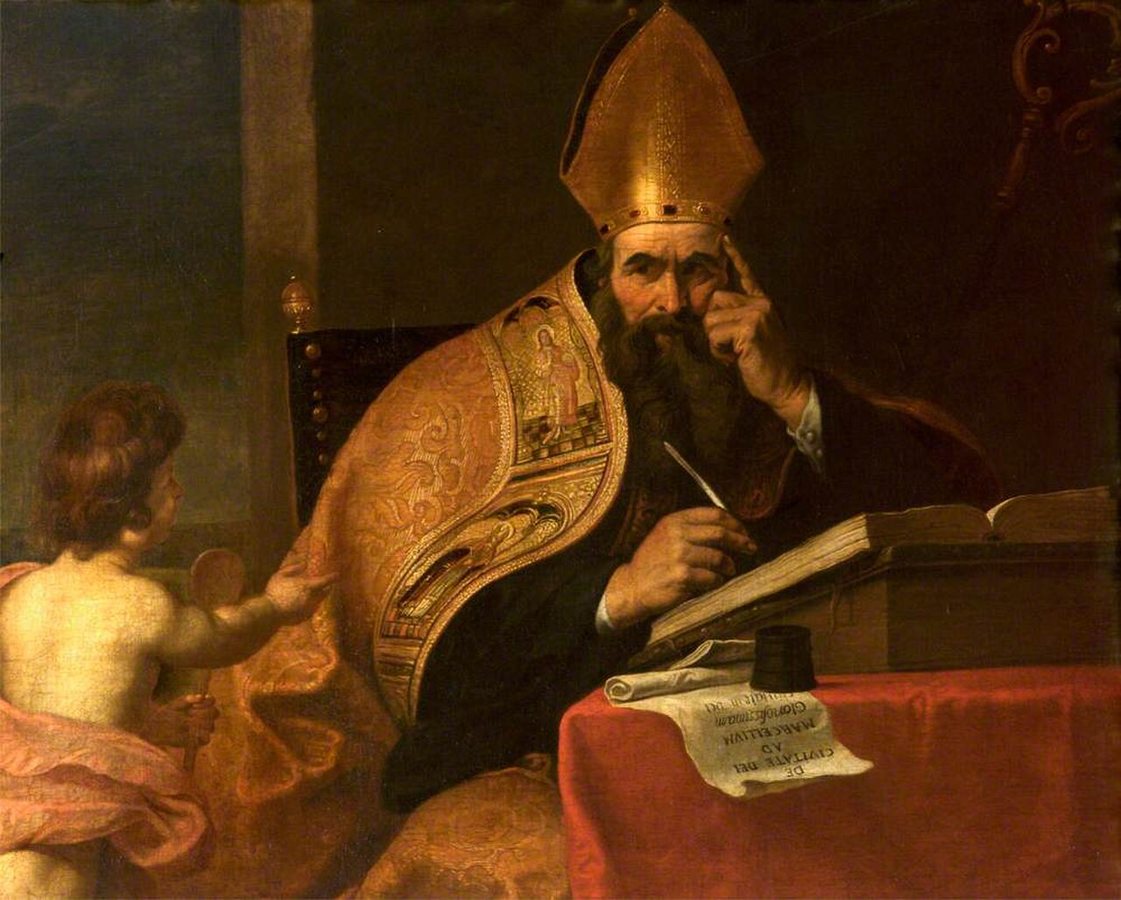
Augustine is known as the Doctor of Grace for his teaching on the necessity of unmerited grace for salvation and on the nature of original sin. In The City of God he described the Church as a spiritual city set apart from the earthly city, written against the backdrop of the fall of the Western Roman Empire. His other notable works include On the Trinity and On Christian Doctrine, and he is also widely recognized for his contributions to just war theory.
Legacy

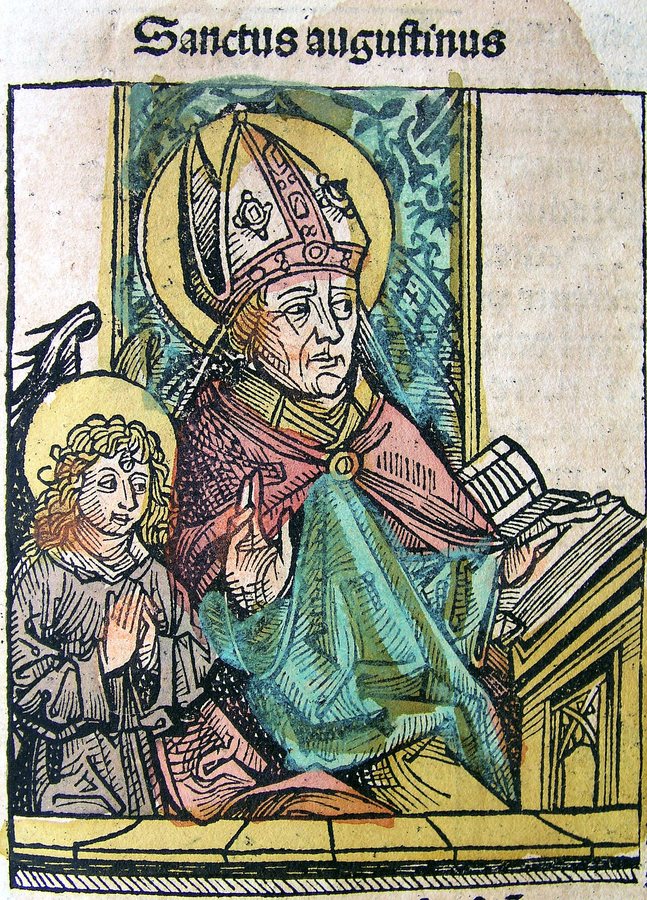


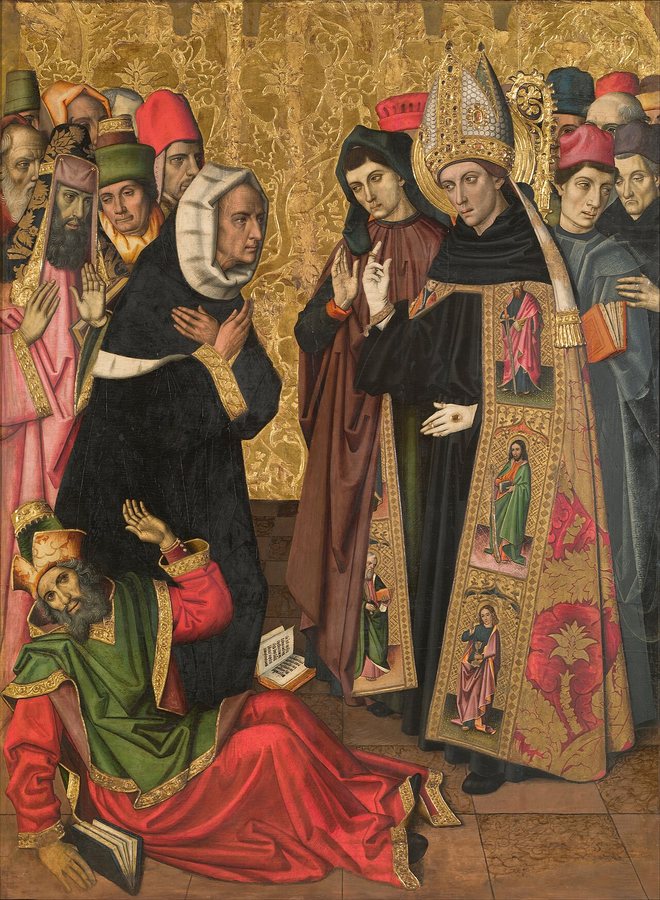
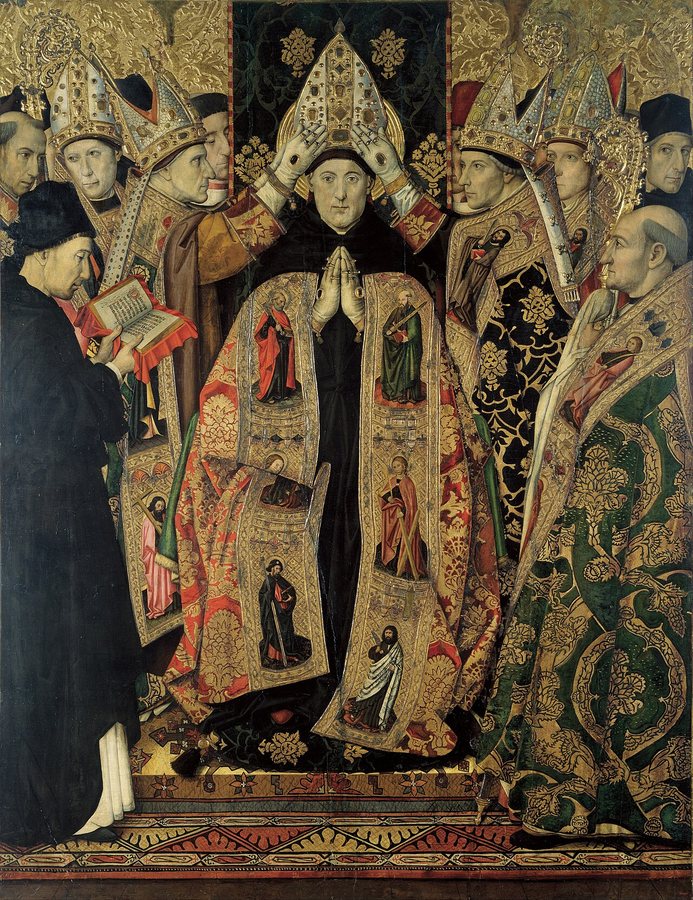
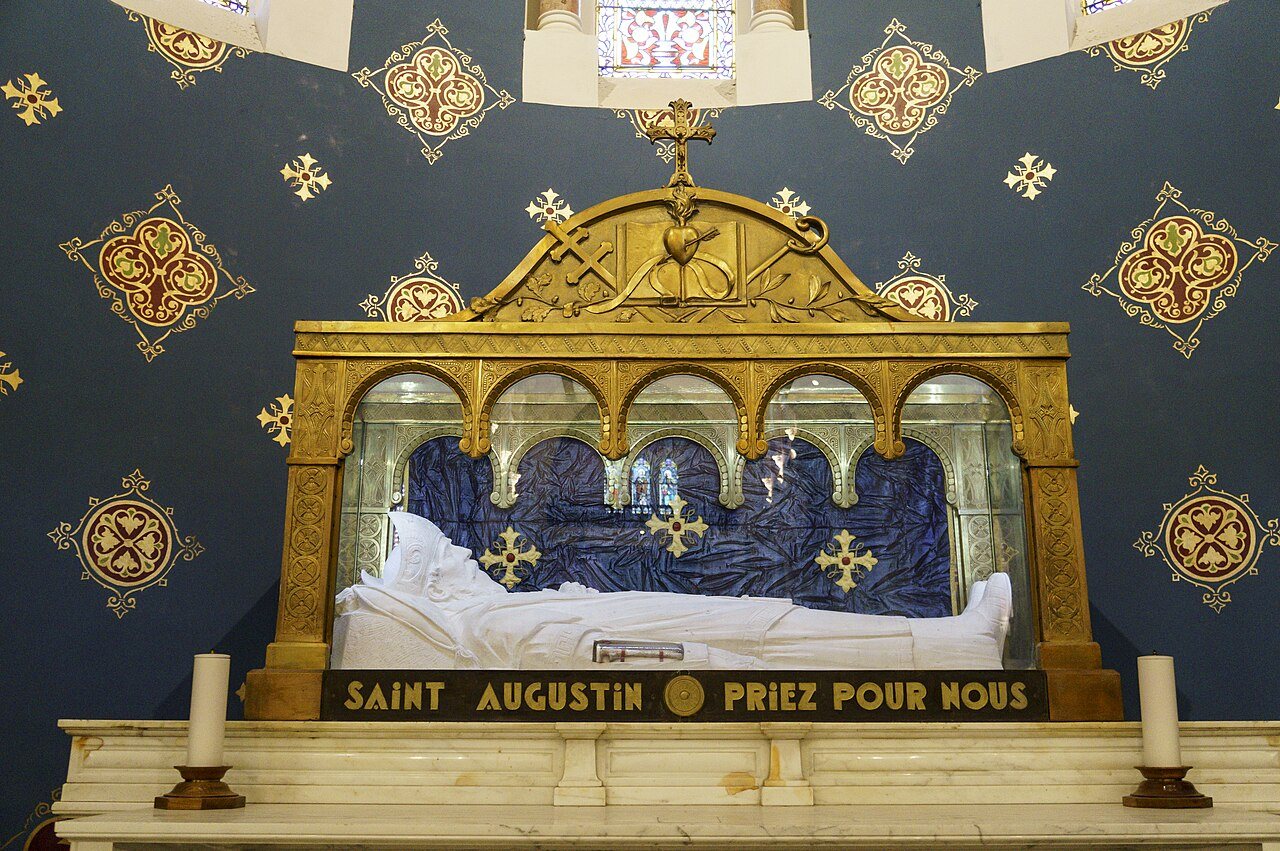
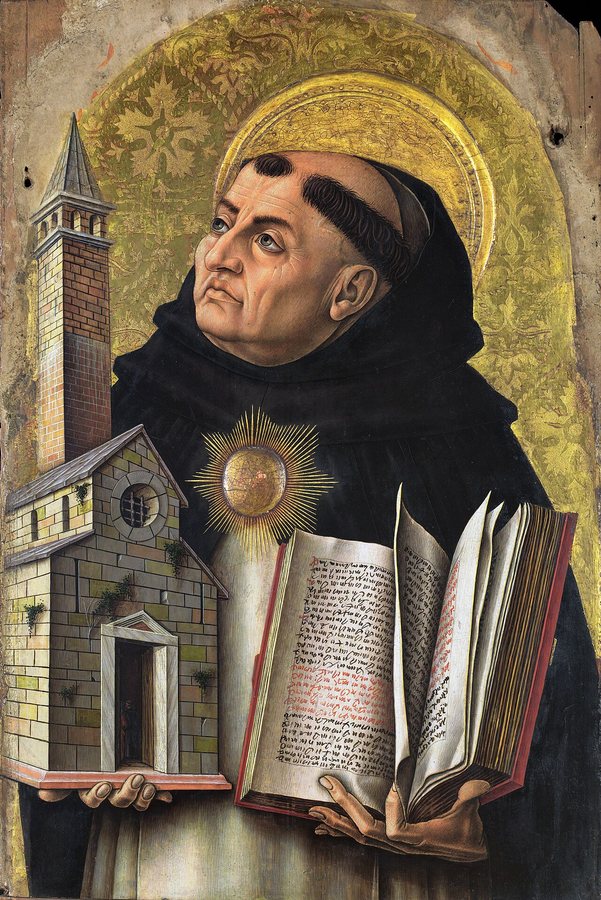
Augustine is recognized as a saint by the Catholic Church, the Eastern Orthodox Church, the Lutheran churches, and the Anglican Communion. He is one of the four Great Latin Church Fathers and was the most cited author in the Summa Theologiae of Thomas Aquinas. Many Protestants, especially Calvinists and Lutherans, regard him as a theological forefather of the Reformation, although the Catholic Church disputes this interpretation.


