
Shanghai is a provincial-level direct-administered municipality in China, located on the southern estuary of the Yangtze River with the Huangpu River running through it. With a population of about 30 million in its urban area as of 2026, it is the most populous city in China and the fifth-largest city in the world by population. The city is a global centre for finance, business, science and technology, manufacturing, transportation, tourism and culture.
Historical development
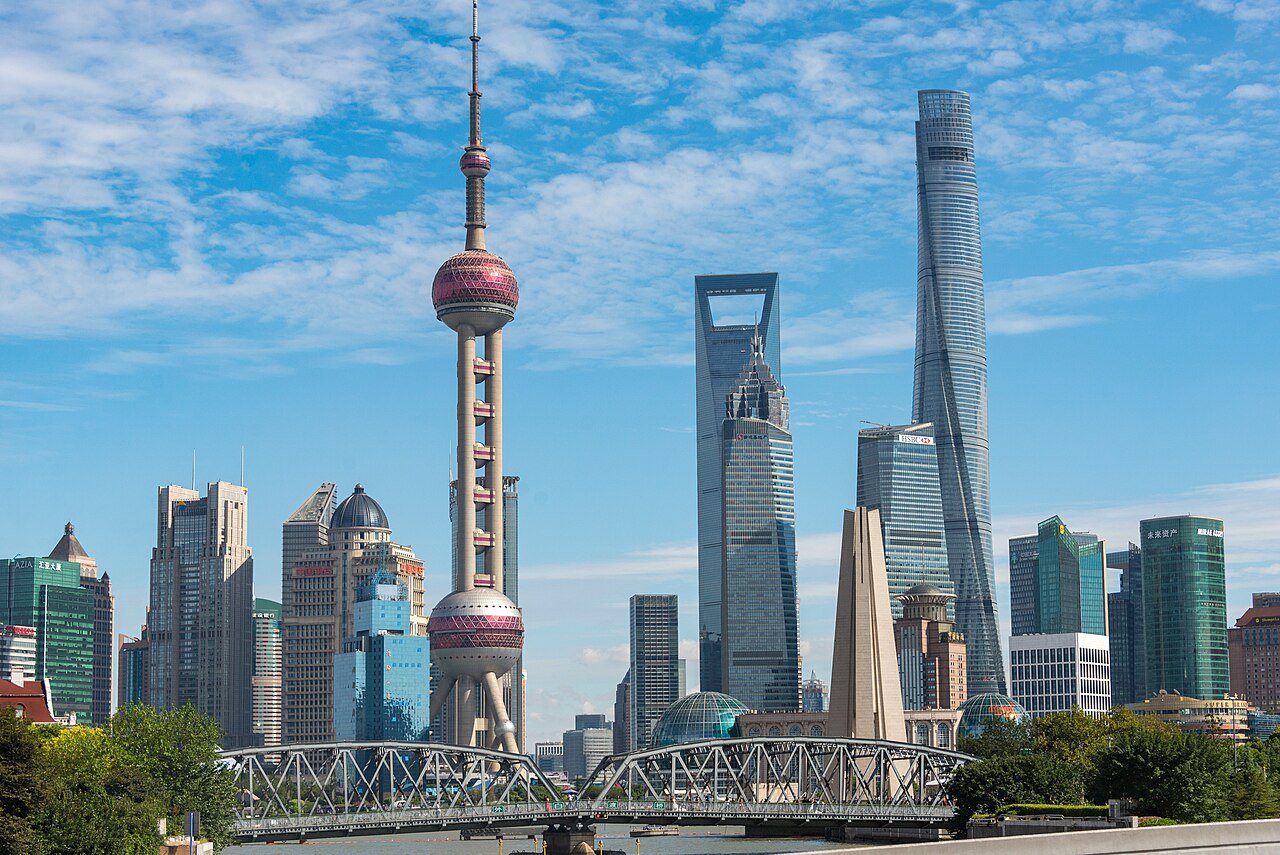


Originally a fishing village and market town, Shanghai grew to global prominence in the 19th century because of trade and its favorable port location. After the First Opium War it became one of five treaty ports opened to Europeans, and in the 1930s it became a leading commercial and financial hub of Asia. Following the Second World War and the Chinese Civil War, trade was largely limited to socialist countries during the Cold War, which reduced its global influence.
Modern economy


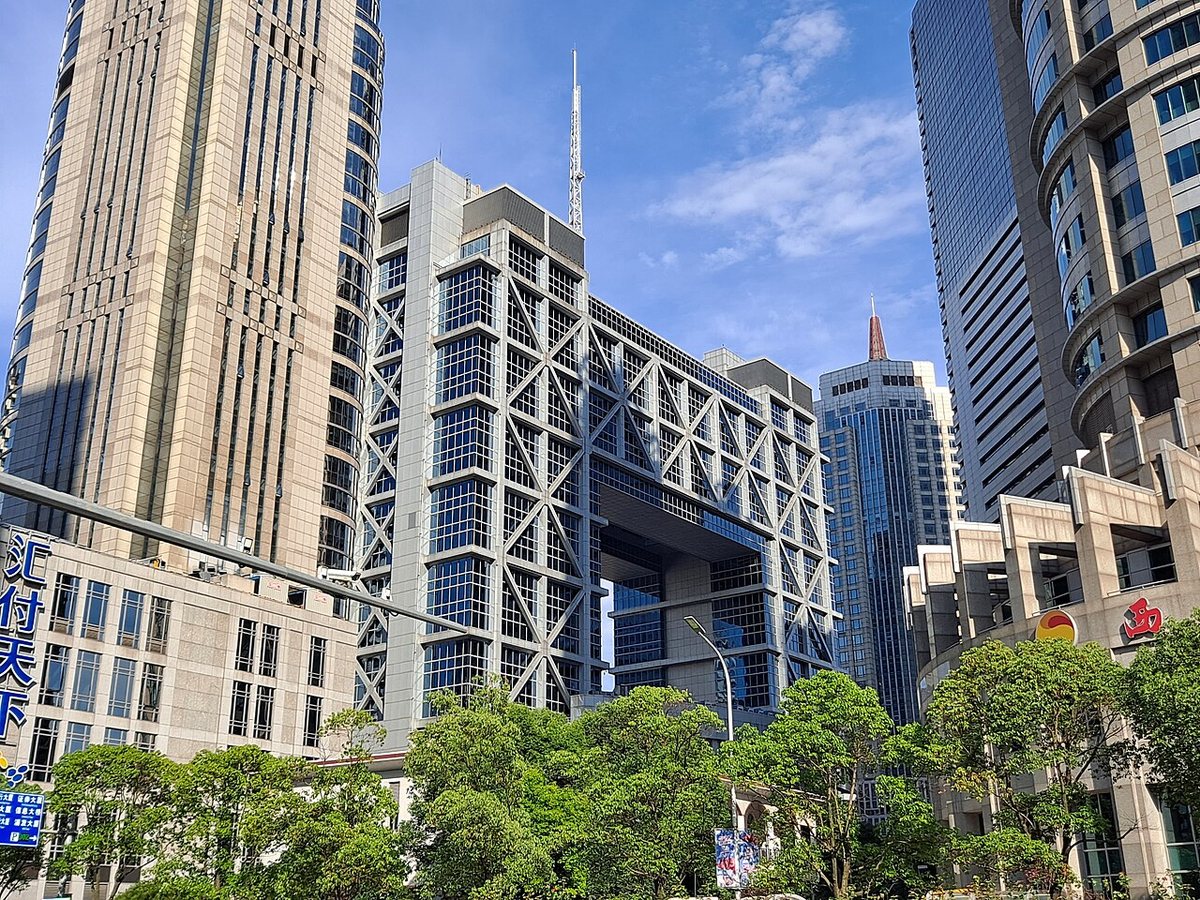


Reform and opening up led to extensive redevelopment by the 1990s, especially in the Pudong New Area, which helped bring back finance and foreign investment. The city is home to the Shanghai Stock Exchange and the Shanghai Free-Trade Zone, the first of its kind in mainland China. The Port of Shanghai is the world's busiest container port, and the Shanghai Metro is the largest metro network in the world by route length.
Culture and landmarks




Shanghai features several architectural styles, including Art Deco and shikumen, and contains the Lujiazui skyline as well as historic sites such as the City God Temple, Yu Garden and the buildings along the Bund. The city is known for its cuisine, local language and cosmopolitan culture, and it has several highly ranked universities, including Fudan, Shanghai Jiao Tong and Tongji.