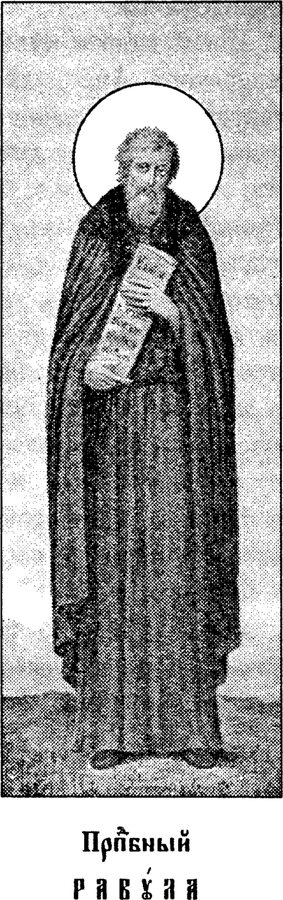
Rabulas of Samosata was a 5th-century monk and ascetic who lived in the region of Samosata. After receiving his education from Baripsaba, he mastered the Syriac language and practiced asceticism within various mountainous and desert environments. His travels eventually led him to the Levant, where his influence grew significantly. Supported by imperial patronage, he established several monastic communities that played a vital role in the religious landscape of the era.
Life and work
Following his early training, Rabulas lived as an ascetic in the wilderness before traveling to the Levant. The Emperor Zeno provided him with the necessary resources to establish a mountain monastery, a project overseen by Bishop John of Berytus. This institution became a primary site for converting local populations to Christianity. Later, while in Constantinople, he received further financial support from Emperor Anastasius I Dicorus to construct additional monasteries.
Veneration
He is remembered as a saint within the pre-schism Christian tradition. His life of asceticism and his work in establishing monastic centers for conversion are central to his religious legacy. He is commemorated annually on February 19.