factograf
EN
Sign in

russian composer of the romantic period (1840–1893)

Pyotr Ilyich Tchaikovsky

Pyotr Ilyich Tchaikovsky

Pyotr Ilyich Tchaikovsky (1840–1893) was a Russian composer of the Romantic period and the first Russian composer whose music made a lasting impression internationally. He wrote some of the most popular concert and theatrical works in the classical repertoire, including the 1812 Overture, his First Piano Concerto, the Violin Concerto, several symphonies, the opera Eugene Onegin, and the ballets Swan Lake, The Sleeping Beauty and The Nutcracker.

Early life and training
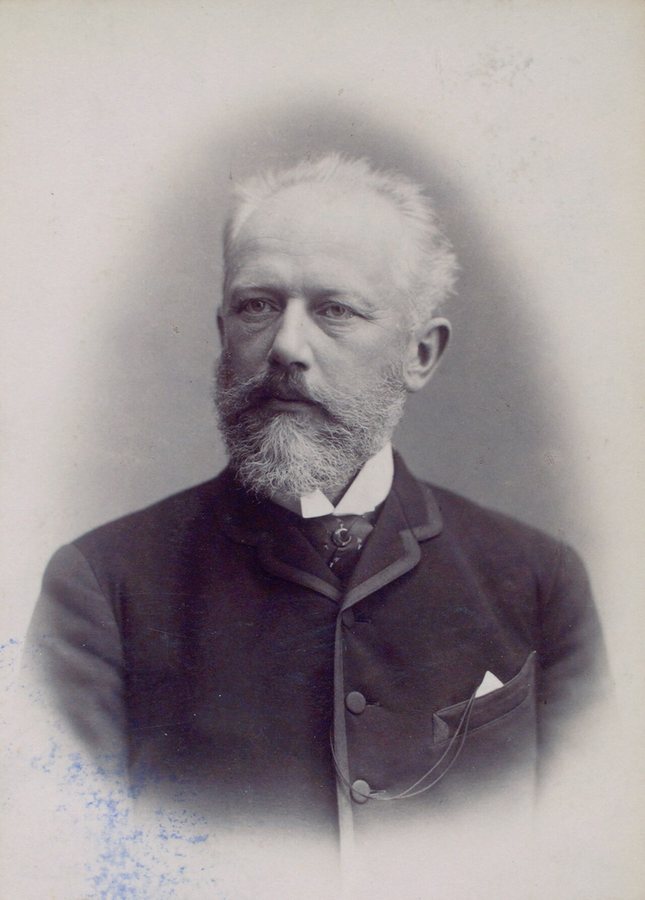
Tchaikovsky by Reutlinger, cropped
Tchaikovsky's signature, transparent
Tchaikovsky House
Tchaikovsky House
Tchaikovsky family in 1848: from left, sitting, Alexandra Andreyevna Tchaikovskaya, Alexandra, Ippolit, Ilya Petrovich Tchaikovsky, family photo 2
Tchaikovsky as a student at the St. Petersburg Conservatory in 1863
A young Mily Balakirev, one of The Five, around 1866
Nadezhda von Meck, Tchaikovsky's patroness and confidante from 1877 to 1890
Tchaikovsky's last home in Klin, now the Tchaikovsky State House-Museum
Tchaikovsky with his wife Antonina Miliukova
9 images

Born in Votkinsk in the Vyatka Governorate, Tchaikovsky showed musical talent early but was trained for a civil service career, since Russia then offered few musical professions outside the aristocracy. Separated from his family for boarding school, he suffered lasting emotional strain after his mother died of cholera in 1854. He later entered the newly founded Saint Petersburg Conservatory, graduating in 1865, and received Western-oriented teaching that set him apart from the nationalist composers known as The Five.

Personal struggles and reception

Kotek Iosif
Kotek Iosif
Tchaikovsky's grave in Tikhvin Cemetery in Saint Petersburg
An 1839 lithograph of Robert Schumann by Josef Kriehuber
Sequence ascending by step, played with four continuously higher segments that continue by the same distance (seconds: C–D, D–E, etc.)
Marius Petipa, around 1890–1895
Eduard Hanslick
Eduard Hanslick
Statue of Tchaikovsky in Simferopol, Crimea
1993 Russian stamp of Swan Lake
8 images

Tchaikovsky's life was marked by personal crises and depression, linked to family losses, a failed marriage and the end of his long association with his patroness Nadezhda von Meck. His private homosexuality is traditionally considered an important factor, though some scholars downplay it. His sudden death at 53 is generally attributed to cholera, although debate continues over the cause and whether it was intentional. Critics were initially divided, with some Russians doubting that his music represented native values and some Europeans judging it lacking because it did not strictly follow Western principles.

In 160 languages

EnglishČeštinaDeutschEspañolFrançaisItaliano日本語PolskiPortuguêsРусскийУкраїнська中文AfrikaansShqipAragoneseالعربيةEgyptian ArabicAsturianuঅসমীয়াAymaraAzbAzərbaycanBalineseBavarianbat-smgБашҡортBikolБеларускаяБългарскиBhojpuriBislamaবাংলাBrezhonegBosanskiBtmБуряадCatalàCdoCebuanoНохчийнChamorroکوردیی ناوەندیCorsicanCrimean TatarЧӑваш чӗлхиCymraegDanskZazaΕλληνικάEmlEsperantoEestiEuskaraExtremaduranفارسیSuomiFøroysktNorthern FrisianGaeilgeGalegoGuaraniGaelgHakka ChineseעבריתFiji HindiHrvatskiMagyarՀայերենHywInterlinguaBahasa IndonesiaInterlingueIlokoIdoÍslenskaJawaKara-KalpakTaqbaylitJjuქართულიKbpҚазақшаKanuri한국어Kurdî (kurmancî)KernewekКыргызчаLatinLëtzebuergeschLezghianLigureLombardLietuviųLatviešuMadureseMalagasyMariMinangkabauМакедонскиമലയാളംМонголमराठीMelayuMaltiMirandeseErzyaမြန်မာNahNeddersass’schNewariNederlandsNorsk nynorskNorskOccitanOloPampangaਪੰਜਾਬੀPicardPiemontèisWestern PanjabiPplپښتوRunasimiRomânăRusynСаха тылаSicilianuScotsسنڌيSrpski (latinica)SlovenčinaSlovenščinaShqipСрпскиSaterland FrisianSvenskaKiswahiliதமிழ்ТоҷикӣไทยFilipinoTalyshTürkçeТатарТываUdmurtاردوO‘zbekVenetoVepsTiếng ViệtVolapükWarayWalloonWu ChineseKalmykMingrelianייִדישÈdè Yorùbázh-yue

Редакція Factograf · Published October 14, 2026 · Partly based on Wikipedia, CC BY-SA 4.0 · Source article