factograf
EN
Sign in

unincorporated territory of the United States of America

Puerto Rico

Puerto Rico

Puerto Rico is a self-governing Caribbean archipelago and island organized as an unincorporated territory of the United States under the designation of commonwealth. Located about 1,000 miles southeast of Miami, Florida, it consists of the main island and smaller islands including Vieques, Culebra, and Mona. With roughly 3.2 million people, it is divided into 78 municipalities, and Spanish, though predominant, shares official status with English. Its political status remains an ongoing subject of debate.

Early history and Spanish rule

A 20th-century reconstruction of an 8th-century Taíno village, built where their remains were found in 1975 after Hurricane Eloise
Spanish planter of Puerto Rico with a house slave, around 1808
Map of the departments of Puerto Rico during Spanish provincial times (1886)
Map of Puerto Rico from 1952
Puerto Rico seen from space, 2008
Rainfall totals from Hurricane Maria
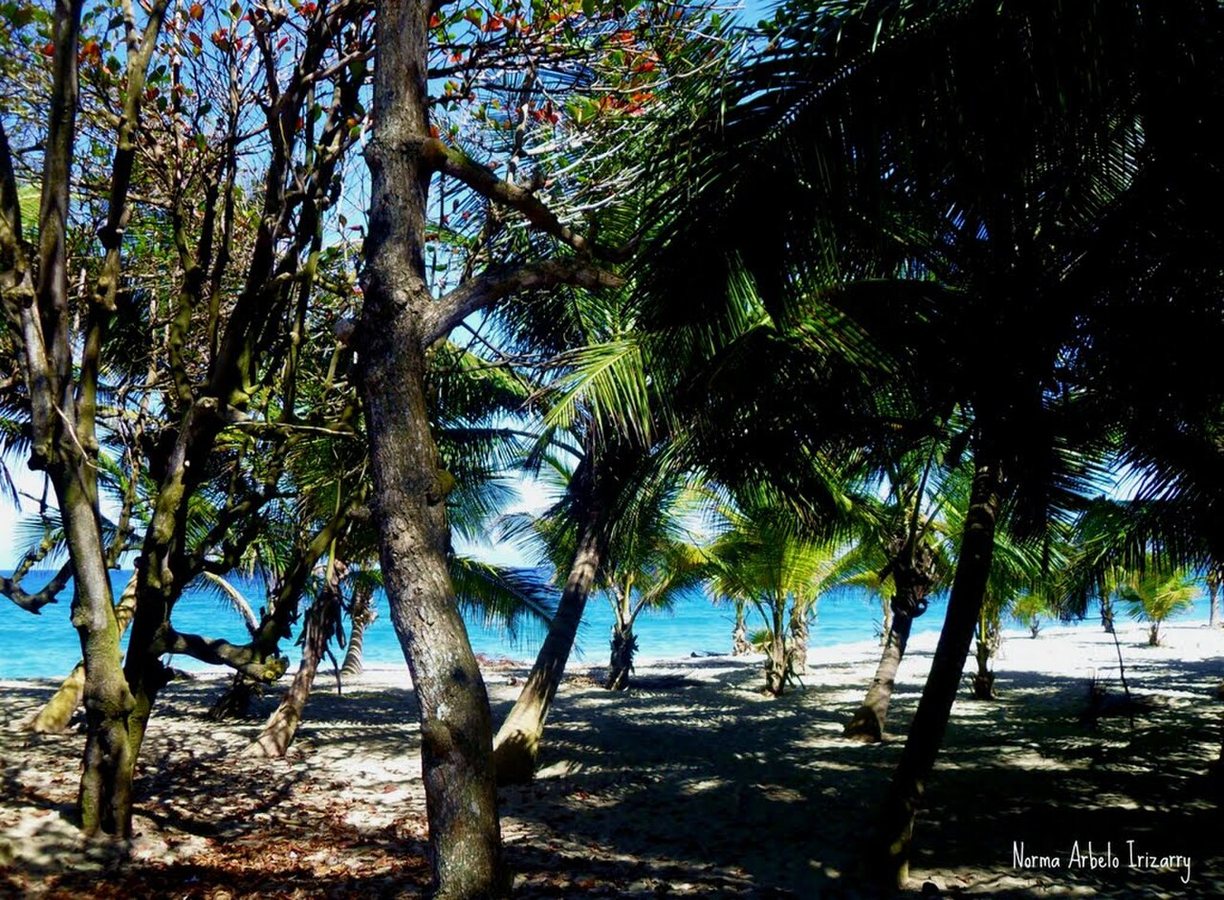
Beach and coastline at Patillas, in southeast Puerto Rico
NOAA bathymetry image of Puerto Rico (2020)
Map by the United States Geological Survey
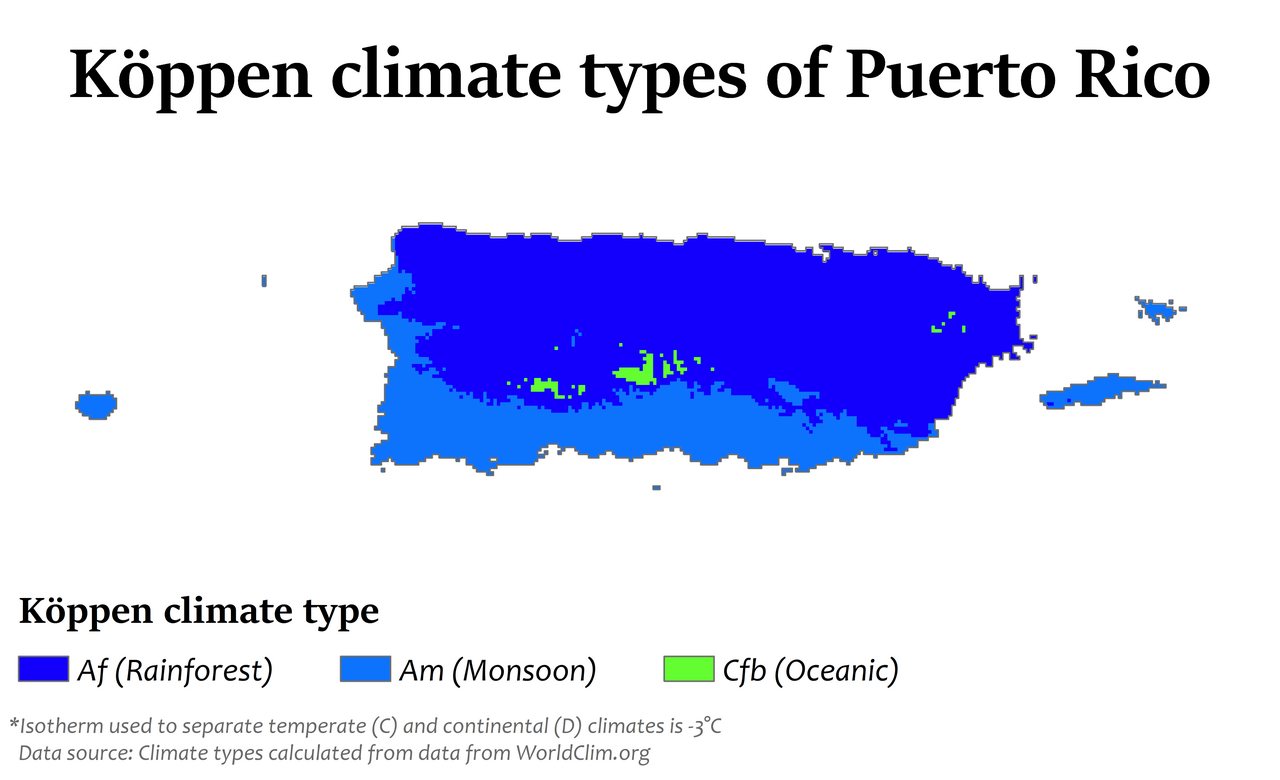
Köppen climate types in Puerto Rico, showing that the island mainly has rainforest and monsoon climates
Common coquí, a small frog
Official portrait of Resident Commissioner Jenniffer González
12 images

Indigenous peoples settled the island beginning two to four thousand years ago, including the Ortoiroid, Saladoid, and Taíno. Spain claimed the island after Christopher Columbus arrived in 1493, and it remained a Spanish possession for about four centuries. Its strategic position in the Caribbean made it a military post during many European conflicts. The decline of the Indigenous population, the arrival of Spanish settlers, and the presence of African slaves reshaped its culture and demographics, gradually giving rise to a distinct Puerto Rican identity.

Relationship with the United States

Mayor Rosachely Rivera Santana
The gap between the incumbent Popular Democratic Party and the New Progressive Party was only 0.6% in the last election, reflecting alternation between the two parties over decades
The Capitol of Puerto Rico, home of the Legislative Assembly
U.S. military installations and other federal lands in Puerto Rico, including the U.S. Virgin Islands, throughout the 20th century
Ohio-class ballistic missile submarine USS Maryland at Roosevelt Roads Naval Station, 1997
Puerto Rico's GDP by economic sector
Beach in Coto, Isabela
The 2012 budget of the government of Puerto Rico
Map of Jones Act merchant shipping routes for Puerto Rico
Flying into San Juan
A Tren Urbano train at Bayamón Station
Largest ethnic minority in Puerto Rico by municipality, according to the 2020 census
12 images

Puerto Rico was acquired by the United States in 1898 following the Spanish–American War. Puerto Ricans have been U.S. citizens since 1917 and can move freely between the island and the mainland. Residents cannot vote in federal elections and have no voting representation in Congress, although they elect a nonvoting resident commissioner. In 1952 Congress approved a territorial constitution that allowed residents to elect their own governor and legislature.

Economy

Population age pyramid of Puerto Rico in 2020
Cathedral of San Juan, built between 1535 and 1802
Old Hospital Doctor Pila in Barrio Primero, Ponce
Street-lined homes in Old San Juan
Parque de Bombas, a landmark of Ponce and former fire station built in 1882
Portrait of María de los Dolores Gutiérrez del Mazo in colonial Puerto Rico, painted in 1796 by José Campeche and now housed in the Brooklyn Museum
Portrait of Eugenio María de Hostos
San Juan 450th anniversary 1971 stamp depicting one of the sentry boxes of El Morro
Arroz con gandules, widely regarded as Puerto Rico's national dish
Dominican Republic versus Puerto Rico at the World Baseball Classic
Orange stars ultra
Orange stars ultra
11 images

Beginning in the mid-twentieth century, the U.S. government and the Puerto Rico Industrial Development Company launched economic projects aimed at building an industrial high-income economy. The International Monetary Fund classifies the territory as a developed jurisdiction. Manufacturing, mainly pharmaceuticals, petrochemicals, and electronics, is the largest sector, followed by services such as tourism and hospitality.

In 181 languages

EnglishČeštinaDeutschEspañolFrançaisItaliano日本語PolskiPortuguêsРусскийУкраїнська中文AfrikaansShqipAmiአማርኛOld EnglishAngikaAragoneseالعربيةMoroccan ArabicEgyptian ArabicAsturianuAymaraAzbAzərbaycanBalineseBavarianbat-smgБашҡортBikolБеларускаяБългарскиBhojpuriবাংলাBishnupriyaBrezhonegBosanskiCatalàcbk-zamCdoCebuanoНохчийнکوردیی ناوەندیCorsicanЧӑваш чӗлхиCymraegDanskZazaDolnoserbšćinaDivehiΕλληνικάEsperantoEestiEuskaraExtremaduranفارسیSuomiFøroysktArpitanNorthern FrisianFryskGagauzGaeilgeGcrGàidhligGilakiGalegoGuaraniGaelgHakka ChineseHausaʻŌlelo Hawaiʻiעבריתहिन्दीHrvatskiHornjoserbšćinaHaitian CreoleMagyarՀայերենInterlinguaBahasa IndonesiaIlokoIdoÍslenskaJamaican Creole EnglishJawaKara-KalpakქართულიҚазақшаKanuri한국어Karachay-BalkarکٲشُرKurdî (kurmancî)KernewekКыргызчаLadinoLatinLëtzebuergeschLingua Franca NovaLigureLimburgishLldLombardLingálaLietuviųLatviešuMalagasyMāoriМакедонскиമലയാളംМонголमराठीMelayuErzyaမြန်မာمازرونیNeddersass’schनेपालीNewariNederlandsNorsk nynorskNovialNorskOccitanИронPapiamentoਪੰਜਾਬੀPicardPiemontèisWestern PanjabiپښتوRunasimiRomânăIkinyarwandaСаха тылаSicilianuScotsSarduسنڌيတႆးSrpski (latinica)සිංහලSlovenčinaSlovenščinaShqipСрпскиBasa SundaSvenskaKiswahiliŚlōnskiSzyதமிழ்TayతెలుగుТоҷикӣไทยTürkmen diliFilipinoToki ponaLea fakatongaTarokoTürkçeТатарTumbukaئۇيغۇرچەاردوO‘zbekVenetoTiếng ViệtVolapükWarayWalloonWolofWu ChineseMingrelianייִדישÈdè YorùbáZeelandiczh-yue

Редакція Factograf · Published October 14, 2026 · Partly based on Wikipedia, CC BY-SA 4.0 · Source article