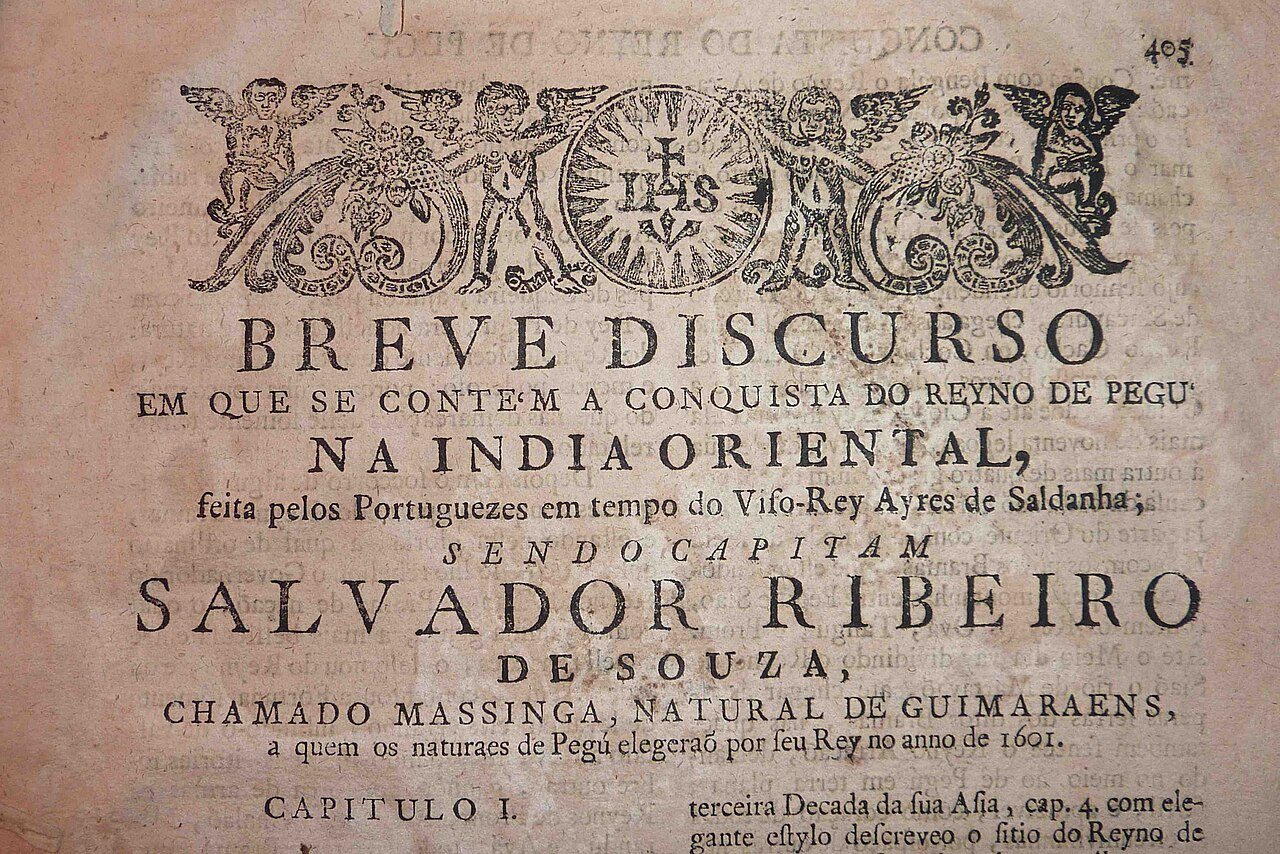
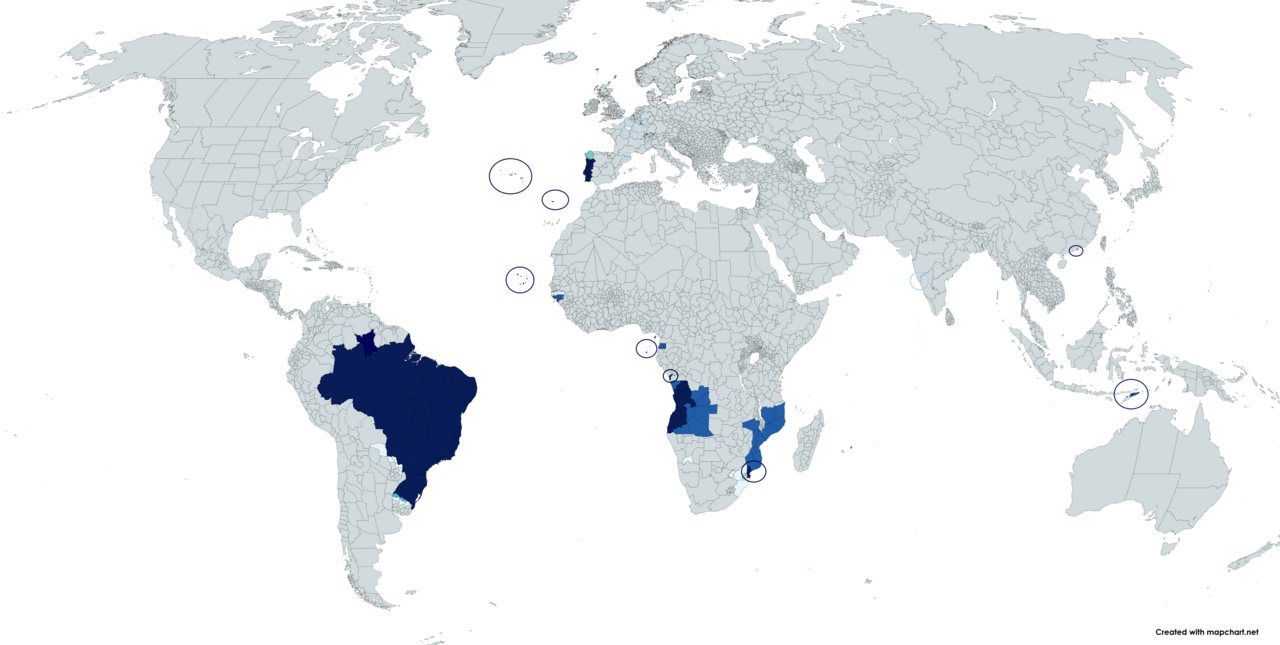
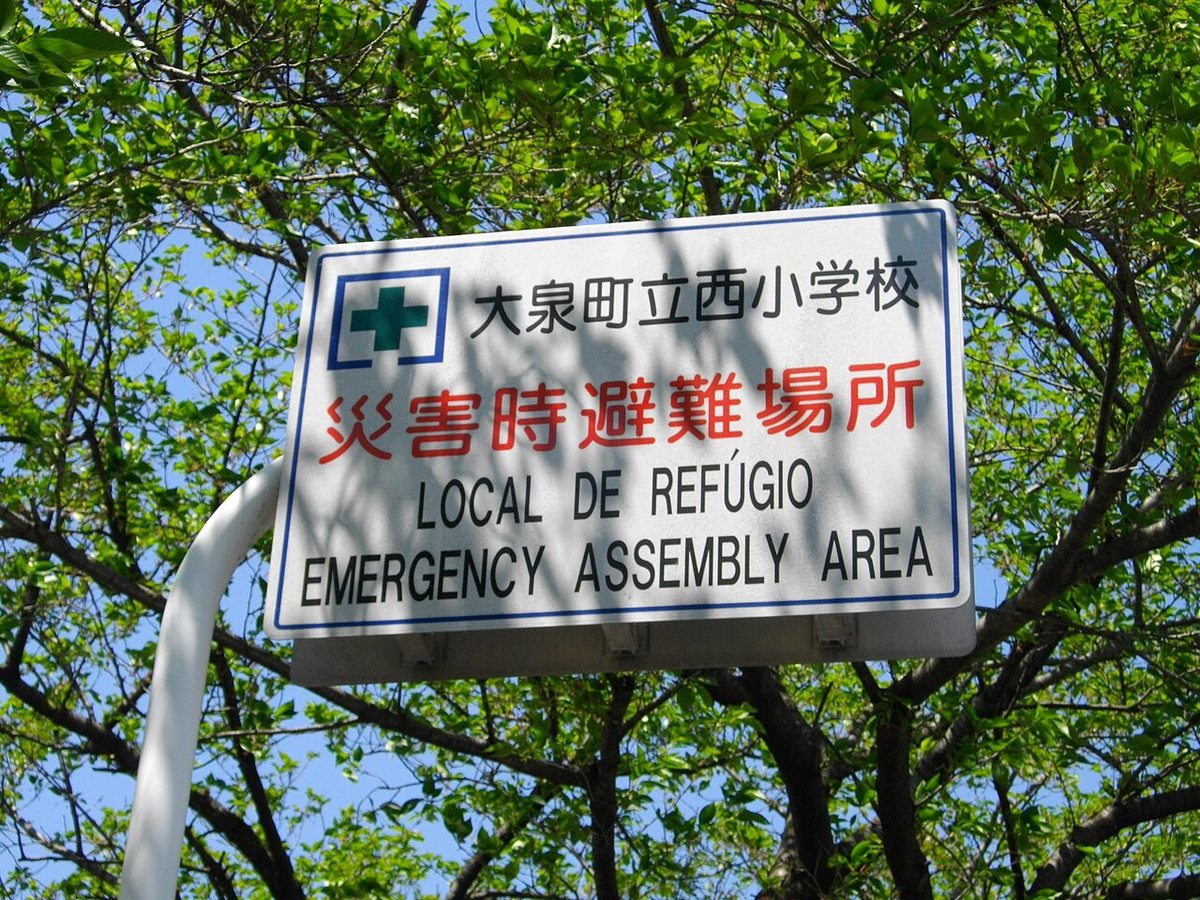
Portuguese (endonym: português) is a Western Romance language of the Indo-European family, written in the Latin script. With about 267 million native speakers, it is the fifth most spoken native language in the world and the most widely spoken language in the Southern Hemisphere. It is the official language of eight countries, including Portugal and Brazil, and is co-official in Macau and Equatorial Guinea. Its speakers are known as Lusophone, a term reflecting the spread of the language during colonial times.
Origins and Roman period

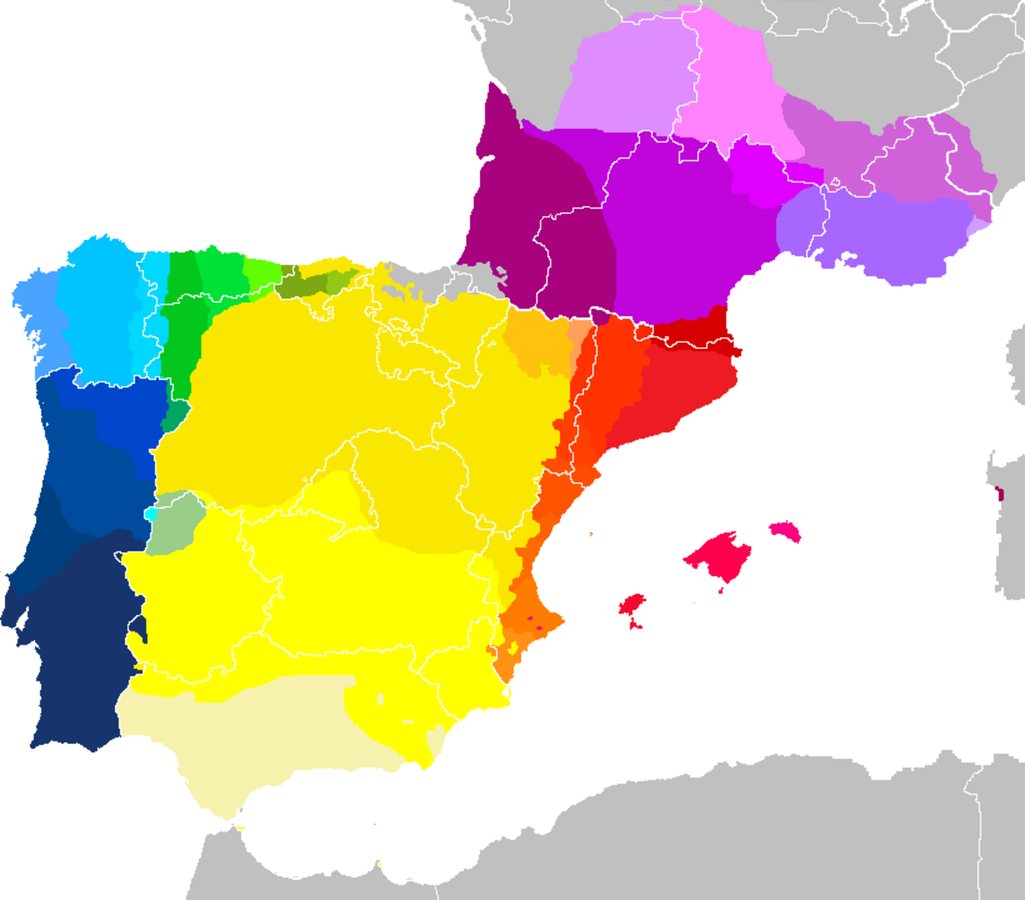
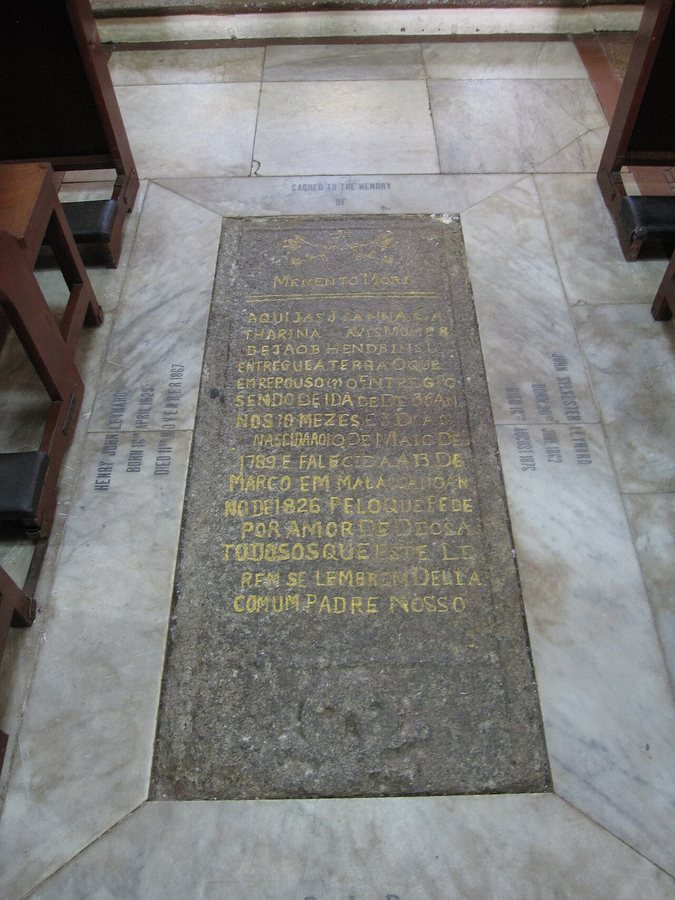
Before Roman expansion, the area of modern Portugal was home to several peoples, including the Gallaeci, Lusitanians and Celts, whose languages left a lasting influence on the vocabulary, particularly words linked to nature, farming and material culture. Roman control of the Iberian Peninsula began in 218 BC and was completed in 19 BC under Augustus. The northwest, known as Gallaecia, retained distinctive features of Vulgar Latin, such as the loss of intervocalic l and n, which set it apart from neighbouring varieties.
Medieval development
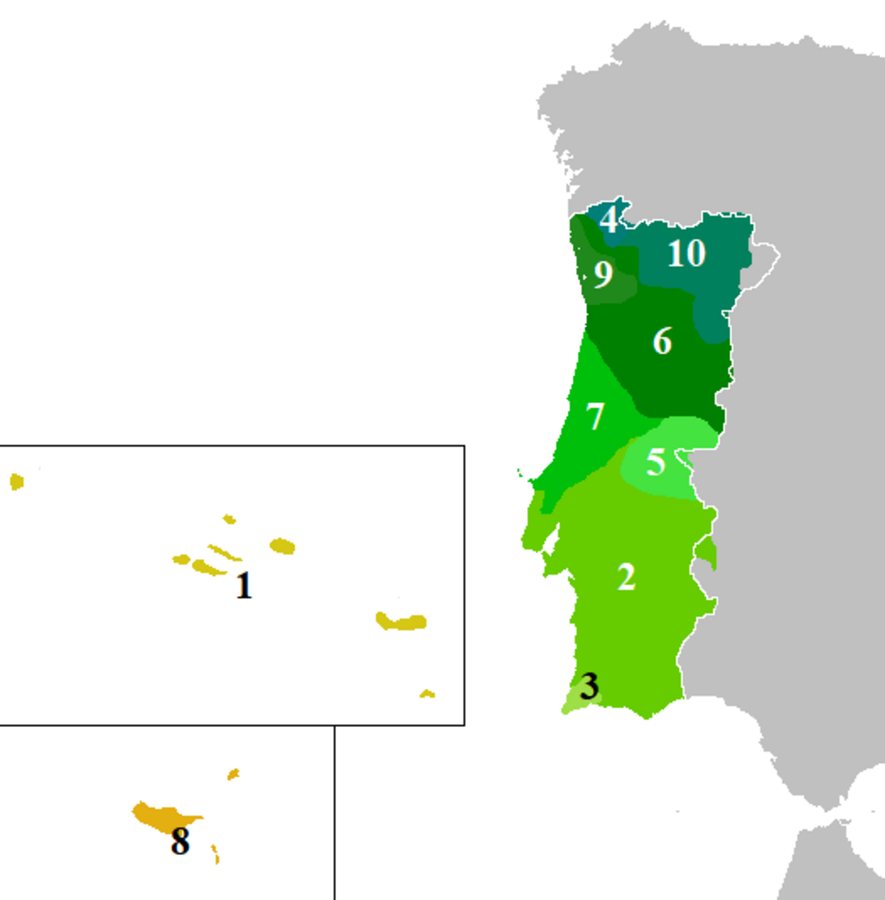


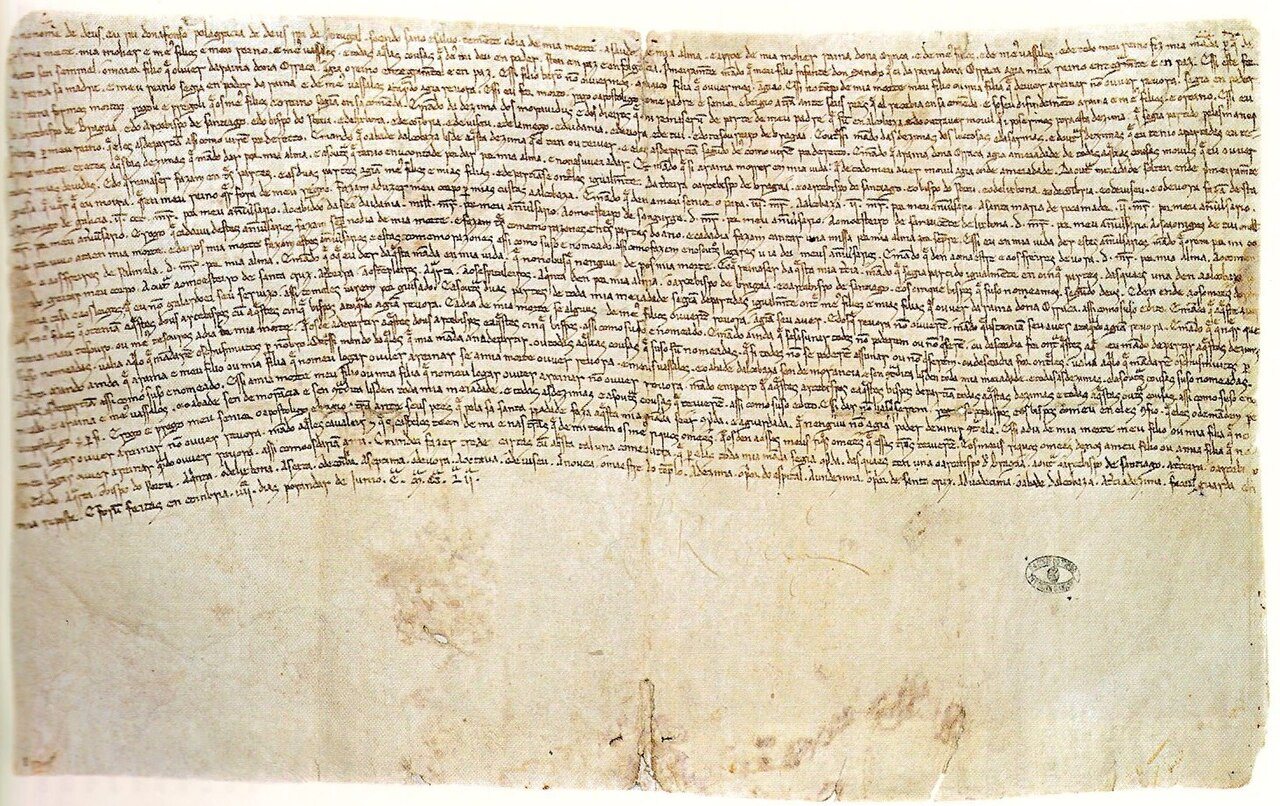
After the Visigoths extended their rule over most of the peninsula, Germanic influence on the vernacular remained limited, with fewer than forty commonly cited Gothic words. In 711, Muslim forces invaded the peninsula, and different Romance varieties later emerged in the northern Christian kingdoms, including the Galician-Portuguese variety in the region of Gallaecia. This form of speech became the ancestor of the modern Portuguese language.


