
Pius V was a 16th-century Italian pope and Dominican friar who led the Catholic Church from 1566 until his death in 1572. Born Antonio Ghislieri, he served as a bishop and inquisitor before his election to the papacy. He is primarily recognized for his rigorous implementation of the Council of Trent's decrees and his efforts to reform church discipline. His leadership was central to the Counter-Reformation, during which he worked to standardize liturgy and defend Catholic orthodoxy against Protestantism and Ottoman expansion.
Life and reforms

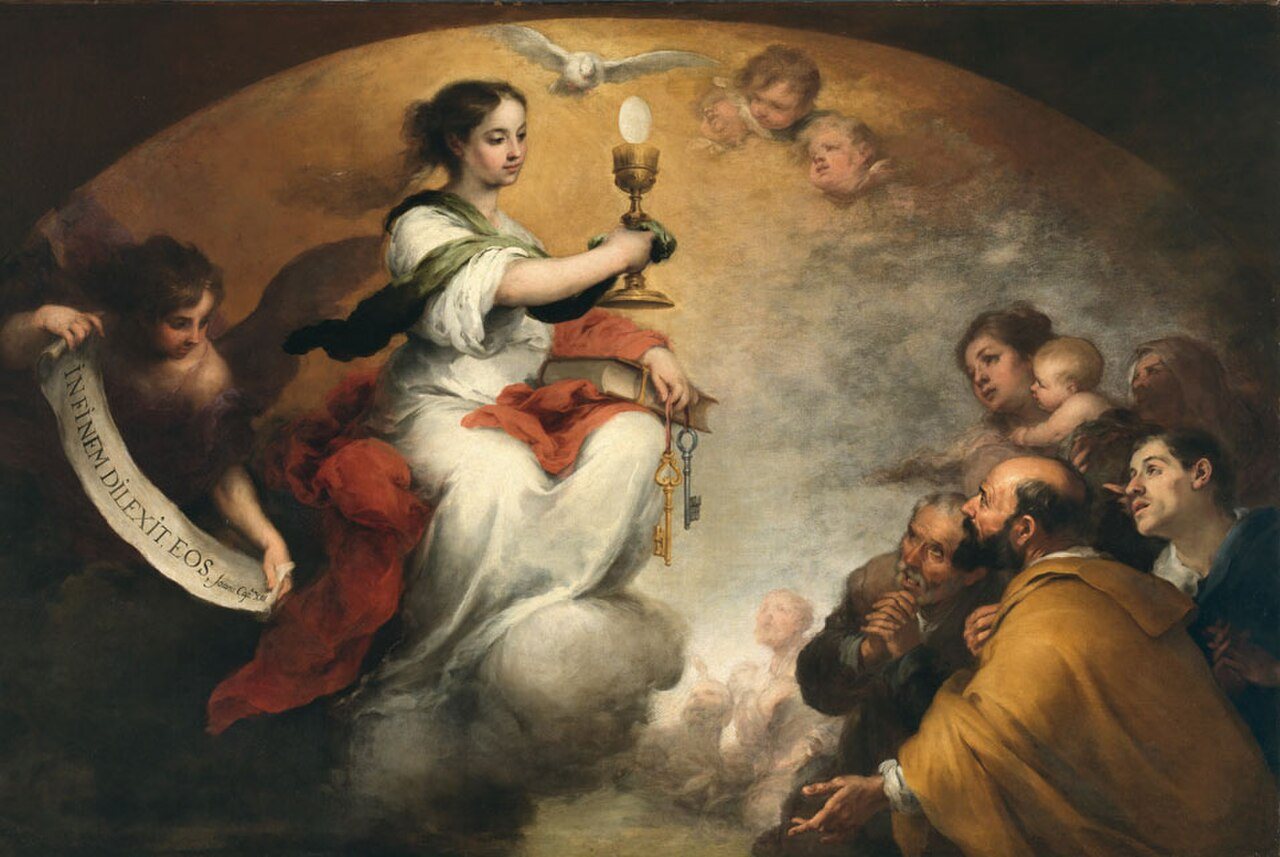
After joining the Dominican Order at age fourteen, Ghislieri served as a lecturer and inquisitor. As pope, he focused on restoring morality and reducing the costs of the papal court. He standardized the Roman Rite by issuing the 1570 Roman Missal, which established the Tridentine Mass. Additionally, he recognized Thomas Aquinas as a Doctor of the Church and commissioned a complete edition of the theologian's works.
Political leadership

Pius V took significant political and military actions, including the formation of the Holy League to oppose the Ottoman Empire. This alliance achieved a major victory at the Battle of Lepanto in 1571. He also issued a papal bull excommunicating Elizabeth I of England for her perceived heresies. Throughout his career, he was noted for his strictness and his refusal to permit nepotism within the church hierarchy.
Veneration

The Catholic Church recognizes him as a saint, and his feast day is observed on April 30. He is remembered for his intense devotion and his role in shaping the modern Roman Catholic liturgy. His legacy remains tied to the institutional reforms of the Counter-Reformation and the preservation of traditional Catholic doctrine.