factograf
EN
Sign in

bishop of Rome and head of the Roman Catholic church

Pope

Pope

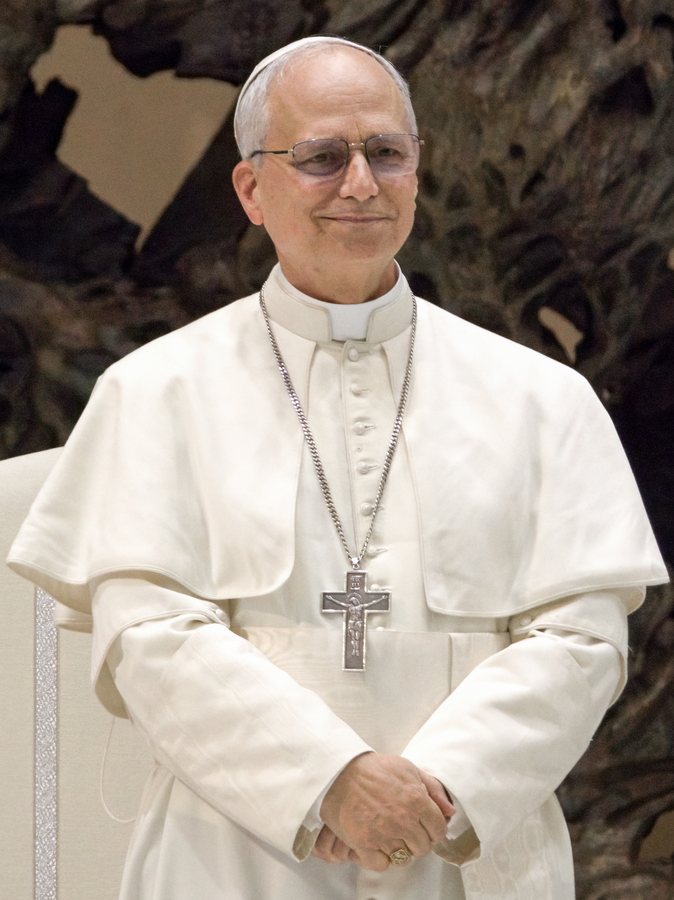
Pope is the title of the bishop of Rome, who serves as head of the worldwide Catholic Church. The office is also called the supreme pontiff, Roman pontiff or sovereign pontiff. From the 8th century until 1870 the pope ruled the Papal States, and since 1929 he has headed the much smaller Vatican City State. Catholic teaching holds that the bishop of Rome's primacy comes from his role as successor to Saint Peter, to whom Jesus gave authority over the Church. The current pope is Leo XIV, elected on 8 May 2025.

Title and origins

Gesupietrochiave
Gesupietrochiave
Gregory the Great (c. 540–604), in a painting by Carlo Saraceni, c. 1610, Rome
A map of the Mediterranean states in 1400. The East-West Schism began in 1054 and continues, while the Western Schism lasted from 1378 to 1417.
As part of the Catholic Reformation, Pope Paul III (1534–1549) initiated the Council of Trent (1545–1563), which established the triumph of the papacy over those who sought to reconcile with Protestants or oppose papal claims.
A fresco of Eliakim in the Sistine Chapel, Vatican City
The Delivery of the Keys, by Pietro Perugino, 1481
The 1417 conclave in Konstanz where Pope Martin V was elected
The formal declaration of "Habemus Papam" after the election of Pope Martin V
The funeral of Pope John Paul II at the Vatican in April 2005, presided over by Cardinal Joseph Ratzinger, the future Pope Benedict XVI
9 images

The word pope comes from a Greek word meaning father. In early Christianity the title was used for many bishops and senior clergy, especially in the East. In the West it became reserved for the bishop of Rome during the reign of Leo I, a practice made official in the 11th century. According to Catholic tradition, the Roman see was founded by Saints Peter and Paul in the first century, although historians debate whether Peter was the first bishop of Rome.

Role and authority

Recently constructed entrance to Vatican City, with inscription "Benedictus XVI Pont(ifex) Max(imus) Anno Domini MMV Pont(ificatus) I.", i.e., "Benedict XVI, Pontifex Maximus, in the year of Our Lord 2005, the first year of his pontificate."
An 1881 illustration depicting papal infallibility
Antichristus, a woodcut by Lucas Cranach the Elder of the pope using the temporal power to grant authority to a generously contributing ruler
Antichristus, by Lucas Cranach the Elder, from Luther's 1521 Passionary of the Christ and Antichrist. The pope is signing and selling indulgences.
Christus, by Lucas Cranach. This woodcut of John 13:14–17 is from Passionary of the Christ and Antichrist. Cranach shows Jesus kissing Peter's foot during the footwashing, in contrast to the opposing woodcut where the pope demands others kiss his foot.
Antichristus, by the Lutheran Lucas Cranach the Elder. This woodcut of the traditional practice of kissing the pope's foot is from Passionary of the Christ and Antichrist.
Pope Pius IX, the pope with the longest verifiable reign
Pope Urban VII, the shortest-reigning pope
8 images

The pope heads the college of bishops, a role Catholics see as continuing the leadership of the apostles under Peter. Over the centuries the papacy gained wide secular influence, though its temporal power has declined in recent times and the office now focuses mainly on religious matters. Papal authority was formally defined in 1870 with the dogma of papal infallibility, which applies only when the pope speaks ex cathedra on matters of faith or morals.

In 175 languages

EnglishČeštinaDeutschEspañolFrançaisItaliano日本語PolskiPortuguêsРусскийУкраїнська中文AfrikaansShqipአማርኛOld EnglishAngikaAragoneseAramaicالعربيةEgyptian ArabicAsturianuAzbAzərbaycanBavarianbat-smgBikolБеларускаяBetawiБългарскиবাংলাBrezhonegBosanskiCatalàCdoCebuanoНохчийнکوردیی ناوەندیCorsicanCrimean TatarKashubianChurch SlavicЧӑваш чӗлхиCymraegDanskZazaDolnoserbšćinaΕλληνικάEmlEsperantoEestiEuskaraفارسیfiu-vroSuomiFøroysktArpitanNorthern FrisianFurlanFryskGaeilgeGàidhligGalegoHakka Chineseעבריתहिन्दीHrvatskiHornjoserbšćinaHaitian CreoleMagyarՀայերենHywInterlinguaIbanBahasa IndonesiaInterlingueIlokoIdoIsvÍslenskaJamaican Creole EnglishJawaქართულიKbpTyapҚазақшаខ្មែរಕನ್ನಡ한국어Kurdî (kurmancî)KernewekКыргызчаLadinoLatinLëtzebuergeschLingua Franca NovaLimburgishLombardLingálaລາວLietuviųLatviešuMalagasyMinangkabauМакедонскиമലയാളംМонголमराठीMelayuMaltiMirandeseမြန်မာمازرونیNahNeapolitanNeddersass’sch (Nedderlannen)Neddersass’schनेपालीNewariNederlandsNorsk nynorskNorskNrmOccitanPapiamentoਪੰਜਾਬੀPicardPennsylvania GermanWestern PanjabiپښتوRunasimiRumantschroa-rupRomânăRusynСаха тылаSicilianuScotsSarduSrpski (latinica)සිංහලSkrSlovenčinaSlovenščinaAnarâškielâShqipСрпскиSvenskaKiswahiliŚlōnskiதமிழ்తెలుగుТоҷикӣไทยFilipinoTok PisinTürkçeТатарTumbukaئۇيغۇرچەاردوO‘zbekVenetoTiếng ViệtWest FlemishVolapükWarayWalloonWu ChineseMingrelianייִדישÈdè YorùbáZeelandiczh-yueIsiZulu

Редакція Factograf · Published October 14, 2026 · Partly based on Wikipedia, CC BY-SA 4.0 · Source article