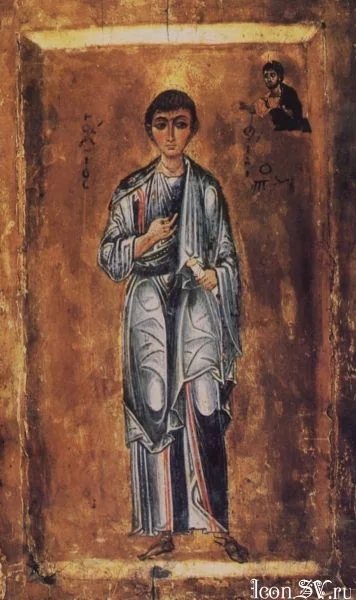
Philip the Apostle was a first-century disciple of Jesus and one of the Twelve Apostles. Originally from Bethsaida, he is identified in the New Testament as the individual who introduced Nathanael to Christ. Following the resurrection, he traveled extensively as a missionary, preaching throughout regions such as Greece, Syria, and Asia Minor. Christian traditions vary regarding his death, noting that he may have been martyred in Hierapolis either by beheading or through crucifixion, often alongside Bartholomew.
Life and ministry

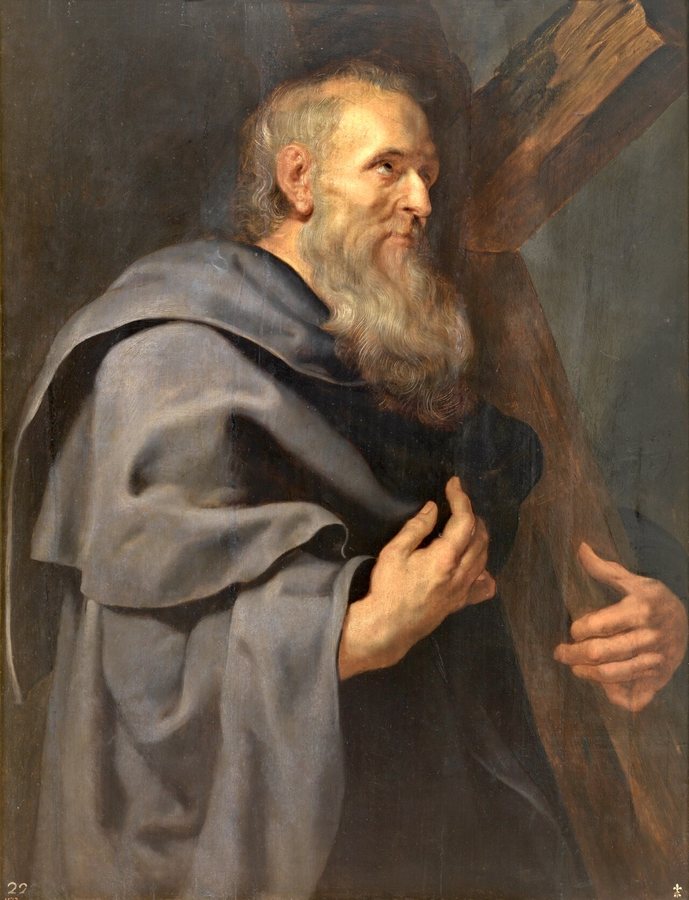
The Gospels record Philip as a follower of Jesus who participated in the miracle at the wedding in Cana. Because of his Greek name, he is often viewed as a connection to the Greek-speaking community. Some historical accounts suggest he was married and had three daughters. His missionary work was widespread, covering areas from Carthage to Phrygia, and he is distinguished in scripture from Philip the Evangelist.
Veneration and feasts


He is honored across various traditions, including Catholic, Orthodox, Anglican, and Lutheran churches. The Roman Rite observes his feast on May 3, while the Eastern Orthodox Church celebrates him on November 14. This latter date marks the beginning of the Philippian Fast. His relics are traditionally kept in Rome, though archaeological findings in Hierapolis suggest his original burial site was a center for ancient pilgrimage.