factograf
EN
Sign in

king of Spain, Portugal, Naples and Sicily; king consort of England, 1527–1598

Philip II of Spain

Philip II of Spain

Philip II (1527–1598), sometimes called Philip the Prudent, was King of Spain from 1556 and King of Portugal from 1580, as well as King of Naples and Sicily and jure uxoris King of England and Ireland through his marriage to Queen Mary I. He was the son of Emperor Charles V and inherited the Spanish Empire from his father. During his reign Spain reached the height of its influence and ruled territories on every continent then known to Europeans. Deeply Catholic, he saw himself as a defender of Catholic Europe against the Ottoman Empire and the Protestant Reformation.

Early life and training

The baptism of Philip II in Valladolid, Castile, painted on a historical ceiling preserved in the Palacio de Pimentel in Valladolid
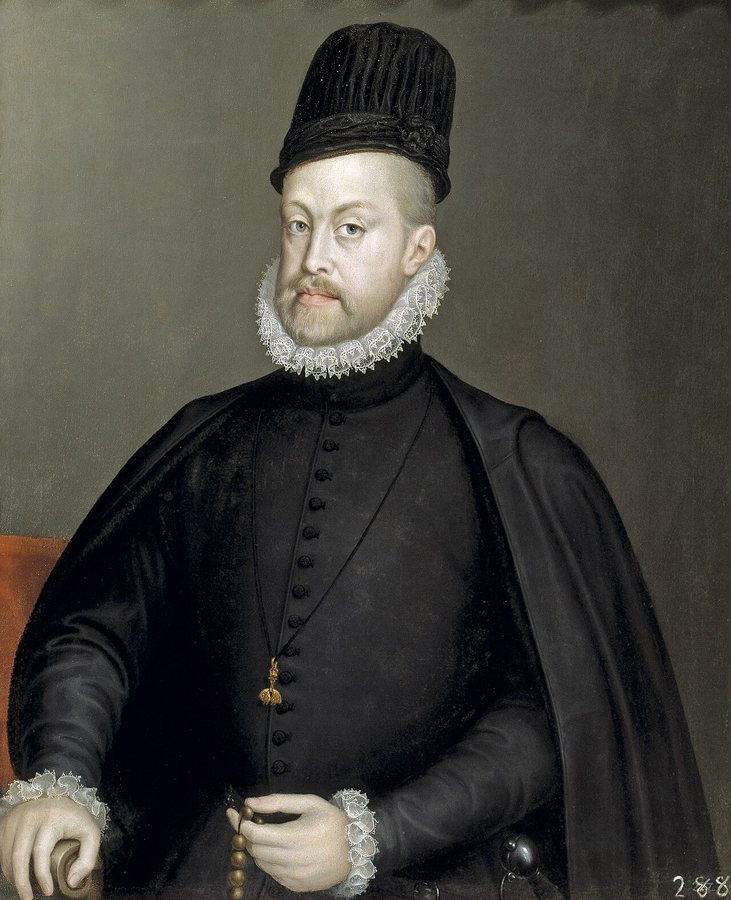
Philip, in the prime of his life, by Anthonis Mor
Philip II wearing the Order of the Garter by Jooris van der Straeten, c. 1554
Portrait of Philip II on a 1/5 Philipsdaalder struck in 1566 in Guelders, Low Countries
A marble bust of Philip II of Spain by Pompeo Leoni, Metropolitan Museum of Art
Titian's allegory after the Battle of Lepanto in 1571, in which Philip offers his short-lived heir Fernando to Glory
Armour of Philip II
Armour of Philip II
Philip II berating William of Orange, by Cornelis Kruseman
Reward letter of Philip II to the family of Balthasar Gerards, the assassin of William the Silent, 1590
Anthony I of Portugal
Titian's portrait of Philip as prince (1551), aged about 24, dressed in lavishly decorated armour
Irish groat with the initials and portraits of Philip and Mary
12 images

Philip was born in Valladolid in Castile to Emperor Charles V and Isabella of Portugal, and he grew up in the Castilian court, where he came to regard himself as culturally Spanish. He was educated by tutors including humanists and received military instruction in the Italian Wars. In 1543 his father entrusted him with the regency of the Spanish kingdoms, and he began governing a vast empire at only sixteen. His father's written advice stressed piety, patience, modesty and distrust, principles Philip gradually made his own.

Wars and finances

A late 16th-century painting of the Spanish Armada in battle with English warships
Philip's dominions in 1598, coloured by governing council: Castile, Aragon, Portugal, Italy
Statue of Philip II at the Sabatini Gardens in Madrid by F. Castro, 1753
The Battle of Lepanto in 1571, a major victory for the Holy League under the command of Philip's half-brother John of Austria
Cannon with the arms of Philip II as King of Spain and jure uxoris King of England and France
Portrait of Philip II as King of Portugal by Sánchez Coello, c. 1580
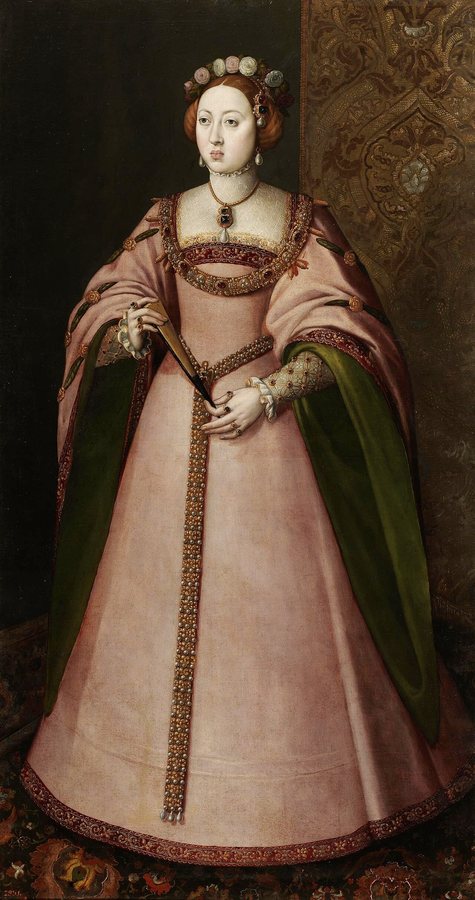
Maria Manuela, Princess of Portugal and Asturias, at the Prado
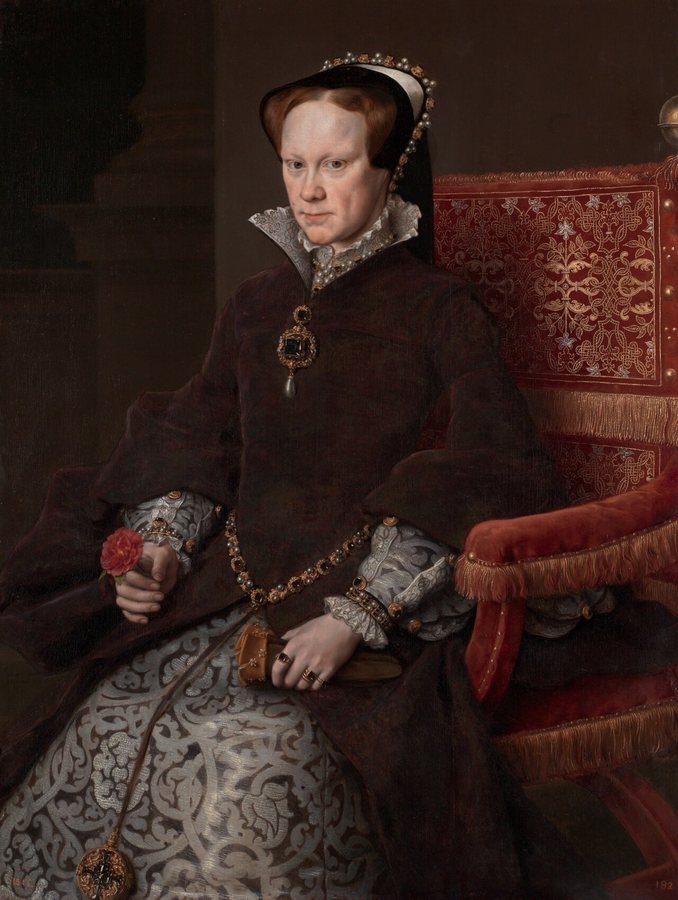
Anthonis Mor portrait
Isabel de Valois
Isabel de Valois
Ana de Austria, consort queen of Spain, at the Museo Lázaro Galdiano
Cenotaph of Philip II and his family
Sánchez Coello, Royal feast
12 images

Philip's reign saw notable victories against the Ottomans at Oran, Malta and Lepanto, and the Spanish conquest of the Inca Empire and the Philippines was completed. He also fought in the Eighty Years' War and sent several armadas against Protestant England, which failed. These conflicts were costly, and Spain declared state defaults several times, including in 1557, 1560, 1569, 1575 and 1596. Historical reception of Philip was later shaped by enemy propaganda, giving rise to the Spanish Black Legend.

In 95 languages

Редакція Factograf · Published October 14, 2026 · Partly based on Wikipedia, CC BY-SA 4.0 · Source article