
Peru, officially the Republic of Peru, is a country in western South America. It borders Ecuador and Colombia to the north, Brazil to the east, Bolivia to the southeast, Chile to the south, and the Pacific Ocean to the west. The country is megadiverse, with habitats ranging from Pacific coastal plains and Andean peaks to the tropical Amazon basin. Its population exceeds 32 million, and its capital and largest city is Lima. Peru is the third largest country in South America.
Ancient and colonial history


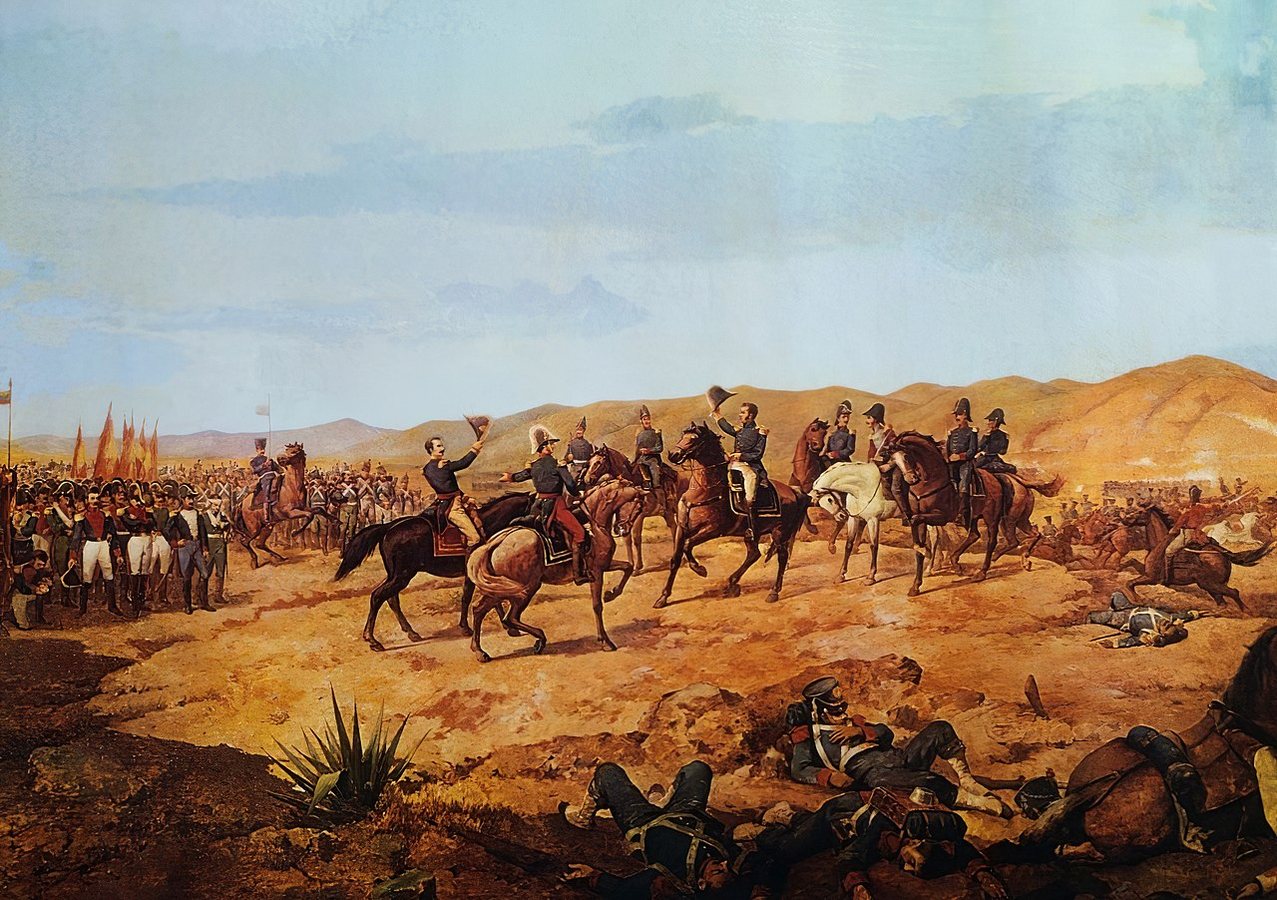


Peruvian territory hosted several cultures over thousands of years, and the country has one of the longest histories of civilization in the world. The Caral-Supe civilization, among the earliest in the Americas, was followed by cultures such as the Nazca, Moche, Wari, and Tiwanaku, and then the Inca Empire, the largest known state in the pre-Columbian Americas. Spanish conquistadors conquered the region in the 16th century, and the Spanish crown established a viceroyalty with its capital in Lima. The National University of San Marcos, founded in Lima in 1551, is the oldest university in the Americas.
Independence and modern politics



Peru declared independence from Spain in 1821 and completed it in 1824 after decisive military campaigns, including the Battle of Ayacucho. Throughout the 20th century the country faced political and social instability, an internal conflict between the state and guerrilla groups, and periods of economic growth. Under Alberto Fujimori in the 1990s, Peru shifted toward neoliberal economics, a legacy that still shapes its governance. Peru is today a representative democratic republic divided into 25 regions.
Economy and culture


Peru's main economic activities include mining, manufacturing, agriculture, and fishing, along with growing sectors such as telecommunications and biotechnology. Its population includes Mestizos, Amerindians, White people, Afro-descendant people, and Asian people, and Spanish is the main language, alongside Quechuan languages and Aymara. This blend of traditions has shaped its art, literature, and music, and Lima is now widely regarded as a global culinary capital.