
Pedro II was the second and final emperor of the Empire of Brazil, reigning from 1831 until he was deposed in a military coup in 1889. Known as "the Magnanimous," he presided over the longest and most stable reign in Brazilian history. Under his rule Brazil became a consolidated and internationally respected power, with a constitutional parliamentary system, economic growth and freedom of speech. He also supported the abolition of slavery, a defining achievement of his reign, and is often ranked among the greatest statesmen in Brazilian history.
Early life


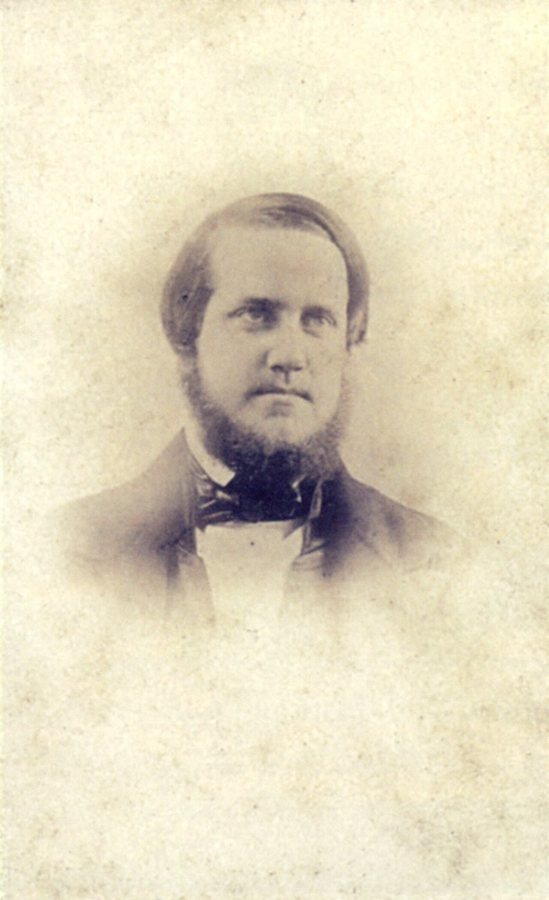


Pedro was born in Rio de Janeiro in 1825, the seventh child of Emperor Pedro I and Empress Maria Leopoldina. When his father abdicated and left for Europe in 1831, the five-year-old prince became emperor, and a period of regency followed, marked by political instability. His childhood was dominated by demanding study and few friends. Politicians declared him of age in 1840, when he was fourteen, and he was crowned the following year. His loneliness in youth left him shy, and he came to see books as a refuge.
Reign and achievements


Once in power, Pedro II brought stability to a government that had been plagued by factional disputes and revolts. Brazil fought successful conflicts such as the Platine, Uruguayan and Paraguayan wars, and resolved many internal revolts and diplomatic disputes. He was a patron of education, culture and science, which earned him recognition abroad as an enlightened ruler. Despite resistance from powerful interests, he ultimately backed the abolition of slavery in Brazil.
Deposition and legacy


In 1889 a coup led mainly by military elites favoring a republic overthrew him, with limited popular support. He accepted exile without resistance and spent his final years in Europe. The succeeding republican government actively discredited the monarchy, but later historians viewed the imperial era more favorably. His remains were repatriated to Brazil with national honors, and many consider him the greatest Brazilian ruler.