factograf
EN
Sign in

early Christian apostle and missionary (c. AD 5 – c. 64/65)

Paul the Apostle

Paul the Apostle

Paul the Apostle, born Saul of Tarsus, was a Christian apostle who spread the teachings of Jesus in the first century AD. Although he was not one of the Twelve Apostles and did not know Jesus during his lifetime, he is regarded as one of the most important figures of the Apostolic Age. He founded several Christian communities in Asia Minor and Europe between the mid-40s and mid-50s AD, and fourteen of the 27 books of the New Testament have traditionally been attributed to him.

Life and conversion

Fresco of Saint Paul at Ephesus
The Apostle Paul, portrait by Rembrandt (c. 1657)
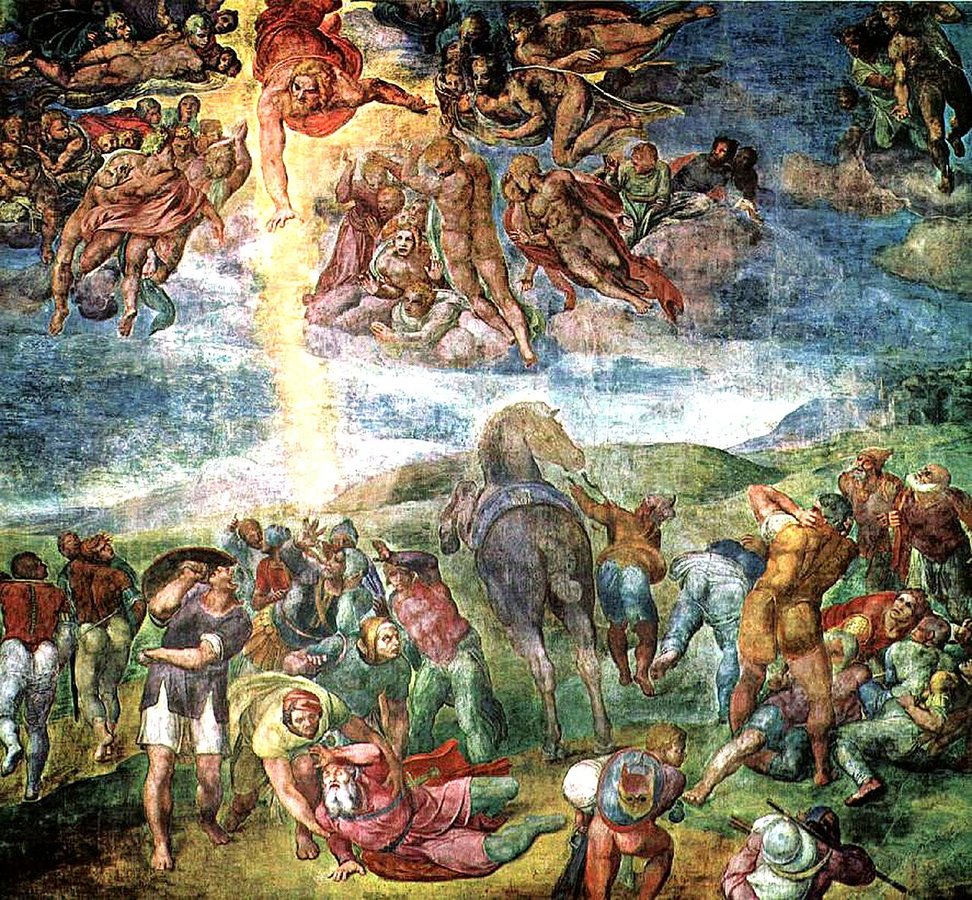
The Conversion of Saul, a fresco by Michelangelo, developed between 1542 and 1545
Geography relevant to Paul's life, stretching from Jerusalem to Rome
Conversion on the Way to Damascus, a 1601 portrait by Caravaggio
The Conversion of Saint Paul on the Way to Damascus, a c. 1889 portrait by Almeida Júnior
What is believed to be the house of Ananias of Damascus in Damascus
Bab Kisan, believed to be where Paul escaped persecution in Damascus
Map of St. Paul's missionary journeys
St. Paul in Athens delivering the Areopagus sermon, a 1515 portrait by Raphael
The Preaching of Saint Paul at Ephesus, a 1649 portrait by Eustache Le Sueur
St. Paul's arrest, depicted in an early 1900s Bible illustration
12 images

According to the Acts of the Apostles, Paul was a Pharisee who took part in the persecution of early followers of Jesus. On his way to arrest Christians in Damascus, he reportedly saw a bright light, heard Christ speak, lost his sight, and was later healed by Ananias. After being baptized, he began proclaiming that Jesus of Nazareth was the Jewish messiah and the Son of God. He then undertook three missionary journeys to bring the Christian message to non-Jewish communities.

Sources and writings

A Greek Orthodox mural painting of St. Paul
Paul the Apostle, detail of the mosaic in the Basilica of San Vitale, Ravenna, 6th century
A facial composite of St. Paul created by experts of the Landeskriminalamt of North Rhine-Westphalia using historical sources
Rembrandt Harmensz. van Rijn, 163
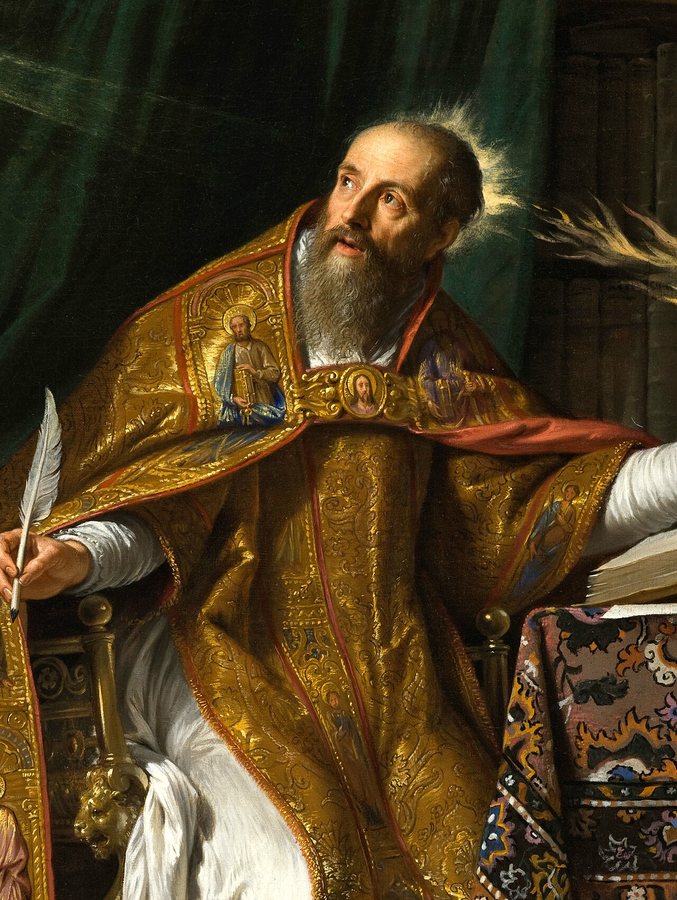
Saint Augustine by Philippe de Champaigne, cropped
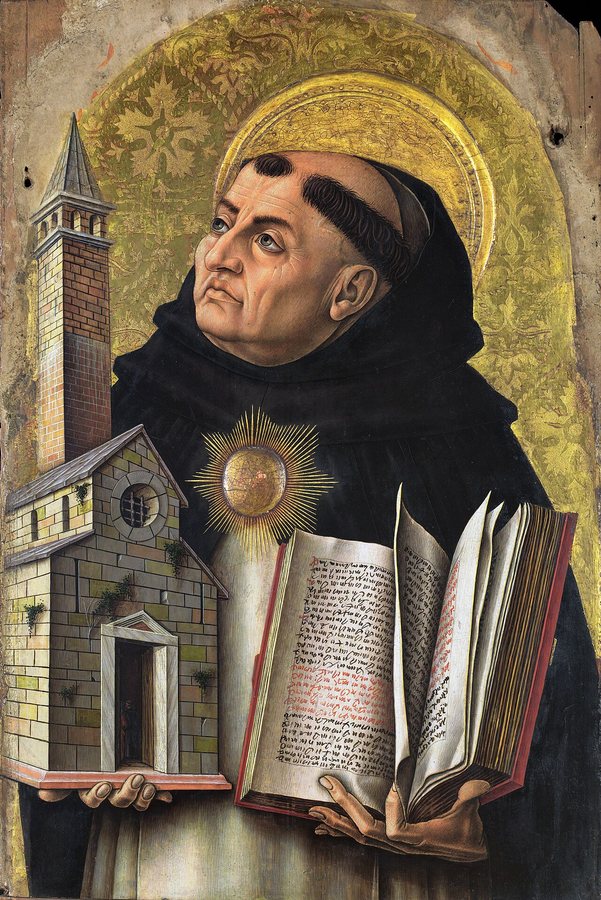
St. Thomas Aquinas, cropped
Duns Scotus painting, cropped
A statue of St. Paul in the Archbasilica of Saint John Lateran by Pierre-Étienne Monnot
Paul Writing His Epistles, a 17th century portrait by Valentin de Boulogne
Eastern Orthodox icon of Apostle Paul by Theophanes the Cretan, 1546
Byzantine ivory relief, 6th to early 7th century, Musée de Cluny
A 16th century portrait of Paul the Apostle attributed to Lucas van Leyden
12 images

The main sources for Paul's life are his own letters and the Acts of the Apostles, though the letters say little about his past and Acts omits some events, such as his probable execution in Rome. Scholars generally accept seven of the letters attributed to him as authentic, while others are considered pseudepigraphical or debated. Paul's letters remain foundational to the theology, worship, and pastoral life of Western and Eastern Christian traditions, and his interpretation of faith and Jewish law has been central to debates within Christianity.

In 152 languages

Редакція Factograf · Published October 14, 2026 · Partly based on Wikipedia, CC BY-SA 4.0 · Source article