factograf
EN
Sign in

sovereign state in South America

Paraguay

Paraguay

Paraguay, officially the Republic of Paraguay, is a landlocked country in the central region of South America, bordered by Bolivia, Brazil and Argentina. It has access to the Atlantic Ocean through the Paraná–Paraguay Waterway and is governed as a unitary presidential republic. Its capital and largest city is Asunción, and the country dates its independence from Spain to 1811. Paraguay is a developing nation with a population of about 6 million, most of whom are mestizo, and Guaraní culture and language remain widely influential.

Colonial and Jesuit era
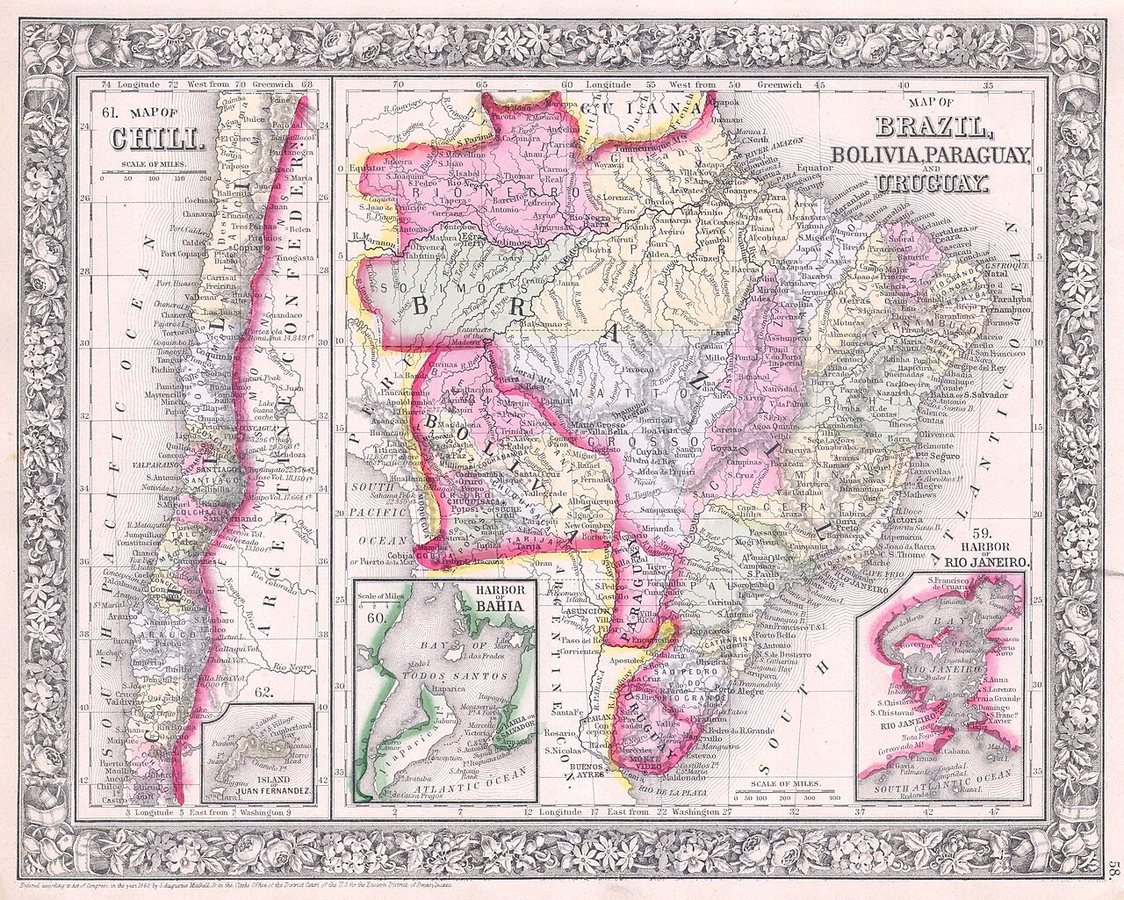
Political map of the region, 1864
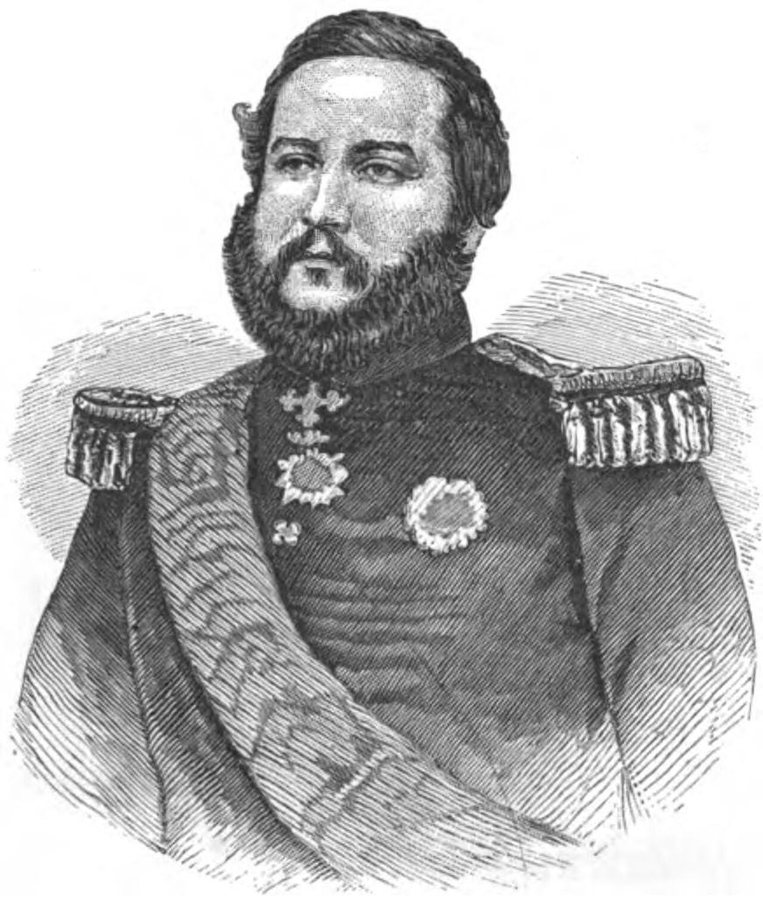
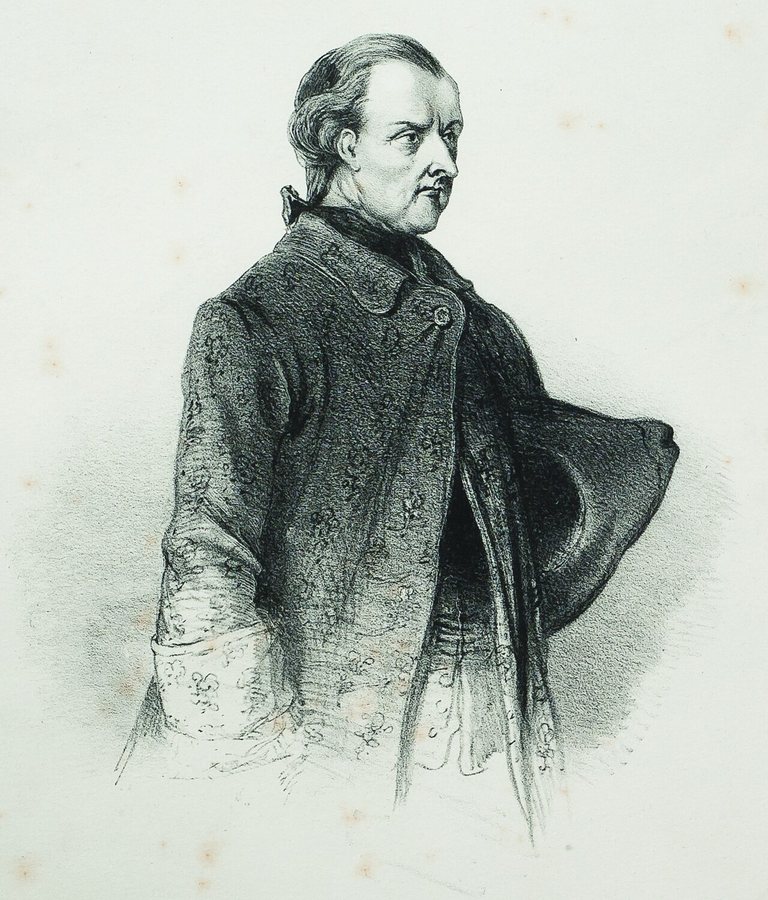
Francisco Solano López
The Battle of Tuyutí, May 1866
Gran Chaco was the site of the Chaco War (1932–35), in which Bolivia lost most of the disputed territory to Paraguay
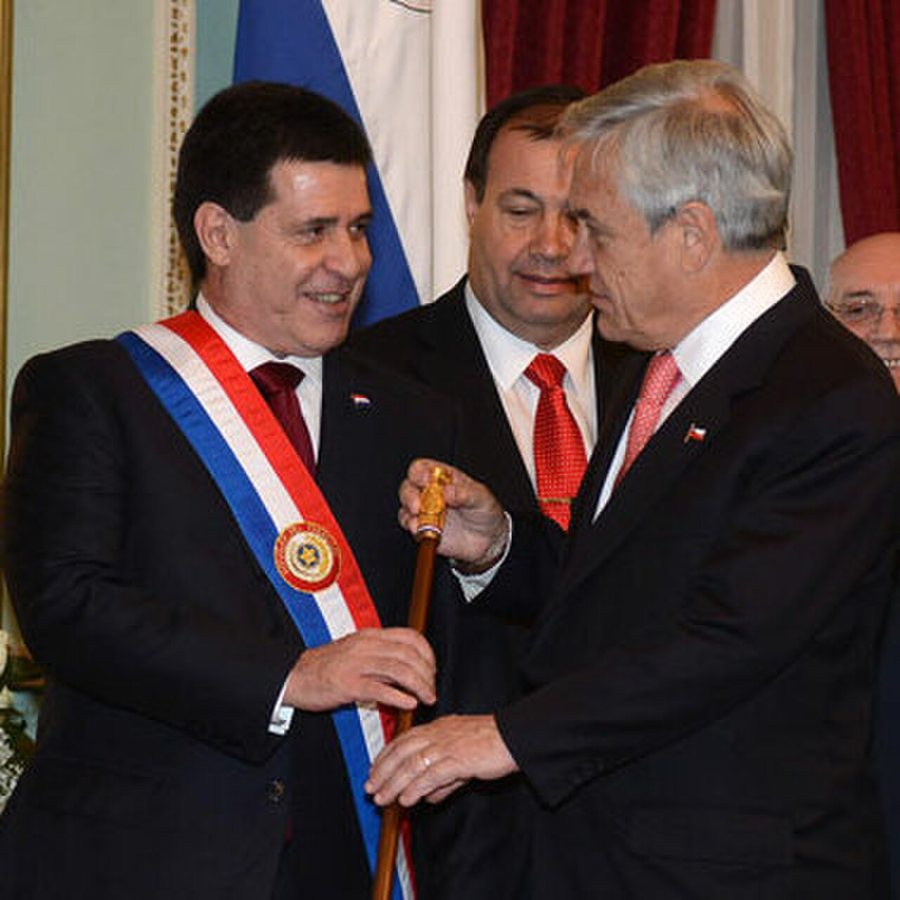
Inauguration of former President Horacio Cartes, 15 August 2013
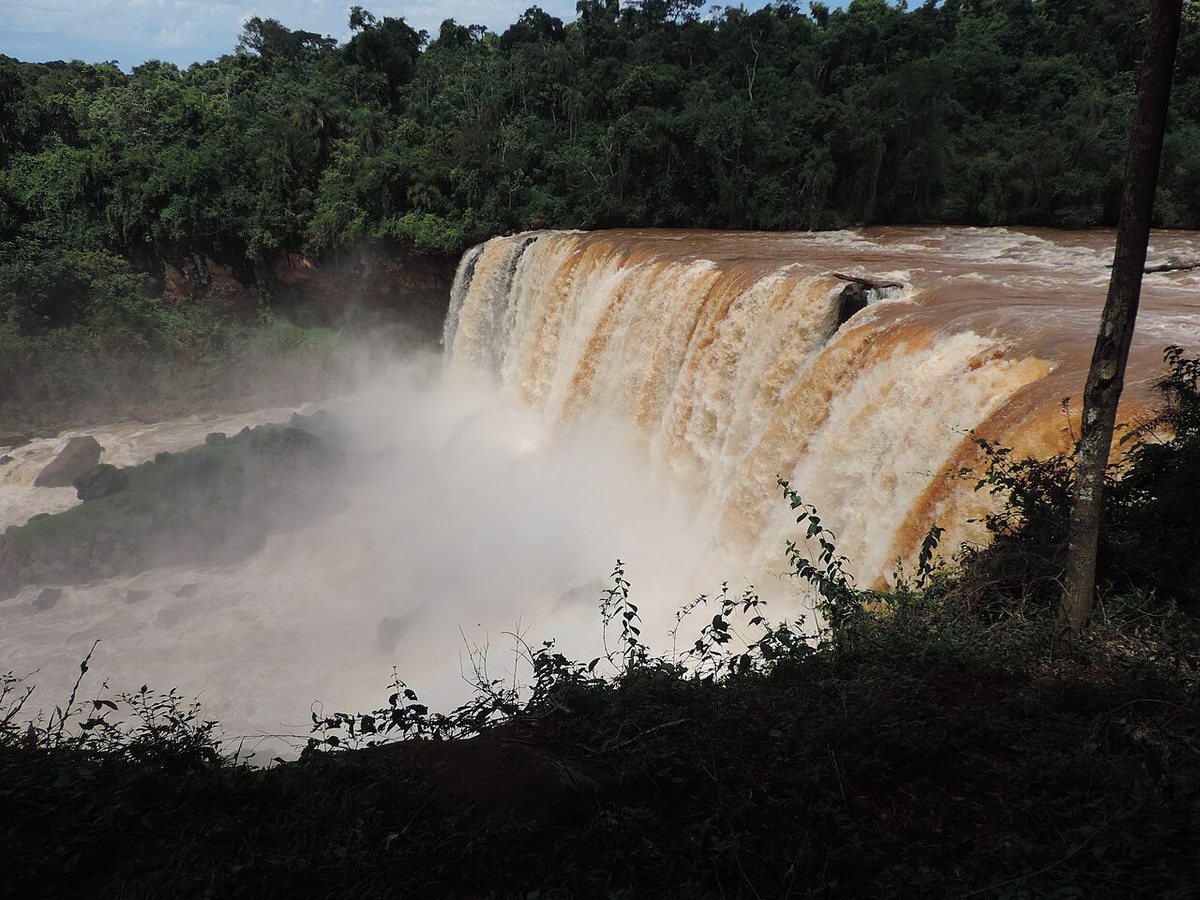
Nacunday National Park, Southern Paraguay
6 images

Indigenous Guaraní peoples lived in eastern Paraguay for at least a millennium before Spanish explorers arrived in 1537, when the settlement of Asunción was founded. During the seventeenth and eighteenth centuries, Jesuit missions known as reducciones gathered Guaraní communities, offering protection from Spanish settlers and Portuguese slave raiders while promoting Christian conversion. The missions flourished for about 150 years until the Jesuits were expelled by the Spanish Crown in 1767, after which Paraguay increasingly became a peripheral colony.

Authoritarian rule and wars
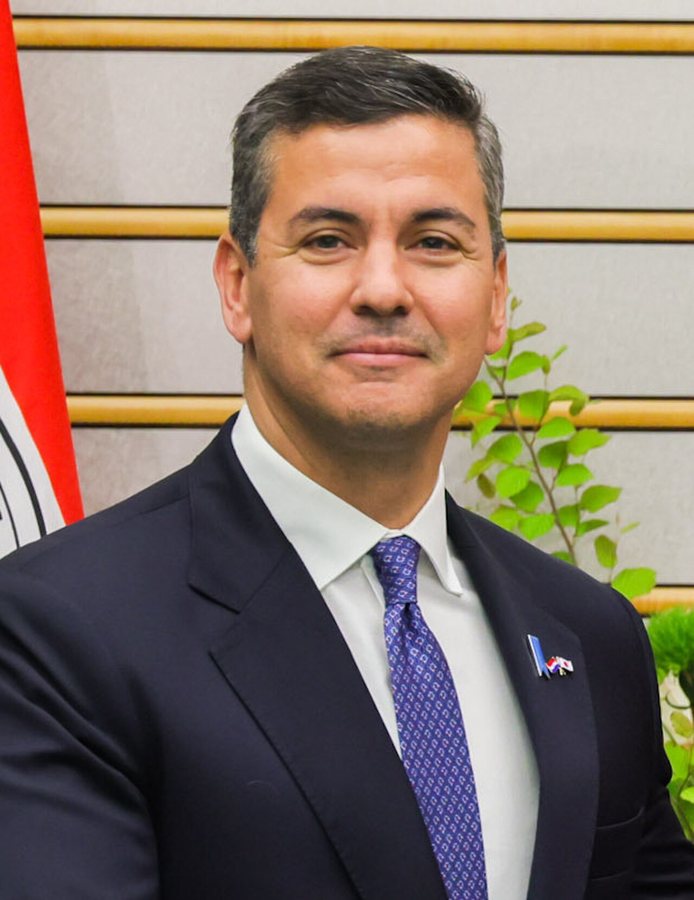
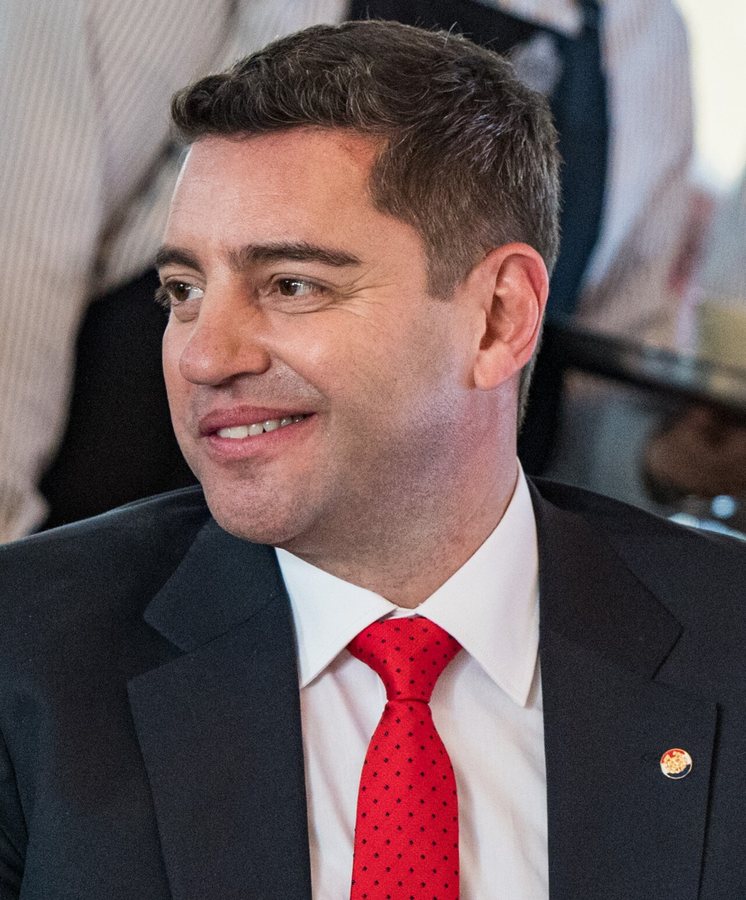
Shigeru Ishiba and Santiago Peña at the Japanese Kantei 2025
Vice-presidential special envoys attend the inauguration of new Paraguayan president Peña and related celebrations, 2023
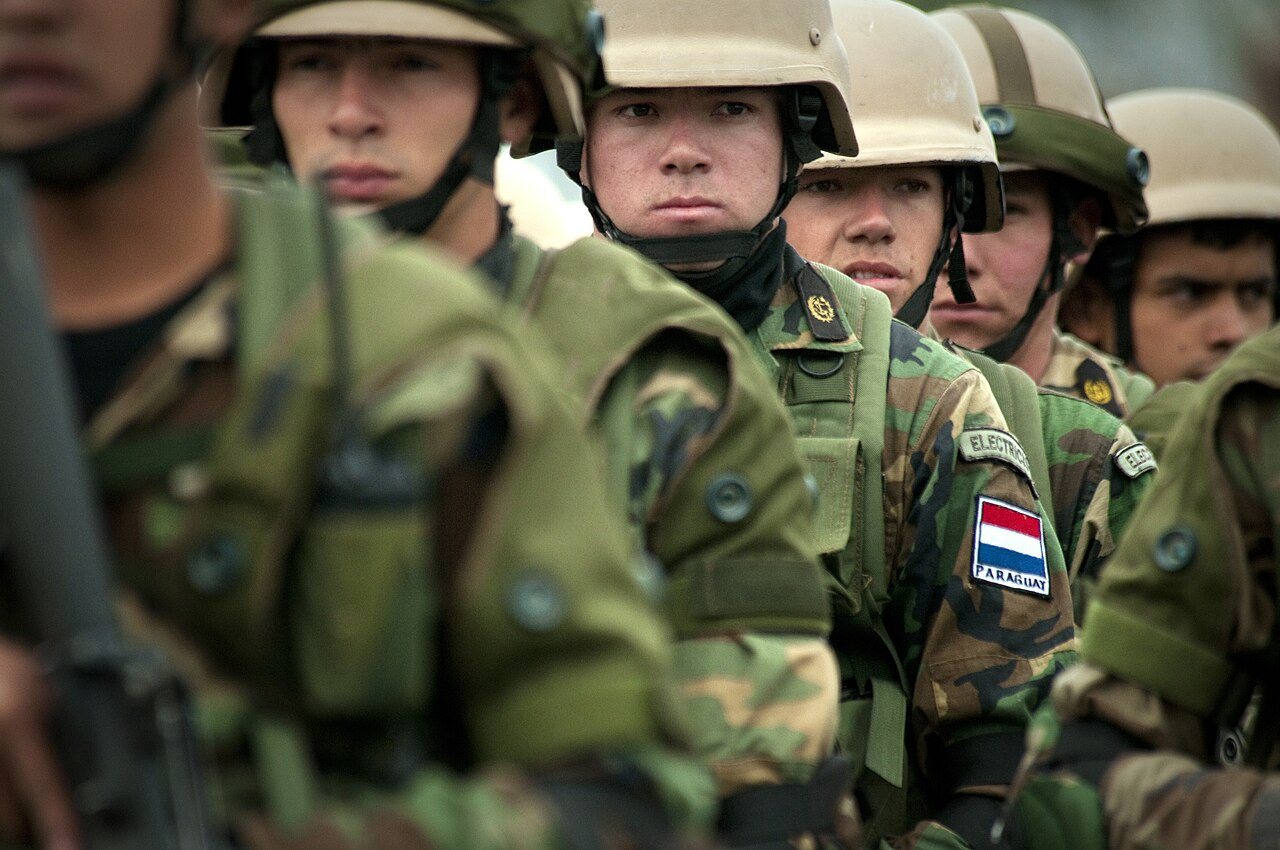
Paraguayan marines at Ancon Marine Base
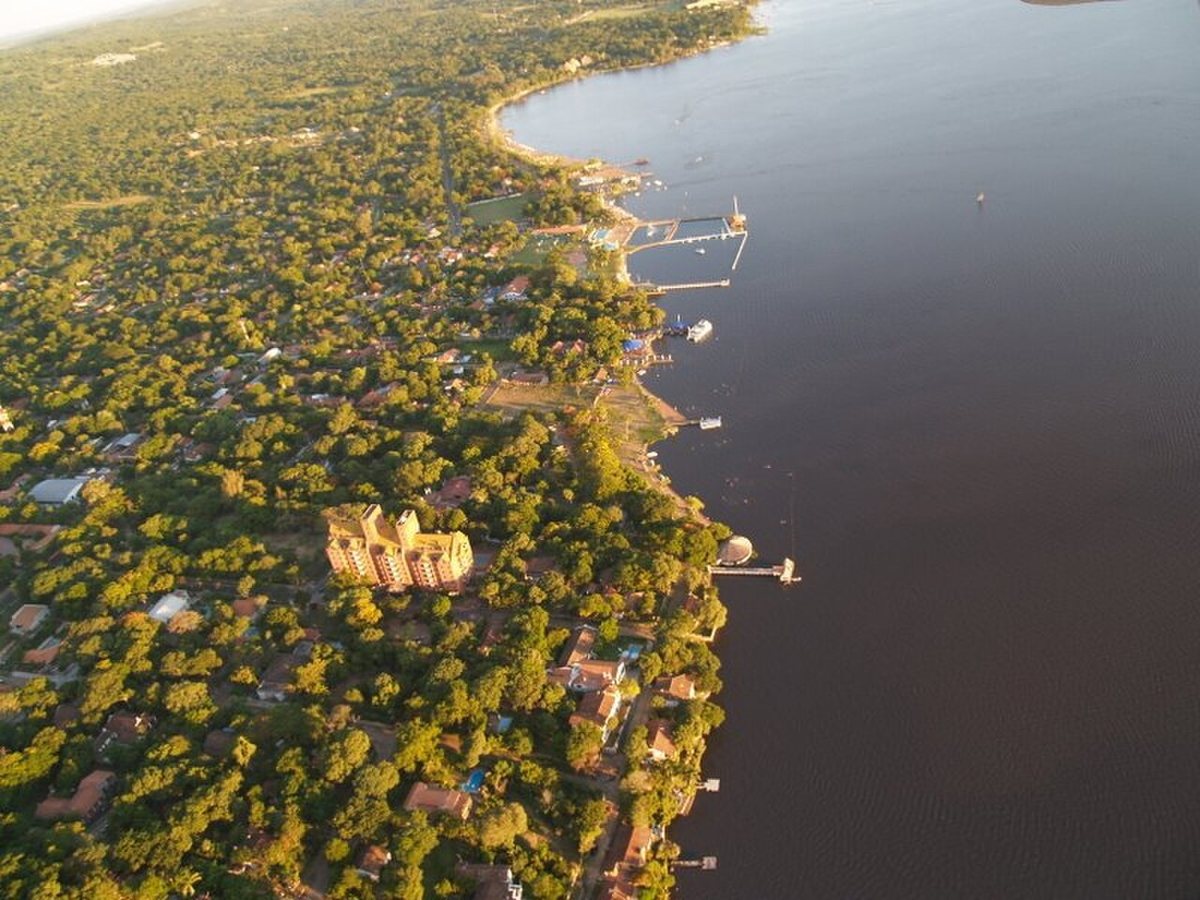
San Bernardino, one of Paraguay's most important resort towns, was founded by German settlers in the 19th century and has one of the highest purchasing power parities in the country.
Road system in South America, with divided highways highlighted in red.
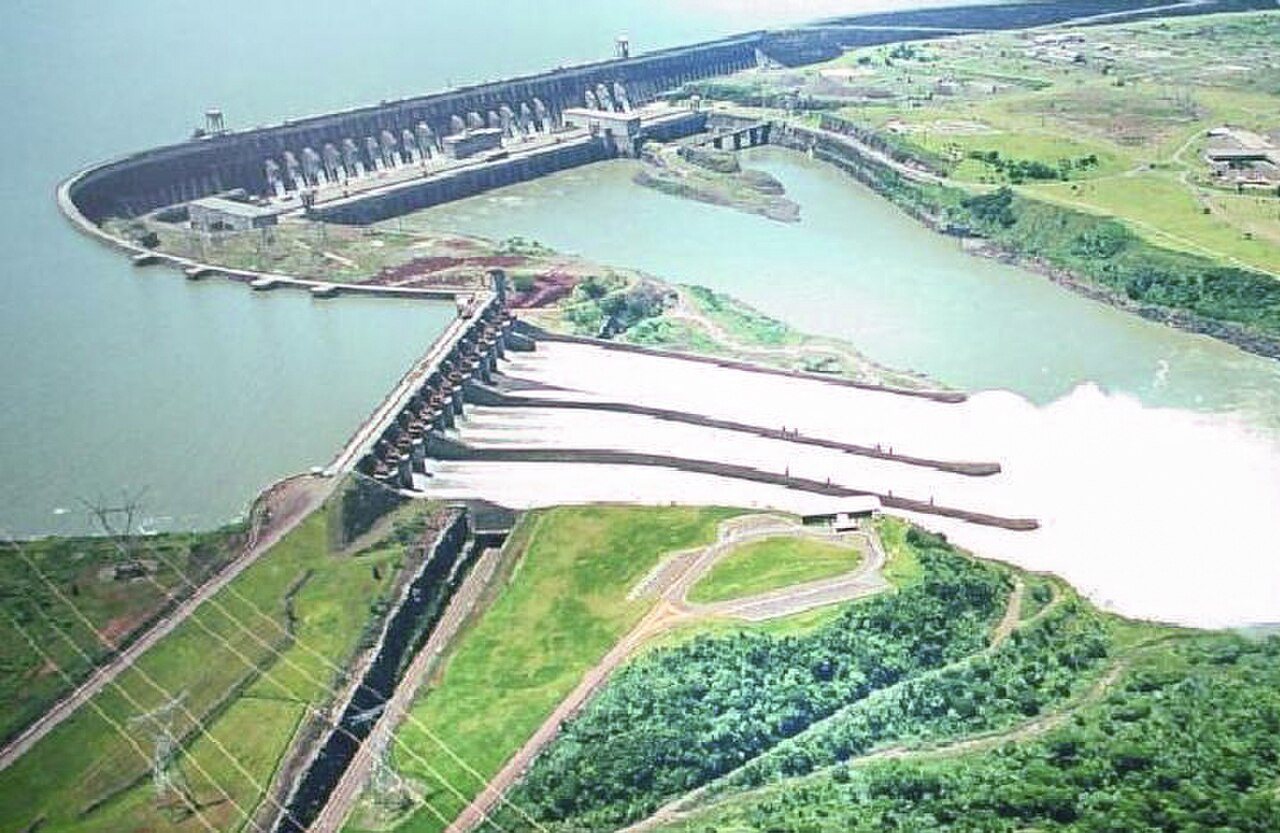
Itaipu Dam, a binational undertaking run by Brazil and Paraguay at the border between the two countries
6 images

After independence, Paraguay was governed by a series of authoritarian leaders, beginning with José Gaspar Rodríguez de Francia, who ruled until 1840 with little outside contact. The Triple Alliance War (1864–1870) was devastating, with the country losing about half its prewar population and a significant share of its territory. Military rule continued into the twentieth century until Alfredo Stroessner was overthrown in 1989, opening the country's current democratic era.

Economy and culture today
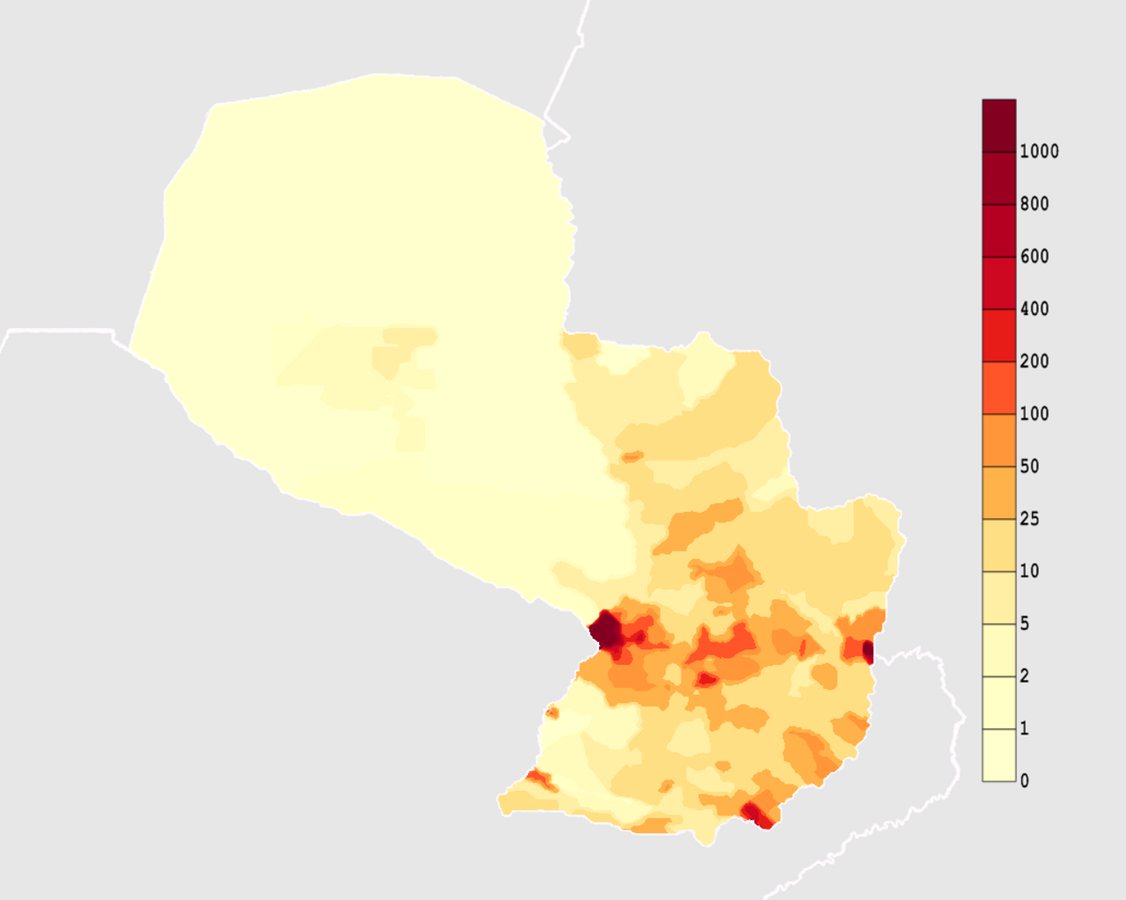
Paraguay population density (people per km2)
A gathering in Caacupé
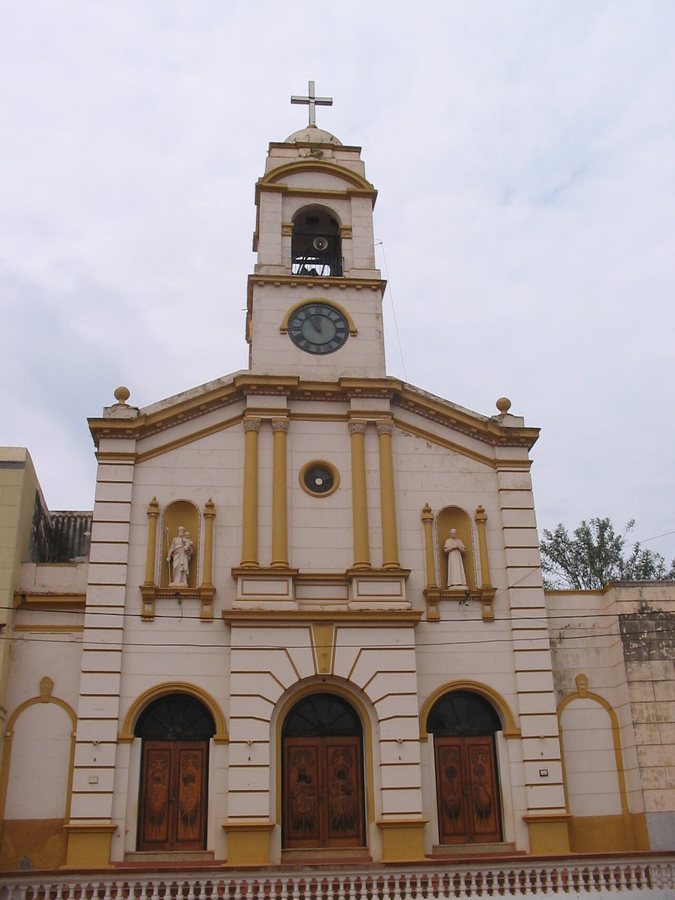
Main Catholic Chapel in Concepción, Paraguay
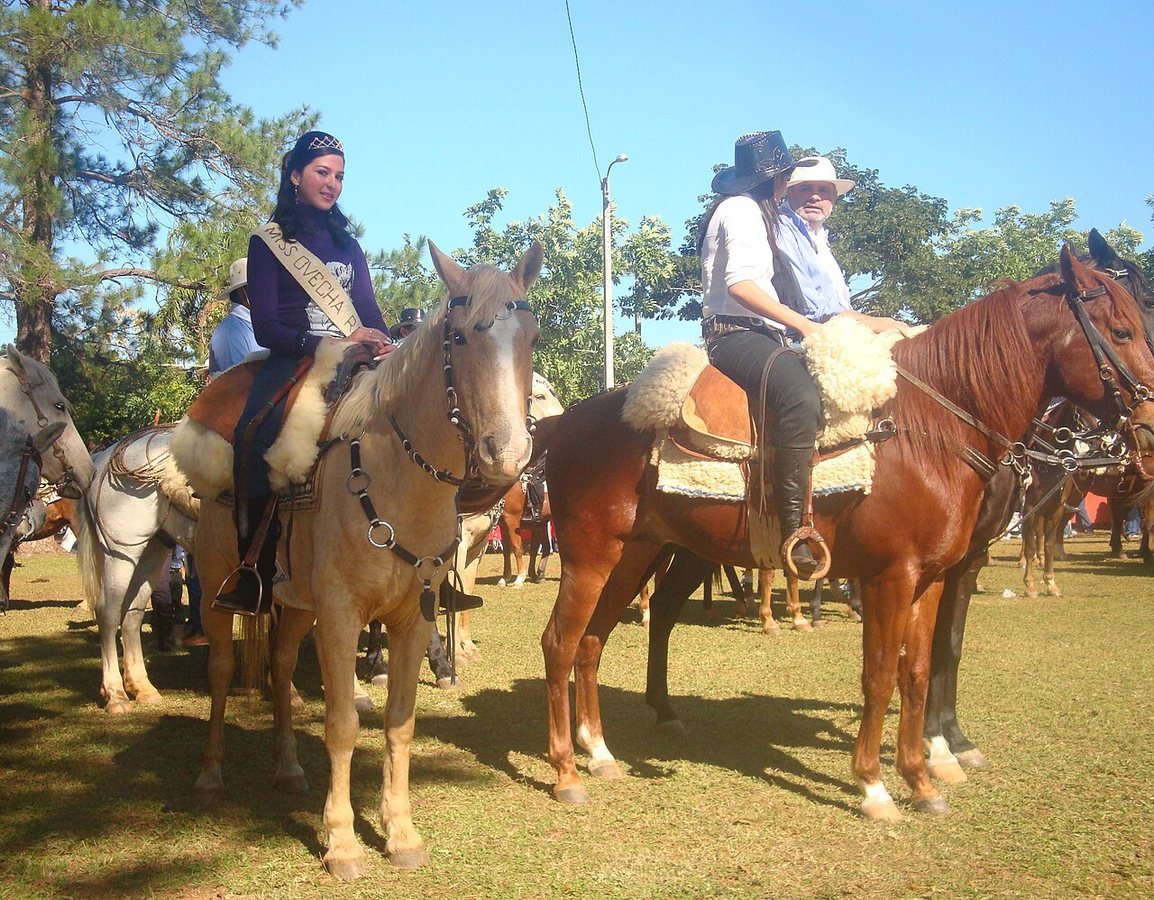
Ovecha Ragué Festival
Estadio Defensores del Chaco
5 images

Paraguay's economy has been driven by beef and soybean exports, manufacturing and construction, and it is a major exporter of hydroelectricity from the Itaipu Dam, shared with Brazil. The country is a founding member of Mercosur and the United Nations. More than 90 percent of the population speaks Guaraní alongside Spanish, the highest rate of fluency in an indigenous language in Latin America.

In 257 languages

EnglishČeštinaDeutschEspañolFrançaisItaliano日本語PolskiPortuguêsРусскийУкраїнська中文AbkhazianAcehneseAdygheAfrikaansShqipAmiአማርኛOld EnglishAngikaAragoneseالعربيةMoroccan ArabicEgyptian ArabicAsturianuKotavaAwadhiAymaraAzbAzərbaycanBalineseBavarianbat-smgБашҡортBatak TobaBikolБеларускаяBetawiБългарскиBhojpuriBislamaবাংলাབོད་སྐད་BishnupriyaBrezhonegBosanskiБуряадCatalàcbk-zamCdoCebuanoНохчийнکوردیی ناوەندیCorsicanCrimean TatarKashubianЧӑваш чӗлхиCymraegDagDanskZazaDolnoserbšćinaDtyDivehiརྫོང་ཁEʋegbeΕλληνικάEsperantoEestiEuskaraExtremaduranفارسیPulaarfiu-vroSuomiFijianFøroysktArpitanNorthern FrisianFurlanFryskGagauzGaeilgeGcrGàidhligGilakiGalegoGuaraniकोंकणीGothicગુજરાતીGaelgHakka ChineseHausaʻŌlelo HawaiʻiעבריתFiji Hindiहिन्दीHrvatskiHornjoserbšćinaHaitian CreoleMagyarՀայերենInterlinguaBahasa IndonesiaInterlingueIgboIlokoIdoIsvÍslenskaJamaican Creole EnglishLojbanJawaKara-KalpakTaqbaylitქართულიKabardianKbpKongoҚазақшаKanuriಕನ್ನಡ한국어Karachay-BalkarکٲشُرKurdî (kurmancî)KernewekКыргызчаLadinoLatinLëtzebuergeschLezghianLingua Franca NovaLugandaLigureLimburgishLldLombardLingálaລາວLatgalianLietuviųLatviešuMadureseमैथिलीmap-bmsMokshaMalagasyMariMinangkabauMāoriМакедонскиമലയാളംমৈতৈলোন্МонголWestern MariमराठीMelayuMaltiMirandeseမြန်မာمازرونیNeapolitanNeddersass’sch (Nedderlannen)Neddersass’schनेपालीNewariNederlandsNorsk nynorskNovialNorskNupNyanjaOccitanOloOromooИронPangasinanPampangaPapiamentoਪੰਜਾਬੀPicardPennsylvania GermanPiemontèisWestern PanjabiپښتوRunasimiRkiRumantschRomanyRomânăRusynIkinyarwandaСаха тылаᱥᱟᱱᱛᱟᱲᱤसंस्कृत भाषाSicilianuScotsSarduسنڌيDavvisámegiellaတႆးSrpski (latinica)සිංහලSlovenčinaSlovenščinaAnarâškielâSamoanChiShonaSoomaaliShqipСрпскиSaterland FrisianBasa SundaSvenskaKiswahiliŚlōnskiSzyதமிழ்TayTetumతెలుగుТоҷикӣไทยትግርኛTürkmen diliFilipinoTalyshToki ponaLea fakatongaTok PisinTarokoTürkçeТатарTumbukaUdmurtئۇيغۇرچەاردوO‘zbekVenetoVepsTiếng ViệtWest FlemishVolapükWarayWalloonWolofWu ChineseIsiXhosaMingrelianייִדישÈdè YorùbáVahcuenghZeelandiczh-yue

Редакція Factograf · Published October 14, 2026 · Partly based on Wikipedia, CC BY-SA 4.0 · Source article