factograf
EN
Sign in

empire with the monarchs from the Ottoman dynasty (1299–1922)

Ottoman Empire

Ottoman Empire

The Ottoman Empire, also known historically as Turkey or the Turkish Empire, was a state that spanned much of Southeastern Europe, West Asia, and North Africa from the 14th century to the early 20th century, with its centre in modern-day Turkey. Emerging from a principality in northwestern Anatolia, it became a transcontinental power that ended the Byzantine Empire by capturing Constantinople in 1453. Ruling diverse peoples, it became a global power under Suleiman the Magnificent in the 16th century before declining and ending in 1922.

Rise and expansion

Ottoman Empire in 1481
Ottoman Empire in 1566
Main map of the Ottoman Empire
Ottoman Empire in 1739
Ottoman Empire in 1914
Ottoman miniature of Osman I by Yahya Bustanzâde (18th century)
The Battle of Nicopolis in 1396, as depicted in an Ottoman miniature from 1523
Sultan Mehmed the Conqueror's entry into Constantinople; painting by Fausto Zonaro (1854–1929)
Emperor Suleiman
Emperor Suleiman
Titian's portrait of a woman known as La Sultana Rossa
Ottoman miniature of the Battle of Mohács in 1526
Ottoman admiral Barbarossa Hayreddin Pasha defeated the Holy League of Charles V, commanded by Andrea Doria, at the Battle of Preveza in 1538.
12 images

The empire grew from a small principality founded around 1299 by Osman I, from whom the name Ottoman derives. His successors conquered much of Anatolia and expanded into the Balkans by the mid-14th century. Capturing Bursa and later Constantinople under Mehmed II transformed the petty state into a major power. Its capital at Constantinople gave it control over much of the Mediterranean Basin, placing it at the centre of relations between the Middle East and Europe for six centuries.

Decline and reform

The monarchs of Europe in Paris at the 1867 Universal Exposition, with Sultan Abdulaziz second from right, a fictional representation
The Ottoman Empire in 1875 under Sultan Abdulaziz
Declaration of the Young Turk Revolution by the leaders of the Ottoman millets in 1908
Admiral Wilhelm Souchon, who commanded the Black Sea raid on 29 October 1914, and his officers in Ottoman naval uniforms
The Armenian genocide resulted from the Ottoman government's deportation and ethnic cleansing policies against its Armenian citizens during World War I, with estimated deaths ranging widely from 600,000 to 1.5 million.
Mehmed VI, the last Sultan of the Ottoman Empire, leaving the country after the abolition of the sultanate, 17 November 1922
W. & A.K. Johnston map of Asia Minor, 1911
Topkapı Palace, Istanbul
Dolmabahçe Palace, Istanbul
Ambassadors at the Topkapı Palace
Yusuf Ziya Pasha, Ottoman ambassador to the United States, in Washington, D.C., 1913
An unhappy wife complaining to the Qadi about her husband's impotence, as depicted in an Ottoman miniature; divorce is allowed in Islamic law and can be initiated by either spouse.
12 images

Modern scholars generally date the decline to the defeat at the Second Siege of Vienna in 1683, although the economy and military remained strong into much of the 18th century. Losses to Austria and Russia, combined with rising nationalism in the Balkans, reduced its territory. Reforms during the 19th century, including the Tanzimat, aimed to strengthen the state. Attempts at constitutional government in 1876 and again in 1908 were followed by increasingly authoritarian rule.

Final years

İzmir under Ottoman rule in 1900
View of Galata (Karaköy) and the Galata Bridge on the Golden Horn, c. 1880–1893
The town of Safranbolu, one of the best-preserved Ottoman villages
1911 Ottoman calendar shown in several languages, including Ottoman Turkish, Greek, Armenian, Hebrew, Bulgarian and French
Abdülmecid II, the last caliph of Islam and a member of the Ottoman dynasty
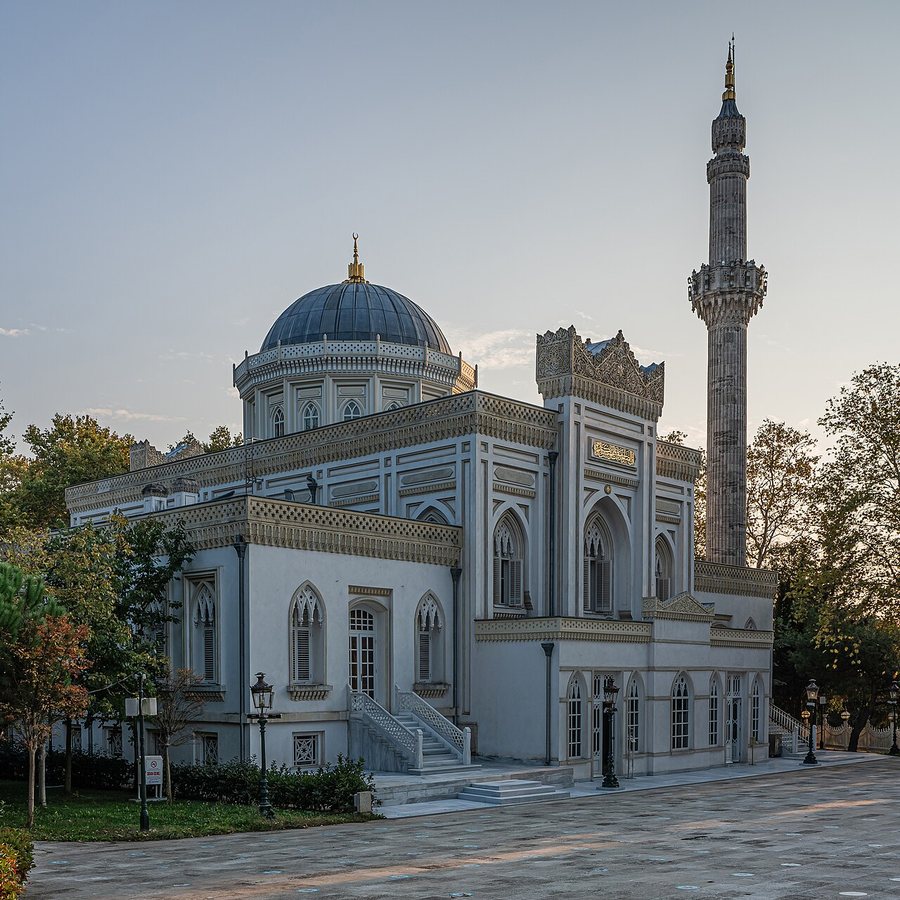
The Yıldız Hamidiye Mosque in Istanbul, Turkey
Mehmed the Conqueror and Patriarch Gennadius II
Ethnic map of the Ottoman Empire in 1917
The original Church of St. Anthony of Padua in Istanbul, built in 1725 by the local Italian community
Hemdat Israel Synagogue of Istanbul
The Beyazıt State Library, founded in 1884
Ahmet Nedîm Efendi, one of the most celebrated Ottoman poets
12 images

The Committee of Union and Progress joined World War I on the side of the Central Powers, and during the war the government carried out mass killings and deportations of Armenians, Assyrians, and Greeks. After the war, Allied powers occupied and partitioned the empire. The Turkish War of Independence, led by Mustafa Kemal Atatürk, ended the sultanate in 1922, and the successor state took the name Turkey.

In 187 languages

EnglishČeštinaDeutschEspañolFrançaisItaliano日本語PolskiPortuguêsРусскийУкраїнська中文AbkhazianAcehneseAdygheAfrikaansShqipአማርኛOld EnglishOboloAragoneseAramaicالعربيةMoroccan ArabicEgyptian ArabicAsturianuঅসমীয়াAvaricAzbAzərbaycanBavarianbat-smgБашҡортBikolБеларускаяБългарскиবাংলাBrezhonegBosanskiБуряадCatalàCdoНохчийнکوردیی ناوەندیCrimean TatarЧӑваш чӗлхиCymraegDanskZazaΕλληνικάEsperantoEestiEuskaraExtremaduranفارسیfiu-vroSuomiFøroysktNorthern FrisianFurlanFryskGagauzGaeilgeGcrGàidhligGilakiGalegoGuaraniGpeHakka ChineseHausaעבריתFiji Hindiहिन्दीHrvatskiHornjoserbšćinaHaitian CreoleMagyarՀայերենHywInterlinguaIbanBahasa IndonesiaInterlingueIlokoIngushIdoÍslenskaJamaican Creole EnglishJawaTaqbaylitქართულიKabardianTyapҚазақшаខ្មែរಕನ್ನಡ한국어Karachay-BalkarکٲشُرKurdî (kurmancî)KernewekКыргызчаLadinoLatinLëtzebuergeschLezghianLingua Franca NovaLimburgishLldLombardລາວLietuviųLatviešuMadureseMalagasyМакедонскиമലയാളംМонголमराठीMelayuMaltiMirandeseမြန်မာمازرونیNeddersass’sch (Nedderlannen)Neddersass’schनेपालीNewariNederlandsNorsk nynorskNorskߒߞߏNupOccitanИронPapiamentoਪੰਜਾਬੀPalatine GermanPiemontèisWestern PanjabiپښتوRunasimiRomanyRoa (Tara)RomânăRusynСаха тылаSicilianuScotsSarduسنڌيSrpski (latinica)සිංහලSlovenčinaSlovenščinaSoomaaliShqipСрпскиSaterland FrisianBasa SundaSvenskaKiswahiliŚlōnskiதமிழ்తెలుగుТоҷикӣไทยTürkmen diliFilipinoTalyshToki ponaTürkçeТатарئۇيغۇرچەاردوO‘zbekVenetoVepsTiếng ViệtWarayWu ChineseMingrelianייִדישÈdè YorùbáVahcuenghzh-yue

Редакція Factograf · Published October 14, 2026 · Partly based on Wikipedia, CC BY-SA 4.0 · Source article