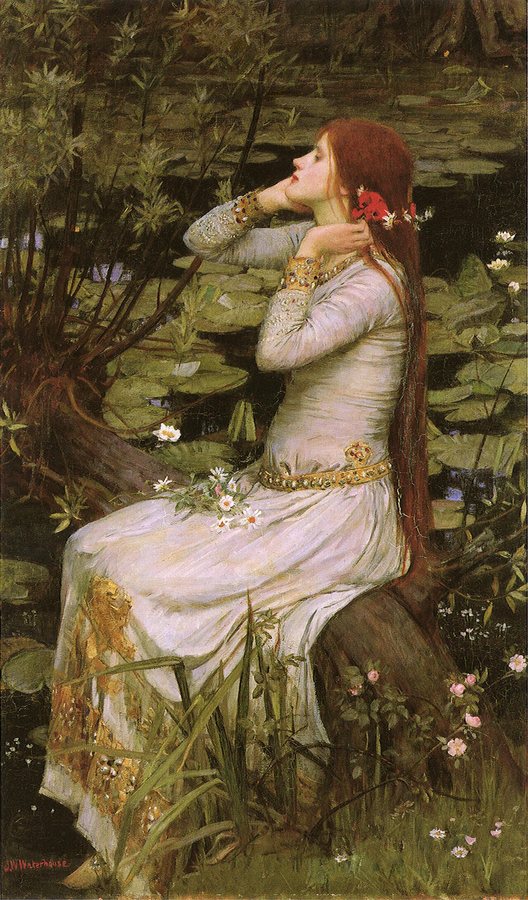
Ophelia is a character in William Shakespeare's drama Hamlet, written between 1599 and 1601. She is a young noblewoman of Denmark, the daughter of Polonius, sister of Laertes and potential wife of Prince Hamlet. Her father persuades her to reject Hamlet, and after Hamlet kills Polonius, she goes mad and drowns in a river. Her story is one of the best-known tragic roles in English drama.
Name and origins
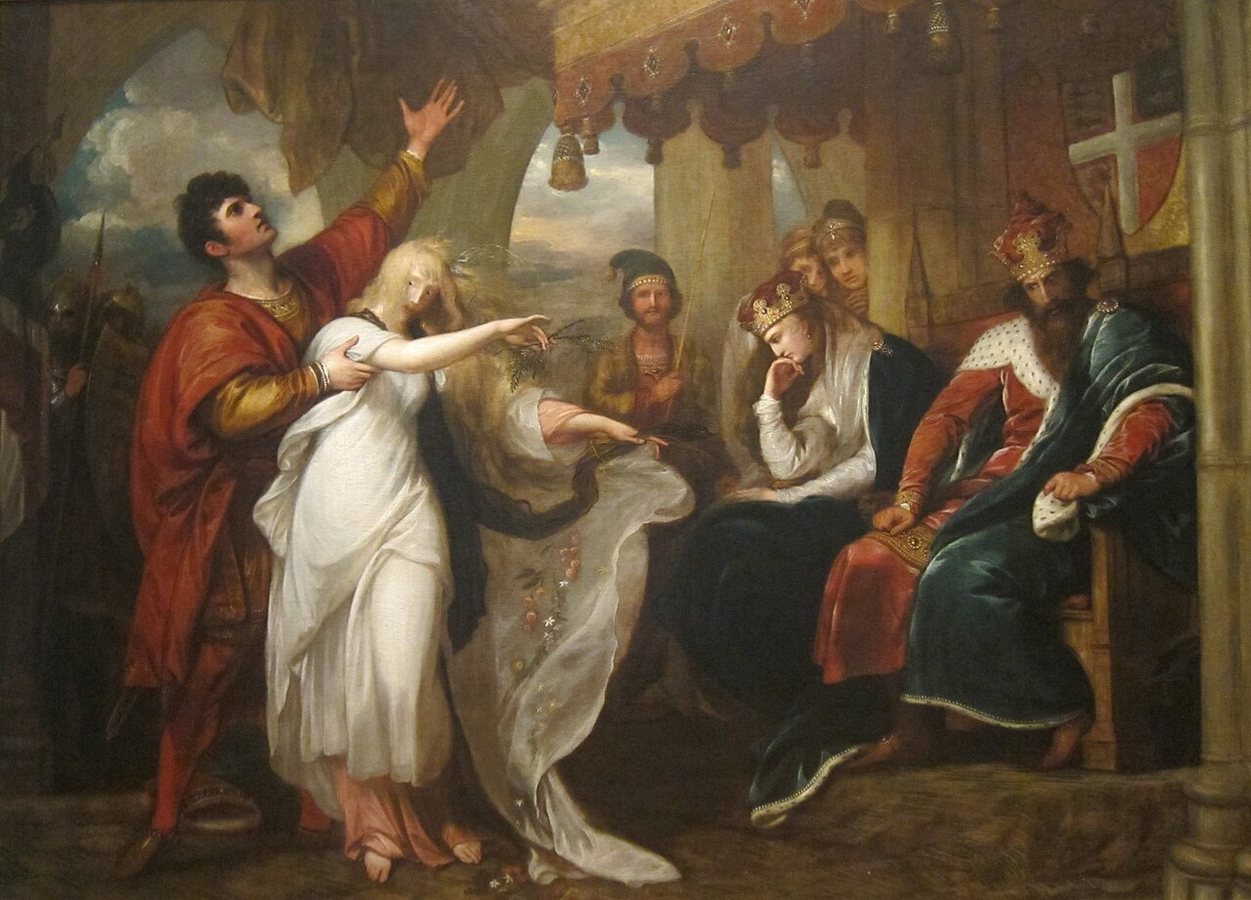

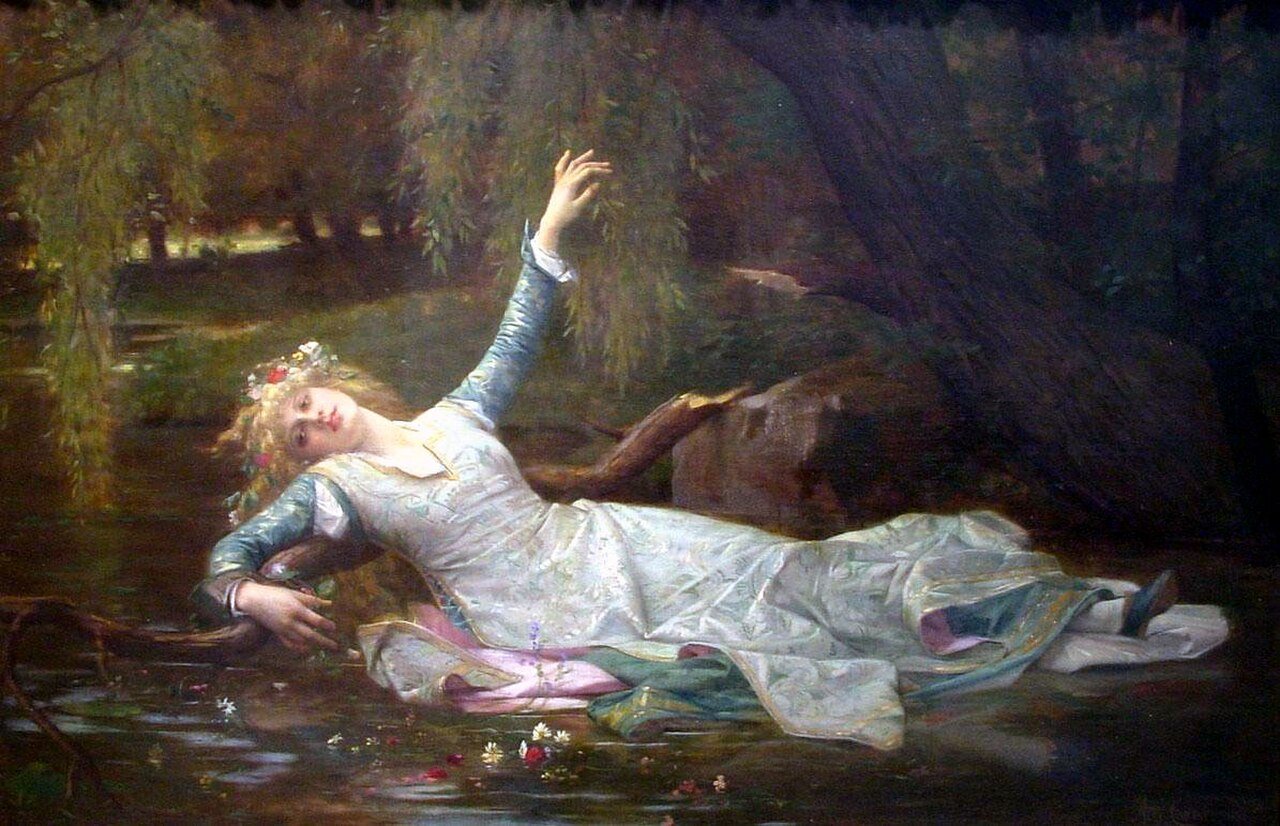
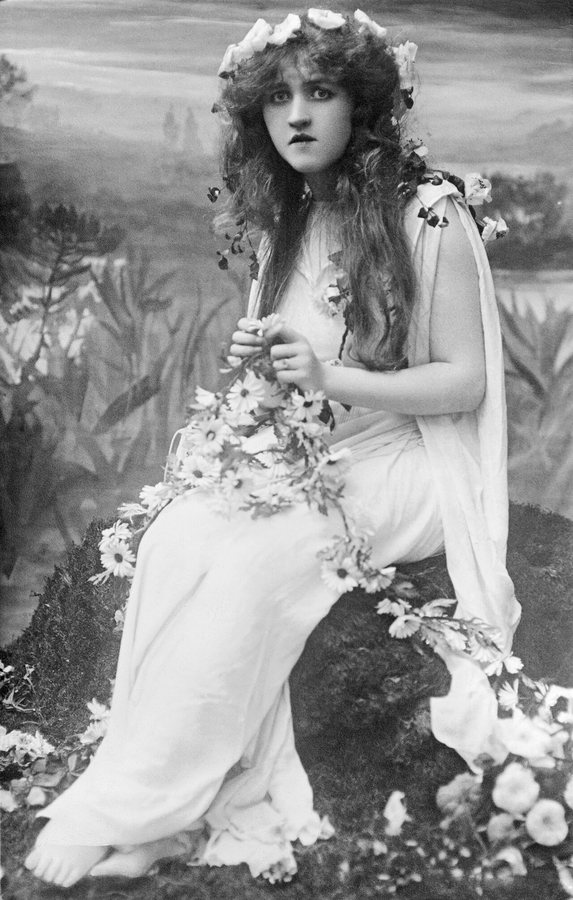
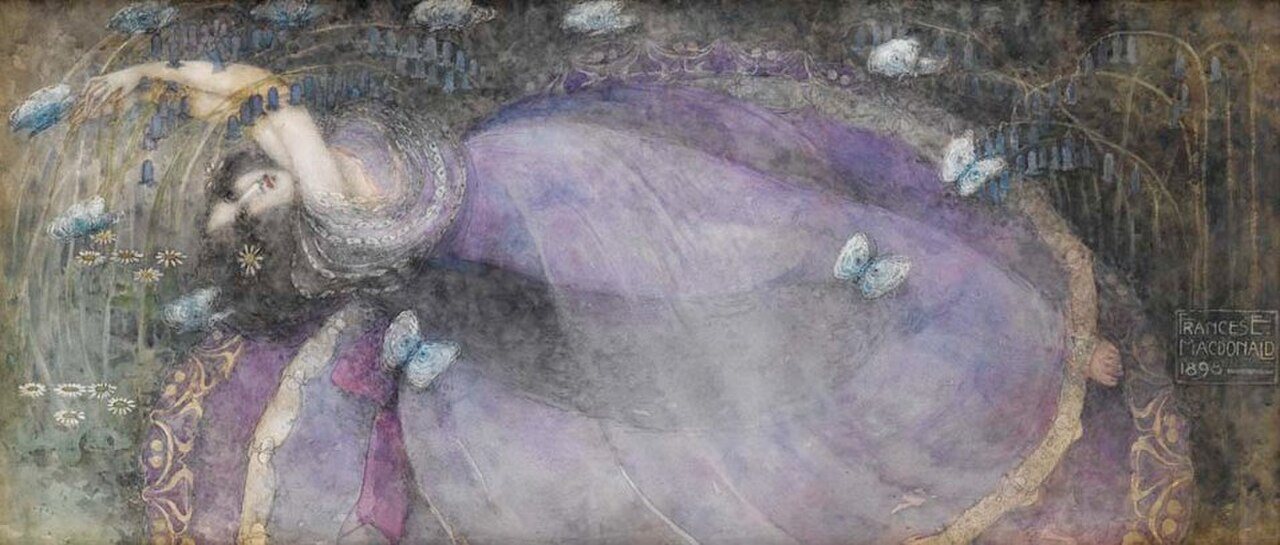
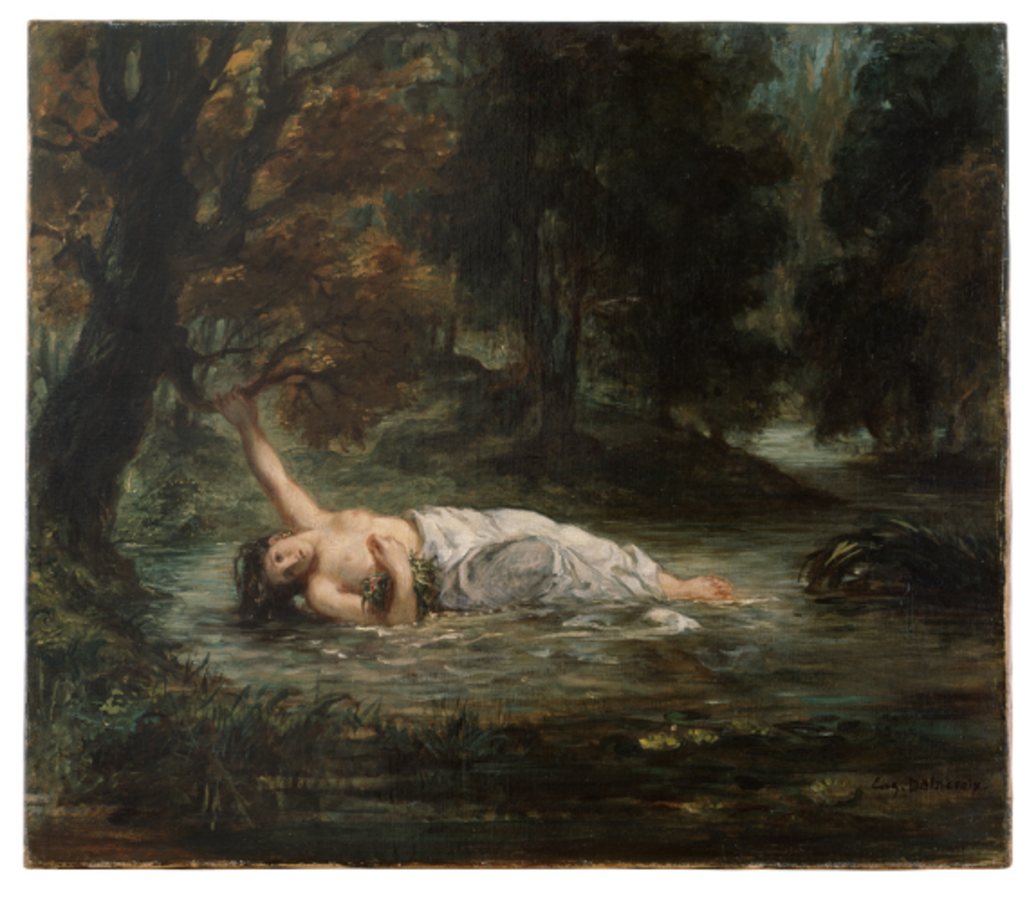
Although the play is set in Denmark, Ophelia's name is not Danish. It first appeared in Jacopo Sannazaro's 1504 poem Arcadia, where it probably derives from the Ancient Greek word for benefit. Shakespeare seems to have created the character himself, though she may have been inspired by a figure in Saxo Grammaticus' earlier tale of Amleth, a prince who feigns madness. Her drowning may also echo a real 1569 accidental drowning of a young girl near Stratford-upon-Avon, recorded in a coroner's report discovered by historians in 2011.
Role in the play

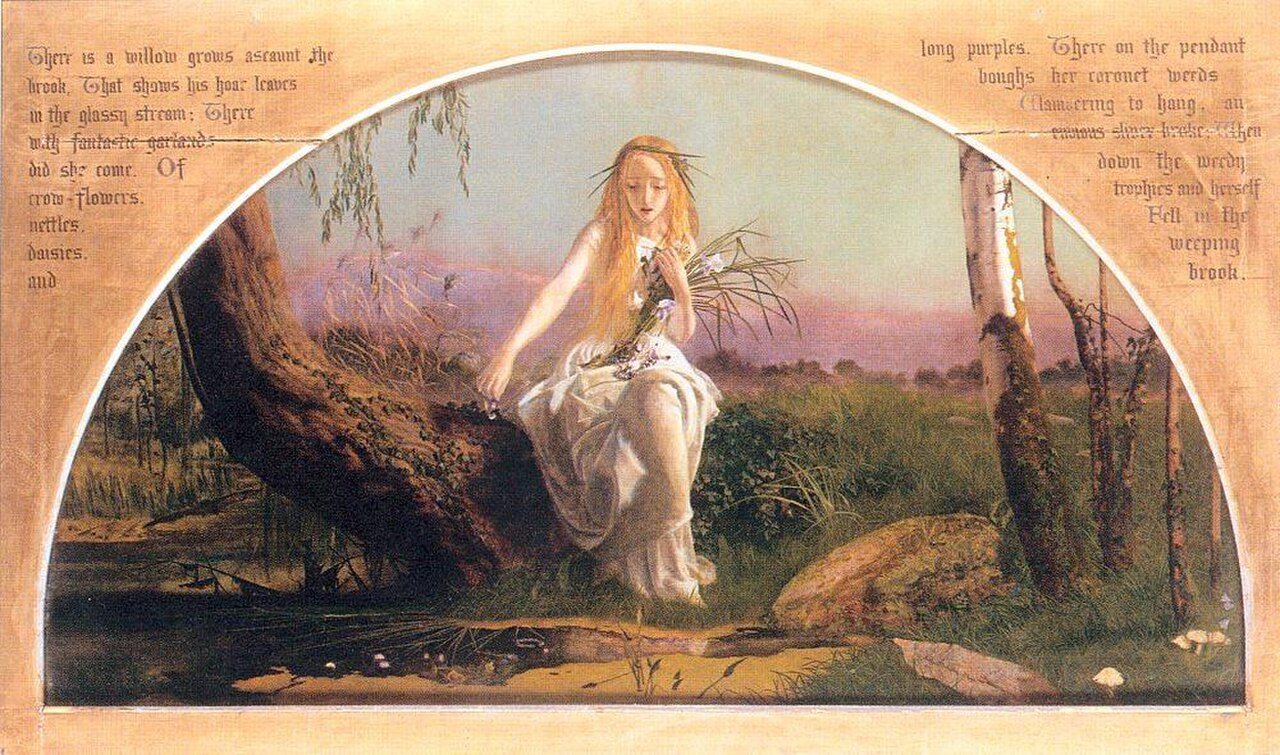


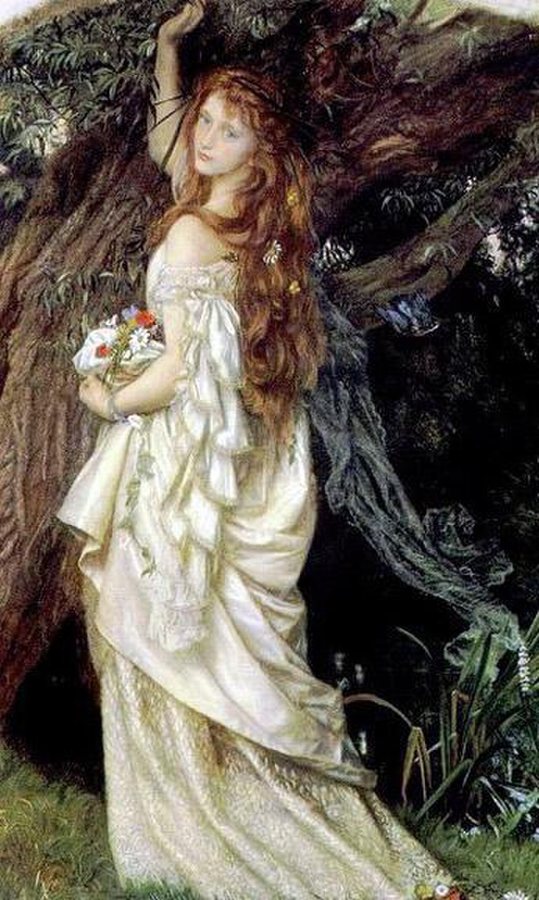
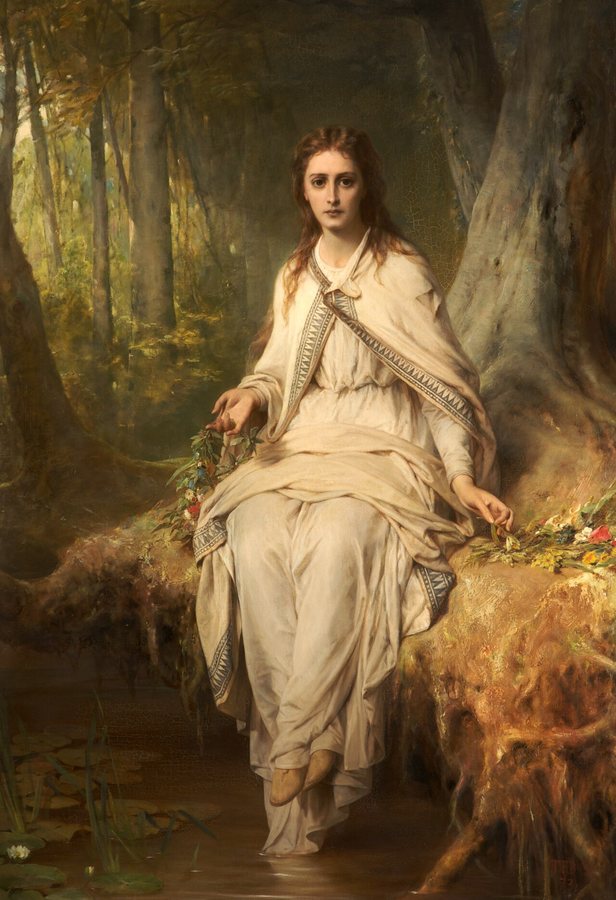
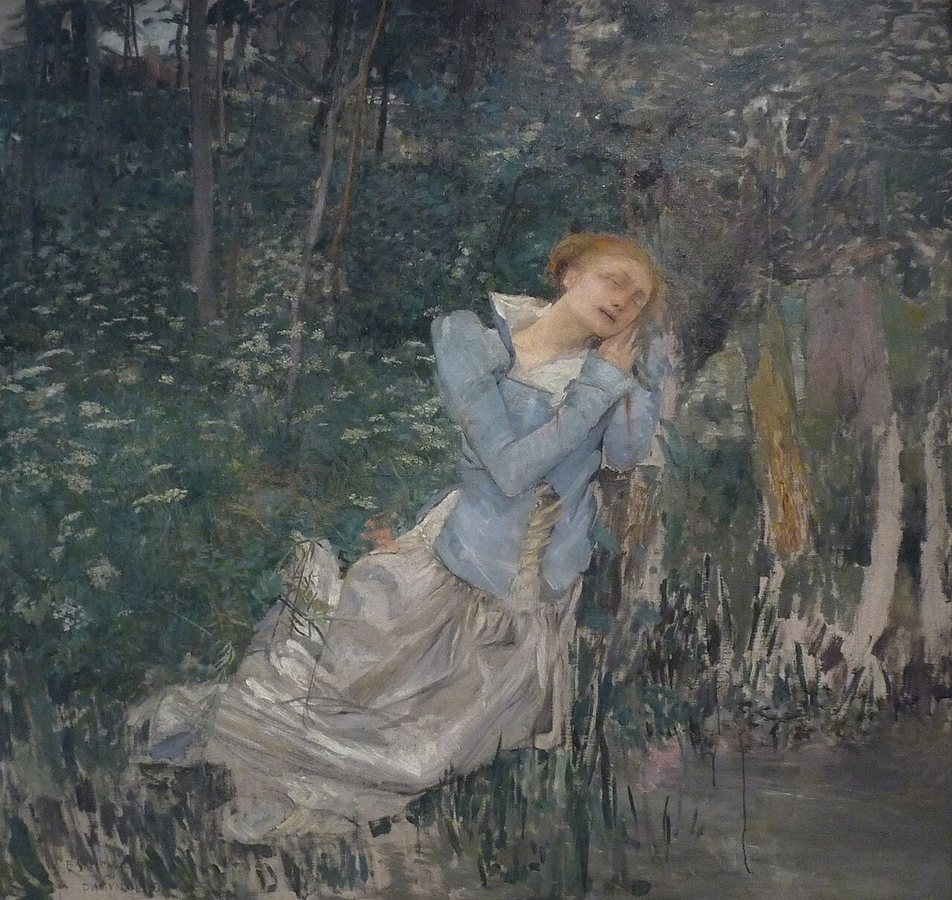
Ophelia is obedient to her father and admired by many characters. She follows Polonius's instructions to stop seeing Hamlet and to help spy on him in the so-called Nunnery Scene. After Polonius's death, she loses her sanity and sings songs and hands out flowers before drowning in a brook, an event her mother Gertrude describes in one of the play's most celebrated speeches. Ophelia and Gertrude are the only female characters in the play.
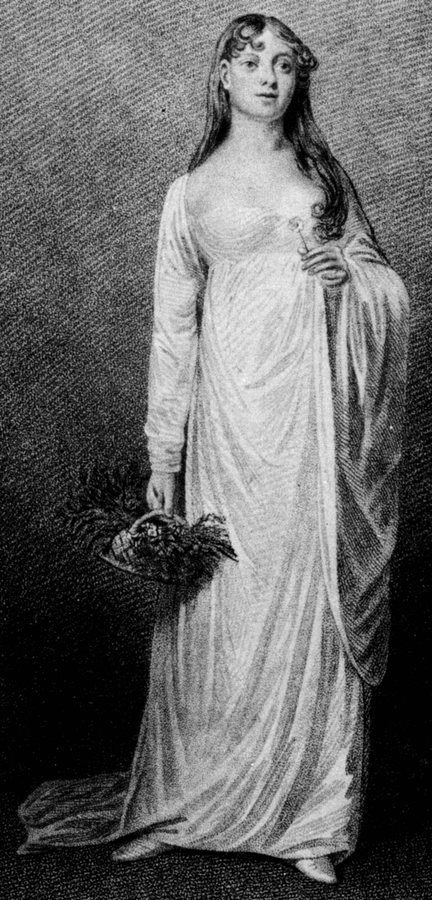
Stage portrayal

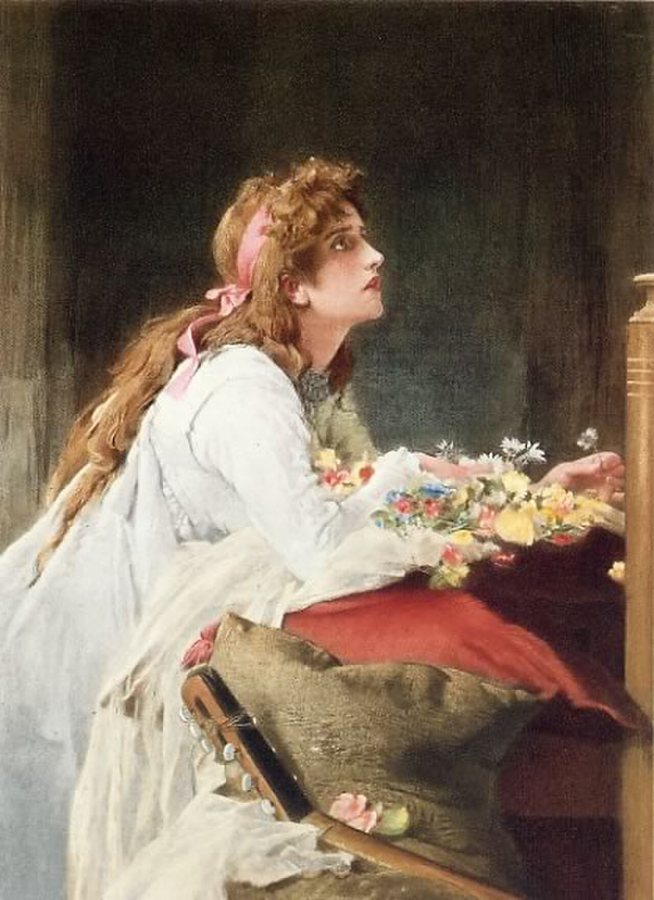




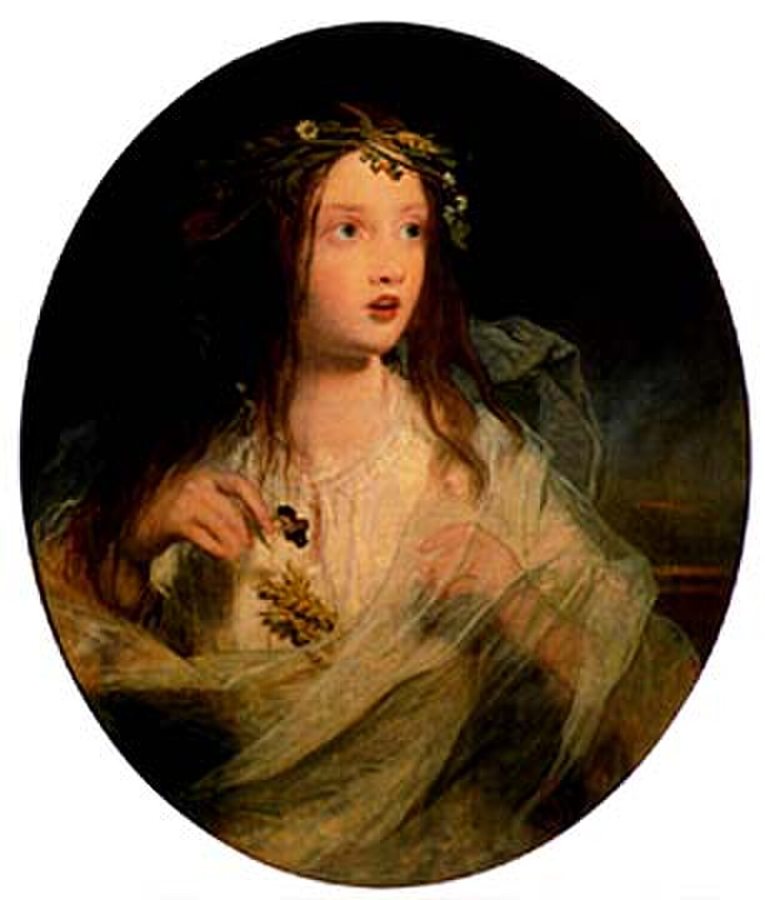
Because professional actresses did not appear on the public stage in Elizabethan England, the role was probably played by a boy. The character has remained a favourite for painters, actresses and opera composers, and her madness scenes have inspired many visual and musical interpretations over the centuries.