factograf
EN
Sign in

city in Warmian-Masurian Voivodeship, Poland

Olsztyn

Olsztyn

Olsztyn is a city on the Łyna River in northern Poland and the capital of the Warmian–Masurian Voivodeship. It had an estimated 169,793 residents in 2021 and is the largest city in the Warmia region. Its Old Town, medieval castle and St. James Co-cathedral draw visitors, and the city is known for its links to astronomer Nicolaus Copernicus. Olsztyn has also been ranked highly for quality of life, income, employment and safety.

Medieval and early modern history

Olsztyn in July 2024, photo 89
Olsztyn in July 2024, photo 72
Olsztyn 2023, Old Town Hall
Copernicus in Olsztyn
Olsztyn 2023, cathedral
Logo of Olsztyn
Logo of Olsztyn
St. James's Parish Church (now pro-cathedral) in the Old Town, 2009
Battle of Allenstein (Olsztyn), 3 February 1807
Headline of the first issue of Gazeta Olsztyńska from 1886
Kopernikusplatz, postcard from 1917
KP, the building of the Gazeta Olsztyńska
Olsztyn corner house of the Polish Partisans, view of both wings
12 images

The settlement was founded in the mid-14th century, when the Teutonic Knights built a castle here as a stronghold against the Baltic Prussians. The town changed hands several times during conflicts between the Teutonic state and the Kingdom of Poland, and it became part of the Polish kingdom in 1466. From 1516 to 1521 Nicolaus Copernicus lived in the town castle, where he directed the Polish defence against a Teutonic invasion. The region then entered a period of growth in crafts and trade, which was later interrupted by fires, epidemics and wars.

Modern development

Brzeziny 1
Brzeziny 1
Dajtki
Dajtki
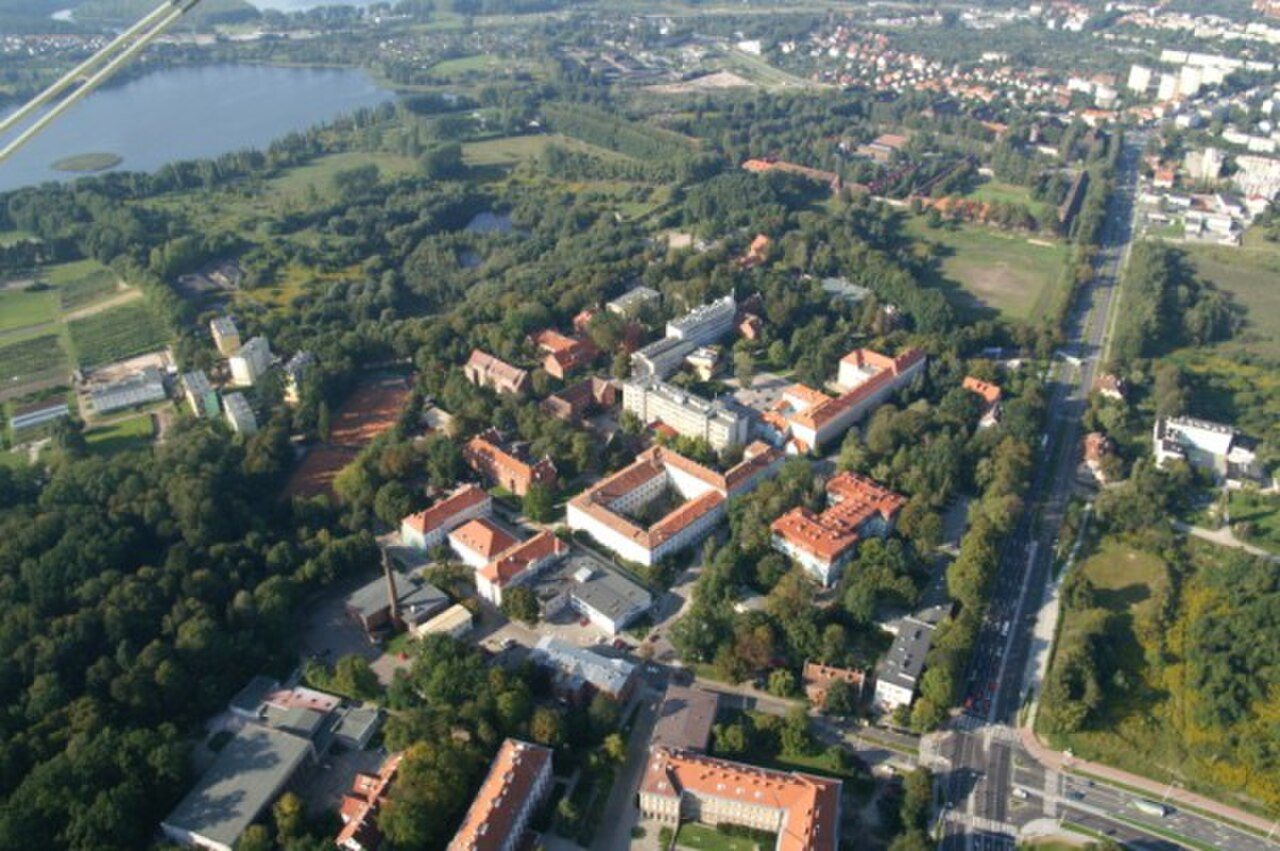
Kortowo
Kortowo
Stefan Jaracz Theatre (built 1925)
Museum of Nature
Museum of Nature
Old townhouses at the Market Square in the Old Town
Olsztyn, Wysoka Brama
Olsztyn garrison church
Wikiexpedition 2012, Yarl, Olsztyn town hall
Olsztyn, AB. 067
Olsztyn, AB. 067
Jerusalem Chapel in Olsztyn
KP, Olsztyn, Church of the Sacred Heart of Jesus
12 images

After the First Partition of Poland in 1772, the town came under Prussian rule and faced German settlement policies. The city grew again after becoming a district seat in 1818, and it became part of the German Empire in 1871. Despite these pressures, Polish institutions, newspapers and leaders remained active in the city. In 1999 the University of Warmia and Masuria was founded here and the city became the regional capital.

In 83 languages

Редакція Factograf · Published October 14, 2026 · Partly based on Wikipedia, CC BY-SA 4.0 · Source article