factograf
EN
Sign in

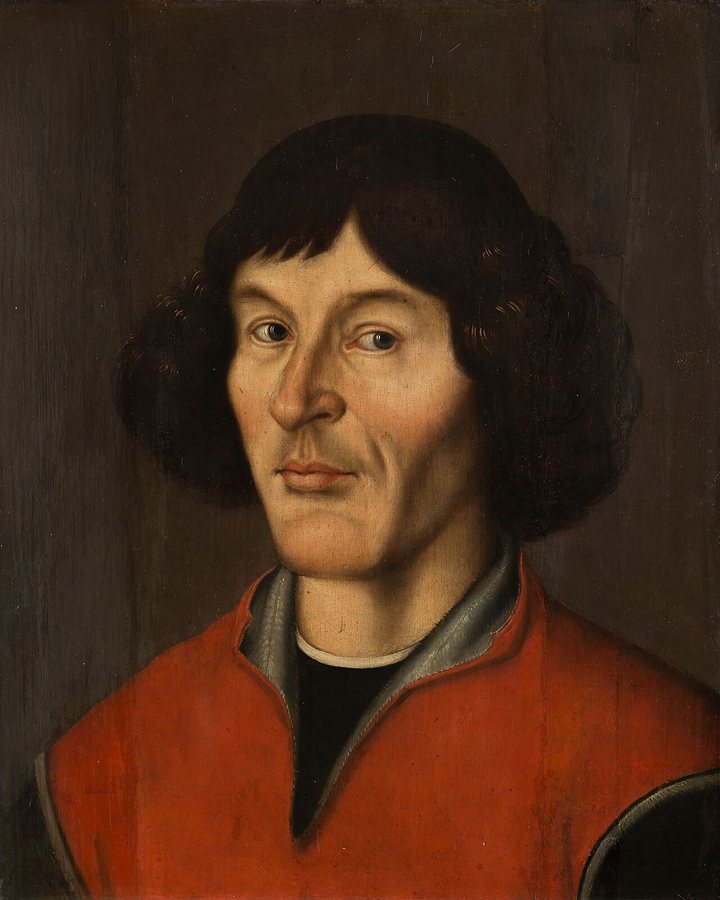
polish mathematician and astronomer (1473-1543)

Nicolaus Copernicus

Nicolaus Copernicus

Nicolaus Copernicus (1473–1543) was a Renaissance polymath who proposed a model of the universe with the Sun, rather than Earth, at its center. His book De revolutionibus orbium coelestium, published just before his death in 1543, triggered the Copernican Revolution and made a pioneering contribution to the Scientific Revolution. Copernicus was also a canon lawyer, physician, classics scholar, translator, administrator and economist, and he developed early ideas about money and prices that anticipated later economic principles.

Early life

WMAP 2012
WMAP 2012
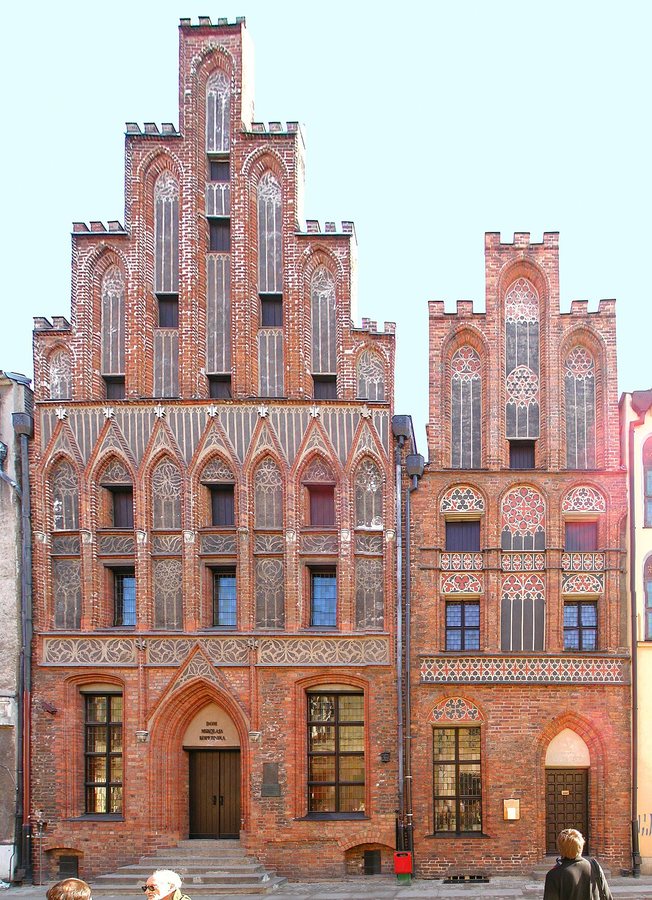
Copernicus's birthplace in Toruń (15 Kopernika Street, left). Together with no. 17 (right), it houses the Nicolaus Copernicus Museum.
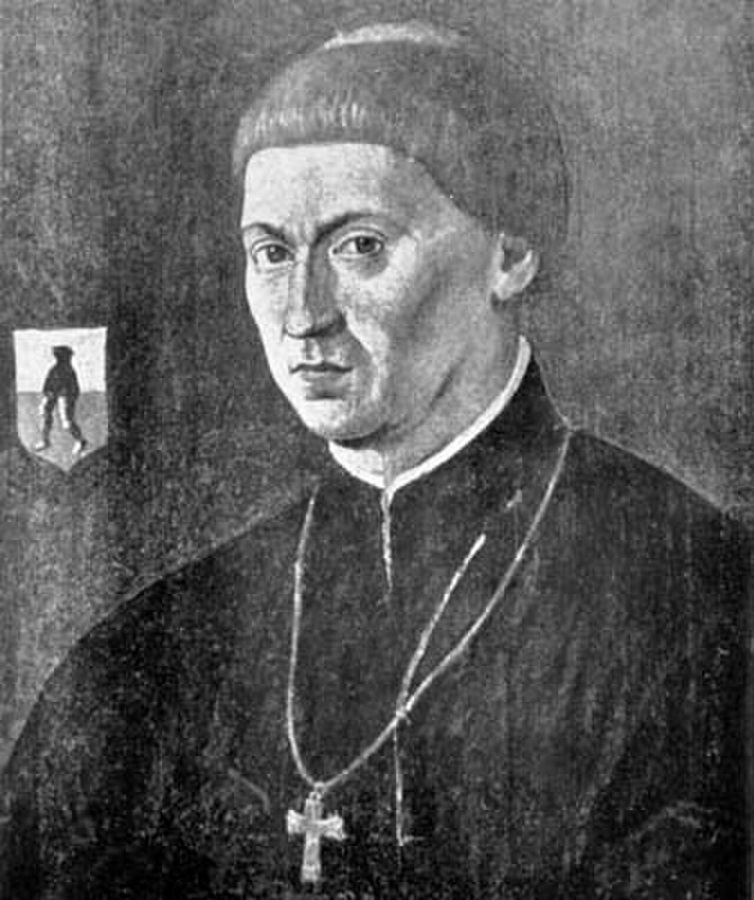
Copernicus's maternal uncle, Lucas Watzenrode the Younger
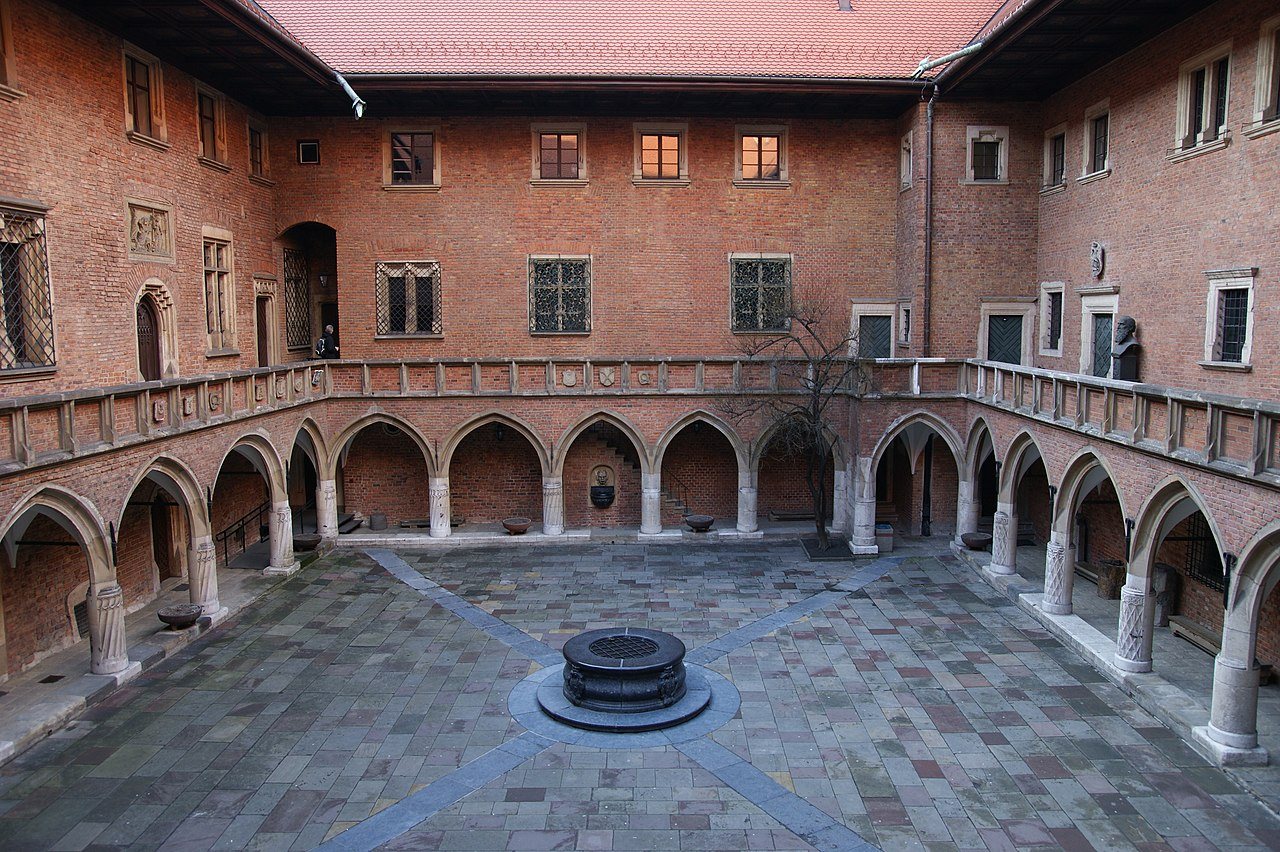
Collegium Maius at Kraków University, Copernicus's Polish alma mater
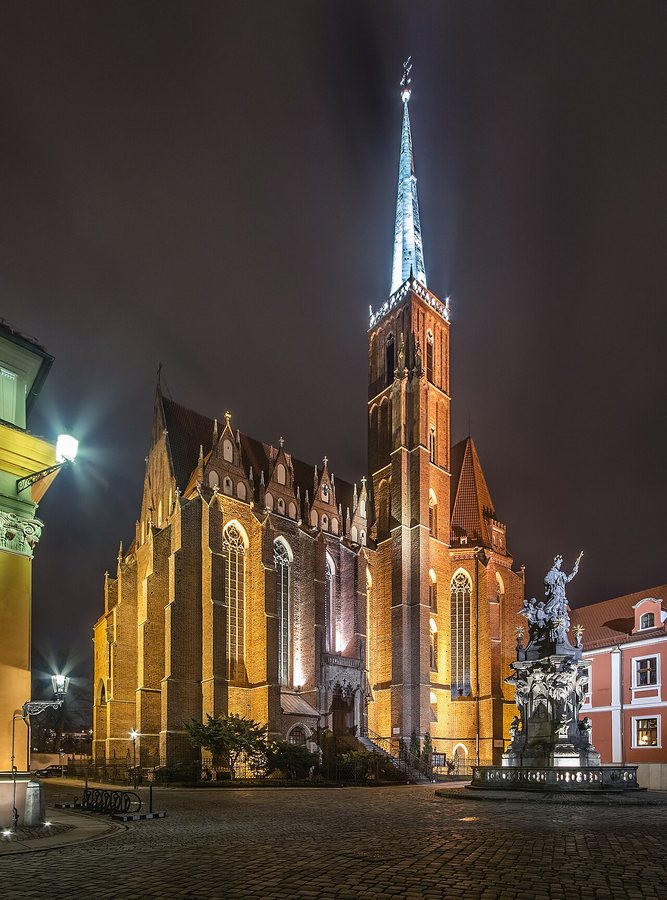
Collegiate Church of the Holy Cross and St. Bartholomew in Wrocław
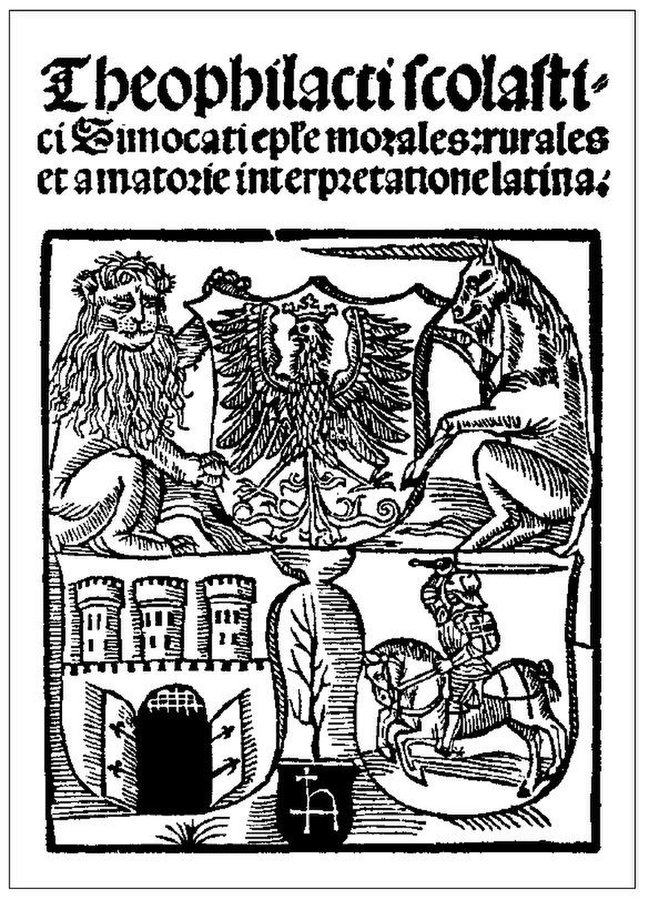
Copernicus's translation of Theophylact Simocatta's Epistles; the cover shows the coats of arms of Poland, Lithuania and Kraków, clockwise from top
Copernicus's tower at Frombork, where he lived and worked; reconstructed after World War II
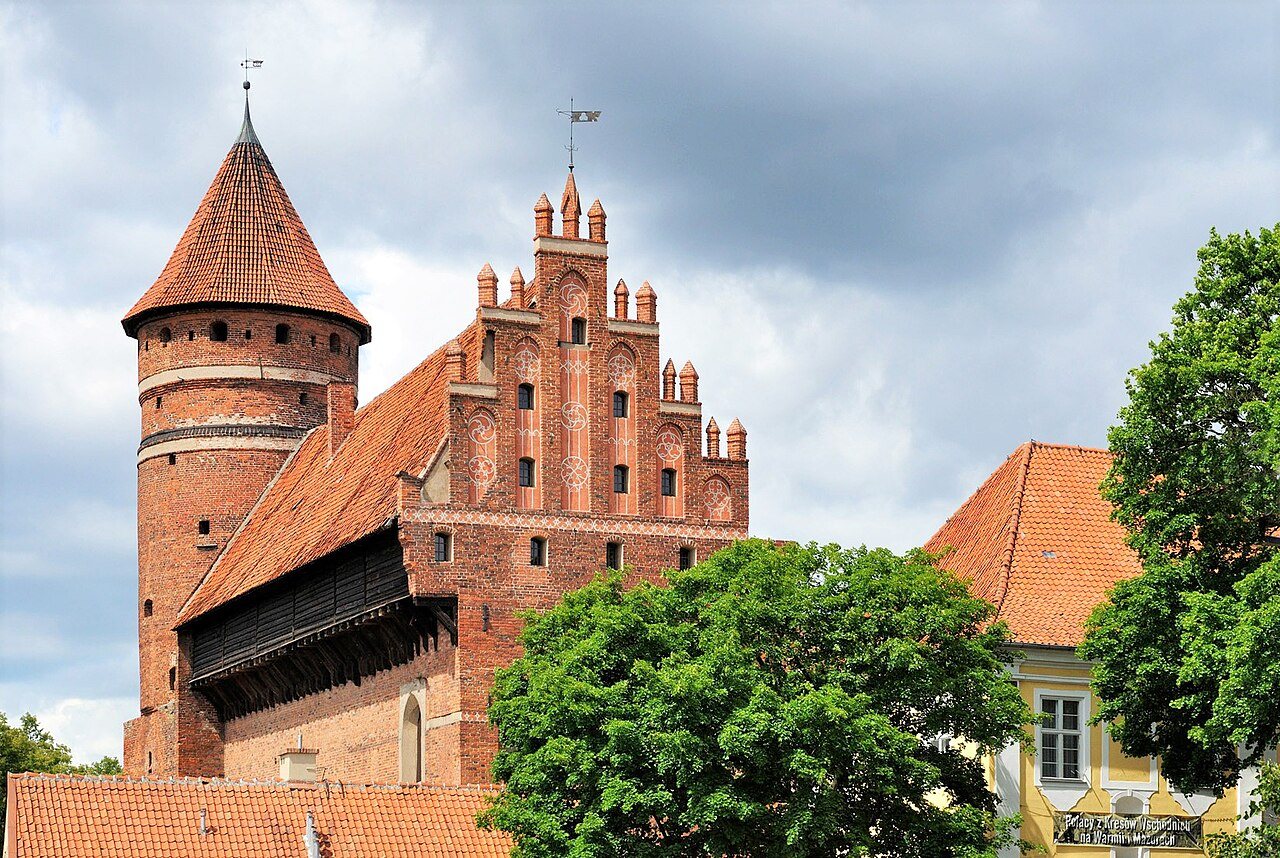
Olsztyn Castle, where Copernicus resided from 1516 to 1521
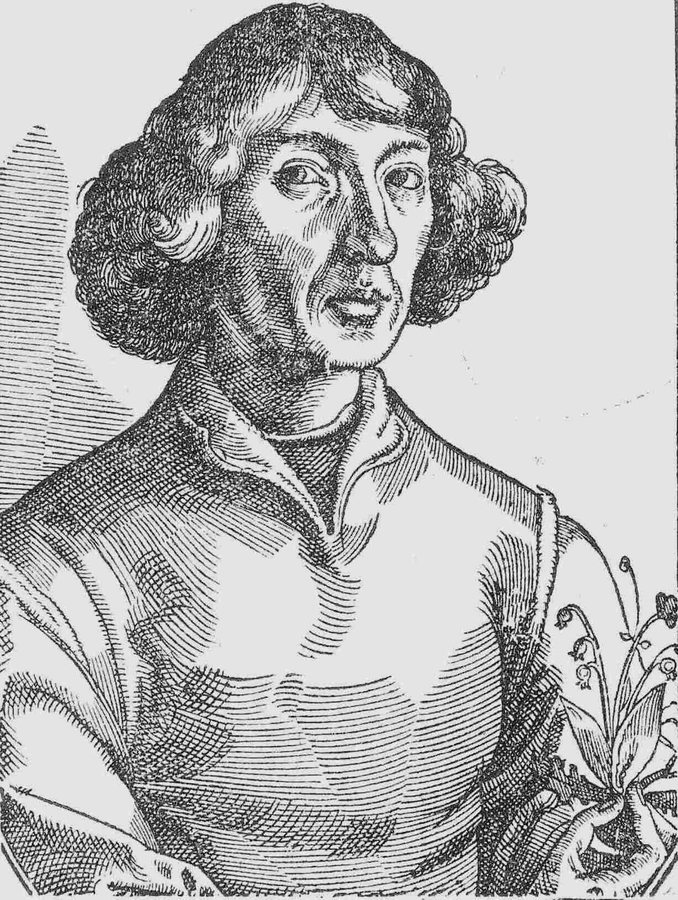
Copernicus holding a lily-of-the-valley, portrait in Nicolaus Reusner's Icones (1587)
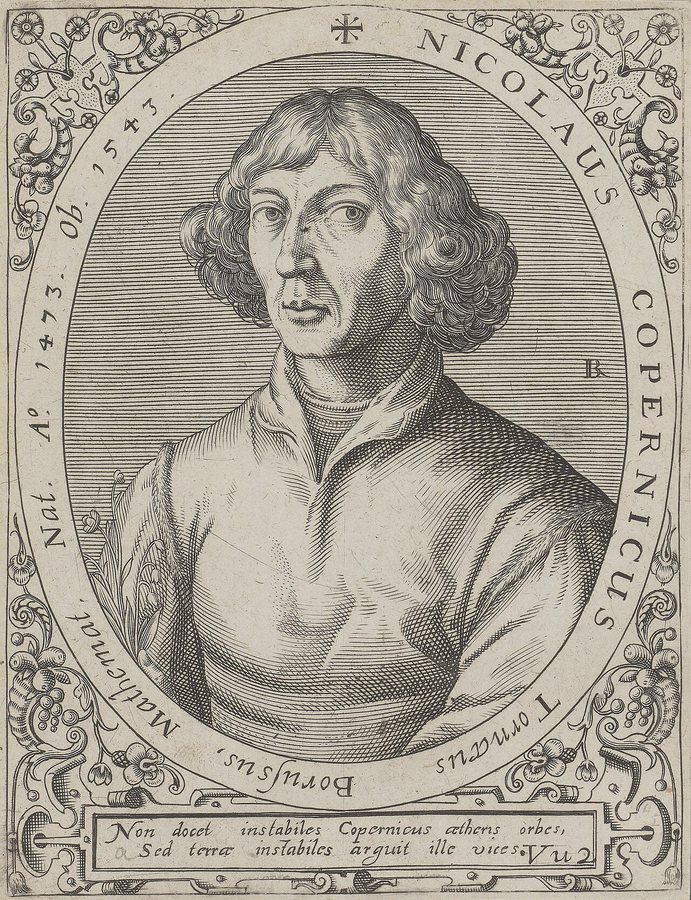
"Nicolaus Copernicus Tornaeus Borussus Mathemat.", 1597
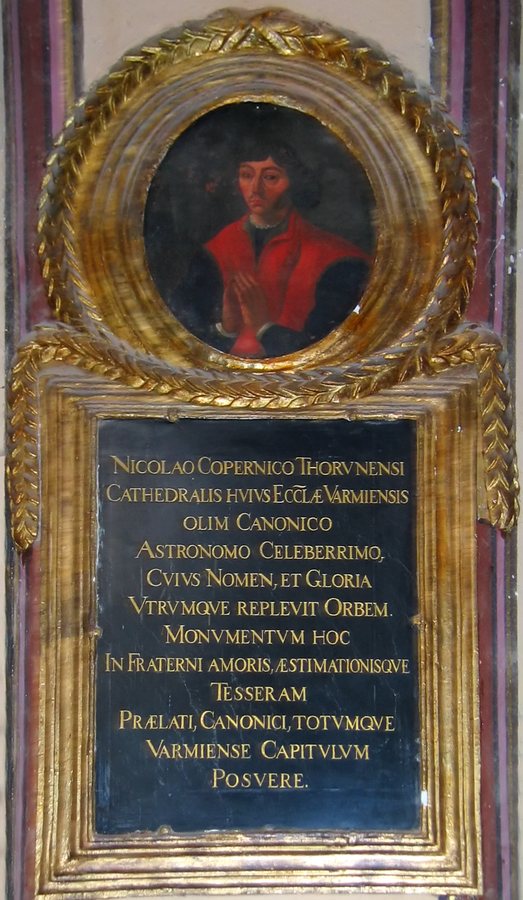
1735 epitaph in Frombork Cathedral
11 images

Copernicus was born in Thorn (Toruń), in Royal Prussia, a semi-autonomous, multilingual region within the Crown of the Kingdom of Poland. His father was a merchant from Kraków who dealt in copper and was active in politics during the Thirteen Years' War against the Teutonic Order. His maternal uncle, Lucas Watzenrode the Younger, later became Bishop of Warmia and acted as his patron, supporting the education and career that eventually led him to Frombork.

Scientific legacy
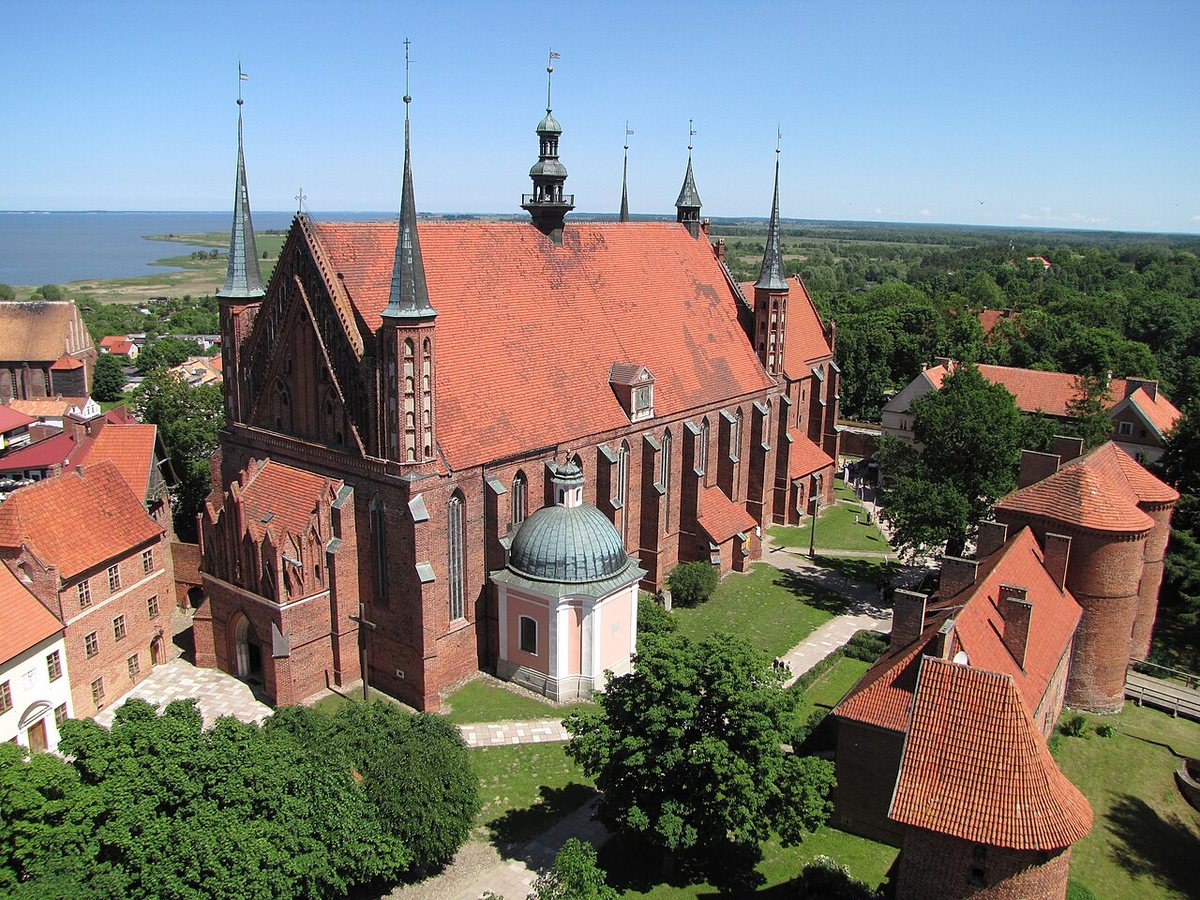
Frombork Cathedral
Frombork Cathedral
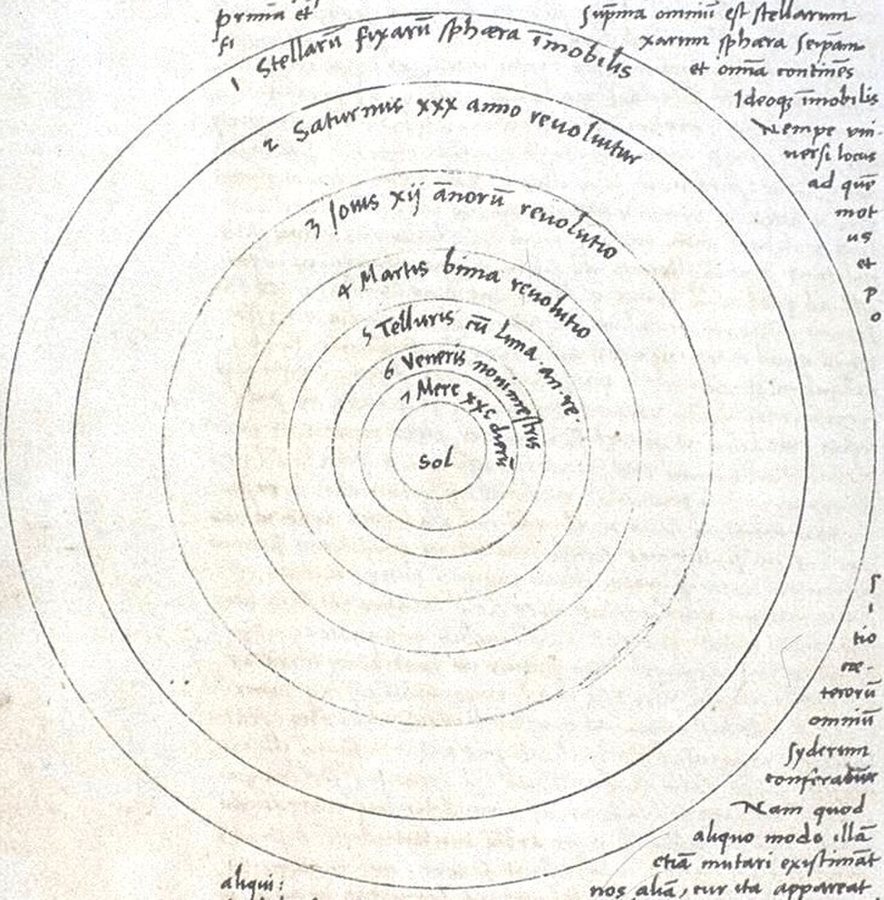
Manuscript page 9v of De revolutionibus
Casket with Copernicus's remains on display in Olsztyn
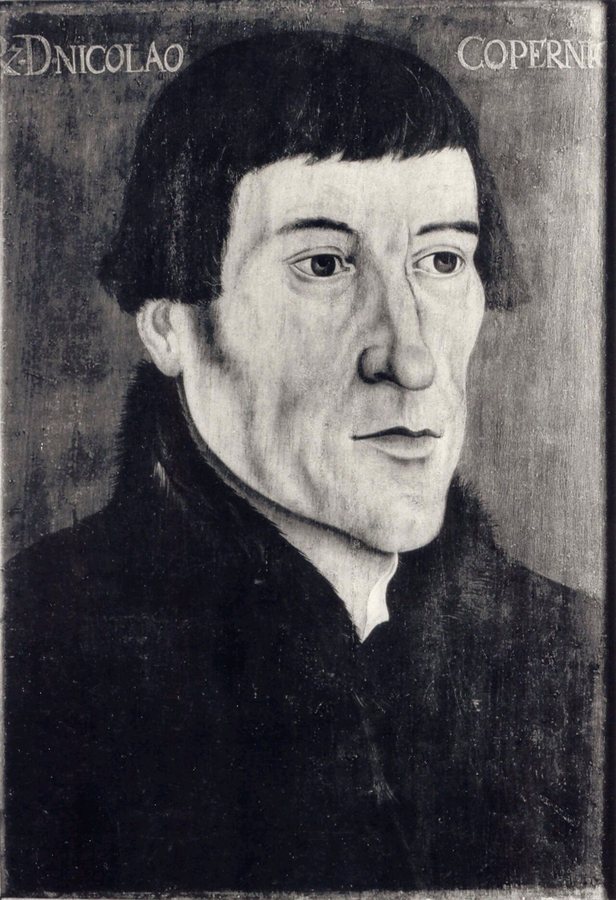
Photo of a mid-16th-century portrait
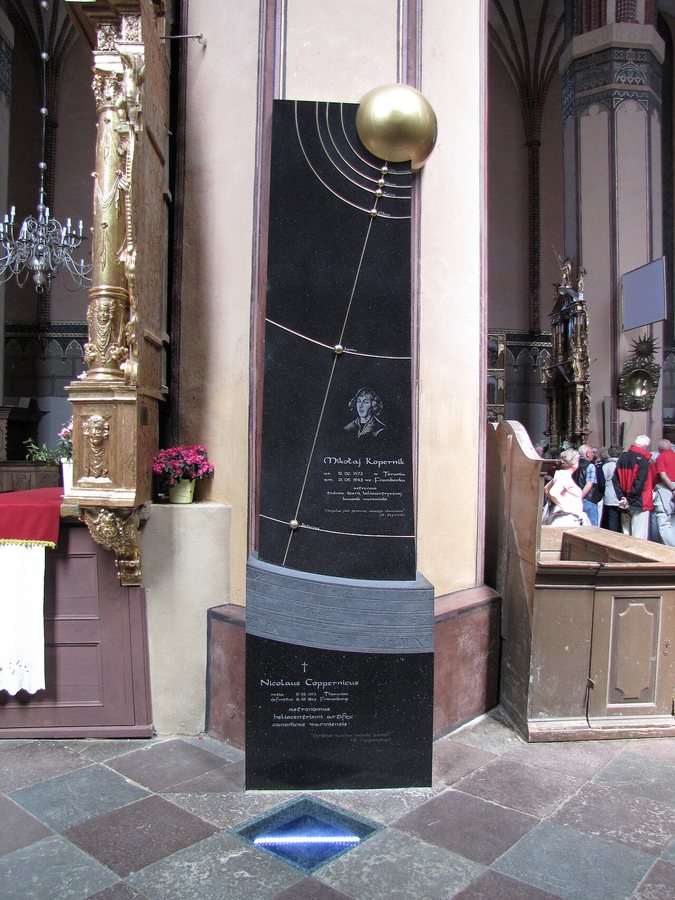
Copernicus's 2010 gravestone in Frombork Cathedral
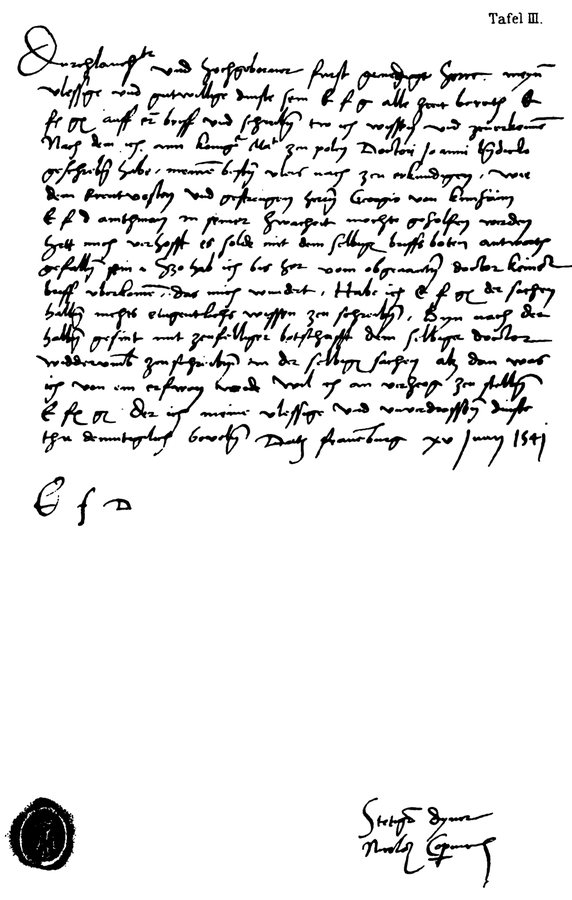
1541 German-language letter from Copernicus to Duke Albert of Prussia, giving medical advice for Georg von Kunheim
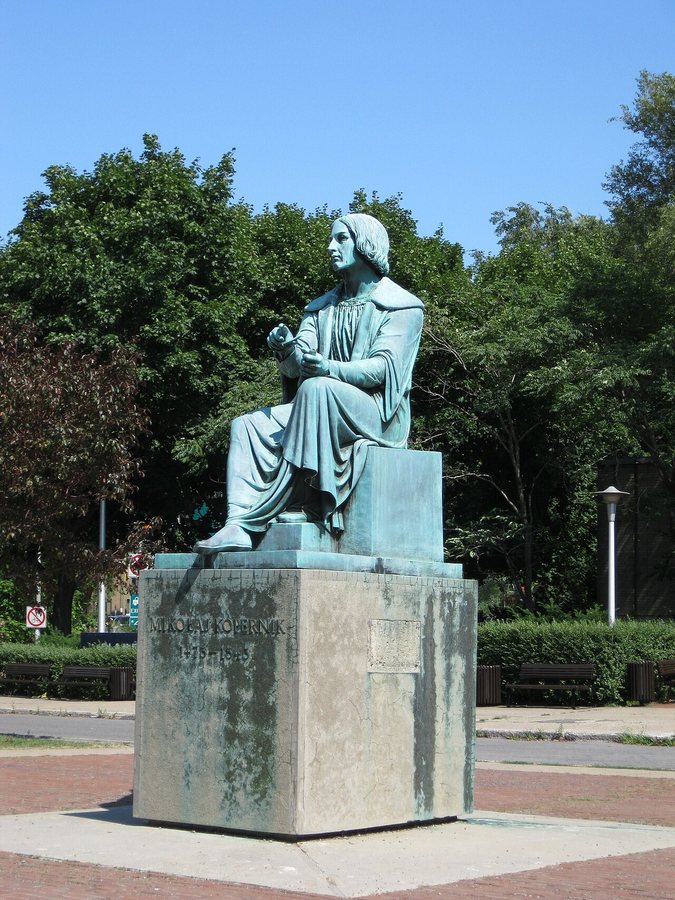
Copernic Montreal 01
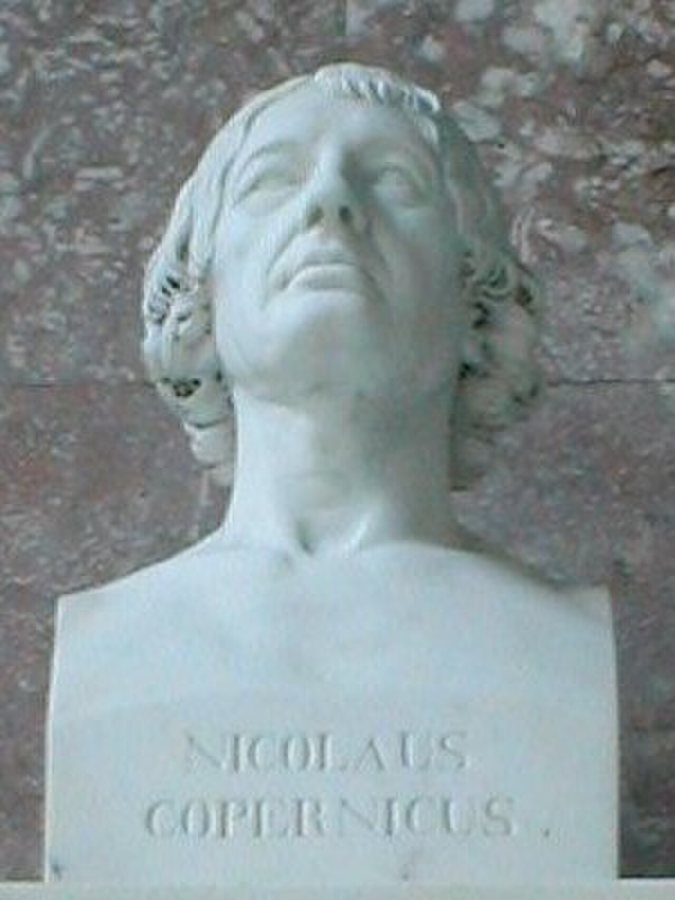
Copernicus Walhalla
Copernicus Walhalla
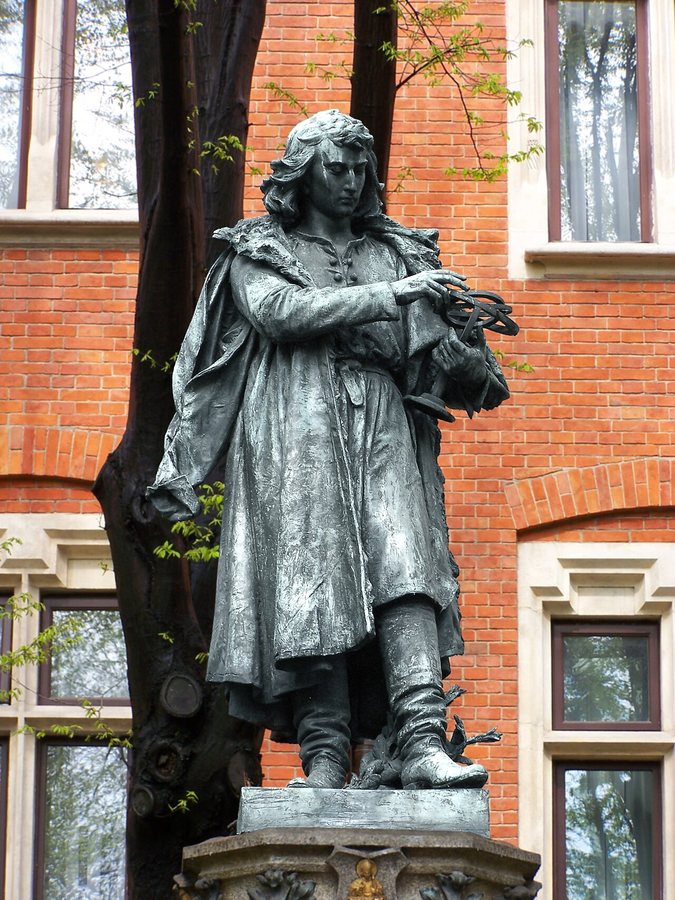
Nicolaus Copernicus monument in Kraków
Copernicus statue in front of Frombork Cathedral
10 images

Copernicus placed the Sun at the center of the known universe, a view that challenged the long-held belief in an Earth-centered cosmos. A similar heliocentric model had been proposed about eighteen centuries earlier by the ancient Greek astronomer Aristarchus of Samos, but Copernicus likely reached his model independently. His work is widely regarded as a turning point in the history of science and is remembered as a foundation of modern astronomy.

In 176 languages

EnglishČeštinaDeutschEspañolFrançaisItaliano日本語PolskiPortuguêsРусскийУкраїнська中文AfrikaansShqipአማርኛOboloAragoneseالعربيةEgyptian ArabicAsturianuঅসমীয়াKotavaAwadhiAzbAzərbaycanBalineseBavarianbat-smgБашҡортBikolБеларускаяБългарскиBislamaবাংলাBrezhonegBosanskiBtmБуряадCatalàНохчийнکوردیی ناوەندیCrimean TatarЧӑваш чӗлхиCymraegDanskZazaΕλληνικάEsperantoEestiEuskaraفارسیfiu-vroSuomiNorthern FrisianFurlanFryskGan ChineseGaeilgeGcrGàidhligGalegoGuaraniHausaעבריתFiji Hindiहिन्दीHrvatskiHornjoserbšćinaHaitian CreoleMagyarՀայերենInterlinguaBahasa IndonesiaInterlingueIlokoIdoIsvÍslenskaJamaican Creole EnglishLojbanJawaKara-KalpakTaqbaylitქართულიKbpҚазақшаKanuriಕನ್ನಡ한국어Kurdî (kurmancî)KernewekКыргызчаLatinLëtzebuergeschLezghianLigureLimburgishLldLombardLietuviųLatviešuMadureseMalagasyMinangkabauМакедонскиമലയാളംМонголWestern MariमराठीMelayuMirandeseErzyaမြန်မာNeddersass’sch (Nedderlannen)Neddersass’schनेपालीNewariNiasNederlandsNorsk nynorskNorskOccitanOloଓଡ଼ିଆИронPampangaਪੰਜਾਬੀPiemontèisWestern PanjabiپښتوRunasimiRkiroa-rupRomânăRskRusynIkinyarwandaСаха тылаᱥᱟᱱᱛᱟᱲᱤसंस्कृत भाषाSicilianuScotsSarduسنڌيⵜⴰⵛⵍⵃⵉⵜSrpski (latinica)සිංහලSlovenčinaSlovenščinaShqipСрпскиSvenskaKiswahiliŚlōnskiSzyதமிழ்తెలుగుТоҷикӣไทยFilipinoTalyshTürkçeТатарاردوO‘zbekVepsTiếng ViệtVolapükWarayWalloonWu ChineseMingrelianייִדישÈdè YorùbáZeelandiczh-yue

Редакція Factograf · Published October 14, 2026 · Partly based on Wikipedia, CC BY-SA 4.0 · Source article